REVIEW · HO CHI MINH CITY
Ho Chi Minh City Full-Day Farm trip with Healthy Cooking Class
Book on Viator →Operated by Western Asian Travel Service · Bookable on Viator
A farm-and-cooking day in Ho Chi Minh City feels like cheating the chaos. You get to meet the animals, pick ingredients, then make a full Vietnamese meal with real guidance and a small group (organic farm time and hands-on cooking are the core of it).
I love how practical the format is: you’re not just watching, you’re working with the food, learning why ingredients matter, and leaving with a certificate plus recipes you can use later.
One watch-out: some parts of the farm experience (like milking a cow) may depend on timing that day, so don’t book with a hard expectation.
In This Review
- Key highlights worth your morning
- From hotel pickup to the farm gate at 8:00
- Organic farm time: animals, feeding, and everyday care
- Rice paper factory stop and the nutrition lesson behind the flavors
- Hands-on cooking class: wraps, papaya salad, banana spring rolls
- What you’re doing while you’re learning
- Guide energy: when it clicks, it sticks
- Lunch, fruit breaks, recipes, and that certificate moment
- Price and logistics: does $73 buy enough value?
- Small group size: why capped at 8 makes a difference
- Quick tips and what to watch for
- Should you book this full-day farm-and-cooking class?
- FAQ
- What time does the tour start?
- How long is the full-day farm and cooking experience?
- Is hotel pickup and drop-off included?
- How big is the group?
- What will I cook during the class?
- Is lunch included, and what about drinks?
- Can I get a refund if plans change?
Key highlights worth your morning
- Small group of up to 8 keeps the class practical instead of crowded
- Hotel pickup and private vehicle saves time and keeps the day stress-free
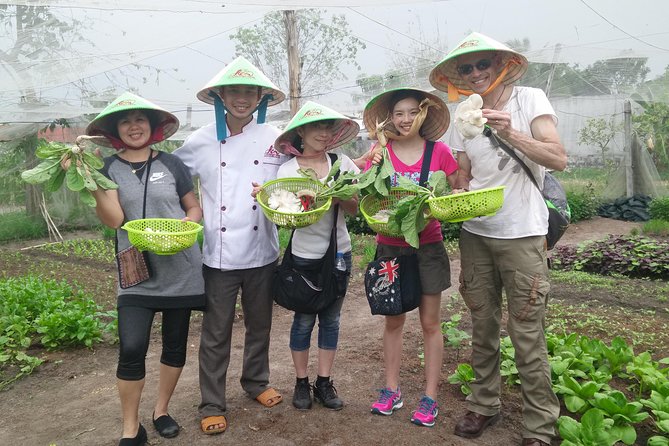
- Farm ingredient picking turns the cooking class into a real farm-to-table loop
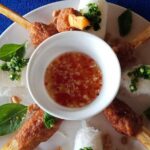
- Three hands-on dishes: prawn wraps, papaya salad, and banana spring rolls
- Nutrition lessons from plants and fruit help you understand the flavors, not memorize steps
From hotel pickup to the farm gate at 8:00
This runs as a full day, starting at 8:00am, with hotel pickup and drop-off included. Expect a straightforward schedule: you’ll leave the city in a private vehicle, get to the farm area, and spend your morning walking, learning, and gathering what you’ll later cook.
What makes the timing work is that you’ll be active before you sit down to eat. One review pointed out a rookie mistake: if you eat a big breakfast before pickup, you may arrive less hungry than you should. With a farm visit plus cooking, you’ll likely want an empty stomach by lunchtime—so think light in the morning.
The day’s also built for people who want less friction. You don’t have to figure out transport, and you get bottled water along the way, with coffee and/or tea included. Drinks beyond that aren’t included, so if you’re a soda or juice person, plan on paying extra.
You can also read our reviews of more tours and experiences in Ho Chi Minh City.
Organic farm time: animals, feeding, and everyday care
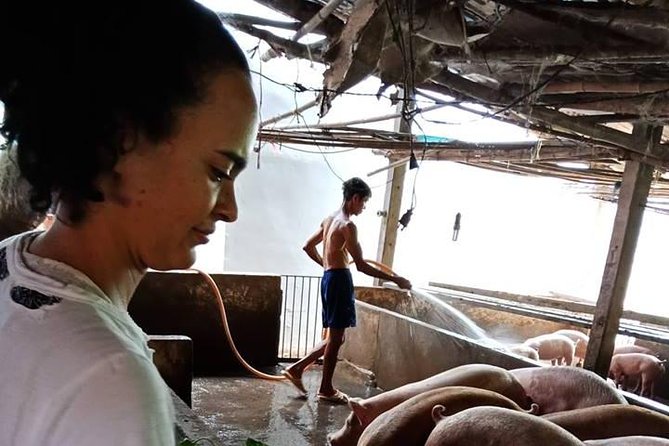
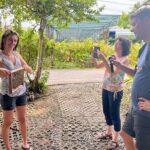
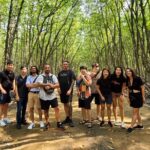
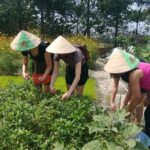
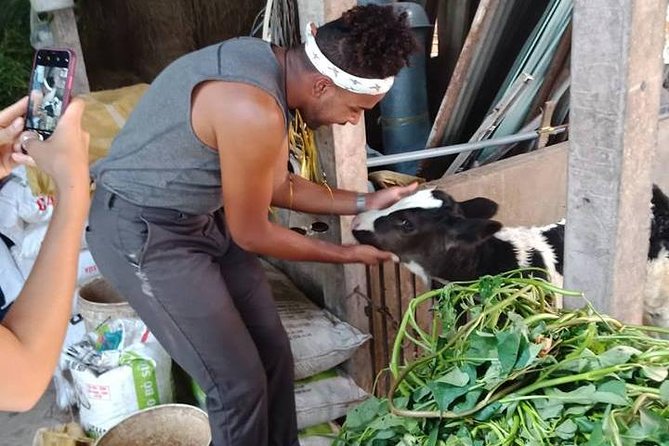
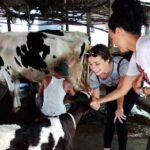
The best part of this experience is that it’s not staged like a quick photo stop. You’ll meet the farm team and see how they look after the animals, including chickens and cows, plus other farm life. You’ll also learn what they feed the animals and what the farm environment looks like in daily operation.
Even when you’re not cooking yet, this section teaches you how Vietnamese food gets its freshness. Many dishes depend on herbs, fruit, and vegetables that taste like they were harvested nearby—because here, they often are. When you see the animals and the growing process up close, the meal makes more sense than it does after a generic market tour.
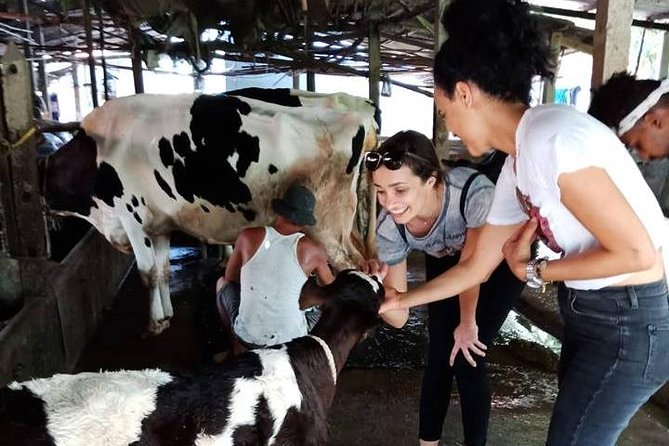
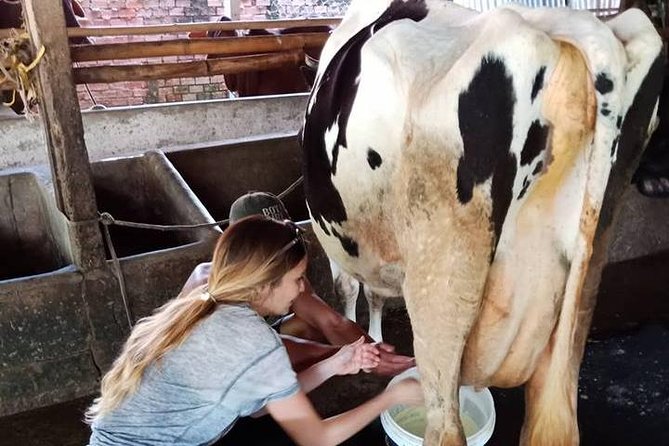
Some days may also include hands-on animal experiences. The trip description suggests you’ll get a chance to try milking a cow, and multiple guides are known for making that moment work. But at least one guest noted there wasn’t an actual milking opportunity that day. My practical advice: treat milking as a possible bonus rather than a guaranteed centerpiece, especially if it’s a must-do for you.
Rice paper factory stop and the nutrition lesson behind the flavors
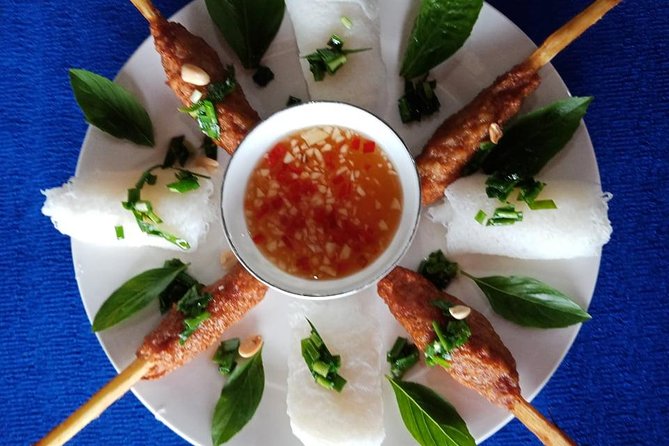
Between farm wandering and cooking, you’ll also see a rice paper factory. This is a great reality check because Vietnamese rice paper isn’t just a wrapper you buy. It’s a product with process behind it, and seeing how it’s made helps you understand why good rice paper tastes different and behaves differently when you roll and pan.
Then comes the lesson side, and it’s one of the reasons this class rates so well. You’ll spend time learning about nutrition and plant-based ingredients—how different foods contribute to balance and flavor in Vietnamese and Asian cooking. The program also emphasizes learning how ingredients work together, sometimes described as yin and yan, meaning you’re aiming for balance rather than chasing one single flavor.
A small detail that stood out in the guides’ approach: the teaching isn’t only about food taste. It’s also about how ingredients grow and how they’re used. One review highlighted an interest point like an oyster mushroom compound, which signals that the farm focus can get specific, not just generic “this is organic” talk.
If you like food where the logic matters—herbs with crunch, sour notes from fruit, saltiness from sauces—this portion helps you see the why.
Hands-on cooking class: wraps, papaya salad, banana spring rolls
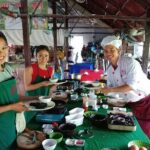
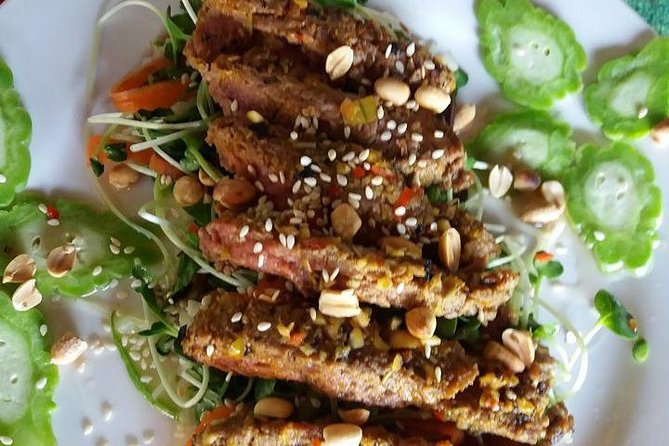
After the farm walk and ingredient picking, you’ll get into the 100% hands-on cooking portion. This is where the day justifies the price: instead of passively learning, you’re actively making dishes from start to finish.
You’ll create three standout Vietnamese dishes:
- Prawn wraps
- Papaya salad
- Banana spring rolls
This lines up with the promise of a three-course cooking class, meaning your time at the stove isn’t just snacking on scraps. You’ll actually produce a meal you can enjoy at the end of the session.
What you’re doing while you’re learning
The lesson structure tends to follow the work you’re doing:
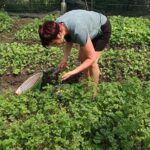
- First, you pick ingredients on the farm.
- Then you learn technique and flavor balance for each dish.
- Finally, you eat what you made, so you immediately understand what worked.
That feedback loop matters. The papaya salad, for example, isn’t only about combining ingredients. It’s about getting a sour-salty-sweet-spicy balance that feels right for Vietnamese cuisine. The same idea applies to spring rolls: texture and rolling technique matter, and those are things you can’t really learn from watching a video.
And since you’re working with fresh ingredients (plus fruit on the farm), the class feels like a continuation of the earlier walking tour. It’s not “farm tour, then cooking.” It’s one flow.

Guide energy: when it clicks, it sticks
The cooking leadership seems to be a major reason this tour earns strong ratings. You may meet chefs and instructors such as chef Linh, Alice (including one mention of Alice Doan), chef Tan, and Sue. Another guide mentioned by name is Dante.
The recurring pattern is simple: the teaching is clear, the group gets help while cooking, and you’re encouraged to finish strong. When the guide speaks excellent English, it helps you focus on technique instead of guessing what you’re doing. One review specifically praised the staff’s English skills.
Lunch, fruit breaks, recipes, and that certificate moment
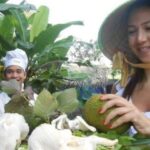
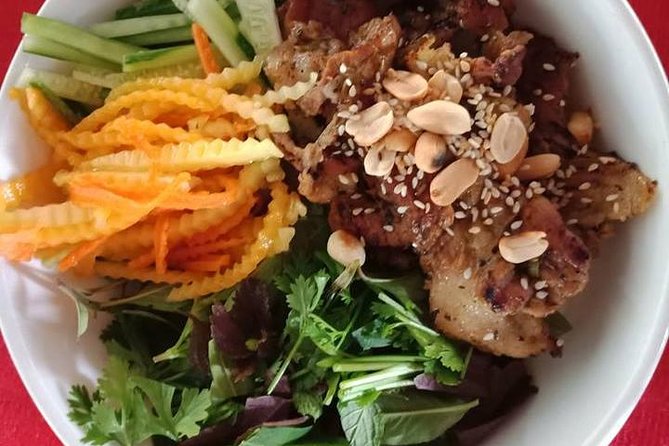
You’ll enjoy lunch included, plus access to coffee and/or tea. Bottled water is also included. The program includes fresh fruit on the farm, and that’s more than a snack. It gives you a sense for the ingredients you’ll later use in cooking, especially when sour or aromatic flavors show up in dishes like papaya salad.
At the end, you’ll receive both a certificate and recipes. That matters because Vietnamese cooking can feel intimidating when you don’t know what to buy and when to season. Recipes turn the experience into something portable.
Also: this is one of those rare classes where the result is immediately edible. You’re not leaving with vague ideas. You made three dishes and ate them while everything was fresh and hot.
Price and logistics: does $73 buy enough value?
At $73 per person for about 8 hours, this is priced like a full-day activity that replaces multiple day plans. The value isn’t only the cooking class. It’s the package:
- Hotel pickup and drop-off
- Private vehicle transport
- Lunch
- All activities
- Bottled water plus coffee/tea
- Small group capped at 8
- Recipes and a certificate
Plenty of cooking classes in Vietnam cost similar money, but many don’t come with the behind-the-scenes farm access. This one tries to connect the farm learning to the food you cook. That’s why the class feels like an experience, not a transaction.
Is there a potential drawback on the value side? Only one: if you show up expecting a long list of animal “wow” moments, you could feel slightly disappointed if a specific activity like milking doesn’t happen. But if you’re there for farm-to-table learning and hands-on cooking, the overall structure still makes sense.
Small group size: why capped at 8 makes a difference
A maximum of 8 travelers isn’t just a nice number. It changes how the class runs. You get closer instruction while you’re cutting, rolling, mixing, and assembling.
In a larger group, you might wait your turn or only watch while the chef works. Here, the flow is faster and more interactive. And when you have questions—like why your sauce tastes off or how to balance the salad—you’re more likely to get help.
This also affects your farm walk. A smaller group means you can move at a comfortable pace, stop for explanations, and ask about the plants and animal care without feeling like you’re rushing through.
Quick tips and what to watch for
A few practical things will help you get the most out of the day:
- Go lighter on breakfast. You’ll likely be hungry by lunch. One guest called that out directly.
- Treat cow milking as possible, not guaranteed. Some days include it; at least one guest reported it wasn’t available.
- Bring a curious mindset for plants and balance. The focus on nutrition and yin/yan might feel unusual if you expect only recipe steps. If you like understanding the “why,” you’ll enjoy it.
- Expect a hands-on pace. It’s not a relaxed demo. You’ll be active, so wear comfortable clothes and shoes you can move in.
If you’re pairing your day with another HCMC highlight, this schedule tends to work well because it’s a single, self-contained experience with pickup and drop-off handled for you. One review even suggested pairing it with the Cu Chi tunnels as a smart combo.
Should you book this full-day farm-and-cooking class?
I think you should book it if you want a day that connects where food comes from to how it tastes on your plate. The combination of farm time, rice paper production exposure, and a truly hands-on class makes it feel like more than a cooking show.
It’s also a strong fit if you travel with family or friends who enjoy food and want something fun that still teaches skills. The small group size helps adults and kids-like audiences both, because you’re actively involved.
I would hesitate only if your plan depends on a very specific farm activity—like milking a cow—happening at all costs. Since that can vary, put your expectations on the overall farm-to-table flow and the three dishes you’ll make.
FAQ
What time does the tour start?
The tour starts at 8:00am.
How long is the full-day farm and cooking experience?
It lasts about 8 hours.
Is hotel pickup and drop-off included?
Yes. Hotel pickup and drop-off are included.
How big is the group?
The tour/activity has a maximum of 8 travelers.
What will I cook during the class?
You’ll make your own prawn wraps, papaya salad, and banana spring rolls.
Is lunch included, and what about drinks?
Lunch is included. Coffee and/or tea are included, but drinks are not included beyond that.
Can I get a refund if plans change?
Yes. You can cancel for a full refund if you cancel at least 24 hours before the experience’s start time.