REVIEW · POKHARA
Pokhara: Organic Farm Tour and Cooking Class at Durku
Book on Viator →Operated by Fewa Trail Treks and Expedition Pvt Ltd · Bookable on Viator
Food tastes better when you grow it. This Durku organic farm tour turns Pokhara’s food scene into something practical: you visit an organic farm, learn about sustainable growing, then cook Nepali dishes using what you harvest. The day ends with lunch made from your own work—simple, satisfying, and real.
I especially like the farm-to-table setup because you don’t just watch from a distance. You get an expert explanation of how the farm works, plus a local chef who guides the cooking step by step. Another highlight for me is the meal itself: lunch centers on classic Nepali comfort food like dhido and gundruk, along with organic vegetables and salads.
One thing to consider is timing: you’re picked up and transported by private vehicle, and the ride can be about 25–30 minutes depending on where you’re staying in lakeside Pokhara. If you’re sensitive to mid-morning commutes or prefer to keep plans very loose, this fixed 10:00 a.m. start might feel a bit structured.
In This Review
- Key highlights you’ll feel right away
- Pokhara’s Durku farm tour is built for real taste, not just photos
- Mattikhan arrival: herbal tea, a warm welcome, and what organic means in practice
- Harvesting ingredients: the moment farm-to-table clicks
- The cooking class: a local chef guides you through Nepali techniques
- Lunch on your own work: dhido, gundruk, and organic vegetables
- Pickup, private tour flow, and how the logistics actually feel
- Price and value: what $115 includes, and what that buys you
- Who should book the Durku farm cooking tour in Pokhara
- What to bring so the farm-to-plate day stays easy
- Should you book this organic farm + Nepali cooking class?
- FAQ
- What time does the Pokhara Organic Farm Tour at Durku start?
- How long is the tour?
- What’s included in the price?
- Is the tour private or group-based?
- Do you get a place to eat included lunch during the tour?
- Are souvenirs included?
- What is the cancellation policy?
Key highlights you’ll feel right away
- Herbal organic tea welcome at arrival, before the cooking begins
- Organic farming explained by an expert, not just a casual walk-through
- Hands-on harvesting, so you cook with ingredients you picked
- A local chef-led cooking class focused on Nepali techniques and recipes
- Lunch built around what you prepared, including dhido and gundruk
- Private tour experience with hotel pickup and drop-off
Pokhara’s Durku farm tour is built for real taste, not just photos
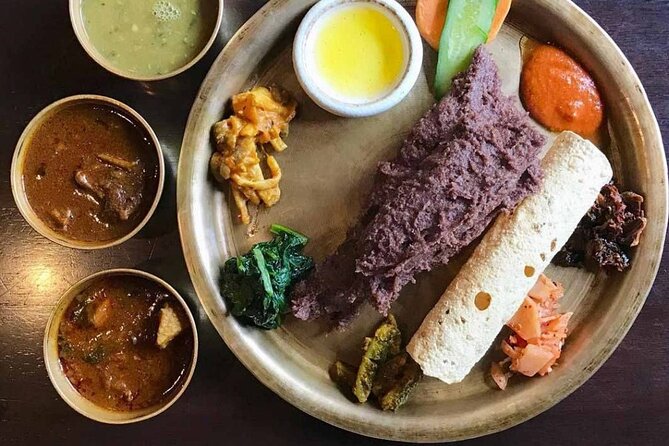
A lot of tours in Pokhara end with a quick meal and a shopping stop. This one flips that idea. You start by learning how food is grown using organic methods, and you finish by eating dishes you helped make. That flow matters, because it connects the ingredients to the flavor in your bowl.
The tour runs about 4 to 5 hours, starting at 10:00 a.m. That mid-morning timing is convenient: you’re not racing the earliest crowds, and you’re also not waiting until late afternoon to eat. You’ll likely spend a big chunk of that time on cooking (around 1 hour 30 minutes) and the rest split between the farm visit, harvesting/prep, and lunch.
If your travel style is part food, part culture, part “show me how it works,” you’ll probably like the pace. It’s hands-on enough to feel like an activity, but not so intense that it becomes a workout.
Mattikhan arrival: herbal tea, a warm welcome, and what organic means in practice
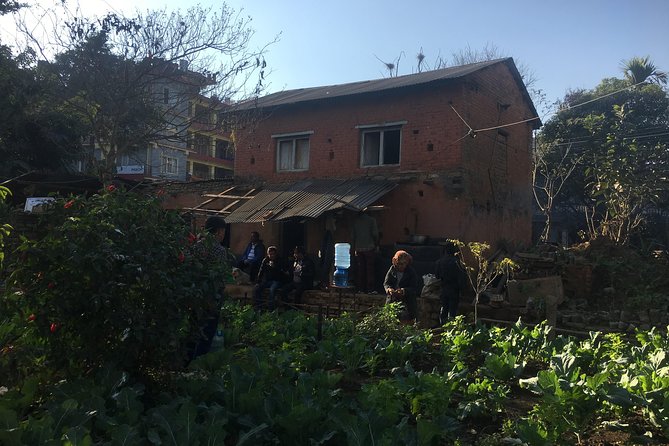
You head to the farm area around Mattikhan, then settle in at the property. On arrival, you’re welcomed by the farm expert and served herbal organic tea. It’s a small detail, but it sets the tone: this isn’t just a kitchen class with a scenery bonus.
Right after that welcome, the farm visit begins with explanation. You’ll learn about organic cultivation and sustainable farming practices—how local, grown-on-site ingredients fit into the larger picture of soil and environmental care. The value here is that you’re getting context, not just a list of vegetables.
What you should expect in this phase:
- A guided look at the farm approach and growing methods
- Expert-led explanation geared toward everyday understanding
- Time to get comfortable before you move into cooking
Possible drawback: if you’re expecting a long, scenic walk or a huge production with lots of roaming paths, the schedule is designed to keep things efficient. The emphasis stays on learning + cooking, and the farm time is clearly part of that goal.
Harvesting ingredients: the moment farm-to-table clicks
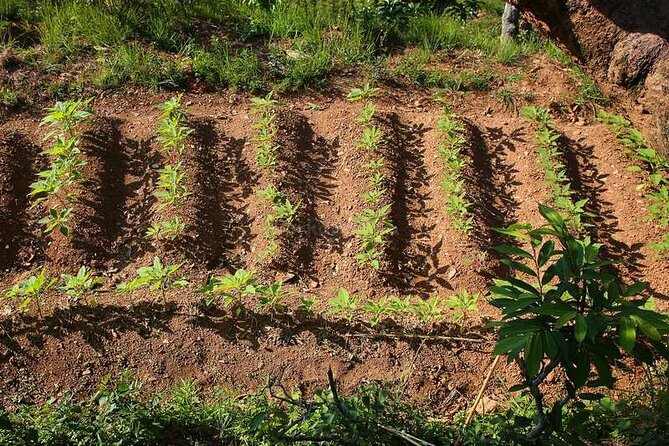
The farm-to-table part is the star of the show. After you visit and learn, you’ll get to harvest fresh ingredients and participate in preparation. This is where the experience stops being purely informational and becomes “hands-on.”
Why this matters: Nepali cooking is heavily about ingredients and timing—how fresh they are, how they’re chopped, and what you pair them with. When you pick the vegetables or herbs yourself, you end up noticing flavor differences in a way you might not during a standard meal.
Even if you’ve cooked Nepali food before, harvesting changes the experience. It turns lunch into something closer to a craft project. You’re part of the chain from farm bed to finished plate.
Practical tip: wear comfortable shoes. You’ll likely be on farm ground and moving around while harvesting or prepping. If you’re bringing only sandals, plan on swapping into something that gives you grip and support.
The cooking class: a local chef guides you through Nepali techniques
After the farm introduction and harvesting/prep, you shift into cooking. The class is led by a local chef and runs about 1 hour 30 minutes. This is interactive, so you’re not just watching someone cook for you.
This section is especially good for anyone who likes to eat first, but also wants to understand how flavors are built. You’ll learn how to prepare authentic Nepali dishes using the organic produce you gathered. The chef’s role is key: you’ll get practical guidance on techniques and traditional recipes, not just a vague demo.
Based on what’s included in lunch, expect the cooking to connect strongly to classic items. Dhido and gundruk show up as central parts of the meal, with organic vegetables and salads rounding out the plate.
What you’ll walk away with:
- A few dishes you can recreate later
- A better sense of ingredient-to-technique relationships
- Familiar Nepali flavors with the meaning behind them
One consideration: cooking classes can be messy. Even when things are tidy, you’ll be working with fresh foods and normal kitchen surfaces. If you hate getting stained clothes, plan accordingly.
Lunch on your own work: dhido, gundruk, and organic vegetables
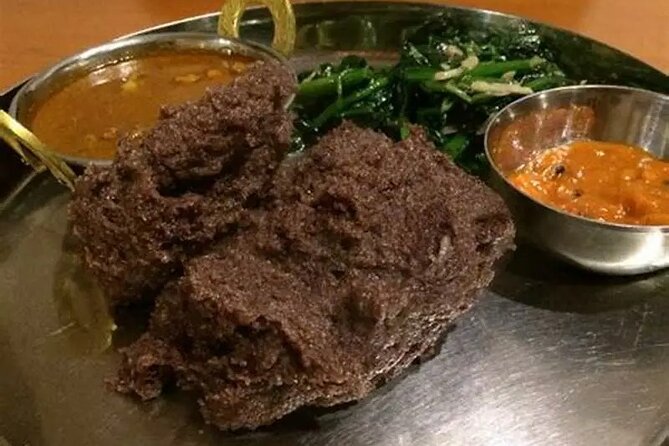
Then comes the best part: lunch. You’ll eat a meal made up of the dishes you prepared during class. The included lunch typically features dhido and gundruk, plus organic vegetables and salads.
This isn’t a “light bite and a photo” situation. Lunch is the payoff that turns all the farm learning into something you can taste right away. Dhido is comforting and filling, while gundruk brings that tangy, fermented depth Nepali food is known for. Add fresh organic vegetables and salads, and you get a mix of textures that feels balanced rather than heavy.
Here’s why this structure is worth it:
- You learn ingredients first, then taste them with context
- You get a full meal rather than snacks
- You’ll understand what you cooked because you made it
If you’re wondering about portion sizes: the data doesn’t spell out weights or exact servings. But since lunch is included and tied to the cooking class, it’s safe to expect a satisfying meal rather than a small tasting.
Pickup, private tour flow, and how the logistics actually feel
The tour includes hotel pickup and drop-off, plus transport by private vehicle. That takes the stress out of finding the farm area on your own. The ride is described as roughly 25–30 minutes depending on where you’re staying within lakeside Pokhara.
You’ll also get a local guide and bottled water. The tour is listed as private, meaning only your group participates. Private tours are a big deal on experiences like this: it usually means you can move at a comfortable pace and ask questions without feeling rushed.
A couple more useful notes:
- You get a mobile ticket
- Group discounts are available (so if you’re traveling with friends or family, you might get a better deal)
If you prefer to travel light and without complicated coordination, this kind of structured, pickup-based format is a big plus. It’s also easier if you’re not sure about local transport timing.
Price and value: what $115 includes, and what that buys you
At $115 per person, this isn’t a budget “just a meal” activity. But the value is in what’s bundled:
Included elements you’re paying for:
- Organic farm visit with expert explanation
- Cooking class led by a local chef
- Harvesting and participation in preparation
- Lunch (with classic dishes like dhido and gundruk)
- Hotel pickup and drop-off by private vehicle
- Local guide, bottled water
- Private tour setup
So you’re not just paying for admission. You’re paying for transportation, guidance, a real meal, and instruction from a chef. That’s why it can feel worth it even if you could technically find cooking classes elsewhere for less.
When it might not be the best value:
- If you only want a quick taste of Nepali food and you’re not interested in farming or hands-on cooking, it may feel too structured.
- If your schedule is tight and you’d rather pack in a longer day of sightseeing, 4–5 hours is a real chunk of time.
But if you want an experience with “learning + doing + eating,” the pricing starts to make sense fast.
Who should book the Durku farm cooking tour in Pokhara
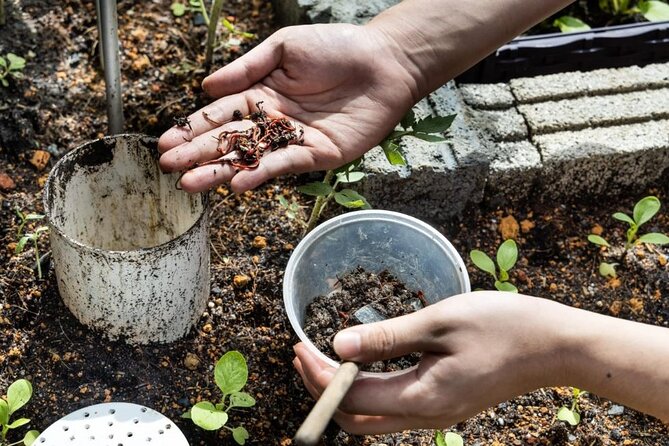
I’d point this tour toward travelers who want to understand food through the source. It fits especially well if you’re:
- A food lover who likes hands-on cooking
- Curious about sustainable agriculture and local ingredients
- Interested in classic Nepali dishes beyond restaurant meals
- Traveling with family or a small group and want a private format
Children are welcome but must be accompanied by an adult. There’s also free of cost for children up to 5 years (with valid ID). For families, that can make the experience easier to plan financially.
And because it says most travelers can participate, it’s generally friendly for a wide range of ages—though you should still expect normal movement during harvesting and cooking prep.
What to bring so the farm-to-plate day stays easy
You don’t need special gear, but a little prep helps. I recommend:
- Comfortable closed-toe shoes
- A light layer, since Nepal weather can shift
- A small bag for personal items while cooking
Also, if you’re particular about how you like your food, remember this is a classic Nepali menu built around what’s grown and cooked on site. If you have dietary needs, plan to ask the guide/chef how they handle preferences—but the tour data doesn’t list specific accommodations beyond the standard included meal.
Should you book this organic farm + Nepali cooking class?
If your idea of a great Pokhara day includes more than just views, I’d book it. This experience has a clear logic: learn organic farming, harvest ingredients, then cook and eat Nepali classics you actually handled. It’s focused, not scattered.
Choose it if you want:
- A private, guided experience
- A real lunch that’s part of the activity
- A cooking class led by a local chef using organic ingredients from the farm
Skip it if:
- You only want sightseeing and don’t care about farming or cooking
- You’re looking for a very flexible schedule with minimal time commitment
For many visitors, this is the type of tour that turns a meal into a memory you can recreate—at home, in your kitchen, with the same flavors you tasted in Pokhara.
FAQ
What time does the Pokhara Organic Farm Tour at Durku start?
The start time is 10:00 a.m.
How long is the tour?
It runs approximately 4 to 5 hours.
What’s included in the price?
The package includes hotel pickup and drop-off, private vehicle transfer, a local guide, bottled water, the organic farm visit with expert explanation, a local chef-led cooking class, and lunch (typically including dhido and gundruk, along with organic vegetables and salads).
Is the tour private or group-based?
It’s a private tour/activity. Only your group will participate.
Do you get a place to eat included lunch during the tour?
Yes. Lunch is included and it consists of the dishes you prepare during the cooking class.
Are souvenirs included?
No. Souvenirs like organic vegetables, fruits, or natural herbs are not included and are available to purchase separately.
What is the cancellation policy?
Free cancellation is offered if you cancel up to 24 hours in advance of the experience start time for a full refund. If you cancel less than 24 hours before, the amount paid is not refunded.