REVIEW · JOZANI CHWAKA BAY NATIONAL PARK
Zanzibar:Jozani forest, Spice farm with Swahili Cuisine clas
Book on GetYourGuide →Operated by WINGS TOURS 52 · Bookable on GetYourGuide
Red monkeys and spice smells in one easy loop. You get a guided walk in Jozani Chwaka Bay National Park, a mangrove stop to see how the trees survive, and then a farm day that mixes scent-and-taste spice education with a Swahili Cuisine cooking class.
I really like how hands-on the day feels: you’re not just looking at plants and spices, you’re learning what they do in Zanzibar food. I also love the animal time, especially the bright, friendly red colobus monkeys and the chance to spot smaller forest species like elephant shrews and chameleons.
One thing to consider: the spice farm part can feel like a lot of people are managing the visit and you may be asked for extra payments or purchases. If you hate being nudged to tip or shop, go in with cash ready and firm boundaries.
In This Review
- Key highlights worth planning for
- A 5-hour Zanzibar day built for animals and aromas
- Entering Jozani Chwaka Bay: red colobus monkeys up close
- Mangroves by the water: learning what makes them survive
- Shabuta Spice Farm: the tasting lesson that makes spices make sense
- The “human butterfly” coconut tree performance (and why it’s a morale boost)
- Swahili Cuisine cooking class: connect spices to real coastal flavor
- Pickup, route choice, and how timing affects your day
- Price and value: what you’re paying for, and what to budget
- Who this tour fits best (and who should skip it)
- Practical tips for photos, shoes, and a smooth day
- A note on guides: Othman and Hassan are part of the positive buzz
- Should you book this Zanzibar experience?
- FAQ
- How long is the tour?
- Where do pickups happen?
- Can I choose where the tour starts?
- What does the price include?
- Is food included?
- What languages is the live guide available in?
- What animals or wildlife are highlighted in Jozani?
- What spices do you get to smell or test?
- What should I bring?
- Who is this tour not suitable for, and what rules apply?
Key highlights worth planning for
- Jozani Chwaka Bay walk timed for red colobus monkeys and forest wildlife
- Mangroves lesson on how these salt-tolerant trees actually grow
- Shabuta Spice Farm tasting of cinnamon, cardamom, black pepper, ginger, vanilla, cloves, and more
- Coconut-climbing show with the “human butterfly” and a Hakuna Matata song
- Swahili cooking class that ties local spices to real coastal cooking
A 5-hour Zanzibar day built for animals and aromas
This tour is a well-paced hit of Zanzibar nature and food culture, wrapped into one afternoon. You’re outdoors for the key parts, first in the forest, then around the mangroves, and finally in a working spice plantation where you’ll smell and sample what you’re hearing about.
The big win is variety. One part is about seeing wildlife in the Jozani rainforest setting; the other is about using your nose and taste buds at the spice farm. Add a Swahili cooking class, and you end up with more than photos. You leave with a better sense of why coastal Tanzanian cooking leans so hard on spices.
The day runs about 5 hours, and it works best if you’re flexible about heat, dirt paths, and being a little time-bound between stops. Shoes matter here more than style.
Entering Jozani Chwaka Bay: red colobus monkeys up close
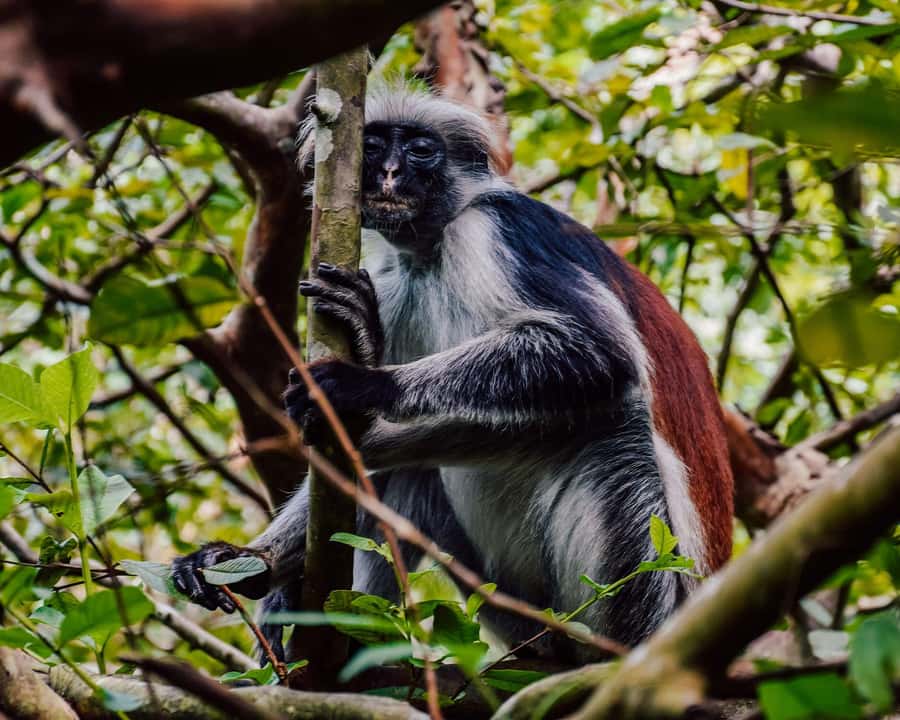
Jozani Chwaka Bay National Park is the centerpiece, and it’s where the tour earns its keep. You start with a guided walk through the forest, including a photo stop early on and then a guided walk of around 1.5 hours.
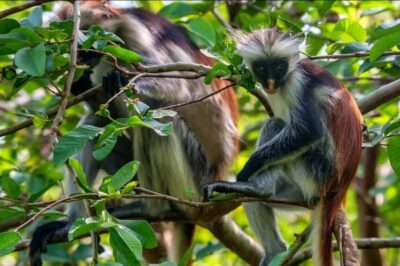
The star is the red colobus monkey. You’ll see why people get excited the moment they spot them: they’re described as friendly, and the guide explains their look and behavior in a way that makes them feel less like a random animal sighting and more like a character in the ecosystem.
A few traits you’ll hear about:
- they have four fingers and no thumb
- they show a white chest and a red back
- their diet focuses on green plants and young fruits/vegetables
You also get a chance at other small forest species. The tour specifically calls out animals like digidig, elephant shrew, and chameleons. You won’t control whether you see every single one, but the guide’s job is to point you in the right spots and help you slow down enough to notice.
A practical note: this is a forest walk, not a theme-park path. Bring comfortable shoes and expect uneven ground. If you can handle short walks in humid air, you’ll be fine.
Mangroves by the water: learning what makes them survive
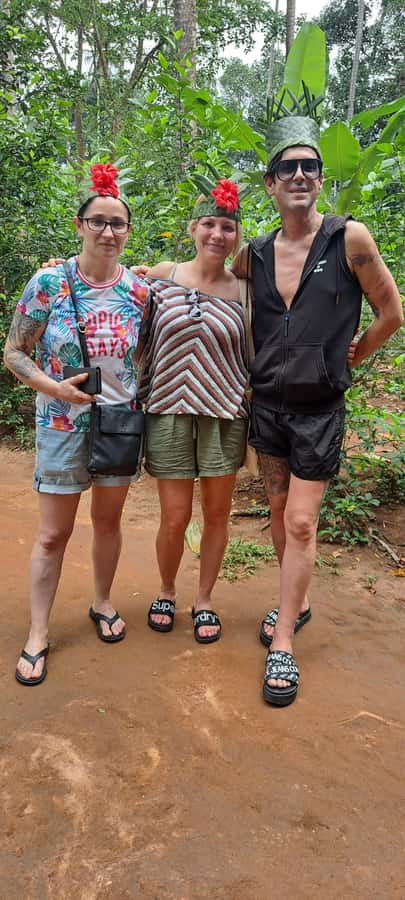
After the main forest time, you head to the mangrove area. This isn’t just a quick photo stop. The tour is built around learning how mangroves are grown and how they live in a tricky environment where water, salt, and roots all matter.
What makes mangroves interesting on Zanzibar is that they’re not “pretty trees by the sea.” They’re a real survival system. You’ll typically notice:
- dense root structures that help the tree handle water movement
- a sense that the area is built for slow, steady growth instead of open-air sprawl
The payoff for you is context. Once you’ve been shown how mangroves grow, you’ll see them differently back on the coast—less like background scenery and more like a living shoreline.
Shabuta Spice Farm: the tasting lesson that makes spices make sense
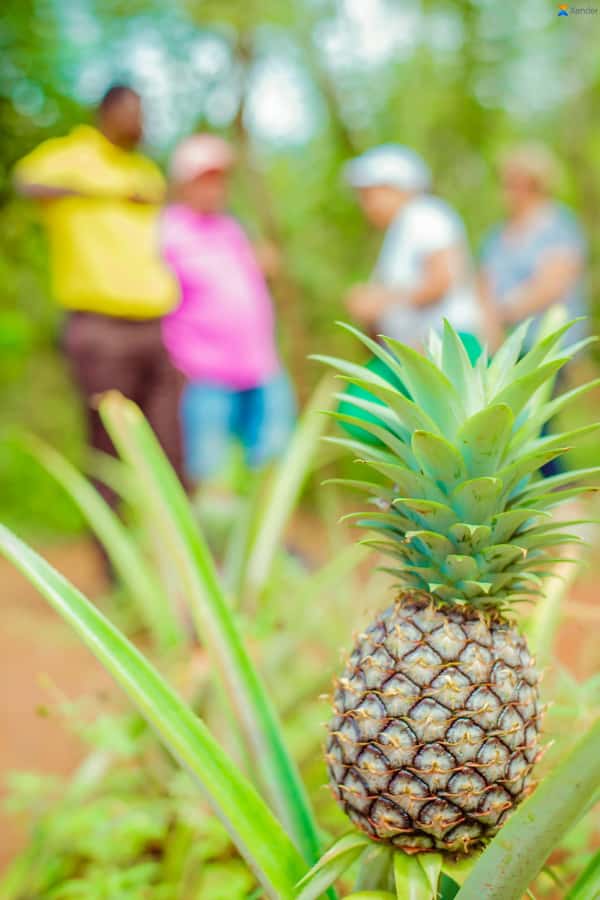
Next comes the spice plantation experience at Shabuta Spice Farm. This is where Zanzibar’s food reputation becomes real. Instead of just naming spices, you get chances to see, smell, and test them as you move around the farm.
The specific spices you’ll encounter include:
- cinnamon
- cardamom
- black pepper
- chili
- ginger
- vanilla stick
- lemon grass
- lemon mint
- turmeric
- nutmeg
- cloves
Here’s why this part matters: spices often sound abstract until you experience them through multiple senses. When you smell turmeric, ginger, or cloves right on the plant, it changes your mental picture. Then when you later taste something in the cooking class, you understand why people swear by these flavors.
The farm time includes breaks and free moments, plus more guided walking (again, about 1.5 hours). You’ll likely have multiple stops where different spices are highlighted one by one.
The “human butterfly” coconut tree performance (and why it’s a morale boost)
One of the most memorable moments is a coconut-tree show linked to the phrase “human butterfly.” You’ll see someone climb the coconut tree up to the top and then sing the Hakuna Matata song.
Even if you don’t care about performances, this is a useful reminder that Zanzibar isn’t only about nature. It’s also about daily skills and local entertainment woven into farm life.
Timing-wise, this kind of show can become a highlight of the whole day because it breaks up the more educational sections. It also gives you a simple “mental marker” so the tour doesn’t feel like one long lesson with no payoff.
Swahili Cuisine cooking class: connect spices to real coastal flavor
The tour includes a Swahili Cuisine cooking class, and that’s the piece that turns your spice knowledge into something you can actually use. Even without getting overly specific about recipes beforehand, you can expect the class to focus on local cooking logic: how ingredients are combined, how coastal flavors use spices, and how techniques fit Zanzibar’s cuisine habits.
What I like about this setup is that it makes the farm practical. You don’t just learn that cinnamon or ginger grows here. You get to see how those aromas show up in the way people cook.
If you like food travel, this class is the moment you’ll remember most when you later order Swahili-style dishes. You’ll catch spice behavior faster—like how heat and sweetness get balanced, or how citrusy notes often play with warming spices.
Pickup, route choice, and how timing affects your day
You’ll have pickup from one of several Zanzibar locations. The listed options include Stone Town, Zanzibar Island, Uroa, Pwani Mchangani, Nungwi, Kiwengwa, Paje, Michamvi, and Jambiani. After the tour, drop-off is available at a set of locations that includes Stone Town, Zanzibar Island, Pwani Mchangani, Michamvi, Jambiani, Paje, Uroa, Nungwi, and Kiwengwa.
You also get a meaningful choice: you can start at Jozani forest or spice farm, depending on how you want your day to feel. Starting with Jozani is a classic move if you care most about wildlife first. Starting with the spice side can feel smoother if you want the food experience to set the tone and keep momentum later on.
Because this is a short full-day loop (about 5 hours total), timing matters. If your body runs hot, you’ll feel every stop more. It’s smart to treat this as an active afternoon, not a casual sit-and-watch outing.
Price and value: what you’re paying for, and what to budget
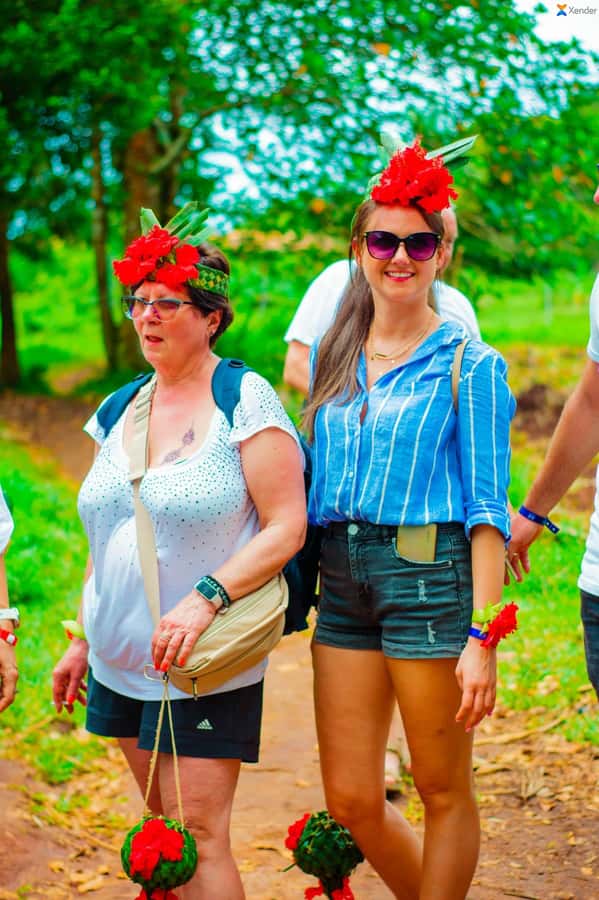
The price is $94 per person for a 5-hour experience. That can feel high or fair depending on what you compare it to.
Here’s what’s included:
- hotel pickup/transfer and return
- entrance fees
- guide fee
- government taxes
- bottled water
What’s not included:
- food and drinks (you can request lunch)
That means you should budget for at least a meal, unless you’re comfortable eating before or after. Also remember: you’ll be carrying cash (the tour advises it), which is a practical clue that extras may come up during the day.
One caution from real-world experience: the spice farm can include a strong “value add” structure where you’re guided through multiple small interactions and you may be asked for additional payments or purchases to see certain moments. I’m not saying you must spend more, but I am saying you should go in with your expectations clear. If you don’t want to be pressured, decide your limit before you arrive and keep it simple.
The best value from this day happens when you treat the forest and spice education as the main event, then choose any optional extras carefully rather than automatically.
Who this tour fits best (and who should skip it)
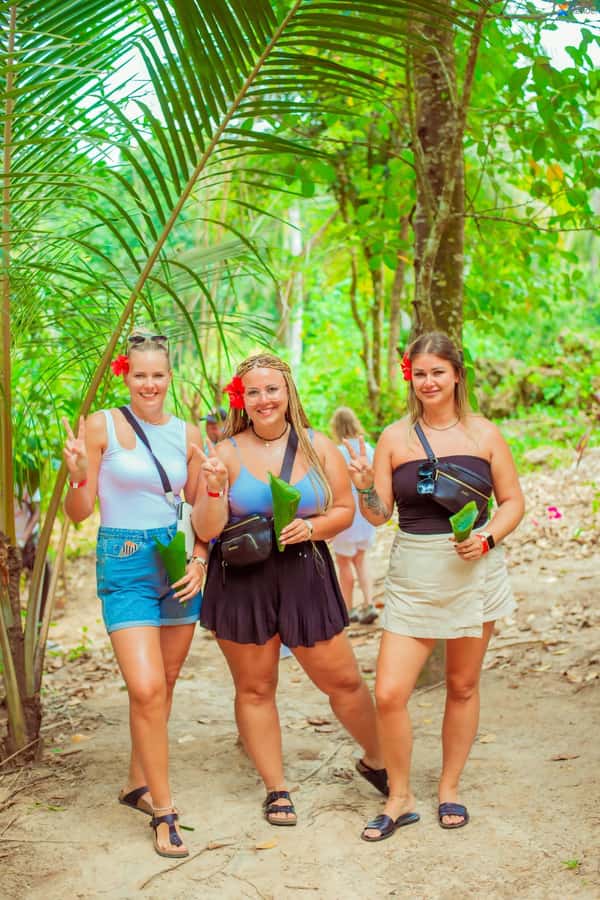
This is a strong choice if you want:
- a guided wildlife walk in Jozani
- hands-on spice education through smell and taste
- a cooking class tied to coastal flavors
- a short day that doesn’t require long transfers or overnight planning
It’s less ideal if you:
- have diabetes (the tour lists it as not suitable)
- are bringing a baby under 1 year (also listed as not suitable)
- are over 70 (listed as not suitable)
If you’re in that range but still want Zanzibar nature, consider a shorter, gentler alternative. For everyone else: wear shoes you can trust, drink water, and expect walking.
Practical tips for photos, shoes, and a smooth day
A few small choices will make this feel easier:
- Wear comfortable shoes with good grip for forest paths and farm ground.
- Bring a camera and accept that you may need to focus quickly when monkeys move.
- Bring cash. It’s specifically mentioned as something to have with you.
- Use layers if you run cold in shaded forest spots, even if Zanzibar feels warm overall.
- Skip alcohol and keep the day clean: alcohol and drugs are listed as not allowed, and littering is also not permitted.
If you care about animals, keep your phone away during the most crowded moments. Watch first, then photograph. The guide’s spotting skills matter more than raw camera zoom.
A note on guides: Othman and Hassan are part of the positive buzz
Good guides can make this tour feel personal. In the feedback I’ve seen associated with this route, names like Othman and Hassan show up linked with strong experiences—especially around explaining Zanzibar rainforest life and how spice culture connects to everyday cooking.
If you’re lucky enough to have one of those guides (or someone with the same approach), you’ll likely get clearer animal spotting and better spice explanations, which is where the tour turns from sightseeing into real learning.
Should you book this Zanzibar experience?
If you want one efficient day that mixes red colobus monkeys, mangrove education, real spice tasting, and a Swahili cooking class, this is a solid pick. It’s especially worthwhile if you like learning through senses, not just reading labels.
The main reason to think twice is the spice farm pressure factor. If you already know you dislike tip-and-shopping dynamics, go in with boundaries and be ready to say no.
My rule for booking: if you’re the type who can enjoy a guided day while keeping control of your spending, you’ll likely have a great time. If you want zero sales energy anywhere near your day, you might prefer a more strictly nature-focused tour.
FAQ
How long is the tour?
The tour duration is about 5 hours.
Where do pickups happen?
Pickups are offered from Stone Town, Zanzibar Island, Uroa, Pwani Mchangani, Nungwi, Kiwengwa, Paje, Michamvi, and Jambiani.
Can I choose where the tour starts?
Yes. You have an opportunity to choose where to start between Jozani forest or the spice farm.
What does the price include?
It includes pick up transport/transfer from your hotel and return, entrance fees, guide fee, all government tax, and bottled water.
Is food included?
Food and drinks are not included, but you can request for lunch.
What languages is the live guide available in?
The live tour guide is available in English, German, and French.
What animals or wildlife are highlighted in Jozani?
The experience focuses on red monkeys in Jozani and also mentions the possibility of seeing forest species like digidig, elephant shrew, and chameleons.
What spices do you get to smell or test?
The farm highlights cinnamon, cardamon, black pepper, chill, ginger, vanilla stick, lemon grass, lemon mint, turmeric, nutmeg, and cloves.
What should I bring?
Bring comfortable shoes, a camera, and cash.
Who is this tour not suitable for, and what rules apply?
It’s listed as not suitable for people with diabetes, babies under 1 year, and people over 70. Alcohol and drugs are not allowed, and littering is not permitted.