REVIEW · ORISTANO
Oristano: visit a farm with oil tasting
Book on GetYourGuide →Operated by Escursì · Bookable on GetYourGuide
A great olive oil lesson beats another hour of sitting. On this farm near Oristano, Anna and Antonella guide you under old trees and through real, working craft. You’ll taste multiple extra virgin olive oils from Sardinia and learn what makes them different, not just what they taste like.
I especially liked how clearly the guides explain the jump from olive to oil to quality. You also get hands-on organoleptic analysis training, so you’re not just drinking good oil—you understand how to recognize it. One thing to consider: this visit isn’t suitable for people with mobility impairments, and you’ll be on uneven farm surfaces.
In This Review
- Key Points at a Glance
- A Fifth-Generation Olive Oil Lesson Outside Oristano
- Under the Olive Trees: Cultivars, Harvest, Pressing, and EVO Care
- What to watch for during the grove walk
- The Quality Lesson: Extra Virgin vs Olive Oil vs Lampante
- A helpful way to think about it
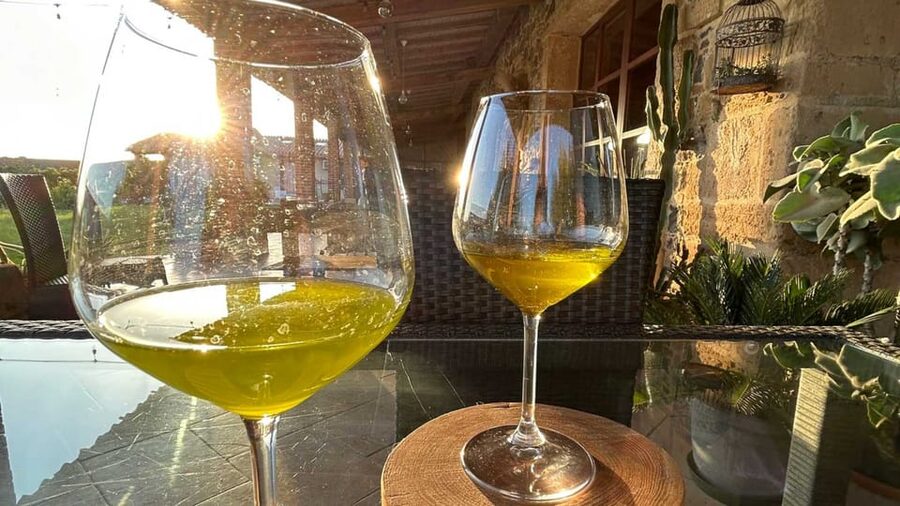
- Tasting in the Historic Manor House: What You Actually Get
- Bring your appetite, but stay curious
- Pairing Like a Pro: Bitter and Spicy Fruitiness With Real Dishes
- The Farm Behind the Bottles: Why This Setting Feels Different
- Timing, Pace, and Logistics That Affect Your Day
- Who Should Book This (and Who Might Skip It)
- Not ideal if…
- Pets
- Food Allergies, Vegetarian, and Vegan Options
- Value for Time: 1.5 Hours With Skills You Can Reuse
- Should You Book This Oil Tasting Farm Visit?
- FAQ
- Where is this olive oil farm experience located?
- How long is the experience?
- What languages are available for the live guide?
- What do you taste during the oil tasting?
- Do they explain the difference between oil types?
- Are there vegetarian, vegan, or allergy accommodations?
- Are pets allowed?
- Is it suitable for people with mobility impairments?
Key Points at a Glance
- Fifth-generation guides: Anna and Antonella teach with a family farming story, not generic facts.
- Historic, certified organic farm: Founded in 1857 and recognized by Unioncamere, producing award-winning EVO.
- Real cultivar education: You’ll meet Sardinia’s indigenous types, including Bosana, Nera di Villacidro, Sa Manna, and Semidiana.
- Quality training for your palate: You practice distinguishing extra virgin from olive oil and lampante via organoleptic analysis.
- Food pairing that makes sense: Oils are matched to bitterness/spice fruitiness and the farm’s dishes.
- Tasting includes more than oil: Seasonal vegetables, legume humus, country crostone, a chef surprise, plus water and local wine.
A Fifth-Generation Olive Oil Lesson Outside Oristano
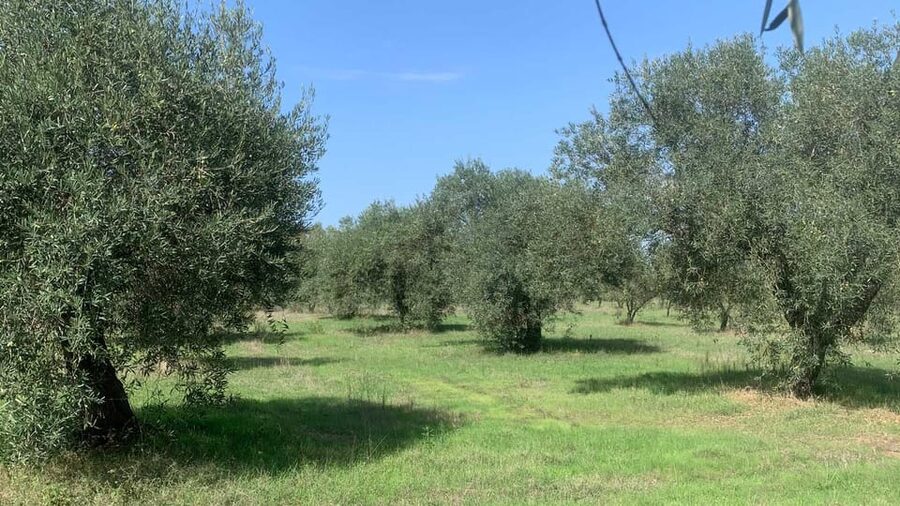
This experience takes place at a farm in Massama, a small village near Oristano. The setting matters. You’re not in a showroom or a tourist-proof room. You’re walking through olive growing country, then moving into a historic manor house to taste and learn.
What really gives this visit its edge is the teaching style. Anna and Antonella are fifth-generation oil and wine sommeliers, and they explain olive oil like it connects to land, weather, harvest choices, and how the oil behaves on your tongue. It’s the kind of tour where you come away able to talk about what you’re tasting, not just liking it.
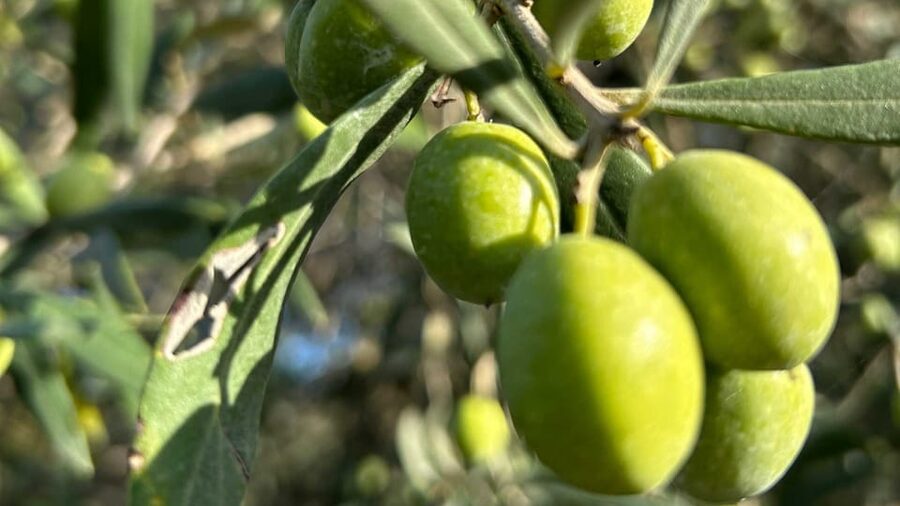
You also get a solid lineup of oils from indigenous Sardinian cultivars. That’s important because olive oil flavors aren’t interchangeable. On this farm, you’re tasting oils tied to specific plants: Bosana, Nera di Villacidro, Sa Manna, and Semidiana (known as typical of the Oristano area). If you’re the type who likes to understand why things taste different, you’ll be in your element.
Under the Olive Trees: Cultivars, Harvest, Pressing, and EVO Care
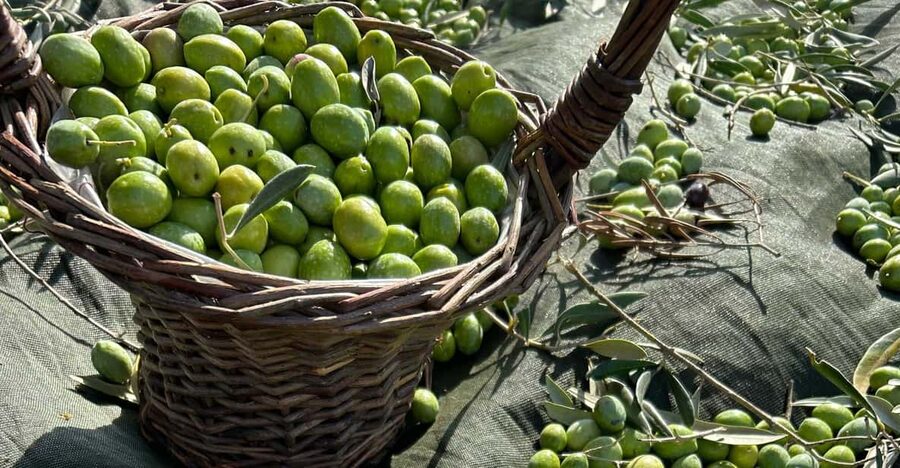
The visit begins where it should: in the olive grove. Expect a guided explanation of the Sardinian cultivars and what they bring to the final oil.
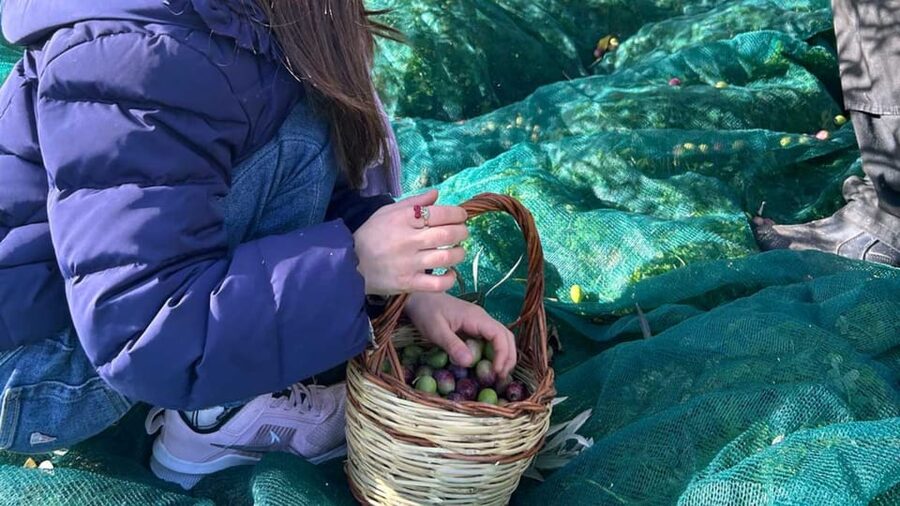
You’ll learn how olives are harvested and how they’re transported and pressed. That part sounds basic until you realize it’s exactly where quality gets made or lost. Timing matters. Handling matters. Pressing choices matter. And then comes preservation—how to keep the olive oil from aging too fast after it’s produced.
This is a farm tour, so the focus stays practical. You’re getting the chain of decisions that lead to a bottle of extra virgin. If you’ve ever wondered why two bottles labeled EVO can taste wildly different, this grove section is your starting point.
What to watch for during the grove walk
You’ll probably hear a lot of talk about plant type and how fruitiness shows up. When you’re tasting later, keep an ear open for how the guides describe bitter and spicy characteristics. Those words aren’t just for poets. They become tools for the pairing portion of the experience.
The Quality Lesson: Extra Virgin vs Olive Oil vs Lampante
After the grove education, you shift to tasting and analysis. This is where Anna and Antonella turn your senses into a measuring tool.
You’ll practice distinguishing extra virgin olive oil from olive oil and lampante oil using organoleptic analysis. In plain terms, that means learning to judge by what you smell and taste—guided step by step—rather than relying only on label language.
This part is a big deal if you’ve ever bought olive oil and thought, Is this really that different? Once you know what to look for and what good oil feels like in your mouth, shopping gets easier. You’re not trying to be a chemist. You’re learning to read your own palate.
A helpful way to think about it
Extra virgin is about quality you can sense: freshness, fruitiness, balance. Lampante is not meant for direct table use in the way you’re used to. Olive oil sits in between, depending on what’s been produced and processed. The tour helps you understand why those categories exist and what they mean for real taste.
Tasting in the Historic Manor House: What You Actually Get
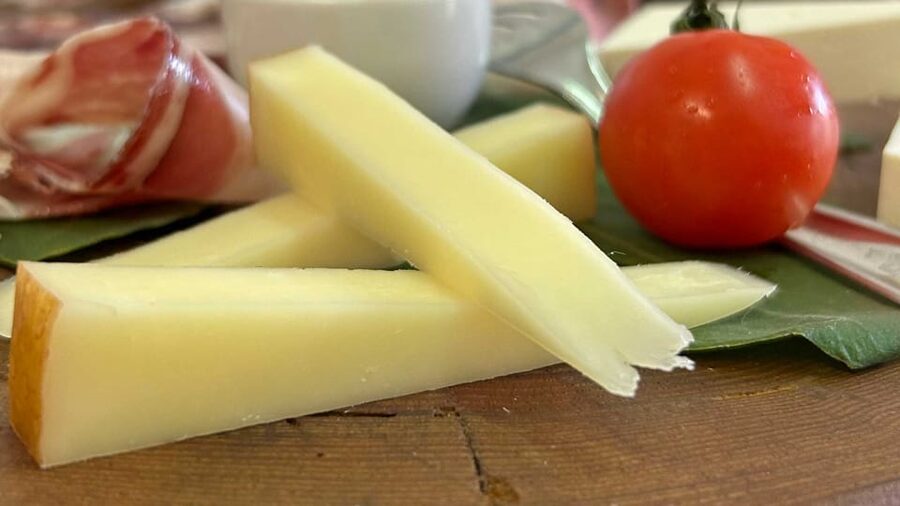
Once you’ve done the quality lesson, the experience moves into a historic manor house where tastings happen. This change of setting is useful. In the grove you’re learning agriculture. In the tasting room you’re concentrating on taste, aroma, and pairing.
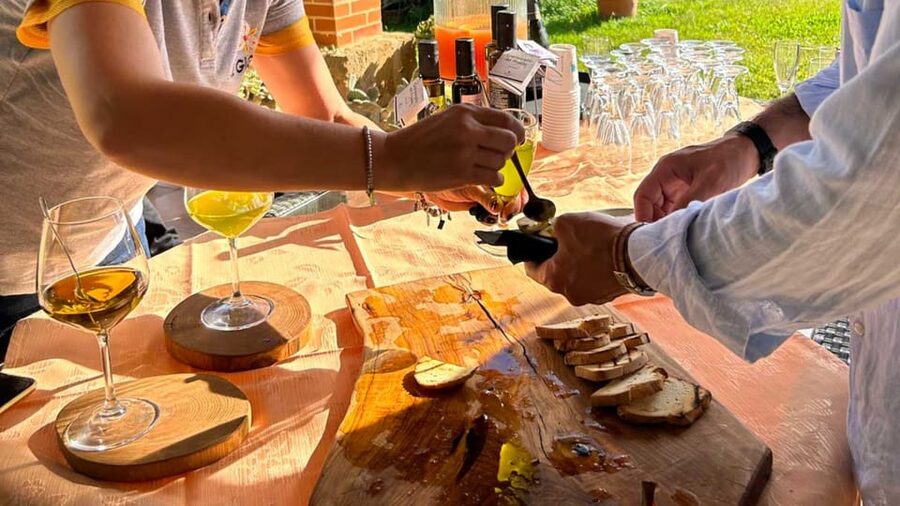
The tasting includes a range of items designed to show you how oil behaves with food:
- Country crostone
- Seasonal vegetables
- Legume humus
- A chef’s surprise
- Water
- A glass of local wine
That lineup is practical, not showy. It also gives you multiple textures to test against: crunchy bread, soft spreads, vegetables with their own bitterness, and a surprise dish that likely helps you notice how oil changes across flavors.
Bring your appetite, but stay curious
This is not a huge meal. It’s a tasting format. Plan to eat something modest before you go, or you might end up overwhelmed by how much flavor you’re sampling in a short 1.5 hours.
Pairing Like a Pro: Bitter and Spicy Fruitiness With Real Dishes
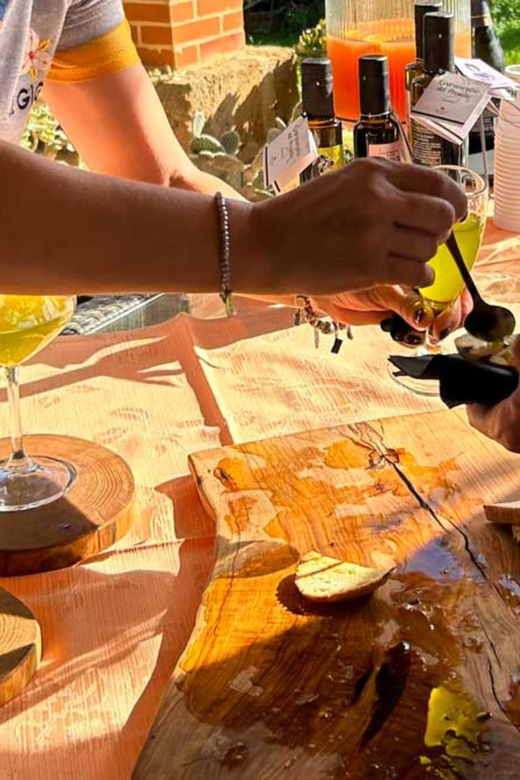
One of the best parts of the experience is that the pairing isn’t random. Anna and Antonella teach you how to match oils based on their characteristics—especially bitter and spicy fruitiness—to dishes prepared by the farm.
Here’s why that pairing lesson matters for you at home. Most people treat olive oil like a single product. But oils vary in intensity and in how they interact with salt, fat, bitter greens, legumes, and bread.
When the guides explain how bitter/spicy notes can complement or cut through food, you start thinking beyond taste. You start thinking about balance:
- bitterness can brighten certain flavors
- spice can add a peppery edge that makes simple dishes feel more alive
- fruitiness can echo the plant notes in vegetables and legumes
You don’t need fancy kitchen tools to use what you learn. You just need the instinct to choose a bolder or milder oil for the dish you’re making. That’s the kind of takeaway that lasts longer than souvenirs.
The Farm Behind the Bottles: Why This Setting Feels Different
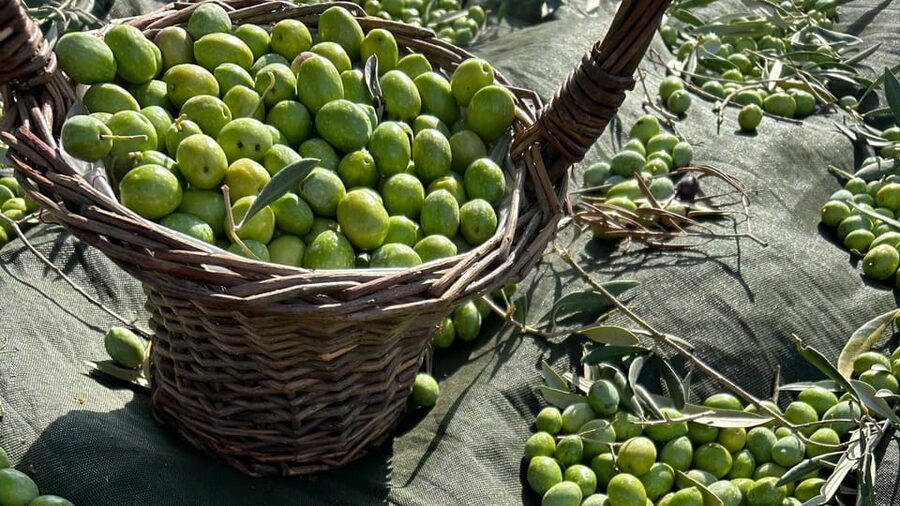
This farm was founded in 1857 and is recognized as a historical enterprise by Unioncamere. It’s also certified organic, and it produces award-winning extra virgin olive oil.
Why I think that matters for your experience: it gives you credibility. You’re not just touring for entertainment. You’re seeing a working production system. And because the farm uses indigenous Sardinian cultivars, you’re tasting oils tied to place, not just imported varieties that might be grown anywhere.
Also, the guides are family members who live the farming heritage daily. That tends to change the tone of the tour. Instead of lecturing, they tell you how decisions are made and why the farm cares.
Timing, Pace, and Logistics That Affect Your Day
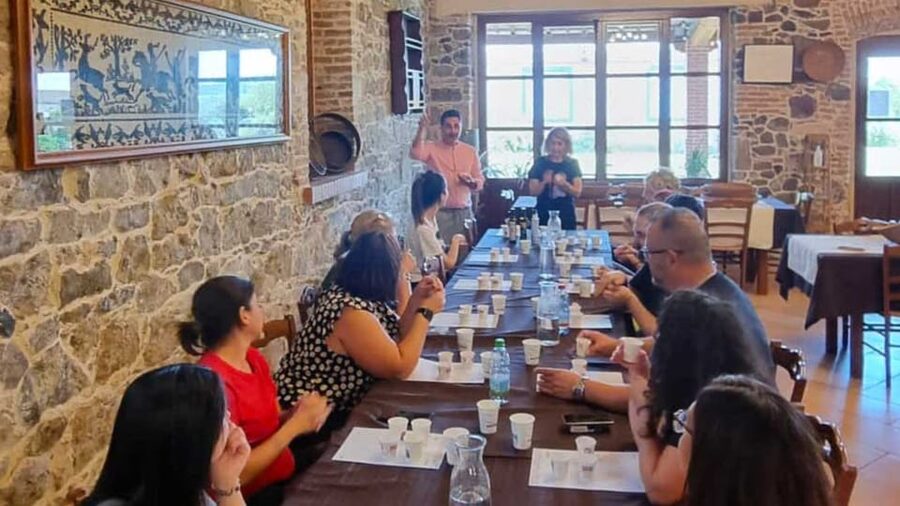
The duration is 1.5 hours, with availability at different starting times. That’s a sweet spot. It’s long enough to learn the basics of cultivars and pressing, practice oil quality recognition, and still sit down for a food-and-wine tasting. It’s short enough that you can still enjoy the rest of your day around Oristano.
Since the experience takes place partly outdoors and the farm involves processing areas, think about comfort:
- Wear comfortable clothes
- You may be walking on farm paths, so choose shoes with grip
Who Should Book This (and Who Might Skip It)
This experience is a great fit if you want more than a sip-and-smile tasting. You’ll enjoy it if you like hands-on learning, food pairing, and understanding the why behind flavor.
It’s also a strong choice if you’re into cooking and want a practical way to upgrade your olive oil habits. After learning to distinguish extra virgin from other categories and pairing by bitterness/spice fruitiness, you’ll likely feel more confident buying oil back home.
Not ideal if…
- You have mobility impairments (this activity is not suitable)
- You prefer purely indoor, low-walking experiences
Pets
Pets are allowed on leashes both outside and inside the facility, except in processing rooms or where food is handled, as long as they’re docile.
Food Allergies, Vegetarian, and Vegan Options
If you have dietary restrictions, you’re covered—if you notify the provider ahead of time. Allergy accommodations and vegetarian/vegan alternatives are available with prior notification at least two days before the experience (using the number on the reservation voucher).
That’s worth planning for. Olive oil tastings often include bread, spreads, and local wine, so it’s best not to assume the kitchen will automatically know what you need.
Value for Time: 1.5 Hours With Skills You Can Reuse
Even without talking about price, you can judge value by what you leave with. In this case, you get:
- cultivar and production education (grove plus pressing explanation)
- sensory training to recognize quality categories using organoleptic analysis
- a guided pairing system tied to bitter/spicy fruitiness
- a tasting that includes food and local wine
That mix is efficient. You’re not spending your time on one note. You’re building a small skill set that helps you choose better olive oil and pair it more thoughtfully.
The best part is that the guides teach you how to notice, not just what to taste. That’s what makes the experience feel like more than a stop on a day trip.
Should You Book This Oil Tasting Farm Visit?
Book it if you want an authentic olive oil experience near Oristano with real production context. The combination of fifth-generation guides, training on extra virgin versus olive and lampante oils, and food pairing based on bitter and spicy fruitiness is exactly the kind of knowledge that sticks.
Skip it if you need step-free access or you dislike outdoor farm walking. Also, if you’re only looking for casual background ambiance and not learning, you might find the analytical tasting part a bit more focused than you want.
If you’re excited by the idea of tasting multiple Sardinian cultivars and understanding what you’re sensing, this is one of those tours that makes you look at olive oil differently afterward.
FAQ
Where is this olive oil farm experience located?
It takes place at a farm in Massama, a village near Oristano, Sardinia.
How long is the experience?
The duration is 1.5 hours.
What languages are available for the live guide?
The live tour guide is available in Italian and English.
What do you taste during the oil tasting?
The tasting includes country crostone, seasonal vegetables, legume humus, a chef’s surprise, water, and a glass of local wine.
Do they explain the difference between oil types?
Yes. You’ll learn to recognize extra virgin olive oil from olive oil and lampante oil using organoleptic analysis.
Are there vegetarian, vegan, or allergy accommodations?
Vegetarian and vegan alternatives, and allergy accommodations, are available with prior notification at least two days before the experience.
Are pets allowed?
Pets are allowed on leashes both outside and inside the facility, except in processing rooms or where food is handled, as long as they are docile.
Is it suitable for people with mobility impairments?
No. The activity is not suitable for people with mobility impairments.