REVIEW · HELLA ICELAND
The Old Turf Farm at Keldur: Want to Travel Back in Time?
Book on GetYourGuide →Operated by National Museum of Iceland · Bookable on GetYourGuide
Old Iceland felt close at Keldur. This preserved turf farm lets you see how people lived for centuries using turf houses and farm buildings built right into the ground. I also love that the experience isn’t just about architecture—it explains how everyday life and even conflict shaped the place, including a tunnel connected to the main hut.
My other favorite part is the setting and layout: the farm is among the largest preserved turf farms in south Iceland, so you get more to look at than the usual one-room exhibit. One drawback to plan around: the visit is only 50 minutes, so you’ll want to show up ready to move, ask questions, and soak it in fast.
In This Review
- Key points to know before you go
- What you’re really stepping into at Keldur
- Turf houses: the earth-built shelter logic
- The underground tunnel and why conflict shaped the plan
- Outhouses and the working-farm feel
- How the 50-minute tour actually feels
- Price and value: what $18 buys you
- Getting to Keldur: a car makes it easy
- Practical tips so the visit goes smoothly
- Who this tour is best for
- Should you book the Old Turf Farm at Keldur?
- FAQ
- What is the duration of the Keldur turf farm tour?
- How much does the Old Turf Farm at Keldur cost?
- Where is Keldur located for driving directions?
- Do I need a car to reach Keldur?
- When are the guided tours available?
- What languages are the guides?
- What’s included in the ticket price?
- Is skip-the-line entry available?
- Are large bags or luggage allowed?
- How early should I arrive before the tour?
Key points to know before you go
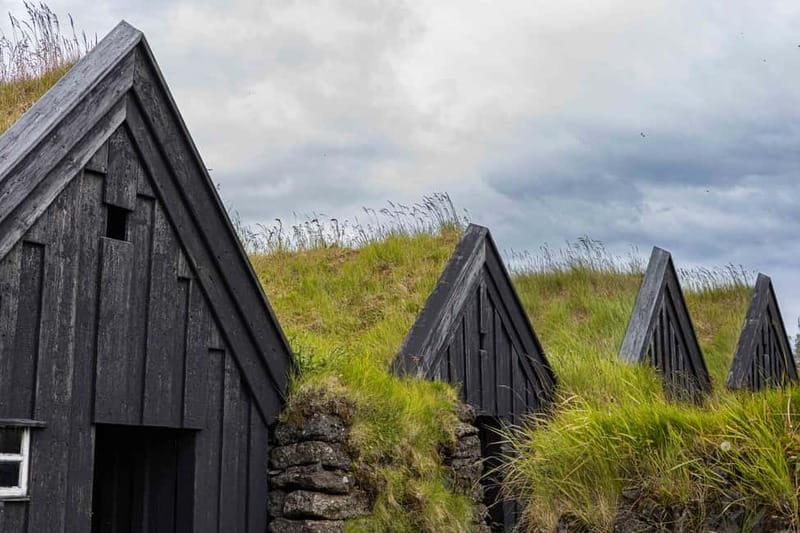
- Largest preserved south-Iceland turf farm: more buildings to understand, not just one lonely hut.
- Turf architecture that blends into the earth: you’ll see how the design uses natural materials for shelter.
- Underground tunnel tied to the 12th or 13th century: a major clue to survival during conflict.
- Outhouses you can still picture as a working farm: not just a photo stop.
- English and Icelandic live guided tour: explanations come from a real guide, not a screen.
- Two tour times daily in season: 11:00 and 15:00 during the open dates.
What you’re really stepping into at Keldur
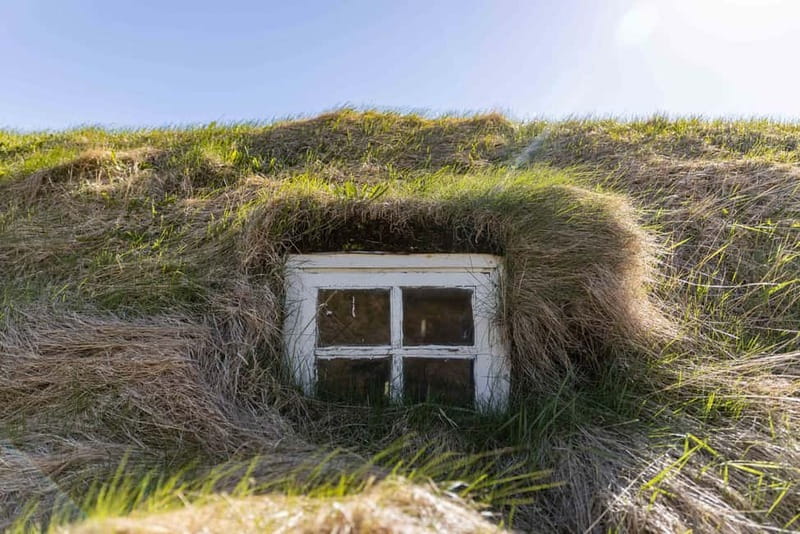
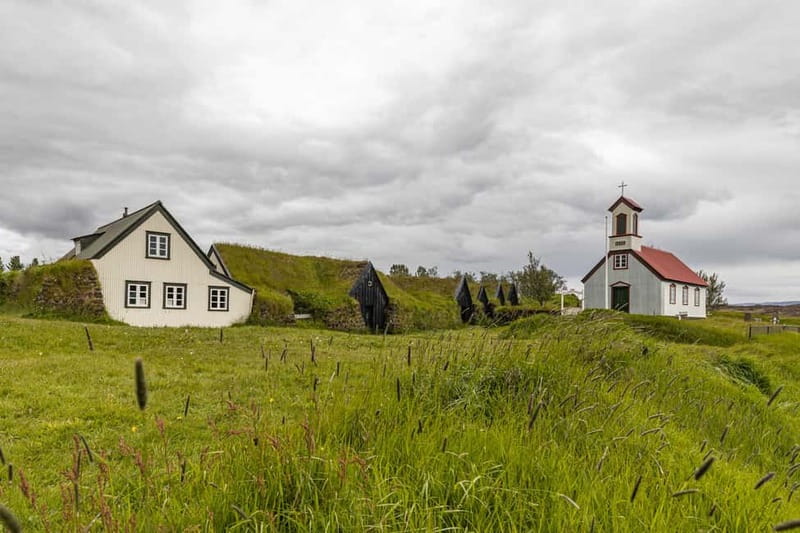
Keldur isn’t a themed “history room.” It’s an old Icelandic turf farm that still feels like a farm—earth, buildings, and layout that make sense together. For centuries, turf houses were the homes of most Icelanders, and at Keldur you get a clear example of how this building style worked in real life.
The National Museum of Iceland owns the site, and that matters. You’re not wandering through something random; you’re visiting a preserved place curated for understanding. At $18 per person for a guided visit, you’re paying for access plus interpretation—someone telling you what you’re looking at and why it mattered.
If you like history, but you also like practical details (how people actually lived, not just dates), this kind of stop hits the sweet spot.
Turf houses: the earth-built shelter logic
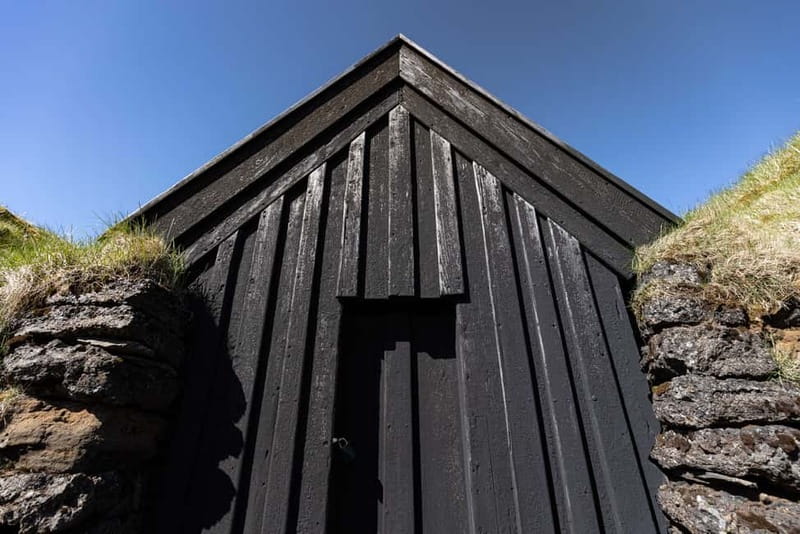
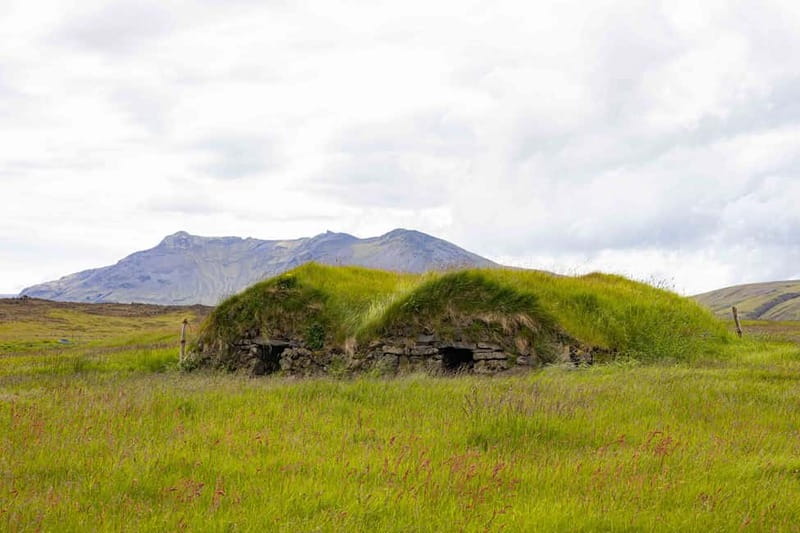
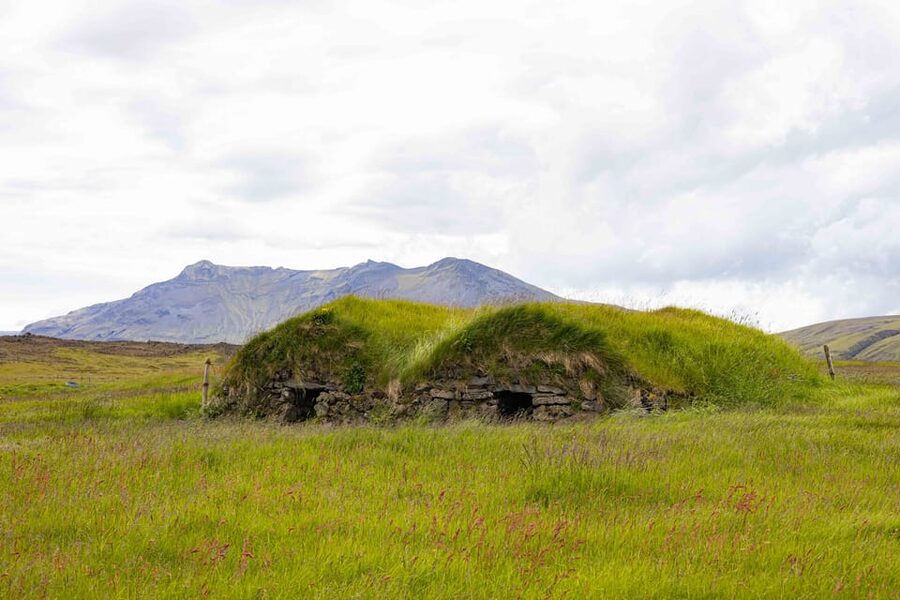
The main thing you’ll notice at Keldur is the material logic. Turf farms weren’t about fancy building. They were about building with what the land offered and keeping a home functional through Iceland’s tough weather.
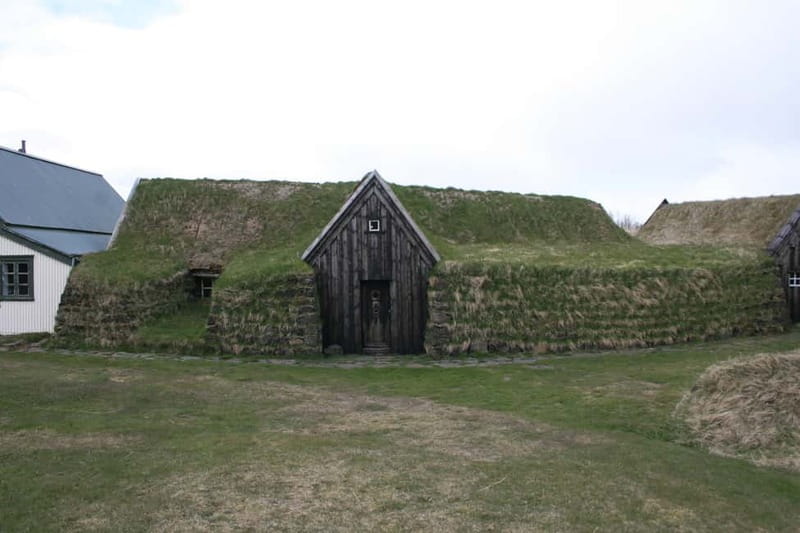
A turf house is designed so the turf layer helps with insulation, and the whole structure reads like part of the hillside. That’s why Keldur’s turf farm feels so natural to the eye: the buildings sit as if they belong in the same space as the ground they’re built on. You’re learning a building method that let ordinary families live there for generations.
During the guided tour, you’ll connect the dots: what you’re seeing isn’t only walls and roofs. It’s how a household could survive long enough to make farming and daily routines possible. That’s the real value of a guided stop here—you get the meaning behind the construction.
The underground tunnel and why conflict shaped the plan
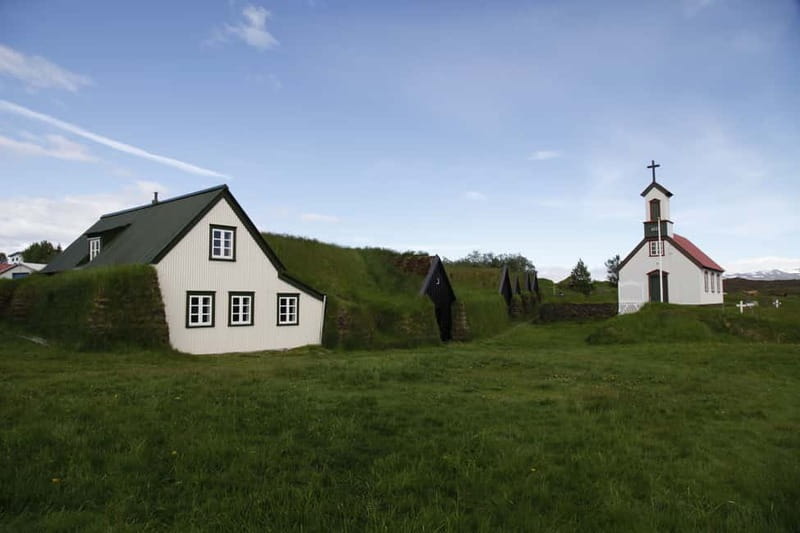
One of the most interesting details at Keldur is the underground tunnel. From the hut, there’s a tunnel thought to date from the 12th or 13th century, and it’s believed to have been built during a time of conflict.
Even if you don’t memorize every historical date, this single feature changes how you view the whole farm. It suggests the household wasn’t always thinking only about farming cycles. People also had to plan for danger, and that planning shows up in the architecture.
In a 50-minute visit, you probably won’t get a movie-length explanation, but the guide will give you the core idea: the farm plan included ways to cope with threats. For me, that’s what turns turf architecture from “cool old building” into “real survival technology.”
Outhouses and the working-farm feel
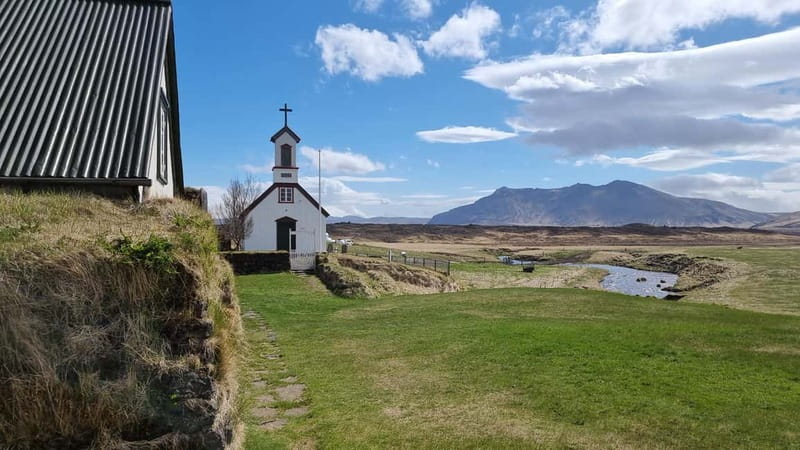
This is one of the reasons I’d rate Keldur higher than a quick photo stop: several outhouses have been preserved. That means you’re not only studying the main hut; you’re seeing more of what made it a working home and farm.
Outhouses matter because they help you visualize day-to-day life. You start to understand how space was used around the main dwelling. Where activities happened. How the household could run without everything happening inside a single room.
And because the farm is one of the largest preserved turf farms in south Iceland, there’s enough to connect the farm layout to the story the guide is telling. If you like small details—doors, structures, the way buildings sit together—this is the kind of stop where they actually pay off.
How the 50-minute tour actually feels
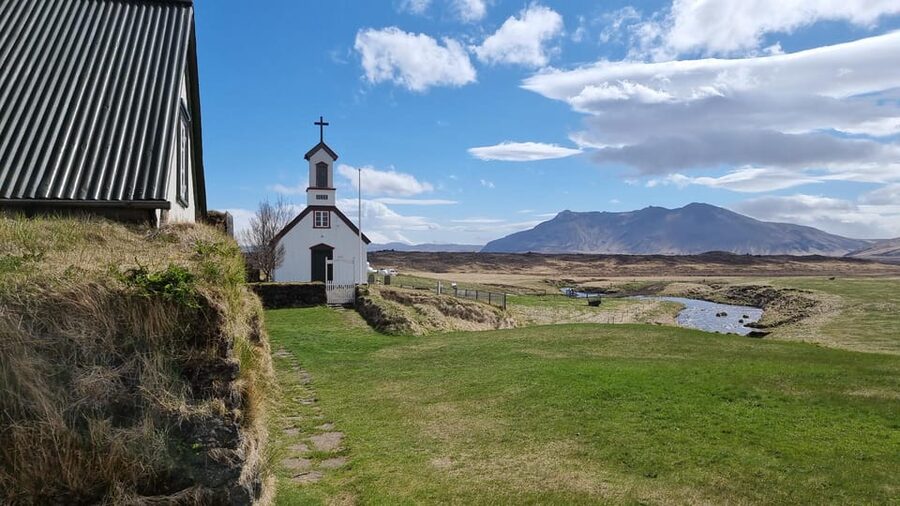
The entire visit is about 50 minutes, with tours running at 11:00 and 15:00 every day during the open season. That timing is ideal for people who want history without losing an entire morning or afternoon.
The pace is also worth planning for. You’re asked to be at Keldur at least 15 minutes before the tour starts. That early arrival matters because you’ll want time to settle in and avoid stress right before the guide begins.
During the tour, you’ll move through the preserved buildings and hear the explanations in English (and Icelandic as well). The format is a live guided walk, not a self-paced museum loop, so you’ll get more context than signage alone.
Price and value: what $18 buys you
$18 per person sounds simple, but it’s really about what you’re paying for. Here, the value is split into three parts:
- Access to a preserved turf farm owned by the National Museum of Iceland
- A live guide who explains the architecture and the purpose of key features like the tunnel
- Two included guided tour times daily in season, so you can match your day trip
If you’re already spending hours driving through South Iceland, this is a good use of time: it’s short enough to fit into a tight itinerary, but meaningful enough to feel like an actual “I learned something” stop.
I’d consider it especially good value if you enjoy learning how people lived—because the guide’s job is to translate the buildings into human routine.
Getting to Keldur: a car makes it easy
Keldur is set in southern Iceland, and the simple fact is this: you need a car. There isn’t enough detail here to suggest alternative transport, so plan on driving yourself.
Here’s the route the site uses:
- On Road 1, between Hella and Hvolsvöllur, take Road 264 (north of Road 1).
- After a few minutes, look for the Keldur sign.
If you’re the type who hates last-minute navigation stress, this is another reason to arrive early. Even a short drive can feel longer when you’re watching for the turn and keeping track of rural road names.
Practical tips so the visit goes smoothly
A few rules and small realities can make your tour feel better:
- No luggage or large bags are allowed. If you’re road-tripping with a camera bag or daypack, keep it light and manageable.
- Plan to be there at least 15 minutes early so you can check in and get settled before the guide starts.
- Since the tour is only 50 minutes, don’t treat it as a wandering museum. Bring questions if you have them, and focus on what the guide points out.
Also, I’d time it so you’re not rushed right afterward. The whole point is to slow down and read the farm with your eyes—what the buildings are made of, how they relate, and what the tunnel detail suggests.
Who this tour is best for
This is a great fit if you:
- enjoy Icelandic architecture and want to see the real materials and layout
- like history that connects to daily living, not just big-name events
- want a short guided activity that still feels substantial
It’s less ideal if you:
- need a long, unhurried experience with lots of free time
- prefer completely self-paced sightseeing (this is guided, with a specific tour time)
Should you book the Old Turf Farm at Keldur?
I’d book it if your goal is to understand how ordinary Icelanders lived—really lived—using turf houses as shelter, and if you want an explanation of standout features like the 12th/13th-century tunnel. The short 50-minute format makes it easy to fit into a day in South Iceland, and the fact that it’s run with a live guide (English available) boosts the value.
Skip it only if you’re mostly after sweeping views and want something less structured. Keldur is about reading a place through its buildings and purpose. If that sounds like your kind of stop, this one delivers.
FAQ
What is the duration of the Keldur turf farm tour?
The tour lasts about 50 minutes.
How much does the Old Turf Farm at Keldur cost?
The price is $18 per person.
Where is Keldur located for driving directions?
It’s in South Iceland. From Road 1 between Hella and Hvolsvöllur, take Road 264 north of Road 1, then follow the Keldur sign after a few minutes.
Do I need a car to reach Keldur?
Yes. Guests need a car to get to Keldur.
When are the guided tours available?
The farm is open daily from June 1st to August 30th, with guided tours at 11:00 and 15:00 every day during those dates.
What languages are the guides?
Live tour guides are available in English and Icelandic.
What’s included in the ticket price?
Your ticket includes entry to the old turf farm and a guided tour at 11:00 or 15:00.
Is skip-the-line entry available?
Yes, the experience includes skip-the-ticket-line access.
Are large bags or luggage allowed?
No. Luggage or large bags are not allowed.
How early should I arrive before the tour?
You’re recommended to arrive at Keldur at least 15 minutes before the tour begins.