REVIEW · MEDELLIN
Comuna 13 & Coffee Farm Private Tour in Medellin | The Best Combo
Book on Viator →Operated by MedellinDayTrips · Bookable on Viator
Two Medellín stories in one day. This combo blends Comuna 13 street art with the famed electric escalators, plus a hands-on family coffee farm. It’s the kind of itinerary that helps you understand how Medellín looks now, and why it got here.
One part that consistently lands well is the mix of meaning and movement in Comuna 13. You’re not just looking at murals, you learn what the art refers to as the neighborhood evolved.
The other big win is the coffee portion: you get context from a coffee expert, then you plant, pick, process, and taste. The main consideration is simple: there’s walking and some steep terrain, so plan for a moderate physical fitness day.
In This Review
- Key highlights you’ll actually care about
- Comuna 13 electric escalators and murals with real context
- What to expect (and the one thing to watch)
- Coffee farm immersion: from seed planting to roasted grounds
- Tastings that help you notice flavor
- Guides you might learn from
- How the private combo works in your day (8 hours that don’t feel rushed)
- One thing to plan around: no breakfast
- Price and value: is $150 per person a fair deal?
- Who should book this Medellín day and who should skip it
- Small tips to make the most of both stops
- Should you book this Comuna 13 and coffee farm combo?
- FAQ
- How long is the Comuna 13 & coffee farm private tour?
- Where do you get picked up and dropped off?
- What is included in the price?
- Is the Comuna 13 admission ticket included?
- Is breakfast included?
- What coffee activities are part of the farm tour?
- Do you taste coffee during the tour?
- Is this a private tour?
- Is the tour weather dependent and what’s the cancellation policy?
Key highlights you’ll actually care about
- Electric escalators in Comuna 13: a real engineering landmark that replaced more than 350 steep stairs
- Street art with explained meaning: you learn the stories behind the murals, not just the photos
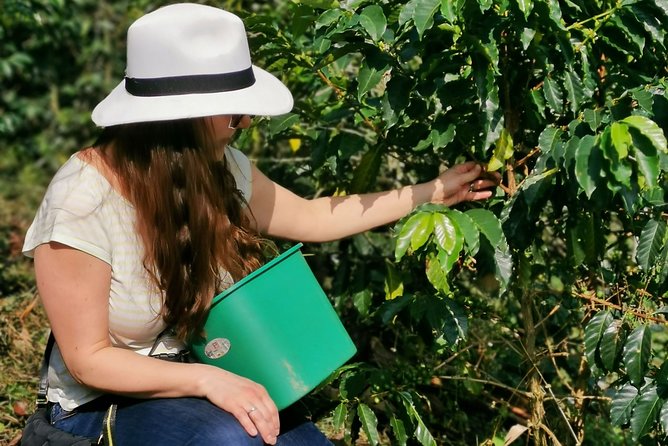
- Family-run coffee farm set on a hillside: you see the full path from coffee plant to roasted grounds
- Hands-on steps: you plant a coffee seed, try the bean as a fruit, and pick beans from trees
- Multiple brewing tastings: you compare flavor notes and learn how to taste each method
- Lunch centered in the middle of both experiences: you’re fueled for the day instead of rushed through it
Comuna 13 electric escalators and murals with real context
Comuna 13 is where Medellín’s history hits your eyes. It’s also where you can see progress in a very literal way: the neighborhood is famous for the first outdoor electrical escalators in the world. These escalators weren’t built for style. They cost around 3.5 million USD and were designed to save more than 350 stairs on a steep hillside.
That’s why this stop feels more than scenic. When the escalators roll and people move through the slope faster than walking, you instantly understand what “access” changed in everyday life. It’s one of those details that sounds technical until you’re standing there and feeling how the place works.
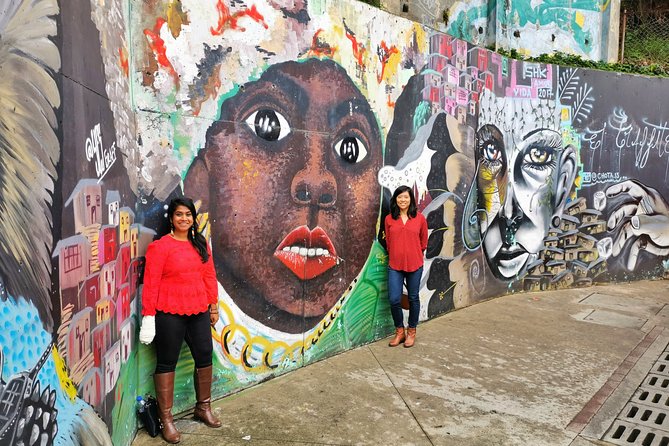
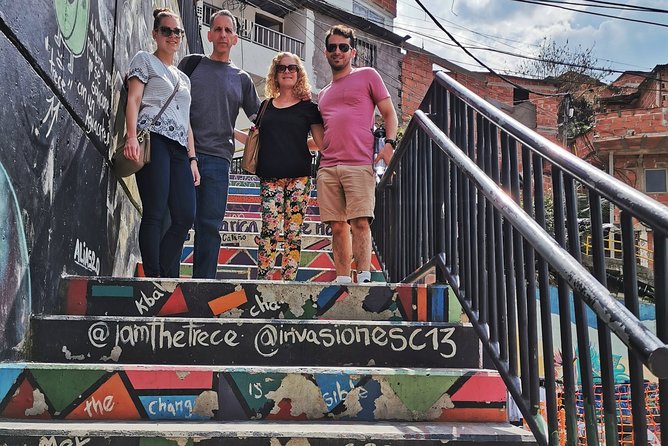
The street art is the other star. About half of the neighborhood shows meaningful graffiti, and the tour experience is built around understanding the references. Instead of hearing vague commentary, you get help connecting murals to the district’s past and its ongoing future. You’ll see the art you came for, but you’ll also understand why certain pieces exist and what they’re responding to.
Practical tip: if your schedule allows, start early. In the best experiences, the first hours are calmer, with fewer vendors around, so you can focus on the artwork and take photos without constant interruptions. Ask your guide about the best timing during the day.
You can also read our reviews of more tours and experiences in Medellin.
What to expect (and the one thing to watch)
This is a guided stop of around 2 hours, with admission included. Expect walking and looking around on uneven ground. Comuna 13 is also not a “sit and watch” kind of place, so comfortable shoes matter.
Coffee farm immersion: from seed planting to roasted grounds
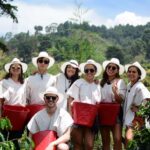
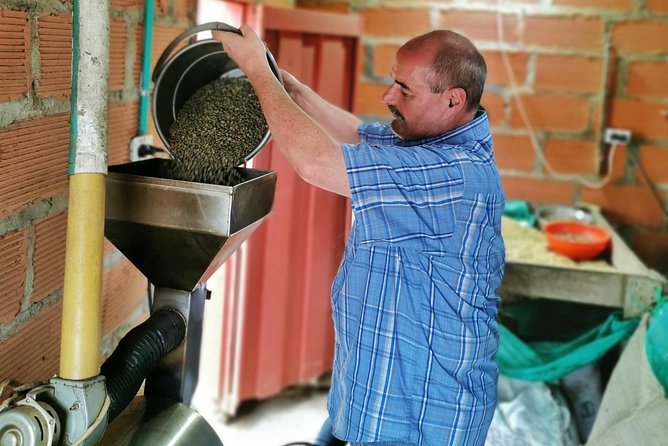
After the urban energy, you switch to hillside farm life. The coffee stop takes about 4 hours, and it’s hosted by a family operation producing around 2 tons of coffee each year from about 14,000 plants. That scale helps you understand why coffee is both an agricultural job and a long-term craft, not just a beverage routine.
Before you touch anything, you get an introduction from the coffee expert. This part matters because it sets the frame for what you’ll see next. You’ll get context about how coffee fits into the industry and how the coffee plant changes over time, which makes the rest of the tour feel like a process instead of a series of random tasks.
Then you get the hands-on moments that make it stick:
- You plant a coffee seed.
- You try the bean as a fruit (so you experience what’s happening before the coffee ever becomes a drink).
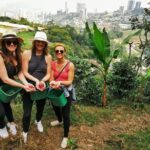
- You head to the plantation to pick coffee beans from the trees.
From there, you move through processing steps step by step until the coffee is roasted and ground. Even if you’ve toured farms before, the power here is the sequence. You can compare what comes next, instead of guessing at how it all connects.
Tastings that help you notice flavor
This isn’t just a sip-and-smile part. You’ll try coffee using different brewing methods so you can compare flavor notes and understand how each device changes what you taste. The guide will also talk you through where in your mouth to place the coffee to get better feedback on flavors. It’s a small detail, but it turns coffee tasting from random preference into something you can actually learn.
Lunch lands in the middle of the day, which keeps the energy steady. In the best version of this route, lunch is a bandeja paisa style meal, and you may notice ingredients coming straight from the farm such as avocado and eggs, along with the leaves used for wrapping.
Guides you might learn from
Names you may hear along the way include Alejandro for the coffee expertise and Daniel for both the Comuna 13 storytelling and the smooth flow of the day. In one memorable run, Daniel even shared a local snack: a green mango and passionfruit popsicle served with lime juice and salt for dipping. If that kind of small local add-on matters to you, this tour format tends to deliver.
How the private combo works in your day (8 hours that don’t feel rushed)
This is a private tour, so it’s only your group. That usually means fewer waiting gaps and more flexibility for questions, photo stops, and pacing.
Pickup and drop-off are in El Poblado or Laureles, in an air-conditioned vehicle. For many people, that’s a big quality-of-life win. You’re not spending part of your day figuring out transport between two very different settings: a dense neighborhood with street art and a hillside farm outside the urban core.
The day is designed around two anchor blocks:
- Comuna 13 lasts about 2 hours with ticket included.
- The coffee farm lasts about 4 hours with coffee farm tour fees covered and lunch included.
That leaves time for the drive and the in-between rhythm. If you’re trying to do a lot in one Medellín day, this combo is built for it.
One thing to plan around: no breakfast
Breakfast isn’t included. Because the schedule has you active early, it’s smart to eat before pickup and bring water if you know you get thirsty.
Price and value: is $150 per person a fair deal?
At $150 per person for roughly 8 hours, the value depends on what you want from Medellín in the time you have.
Here’s what’s doing the heavy lifting in that price:
- Private, air-conditioned transportation
- Pickup and drop-off in El Poblado or Laureles
- Admission ticket included for Comuna 13
- Coffee farm tour fees included
- Lunch included
You’re also paying for something harder to price: quality interpretation. Comuna 13 street art is better with context. Coffee tasting is better with a guide who can explain what you’re seeing and help you notice differences between brewing methods.
If you’re short on time, the combo is also efficient. Instead of booking two separate half-days and dealing with coordination, you get one smooth plan that moves from neighborhood history to agricultural practice, with food in the middle.
A small scheduling note: this tour is often booked about 16 days in advance on average. If you want a specific date, don’t wait until the last week.
Who should book this Medellín day and who should skip it
This combo fits best if you want two distinct sides of Antioquia in one shot:
- First-time Medellín visitors who want a meaningful street-art experience rather than only landmarks
- People who like learning with hands-on activities, especially in food and drink
- Couples or small groups who appreciate private guidance and a comfortable ride
You should consider a different style of tour if you know you struggle with walking on steep or uneven terrain. Comuna 13 and the coffee harvest steps both involve physical movement, and the farm setting adds its own uphill logic.
Small tips to make the most of both stops
Here are the practical things that improve your day without turning it into homework.
For Comuna 13:
- Wear shoes you trust on uneven ground.
- Bring a phone/camera and expect lots of stops for photos, especially early when the area is calmer.
- Pay attention when the guide explains what the artwork refers to. It turns the murals into a story you can follow.
For the coffee farm:
- Go in ready to taste and compare, not just drink coffee.
- Ask questions about what the processing steps change. Even simple answers help you connect the dots.
- If they provide rubber boots and harvesting gear (common in this kind of farm activity), don’t fight the process. It’s there to keep you comfortable while you work.
Should you book this Comuna 13 and coffee farm combo?
Yes, if you want a full day that blends meaning with hands-on learning. The Comuna 13 portion gives you the escalators and murals with the stories behind them. The coffee farm portion goes far beyond sipping, with planting, picking, processing, and multiple brewing tastings plus lunch.
Skip it or swap the plan if your fitness level is low comfort with walking or if you’re expecting a mostly relaxed, seated itinerary. Also, the experience requires good weather, so be ready for the possibility of changing dates if conditions are poor.
If you’re aiming to understand Medellín beyond the surface, this combo is a smart use of a single day.
FAQ
How long is the Comuna 13 & coffee farm private tour?
It’s about 8 hours in total. Comuna 13 is around 2 hours, and the coffee farm experience is about 4 hours, with time included for travel between the two.
Where do you get picked up and dropped off?
Pickup and drop-off are available at your place in El Poblado or Laureles.
What is included in the price?
Lunch, private transportation, air-conditioned vehicle, admission fee for the coffee farm tour, and pickup/drop-off in El Poblado or Laureles are included.
Is the Comuna 13 admission ticket included?
Yes. The Comuna 13 stop includes an admission ticket.
Is breakfast included?
No. Breakfast is not included.
What coffee activities are part of the farm tour?
You’ll plant a coffee seed, try the bean as a fruit, pick some coffee beans from the trees, and go through processing steps until the coffee is roasted and ground.
Do you taste coffee during the tour?
Yes. You’ll try coffee using different brewing methods and get guidance on tasting the flavor notes.
Is this a private tour?
Yes. It’s private, and only your group will participate.
Is the tour weather dependent and what’s the cancellation policy?
The experience requires good weather. Cancellation is free up to 24 hours in advance for a full refund, but cancellations within 24 hours aren’t refunded.