REVIEW · MEDELLIN
Medellín Coffee Farm Tour with Trolley and Cable Car Ride
Book on GetYourGuide →Operated by Rosilvia del Socorro Eusse Loaiza · Bookable on GetYourGuide
Coffee meets city life in one afternoon. This Medellín experience takes you off the main drag and into Barrio La Sierra with a local family, then layers in the practical thrill of the electric trolley and cable car as you climb into the hills.
What I like most is how hands-on it is. You’re not just looking at coffee—you’ll harvest coffee berries and follow the work from growing and processing all the way to taste. I also love that the day isn’t only about coffee; you’ll learn why this neighborhood matters and how it has changed.
One consideration: it’s not a sit-down tour. Expect uphill walking and steps, so wear proper shoes and plan for a good amount of leg work.
In This Review
- Key highlights at a glance
- Coffee, tram, and cable car: why this tour feels different
- Where you meet: San Antonio Tranvia station (not the metro entrance)
- The electric trolley and cable car ride: views plus a Medellín lesson
- Barrio La Sierra walk: local life, not a staged stop
- Casa Finca de La Sierra and the museum stop: why it’s worth slowing down
- Harvesting coffee berries: hands-on, physical, and oddly satisfying
- Seed-to-cup time: what you learn (and what changes in how you taste)
- Snacks, coffee tastings, and what you might buy
- Price and value: what $56 covers in real-world terms
- Practical tips that matter (and avoid the common regrets)
- Who this tour is best for (and who should skip it)
- Should you book this Medellín coffee farm tour?
- FAQ
- Where do I meet the guide for the Medellín Coffee Farm Tour?
- How long is the tour?
- Is coffee included in the tour?
- Are coffee bags included?
- What languages are available with the live tour guide?
- Is the tour suitable for people with mobility impairments?
Key highlights at a glance
- Barrio La Sierra focus: You spend real time in a neighborhood setting, not just at a farm gate.
- Comuna 8 transformation story: You’ll hear how the area has reshaped itself over time.
- Tramvia + cable car routing: You get Medellín views while getting to the coffee.
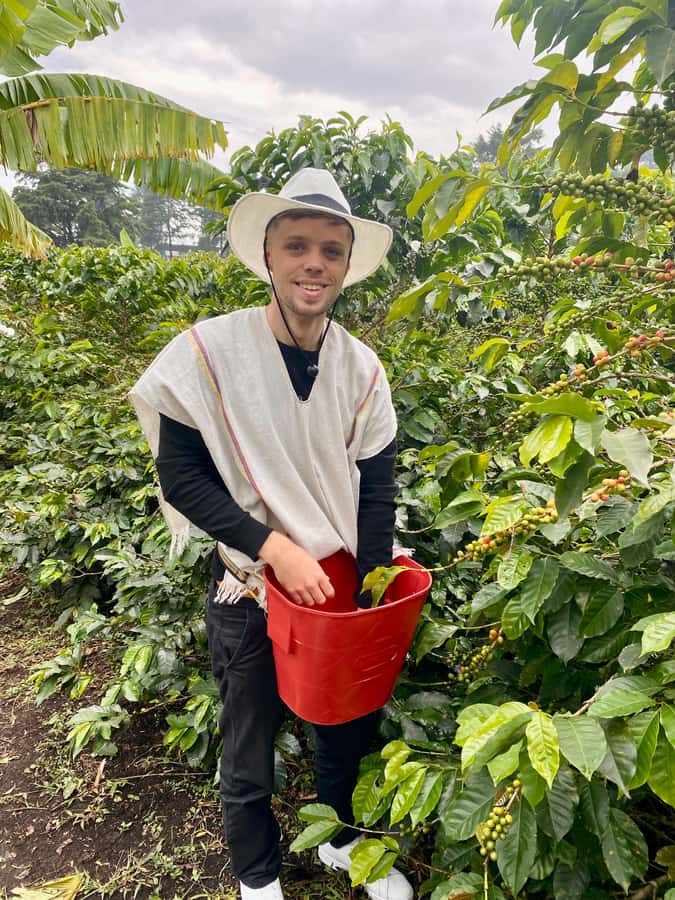
- Hands-on coffee berry harvesting: Actual picking, not pretend farm fun.
- Casa Finca de La Sierra visit: A museum stop that adds context to what you’re tasting.
- Seed-to-cup process walkthrough: You learn the steps, then drink lots of locally grown coffee.
Coffee, tram, and cable car: why this tour feels different
Most Medellín coffee tours take you out of the city and into the countryside. This one keeps the action inside Medellín. You start in the San Antonio area, then ride the electric trolley and cable cars to reach Barrio La Sierra. It’s a smart combo: transportation becomes part of the sightseeing, not dead time.
Once you arrive, the tour shifts from “tourist coffee facts” to “work behind a cup.” You walk through the barrio, meet the family behind the farm visit, and then get to experience the coffee cycle up close. That matters because coffee is usually sold as a finished product—this tour keeps reminding you it’s built by people and effort.
The tone you’ll get is local and grounded. Guides named in the experience include Valentina, Melisa, Carolina, Camilo, Arturo, David, Felipe, Christian, and Emily—so you’ll likely get explanations that connect coffee to daily life in the community, not just farming basics.
You can also read our reviews of more tours and experiences in Medellin.
Where you meet: San Antonio Tranvia station (not the metro entrance)
Meet at the main entrance to San Antonio Tranvia station, on the street level underneath the San Antonio metro station. You’ll want to look for the Tranvia sign at the street entrance.
The address given is San Antonio, Cra. 50A con Cll. 46. It’s helpful to arrive a few minutes early, because the group gathers there before boarding the electric trolley. If you show up late, you’ll likely miss the initial instructions and head-count.
Tip: once you’re there, double-check you’ve found the Tramvia-level entrance, not just the metro upstairs or nearby streets. The wording underneath the metro is very literal here.
The electric trolley and cable car ride: views plus a Medellín lesson
The day begins with transit that’s genuinely part of the experience.
You’ll first take the electric trolley for about 30 minutes, then the cable car for about 12 minutes. This is how Medellín shows you its geography. You’re moving through zones shaped by hills and neighborhoods that sit at different elevations.
I like that this transport phase also sets expectations for the walking later. You can feel—right away—that you’re heading uphill. So if you’re the type who hates surprise stairs, this tour actually prepares you. A lot of people end up loving this part because it gives panoramic city context before you even start talking coffee.
Barrio La Sierra walk: local life, not a staged stop
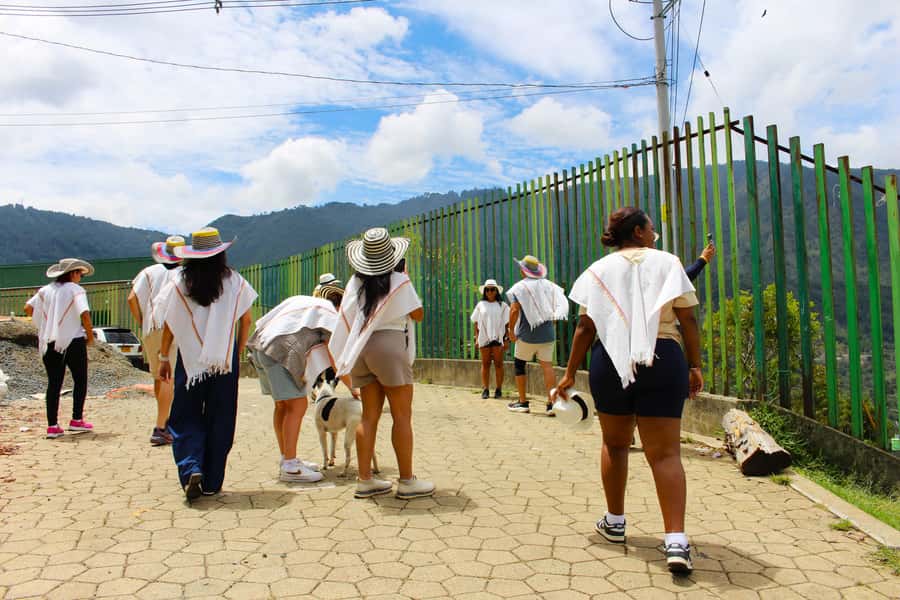
After the cable car, the experience becomes very human. You’ll walk through Barrio La Sierra, and the tour is designed to feel like a neighborhood visit rather than a quick photo stop.
Here’s what you should pay attention to while you’re walking:
- The way the route connects viewpoints with everyday streets.
- How the tour explains the neighborhood’s path forward, not only its past.
- The small moments—people you pass, conversations you overhear, the sense that this is home.
A lot of the best feedback points to the same theme: it feels real because you’re moving with a guide who understands the area and because you’re welcomed by a local family. This is where the “off the beaten path” promise becomes obvious.
Casa Finca de La Sierra and the museum stop: why it’s worth slowing down
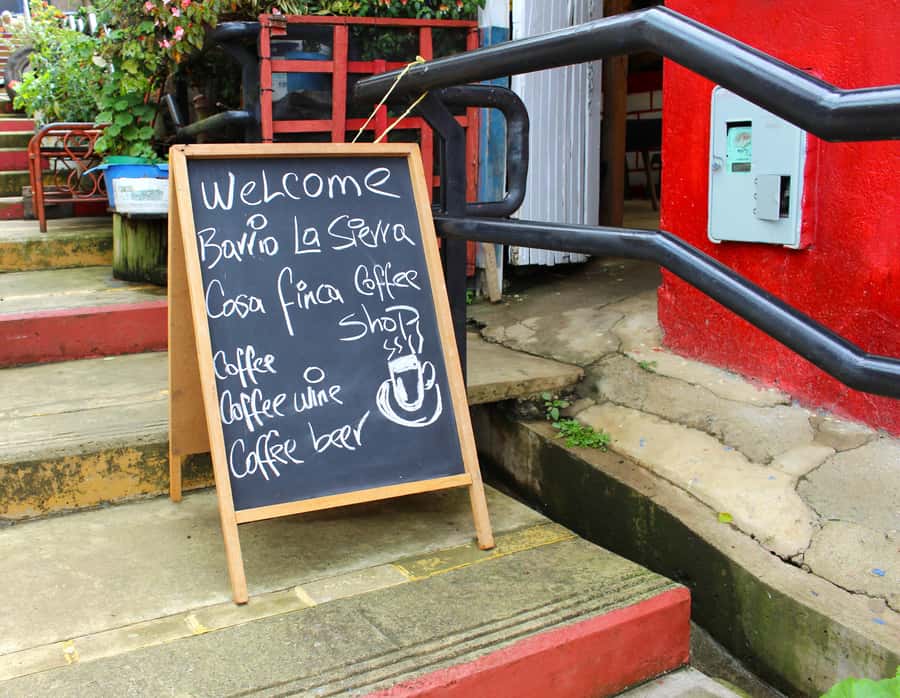
You’ll visit Casa Finca de La Sierra and a museum as part of the visit. This is more than a quick “look around” break. It helps you connect what you’re about to do—harvesting and processing—with how the work fits into the farm and the family story.
Think of this stop as your mental “coffee framework.” After you see the context, the seed-to-cup explanation lands better. Instead of learning steps as a list, you start to understand the purpose of each step: why coffee is handled a certain way, how the process affects the final cup, and how the farm operates as a living system.
If you’re the kind of traveler who likes to ask questions, this is a good place to do it. Museum-style stops can be hit-or-miss on tours—but here it supports the hands-on part.
Harvesting coffee berries: hands-on, physical, and oddly satisfying
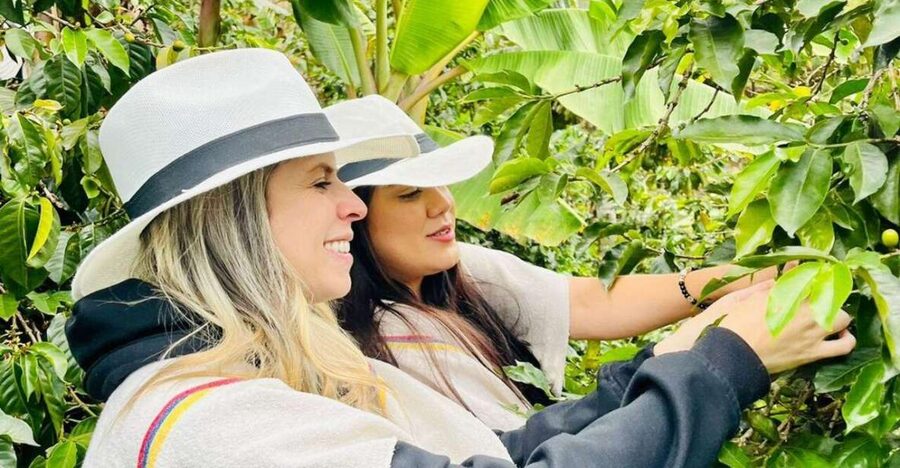
Now you get to the main event: coffee harvesting.
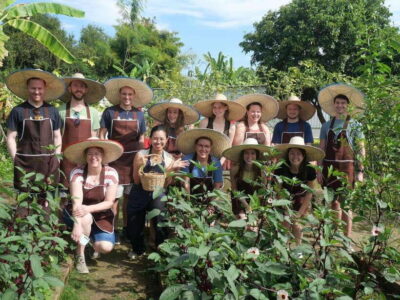
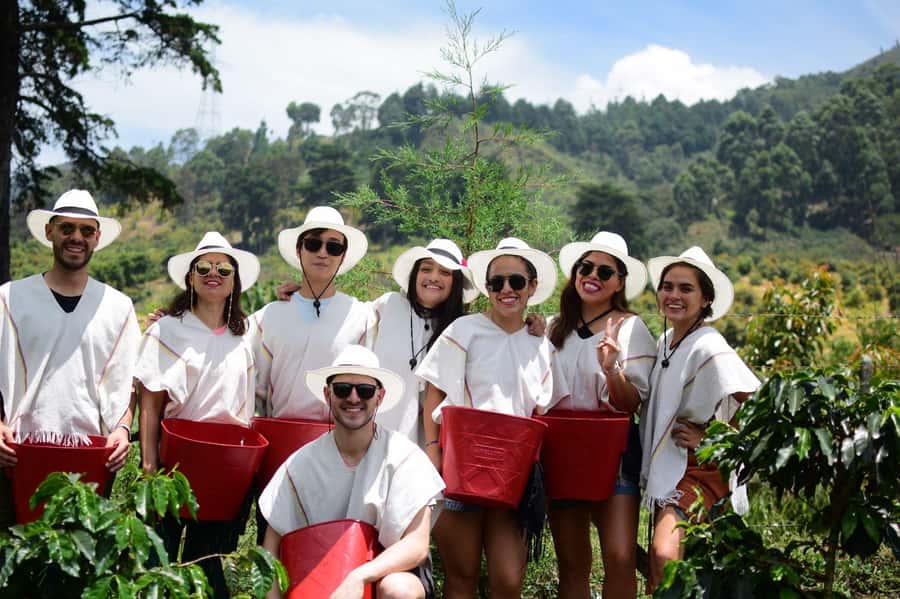
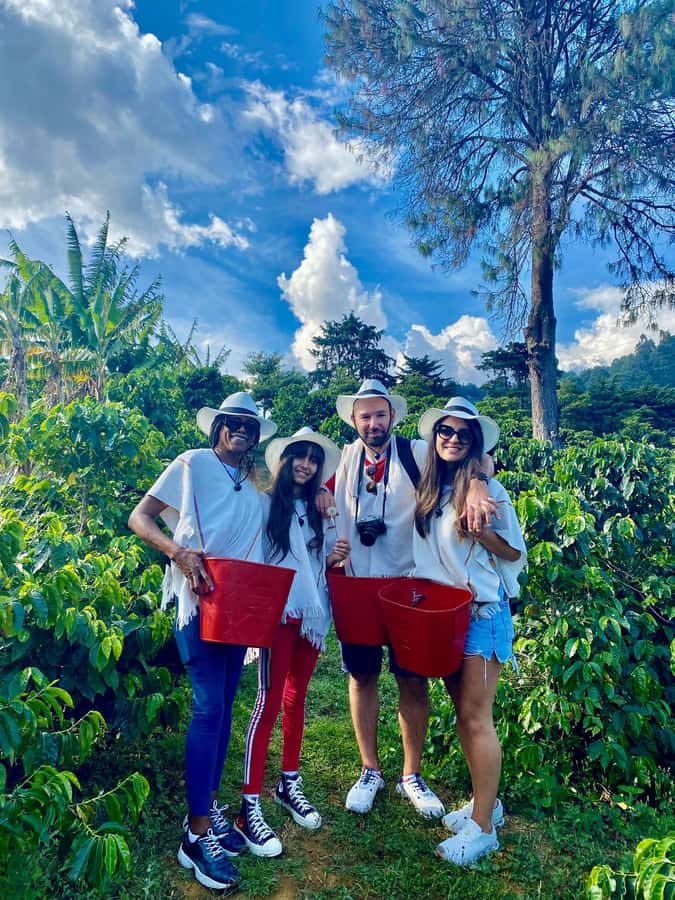
You’ll harvest coffee berries on the farm. This is one of the most praised parts because it turns coffee from a product into a set of actions you can feel. Picking berries teaches you that coffee isn’t uniform. You’re dealing with living plants, different ripeness, and the reality of labor.
You’ll also learn the process from seed to cup. That includes:
- how coffee is grown,
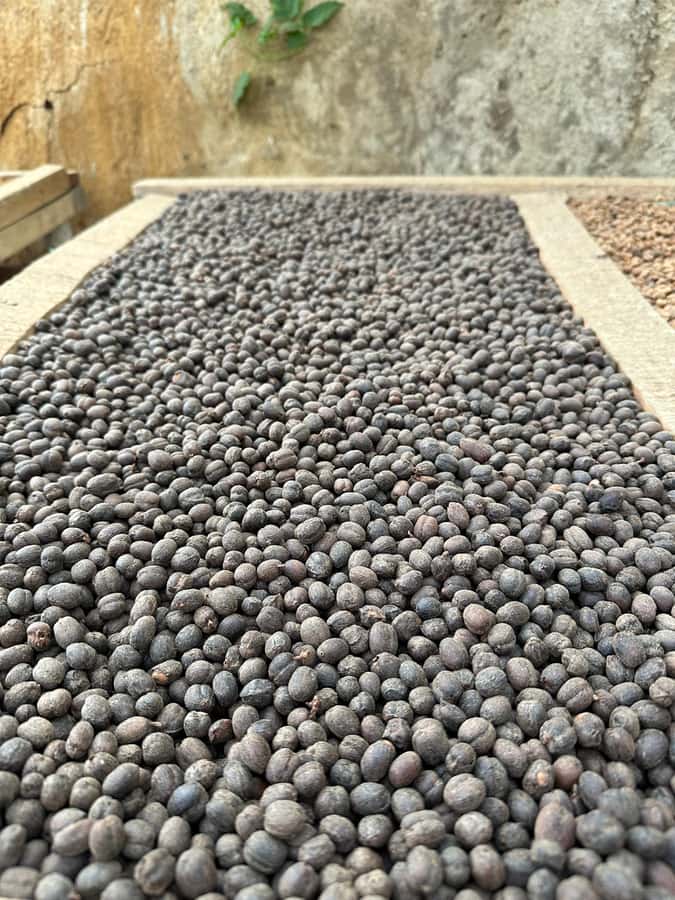
- how harvested berries are handled and processed,
- and how the final brew comes together.
You’ll drink lots of locally grown coffee, which is the payoff. Even if you’re not a coffee super-fan, tasting along with the explanation helps you understand the difference between “coffee sounds nice” and “coffee has steps.”
One more practical note: harvesting and farm walking means you should bring the kind of footwear that can handle uneven ground.
Seed-to-cup time: what you learn (and what changes in how you taste)
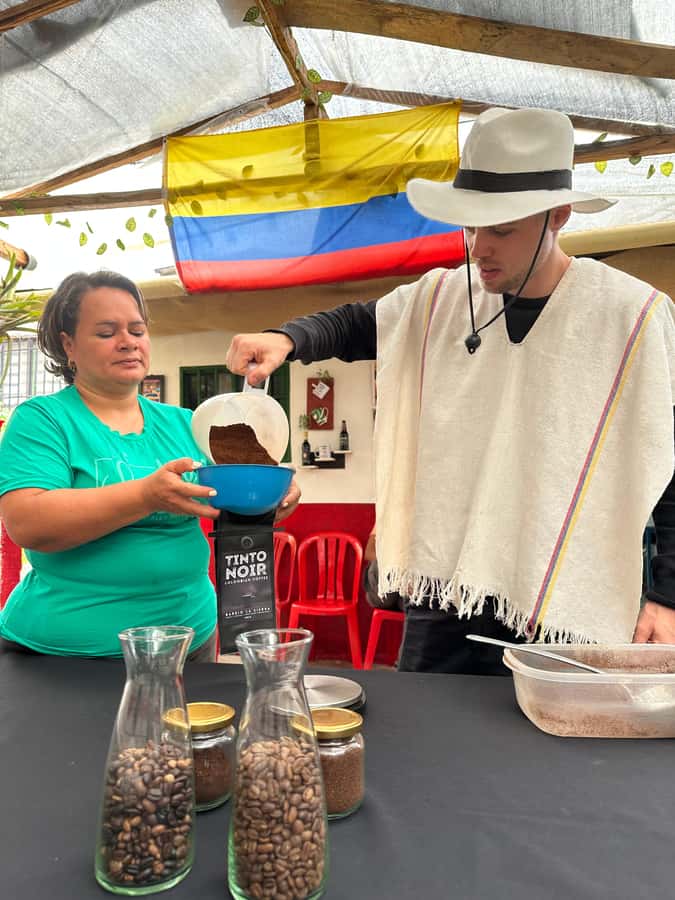
The tour includes multiple segments of coffee education and tasting—built into the Barrio La Sierra portion. You’ll get guided time where you learn the full chain, then you’ll circle back for more tasting and conversation.
In plain terms, here’s what this part does for you:
- It gives you a mental map for what you’re tasting.
- It shows the effort behind flavors you usually treat as automatic.
- It makes your cup feel earned.
Guides often focus on both coffee technique and the local story. Names that show up in the experience include Valentina and Melisa, with several guides praised for strong translation between English and Spanish. If you care about understanding every step, that translation detail is a big deal.
Snacks, coffee tastings, and what you might buy
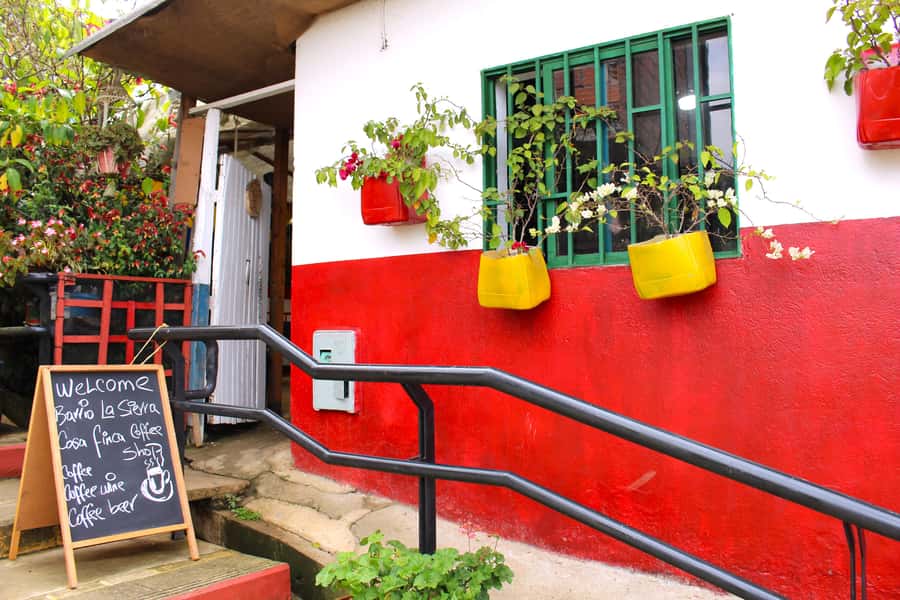
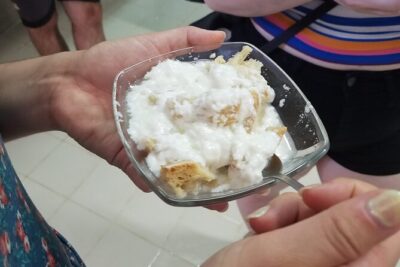
You’ll have local snacks and welcome refreshments included. You’ll also get a coffee tasting component during the Barrio La Sierra segments, with multiple time blocks built into the schedule.
Two things to know:
- You’ll likely drink enough coffee that you’ll want water too.
- Coffee bags aren’t included, so if you want to take any home, plan to purchase separately.
The good news: because this tour is tied to a farm visit, any coffee you buy tends to feel like a direct link to what you did—harvest, process, taste.
Price and value: what $56 covers in real-world terms
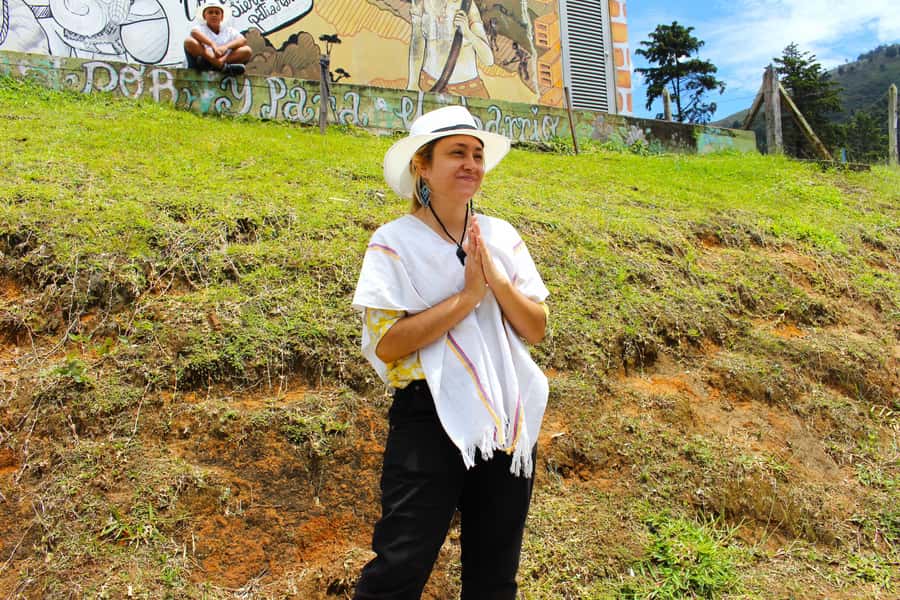
At $56 per person for about 270 minutes, this is not just “a coffee tasting ticket.” You’re paying for:
- the electric trolley ride and cable car ride,
- guided walking through Barrio La Sierra,
- the Casa Finca de La Sierra visit and museum time,
- hands-on berry harvesting,
- instruction on the seed-to-cup process,
- and enough coffee and snacks to keep the day moving.
If you compare it to a basic city walking tour plus a separate transportation ticket, the math becomes clearer. Here, transportation is included as part of the route, and the main value is the farm labor experience. That’s why people often call it “worth it” even if they start wondering if a coffee tour can justify the price.
Practical tips that matter (and avoid the common regrets)
A few details can make or break your comfort on this tour:
1) Wear closed shoes.
There’s uphill walking and steps. One review even mentioned around 500 stairs, so treat this as a hike with coffee at the end.
2) Expect a physical pace.
It’s not a leisurely stroll. If you’re used to climbing in cities, you’ll be fine. If not, bring patience and take breaks when your guide suggests.
3) Mobility limitations are a no-go.
The experience is listed as not suitable for people with mobility impairments.
4) Bring the right identity info.
You must provide your full name and a passport number in the booking process, but you’re not supposed to bring your passport. Plan that paperwork step before you arrive.
5) Ask questions at the farm.
This is a “from farm to cup” lesson, and the best conversations happen during the processing and tasting segments. If translation is important to you, consider asking your guide how they handle bilingual explanations when you meet.
Who this tour is best for (and who should skip it)
You’ll love this if:
- You want Medellín inside the city, not just a day trip out.
- You like activities where you do something, especially harvesting.
- Coffee is your interest, but you also want the social and neighborhood context behind it.
- You enjoy public-transport sightseeing, especially cable car views.
You might want to skip it if:
- You hate stairs and uneven ground.
- You need a low-movement, sit-down experience.
- You’re looking only for coffee tasting with minimal walking.
Should you book this Medellín coffee farm tour?
Yes—if you want a coffee experience that feels connected to real Medellín life. The best reason to book is simple: it pairs seed-to-cup learning with hands-on harvesting, and it gets you to Barrio La Sierra using Medellín’s own transit. At $56, the value is strongest when you care about more than a cup of coffee.
Skip it if mobility is an issue or if you want a relaxed, flat walking tour.
If you’re on the fence, ask yourself one question: Do you want coffee as a product, or do you want to understand the work behind it? This tour clearly pushes you toward the second option.
FAQ
Where do I meet the guide for the Medellín Coffee Farm Tour?
You meet the guide at the main entrance to San Antonio Tranvia station, on the street level underneath the San Antonio metro station.
How long is the tour?
The duration is listed as 270 minutes.
Is coffee included in the tour?
Yes. The tour includes coffee tasting and you’ll drink locally grown coffee during the experience.
Are coffee bags included?
No. Coffee bags are not included, so if you want to buy some to take home, plan to pay separately.
What languages are available with the live tour guide?
The live tour guide offers English and Spanish.
Is the tour suitable for people with mobility impairments?
No. It is listed as not suitable for people with mobility impairments.