REVIEW · DOHA
Doha Camel Racing Track: Oryx Farm & Sheikh Faisal Museum.
Book on GetYourGuide →Operated by Dmc Doha Holidays & Stopover Tours · Bookable on GetYourGuide
Desert speed meets museum craft. In just 4 hours, you get camel racing on sandy tracks, a real shot at seeing Arabian oryx, and a photo-and-stroll visit to the huge Sheikh Faisal Museum. I especially like how the day mixes fast, living desert culture with a serious dose of Qatar’s collecting spirit.
The only real catch is timing: the camel track stop is short, so you might see training and facilities more than an actual race, depending on what’s on that day.
In This Review
- Key Things You’ll Notice
- Sheikh Faisal Museum: where one private collection tells many stories
- Al Shahaniya Camel Racing Track: training first, speed if you’re lucky
- Arabian Oryx: spotting an endangered Qatar icon
- The driving route: stadium pass-bys and getting oriented in Doha
- How the 4-hour plan actually feels on the ground
- Value check: does $104 buy real experience in Doha?
- Who should book this tour, and who might skip it
- Should you book Doha Camel Racing Track and Sheikh Faisal Museum?
- FAQ
- How long is the Doha Camel Racing Track and Sheikh Faisal Museum experience?
- How much does it cost?
- Is this a private tour?
- What are the main stops?
- How much time do you spend at each location?
- Will I have a chance to see Arabian oryx?
- What’s included in the price?
- What languages does the guide speak?
- Where does pickup happen?
- What should I bring?
- Is free cancellation available?
- Can I reserve now and pay later?
Key Things You’ll Notice
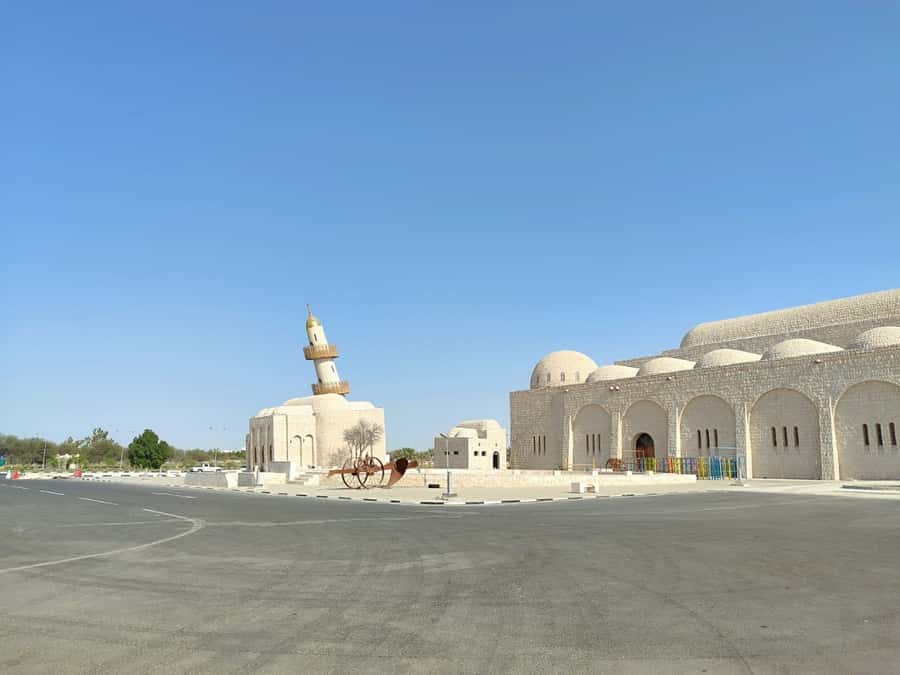
- Sheikh Faisal Museum scale: more than 15,000 historical pieces, plus paintings and cars
- Jurassic-to-now artifacts: the museum spans from very deep time up to the present
- Al Shahaniya camel racing: watch camels trained and, if timing works, race action
- Arabian oryx viewing: an endangered Qatar native you can actually set eyes on
- A guide who steers you: names like Amar (and Dharma) show up as standout performers
- Private format: a small, tailored experience with pickup and drop-off
Sheikh Faisal Museum: where one private collection tells many stories
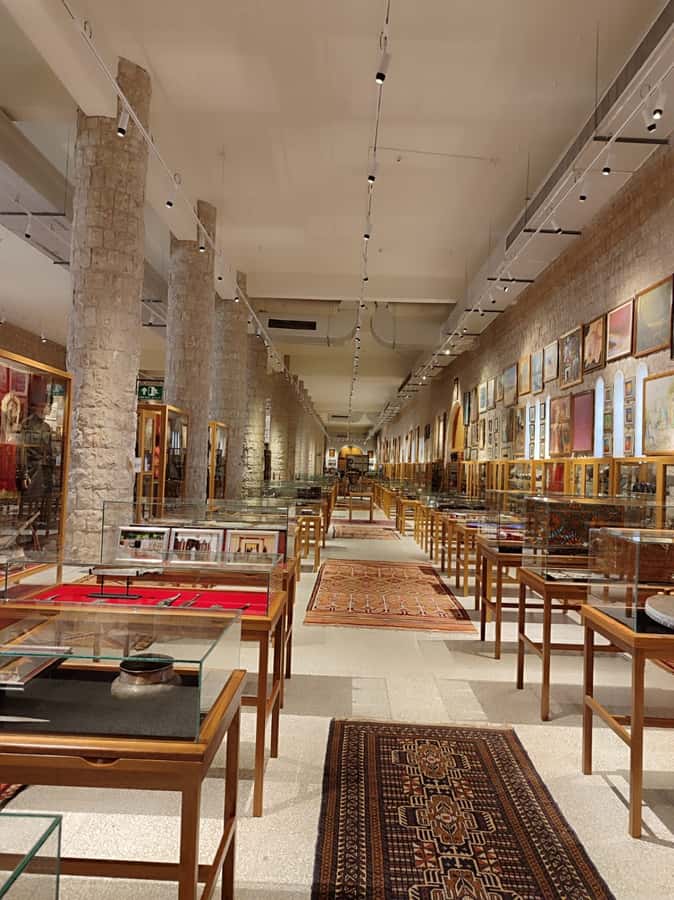
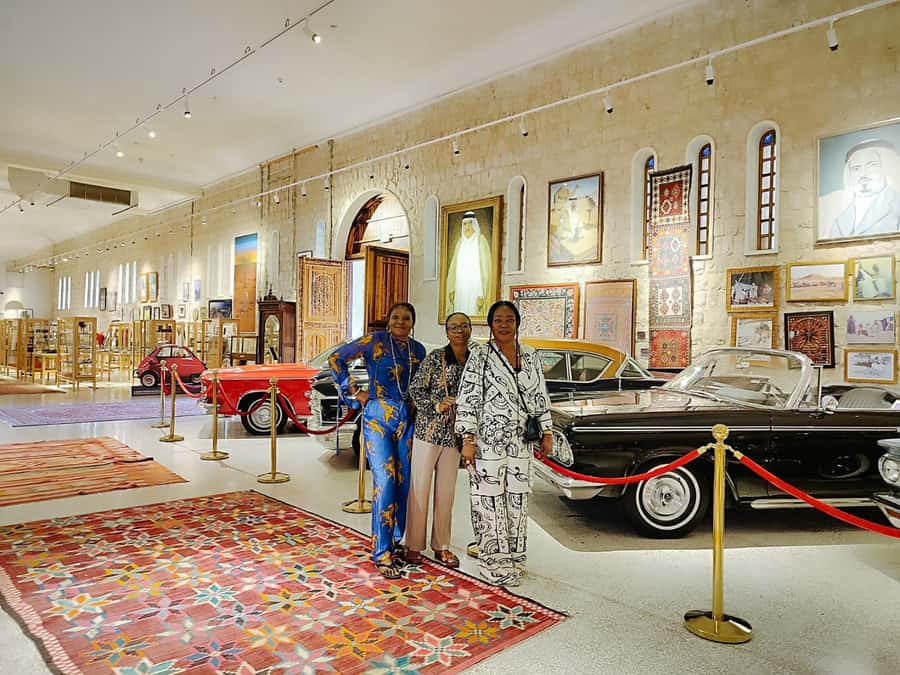
If you like museums that feel personal (not just polished displays), Sheikh Faisal Museum hits the mark. It’s one of the largest private museums in the world, built around Sheikh Faisal’s intention to preserve and promote Qatar’s cultural heritage. The collection covers a wide sweep of time and culture, with artifacts that range from the Jurassic age up to today.
What you’ll actually do in the museum matters as much as what’s inside. Plan on a photo stop, then a 2-hour visit that includes walking around and wildlife viewing connected with the experience. You won’t be rushed through a checklist. A good guide helps you pick what to prioritize inside a place this large, which is exactly what people praise most about guides like Amar—he points out pieces you’d likely miss if you walked in on your own.
The museum’s variety is part of the fun. Expect traditional Qatari artifacts, along with Islamic art, rare manuscripts, weaponry, vintage cars, and paintings. That mix can make you feel like you’re moving through separate mini-museums, even though it’s all housed in one place. And since the guide is with you, you’re not stuck trying to interpret details alone.
Practical note: wear comfortable shoes. The museum is big enough that a couple of “just one more room” moments can stack up.
Al Shahaniya Camel Racing Track: training first, speed if you’re lucky
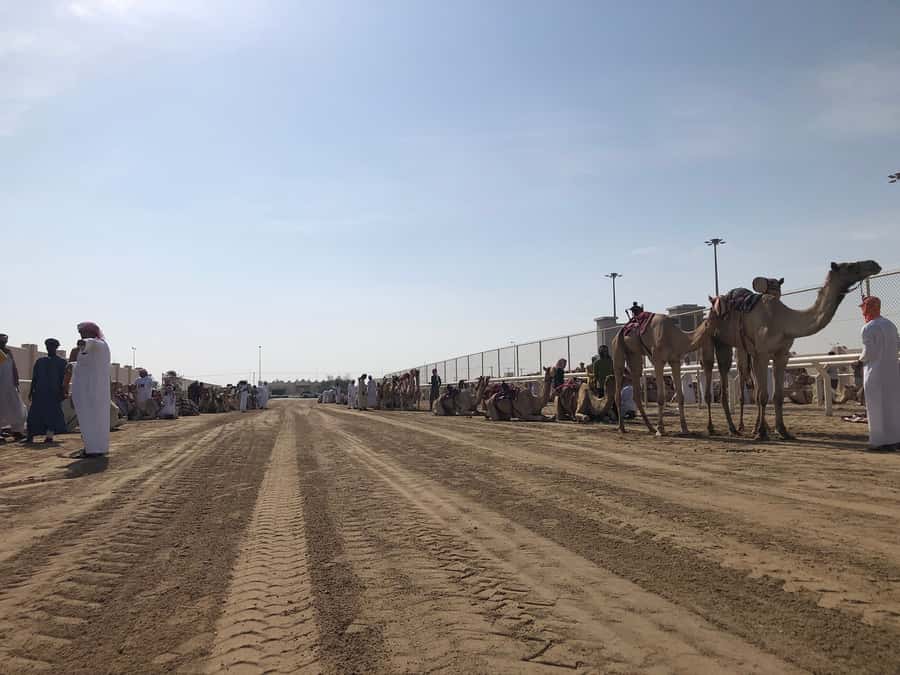
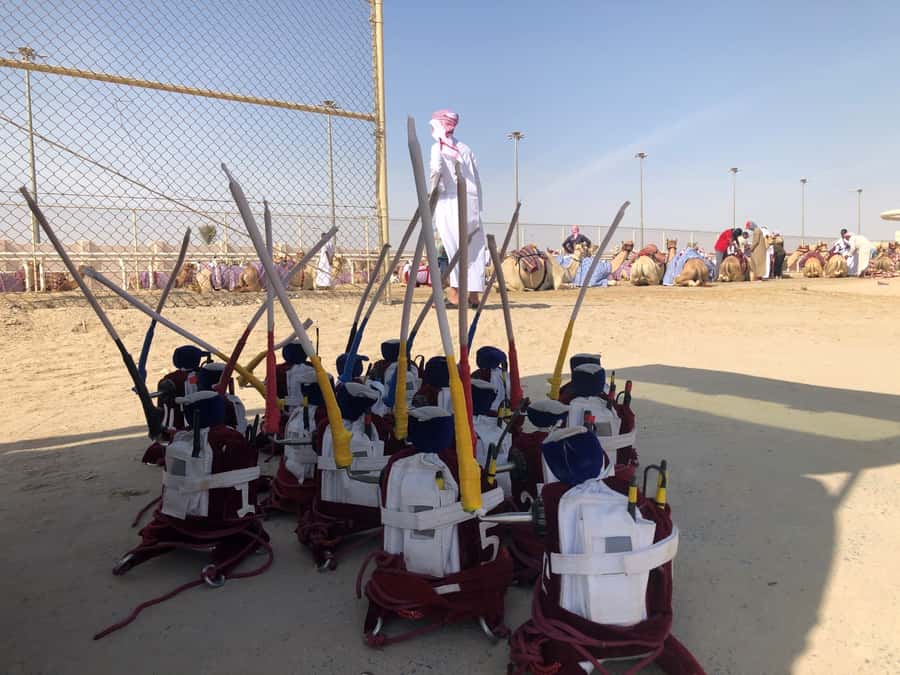
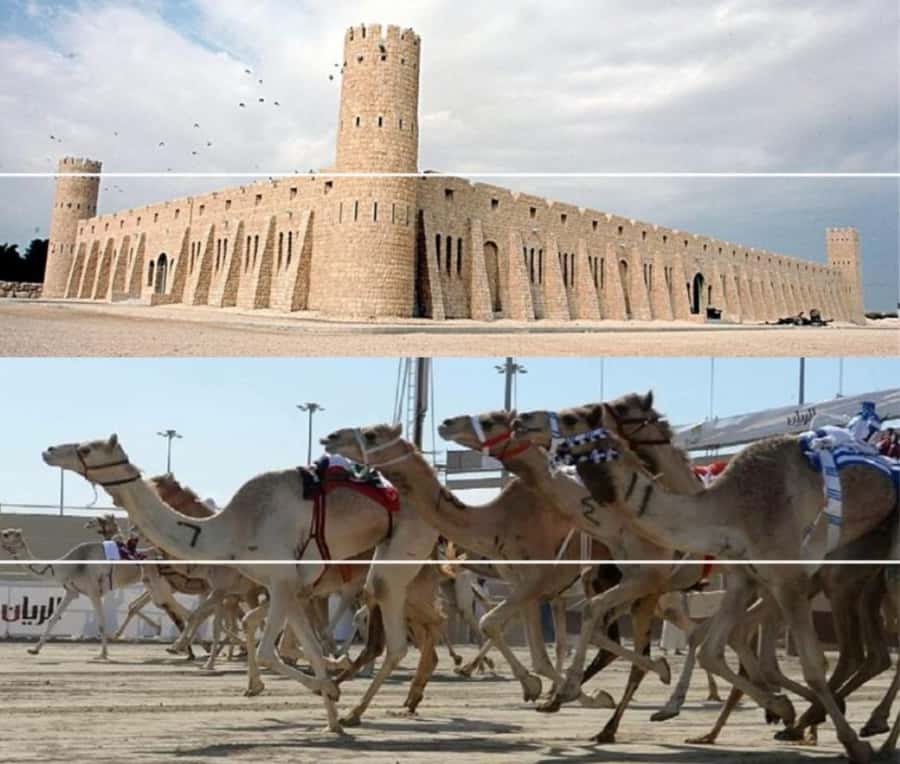
Camel racing is one of Qatar’s most traditional sports, and the Al Shahaniya Camel Racing Track is where that culture becomes visible. At this stop, you spend about 30 minutes, and the focus is on what happens around the races—not only the finished product.
You’ll get a chance to see camels trained and cared for. If you’re lucky, you may also catch a camel race in person. The sport blends tradition with modern race-day tools, and it’s common for remote-controlled robotic jockeys to guide the camels. That detail is worth knowing ahead of time because it changes how you watch: you’re not only tracking speed, you’re also watching how the race is managed.
Even if a full race doesn’t line up during your short window, don’t treat the stop as a “maybe.” Training and care are part of the story in their own right. You’ll often see the human routines that keep the camels ready, and that’s where respect for the sport shows up.
What to watch for: pay attention to the rhythm. Training looks calm and repetitive, while race action—when it appears—turns everything sharp and fast. Either way, the track gives you a clear connection to desert-time Qatar culture, not just a staged performance.
Arabian Oryx: spotting an endangered Qatar icon
Arabian oryx is the wildlife anchor of this experience. This antelope is native to the Arabian Peninsula and is endangered, with distinctive long, straight horns and a striking white coat. More importantly, it carries conservation weight: it was once extinct in the wild, then brought back through reintroduction efforts in countries including Oman and Saudi Arabia.
On this tour, you should expect oryx viewing as part of the day’s wildlife time. People on similar visits describe actually seeing the oryx during the museum portion and wildlife viewing window, which is exactly why this stop is more than a quick photo opportunity. It turns “wildlife talk” into something tangible.
How to make it count: bring a little patience with your eyes. If you’re scanning for the oryx like it’s a roadside billboard, you’ll miss the smaller moments where they’re moving, resting, or simply holding still as you find your angle.
Also, don’t skip the context your guide provides. Understanding why the oryx matters makes the sighting feel purposeful, not just pretty.
The driving route: stadium pass-bys and getting oriented in Doha
This is a short tour, so the travel time isn’t filler. You pass by Education City Stadium and Ahmed bin Ali Stadium on the way through Doha. Those stops act like quick orientation points: you see how modern Qatar sits alongside the traditions represented at the camel track and museum.
On the return, there’s another pass-by at Education City, keeping the route consistent and efficient. You’ll also be taken on the way back to the Equestrian Club, described as the royal stable of Qatar, where priceless royal and international horses are trained. Even if you only see it briefly, the idea fits the theme of careful stewardship—sports and animals treated with serious attention.
If you’re the type who likes to understand how a city is laid out, you’ll appreciate the structure. In a half-day, it’s hard to do too much, so this route aims for “big sights with clear meaning,” not random stops.
How the 4-hour plan actually feels on the ground
On paper, a 4-hour tour can look packed. In practice, the pacing is designed so you don’t end the day exhausted.
- Camel track stop (~30 minutes): short but focused. You’re there to watch training, and possibly catch a race.
- Museum (~2 hours): your longer window. This is where your guide’s choices matter most.
- Photo stop and walking: enough time for decent photos, plus a calm stroll where you’re not just sprinting room-to-room.
- Transport and pass-bys: used to move between modern landmarks and cultural stops.
Because your schedule is tight, go in with one simple rule: don’t try to do everything inside the museum. Pick what grabs you—cars, Islamic art, manuscripts, or artifacts connected to the deep-time Jurassic-to-now span. A guide can help you sort that quickly so you leave feeling you saw the right things.
Also, expect that you’ll rely on the guide for flow. That’s a strength of this format: people consistently praise guides like Amar for steering them to standout pieces and answering questions clearly on both the drive and inside the museum.
Value check: does $104 buy real experience in Doha?
For $104 per person over about 4 hours, you’re paying for more than entry tickets. You’re getting a package designed to remove friction.
Here’s what’s included:
- Pickup and drop-off services (including airport and cruise terminal options)
- Insurance
- Certified tour guide (English and Hindi)
- Entrance fees for the visited locations
- Bottle water and tea
- Skip the ticket line
- Private group format
That last point matters. A private group means you’re not stuck waiting for other people’s pace. It also gives your guide room to handle questions and adapt the visit—something that comes up again and again in positive experiences, especially when families or time-stressed visitors need a bit of flexibility.
Is $104 a bargain? It depends on what you’d do alone. If you’re paying for taxis, entrance fees, and hiring a guide to cover both the camel track and a major museum, the tour package starts to look sensible fast. You’re essentially buying time saved and context added, not just transportation.
Who should book this tour, and who might skip it
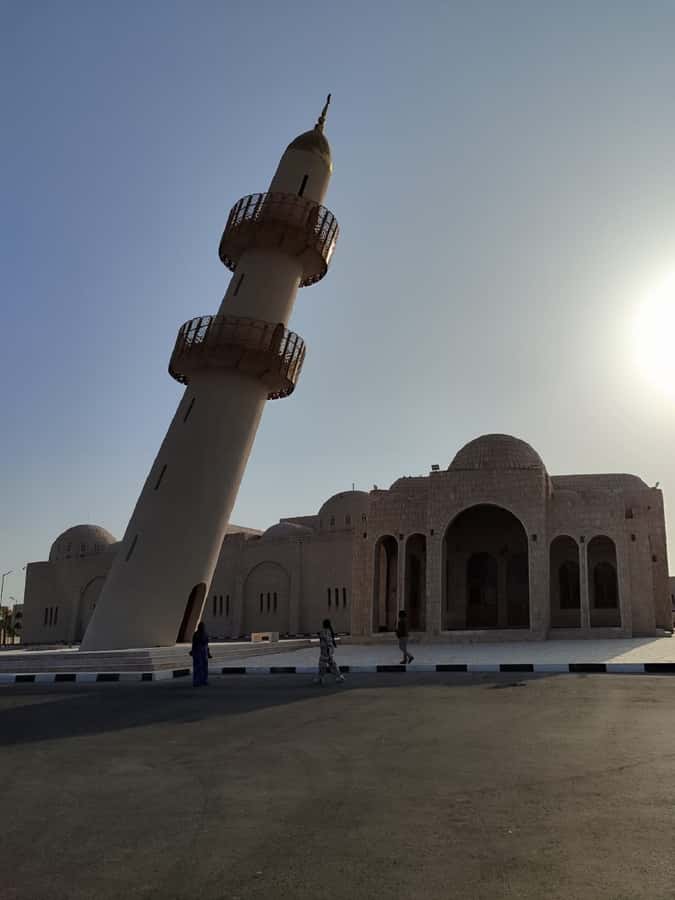
This is a strong choice if you want two very different sides of Doha in one tidy block: traditional sport and desert animal conservation, plus a major museum stop that goes far beyond typical “quick look” sightseeing.
You’ll probably love it if:
- you like guided storytelling more than self-guided guessing
- you care about seeing Arabian oryx in a meaningful setting
- you want a structured half-day without planning every step
You might want to consider something else if:
- you’re obsessed with watching a full camel race only (your camel track time is limited)
- you prefer slow travel and long museum wandering without a timetable
In short: it’s built for efficient culture, not for deep independent exploration.
Should you book Doha Camel Racing Track and Sheikh Faisal Museum?
If you want a half-day that mixes Qatar’s animal heritage with a top-tier museum collection, I’d book it. The reason is simple: you get the best parts of both worlds—oryx viewing and camel racing culture, plus the Sheikh Faisal Museum with real guidance that helps you focus inside a huge collection. The private setup also keeps the day from feeling like cattle-car tourism.
Just set expectations for the camel track stop. With only about 30 minutes there, your best plan is to be open to training and facilities as part of the experience, and to treat a live race as a bonus if timing allows.
If you’re traveling with kids, tight on time, or just want one high-impact cultural day that’s easy to navigate, this tour fits the bill.
FAQ
How long is the Doha Camel Racing Track and Sheikh Faisal Museum experience?
It lasts about 4 hours.
How much does it cost?
The price listed is $104 per person.
Is this a private tour?
Yes, it’s a private group.
What are the main stops?
You’ll visit Al Shahaniya Camel Racing Track and Sheikh Faisal Museum, with additional pass-bys along the way.
How much time do you spend at each location?
You spend about 30 minutes at Al Shahaniya Camel Racing Track and about 2 hours at Sheikh Faisal Museum.
Will I have a chance to see Arabian oryx?
Yes. The experience includes wildlife viewing, and the Arabian oryx is part of what you can see.
What’s included in the price?
Pickup and drop-off, insurance, a certified tour guide, entrance fees, bottled water, and tea are included, plus skip-the-ticket-line entry.
What languages does the guide speak?
The tour guide is available in English and Hindi.
Where does pickup happen?
Pickup is included from Hamad International Airport arrival exit no.4 outside, and from the Doha Cruise Ship Terminal arrival exit outside. You’ll also be picked up from your hotel lobby, waiting about 10 minutes before pickup.
What should I bring?
Bring your passport or ID card.
Is free cancellation available?
Yes, you can cancel up to 24 hours in advance for a full refund.
Can I reserve now and pay later?
Yes, there’s a reserve now & pay later option listed.