Pearls start with patience and tiny oysters. This La Paz experience connects pearl history to modern pearl culturing at a working farm, with the cool fact that pearls from La Paz are linked to Queen Elizabeth’s crown. You’ll learn why these gems take years to form and what that process looks like in real life.
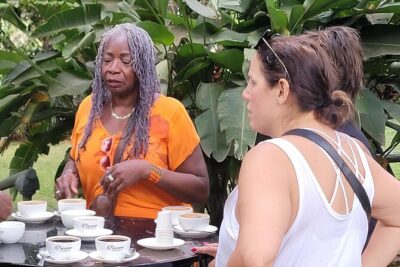
I especially like the lab-style visit—it turns a vague idea of pearls into a step-by-step story you can actually picture. I also like that the guide (Ivan is mentioned in the experience) answers questions clearly in English and talks through live marine organisms, not just marketing slides.
One thing to consider: the tour includes a stop in the pearl shop, but food is not included, so plan your timing and snacks if you get hungry during the two hours.
In This Review
- Key highlights to know before you go
- La Paz pearls: the crown story that makes it real
- Two hours in La Paz: how the timing and small group matters
- Meeting point and getting oriented at Perlas de La Paz
- The laboratory visit: where pearl farming becomes a process
- How the pearls are actually grown: oysters, implantation, and patience
- History of pearls in Baja and why La Paz has a reputation
- Sustainability and the working-farm feel
- The pearl shop stop: using knowledge before you buy
- Price and value: is $70.02 worth it for what you get?
- Who this tour is best for (and who should skip it)
- Practical tips to make the most of your visit
- Should you book the La Paz pearl farm experience?
- FAQ
- How long is the La Paz pearl farm experience?
- What language is the tour offered in?
- What’s included in the tour price?
- Is food provided during the tour?
- How big is the group?
- Where do I meet the tour and where does it end?
- What is the cancellation policy?
Key highlights to know before you go
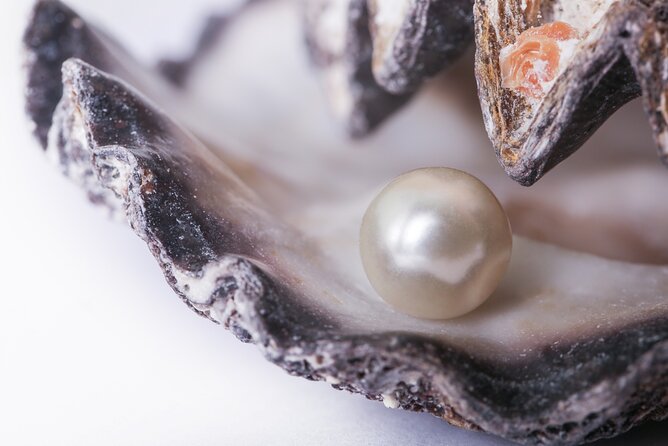
- Queen Elizabeth crown connection: a history thread that makes the whole pearl story feel personal to Baja California Sur.
- Laboratory visit: you see how modern pearl culturing works, not just finished jewelry.
- Implantation and “pearl seeds”: learn the practical steps behind growing pearls.
- Six-year formation timeline: you’ll hear how long it takes for pearls to develop.
- Small group size (max 12): easier to ask questions and keep the pace comfortable.
- Exclusive pearl store stop: you can shop with real context, not guesswork.
La Paz pearls: the crown story that makes it real
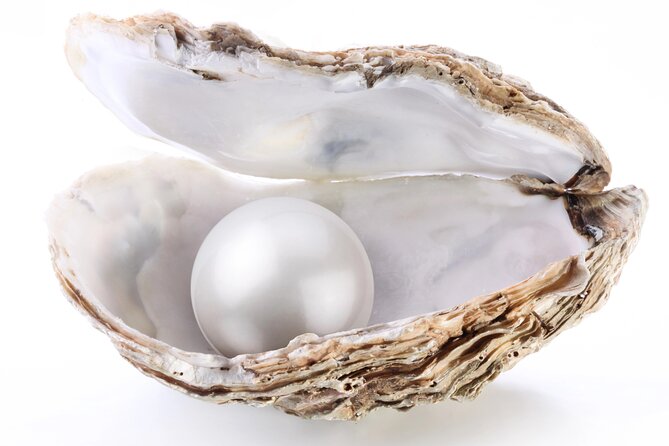
Pearls can sound like a mystery product. This tour makes them feel concrete by starting with the basics—where pearls in the region come from and why the La Paz name matters. One standout detail is the claim that the pearl in Queen Elizabeth’s crown comes from La Paz, which gives you a strong historical anchor right away.
Then the tour brings you back to science and today’s farming. You’ll hear that pearls take about six years to form, and that timeline changes how you think about what you’re seeing at the farm and later in the store.
You can also read our reviews of more tours and experiences in La Paz.
Two hours in La Paz: how the timing and small group matters
This is a short, focused experience—about 2 hours. That’s good if you want a meaningful stop without eating your whole afternoon. It also fits well alongside other La Paz plans, especially if you’re juggling boat tours, beaches, or city exploring.
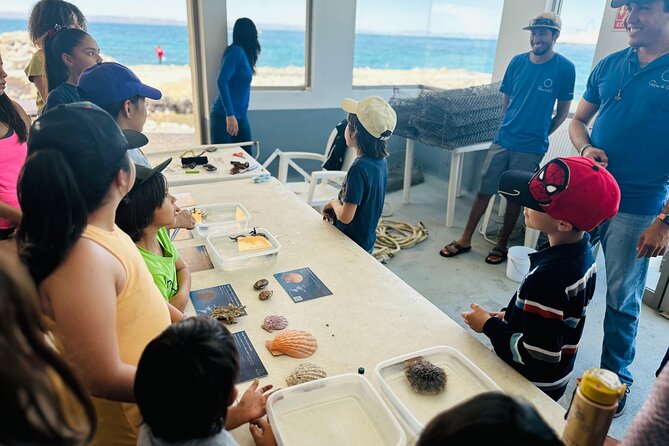
The group stays small, with a maximum of 12 travelers. In practice, that usually means you can ask questions without feeling rushed, especially when the discussion turns to oyster care and the culturing steps in the lab.
Meeting point and getting oriented at Perlas de La Paz
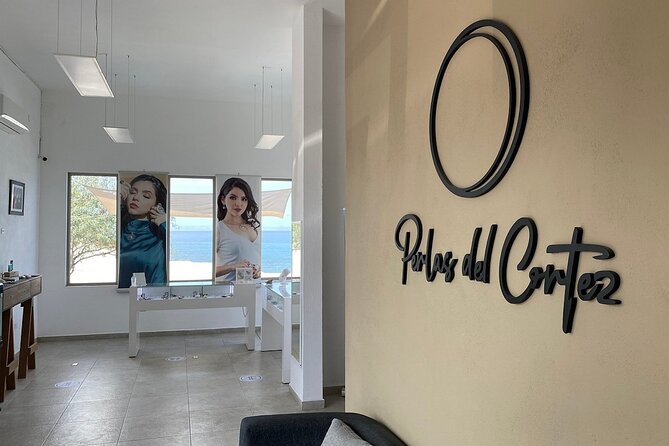
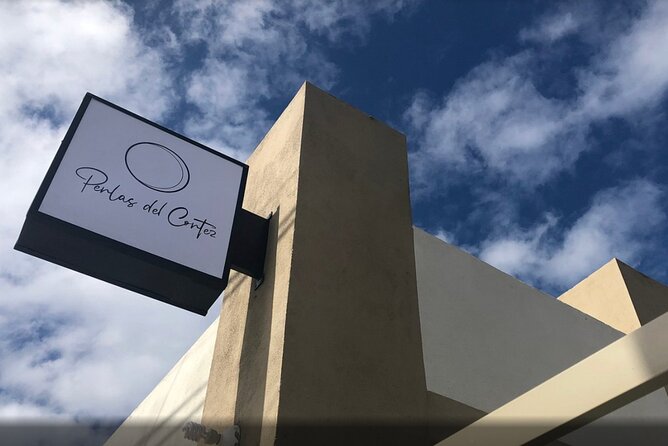
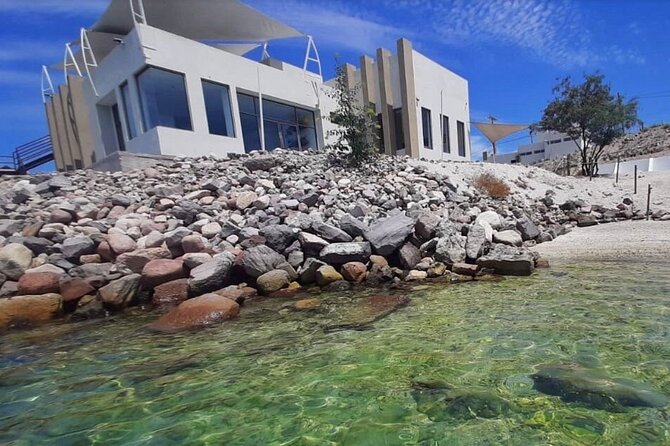
You meet at Tours Perlas de La Paz, at Avenida Central Poniente esquina Avenida Central Sur, in the port area (Recinto Portuario, Av. Pichilingue, 23208 La Paz, B.C.S., Mexico). The tour ends back at the same meeting point, so you don’t need to figure out transit afterward.
It’s also listed as being near public transportation, which matters in a city where plans can change. If you’re building a day around this tour, give yourself a little buffer so you arrive calm, not sprinting.
The laboratory visit: where pearl farming becomes a process
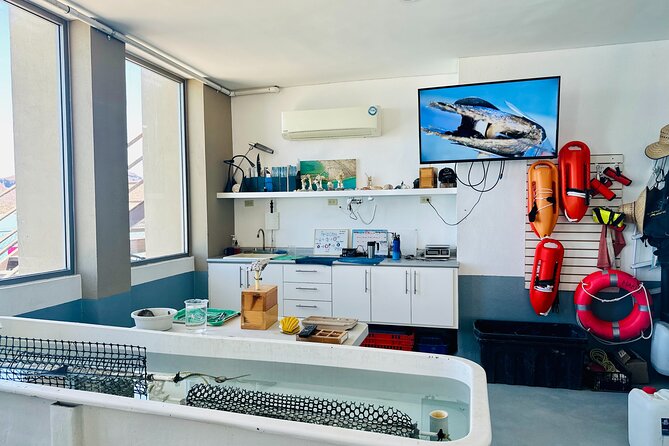
The heart of the experience is the visit to the laboratory. This isn’t a quick walk-by. You’ll get a structured look at the full process to obtain pearls, with modern pearl culturing explained from start to finish.
In a good pearl presentation, the hardest part is making “culturing” understandable. Here, you’ll get that translation: what’s happening with the oysters, what the farm is doing, and why the work takes years rather than days.
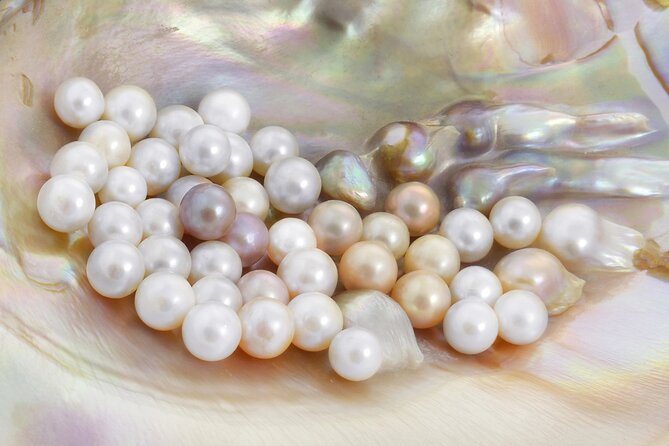
You also have time for explanation on different types of pearls, so you’re not just learning a single story. That helps later when you’re looking at pearl differences in the shop—colors, qualities, and what makes one type feel more “special” than another.
How the pearls are actually grown: oysters, implantation, and patience
A big reason this tour gets strong marks is how clearly it walks you through the steps. You’ll learn about the art of pearl cultivation and how the pearl-growing process works today.
One of the most memorable parts is the discussion of implanting pearl material—often described as implanting pearl seeds. This is the practical turning point in many pearl-farming systems, and hearing it explained makes the time investment (again, around six years) feel logical instead of random.
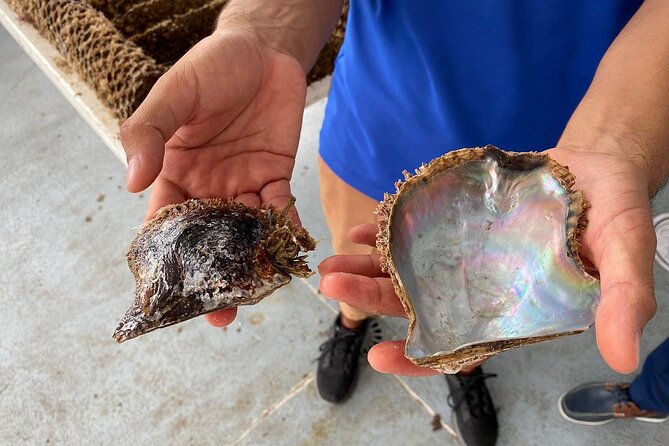
The tour also emphasizes live marine organisms. That means the farm’s work isn’t only “history in a room”—it’s connected to living processes. You’ll hear about the oysters used in the operation; in one English-language guided experience, the talk included references to Mother Pearl and Rainbow Lip oysters.
History of pearls in Baja and why La Paz has a reputation
Pearls don’t come out of thin air, and this tour treats them like a real regional tradition. You’ll get a historical look at how humans have interacted with pearls in Baja, then connect that older relationship to what Perlas de La Paz is doing today.
That historical-to-modern thread is valuable because it prevents the usual jewelry-store vibe. Instead of feeling like you’re only being sold something, you’re learning why this area matters for pearl farming and how the practice is carried on with today’s methods.
If you like stories with a sense of place, this is the kind of tour that scratches that itch. La Paz becomes more than a backdrop—it becomes part of the pearl explanation.
Sustainability and the working-farm feel
The experience focuses on pearl cultivation and sustainable aquaculture as a concept. In other words, you’re not just learning how pearls look; you’re learning how pearls are made through careful farming rather than random natural collection.
This is also why the laboratory visit feels important. You’re seeing the work as a system: oysters, timing, and the handling that goes with keeping the organisms healthy.
You might not leave with scientific notes in your pocket, but you’ll leave with better intuition about what it takes to get from a living oyster to a pearl you can hold.
The pearl shop stop: using knowledge before you buy
The tour includes the opportunity to visit an exclusive pearl store. This can be a mixed bag on pearl tours—sometimes shop stops feel like an afterthought. Here, the shop visit makes more sense because you’ll already understand how the pearls are cultivated and what to look for.
You can take what you learned—different types of pearls, the cultivation timeline, and the basic process—and apply it while you browse. That usually improves the shopping experience because you’re not relying only on price tags and shiny displays.
Just keep your expectations practical. The store is where purchases happen, so if you’re strictly not interested in buying, you might still enjoy the shop for context and learning. If you want to buy, plan for time and keep your questions ready.
Price and value: is $70.02 worth it for what you get?
At $70.02 per person for about two hours, the value depends on what you want from your time in La Paz. If you’re the kind of visitor who loves “how it works” tours, this hits a sweet spot because you’re paying for:
- a structured explanation of modern pearl culturing
- a laboratory visit (the process part, not just finished items)
- time to see the story behind different pearl types
- an English-guided experience, with a guide named Ivan referenced in one of the accounts
- a store stop where you can use that knowledge
What you don’t get matters too: food, tips, and souvenirs are not included. If you arrive hungry, you’ll feel that gap quickly in a two-hour block.
If you want a quick photo-op or you already know everything about pearl farming, you might decide it’s too much for what you’ll learn. But if you want a clear, hands-on style explanation tied to Baja’s pearl identity, the price starts to look reasonable.
Who this tour is best for (and who should skip it)
You’ll likely enjoy this tour if you:
- want a small-group experience in La Paz with real subject matter
- like living-craft or working-farm tours
- are curious about how pearls are grown, not just sold
- want a guided explanation in English
You might skip it if you’re not interested in pearls at all, or if you dislike shop stops even when the education comes first. Also, because it’s about two hours, it’s not the best choice if you’re looking for a long, hands-on workshop where you do the labor yourself.
Practical tips to make the most of your visit
A few simple moves will help you get the most from the lab and the store:
- Go in with at least one question ready. Culturing steps and oyster care are the kind of topics that benefit from specific questions.
- Bring water if you think you’ll need it. Food isn’t included, and two hours can still feel like time in the heat.
- If shopping is part of your plan, take notes on the kinds of pearls that get explained. It’ll make your comparisons easier.
- Wear comfortable shoes. Even if it doesn’t sound like a hiking tour, you’ll likely be doing short walks around the farm setup.
Should you book the La Paz pearl farm experience?
If you want an education-forward tour that connects history, science, and the working farm side of pearl making, I think this one is worth booking. The best selling point is that you don’t just hear facts—you see how pearl culturing works, including the implantation concept and the living oyster side of the process.
I’d book it if you enjoy guided learning, prefer small groups, and like being able to ask questions (especially in English). I might pass if you’re only interested in beach time or you’re strongly shop-averse, because the pearl store stop is part of the package.
FAQ
How long is the La Paz pearl farm experience?
It’s about 2 hours (approx.).
What language is the tour offered in?
The tour is offered in English.
What’s included in the tour price?
It includes a laboratory visit, historical significance of the area and modern pearl culturing, and an explanation of different pearl types and the overall process to obtain them.
Is food provided during the tour?
No. Food is not included.
How big is the group?
The tour has a maximum of 12 travelers.
Where do I meet the tour and where does it end?
You meet at Tours Perlas de La Paz at the port area address listed for the experience, and the tour ends back at the meeting point.
What is the cancellation policy?
You can cancel for a full refund if you cancel up to 24 hours in advance of the experience start time.