REVIEW · THE CATSKILLS
Farm Tour at Clover Brooke Llama/Alpaca/Goat Farm
Book on Viator →Operated by Clover Brooke Farm, Hyde Park NY · Bookable on Viator
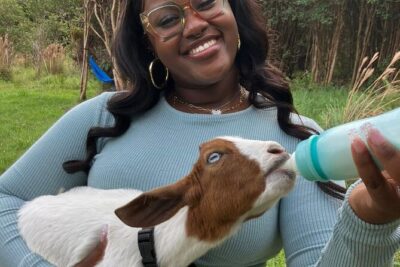
Llamas on a one-hour farm walk. This Catskills experience is built for real animal education and hands-on, guided time with llamas, alpacas, sheep, and goats, not just a quick look-and-go stop. I love that the focus stays on how to interact safely and responsibly, with explanations that help you understand what you’re seeing.
One thing to consider: the tour is weather-dependent and runs about an hour, so it’s not the kind of slow, extended animal time you’d get from a longer workshop or private visit.
In This Review
- Quick take: Clover Brooke Farm Tour highlights
- Why a Catskills farm tour beats a quick zoo stop
- Clover Brooke Farm setting: where you’ll start and how the hour works
- Meet the stars: llamas, alpacas, sheep, and goats up close
- What the guide actually teaches you about farm animal behavior
- The walking tour feel: pasture time, animal encounters, and pauses
- Price and value: is $21.50 worth it?
- Who this tour suits best (and who might feel underfed)
- Practical tips so you get the most out of your hour
- Should you book the Clover Brooke Farm Tour?
- FAQ
- How long is the Clover Brooke Farm Tour?
- How much does the farm tour cost?
- Where do I meet for the tour?
- What animals are included?
- Is the tour offered in English?
- How big is the group?
- What if the weather is bad?
Quick take: Clover Brooke Farm Tour highlights
- Education-first approach focused on safe interaction and co-existing with farm animals
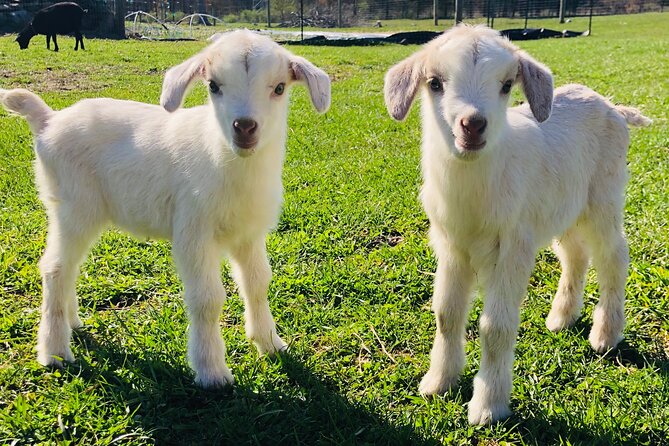
- Real variety of animals including llamas, alpacas, sheep, and goats
- Compassion-led guiding with an emphasis on gentle handling and animal comfort
- Small-group feel with a maximum of 25 people
- Short and sweet timing at about one hour, great for adding to a day trip
Why a Catskills farm tour beats a quick zoo stop
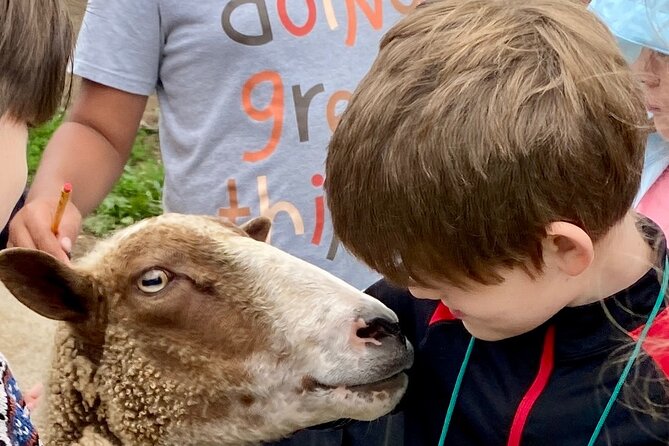
I get why people reach for the bigger attractions. But a farm tour has a different rhythm. You’re not hunting for exhibits. You’re watching animals in a working, pasture setting and learning how to be a good visitor in their space.
At Clover Brooke Farm in Hyde Park, the tour experience leans hard into practical learning. You’ll walk the property, meet the animals, and get guidance on how to behave around them—so your time feels useful, not random. Even if you usually prefer to keep some distance, the approach is designed to make you comfortable.
This matters because farm animals read body language. The guide doesn’t just point at faces and say look. You’re taught the basics of respectful interaction, including safety and responsible behavior. That turns the visit into something you can take home and use next time you’re around animals.
You can also read our reviews of more tours and experiences in The Catskills.
Clover Brooke Farm setting: where you’ll start and how the hour works
You’ll meet at 175 Ruskey Ln, Hyde Park, NY 12538, and the tour ends back at the same meeting spot. The session runs about one hour, which is long enough to get a feel for the farm and learn how to interact, without dragging on.
The group size caps at 25 people. That’s big enough to meet lots of fellow animal lovers, but small enough that the guide can still steer the experience. From the way the tour is described, you can expect a guided flow where you move through the property, pause for instruction, and then interact in a controlled way.
Also note the ticket setup. You’ll use a mobile ticket, which is simple on the day of your outing. And it’s offered in English, so you’ll get the full lesson without translation gaps.
Meet the stars: llamas, alpacas, sheep, and goats up close
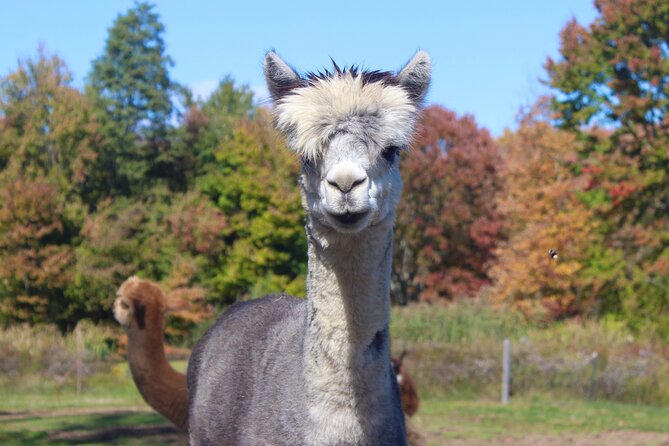
Clover Brooke doesn’t treat this like a one-animal show. The farm tour highlights multiple species, including llamas, alpacas, sheep, and goats. That variety is a big part of the value because each animal has its own vibe and way of responding to attention.
Here’s what I like about this lineup for most people:
- Llamas and alpacas tend to draw the most curiosity, and the guide can help you interact in ways that keep them calm.
- Sheep offer a gentler, more subtle presence, which can be a great contrast if you’re expecting something wild or loud.
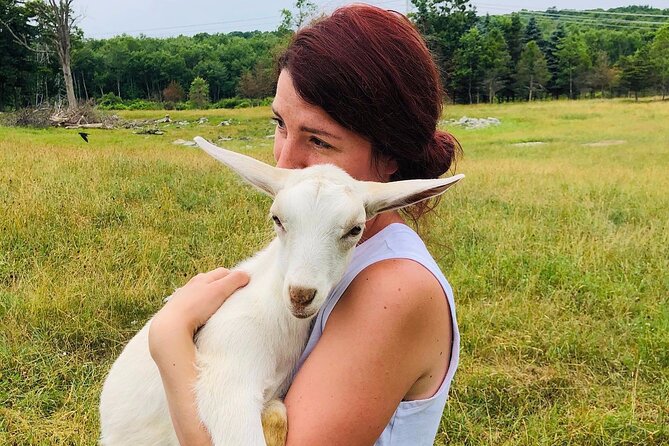
- Goats often spark smiles fast, and they’re a useful reminder that curiosity should still come with boundaries.
The tour is designed around introductions and education. You’re not just passing by pens. You’re being shown how these animals fit into the farm and how to treat them with respect.
What the guide actually teaches you about farm animal behavior
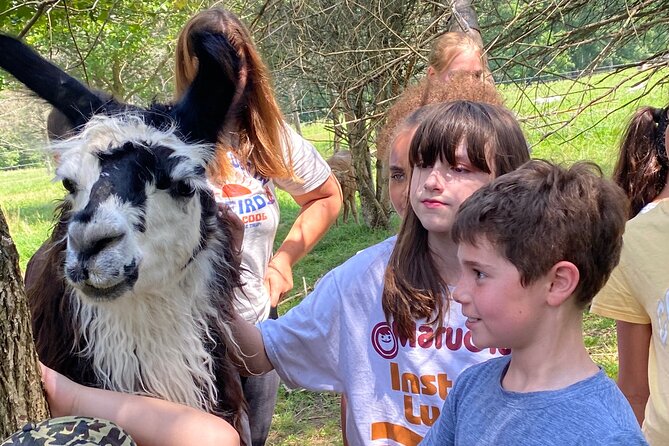
The best part of Clover Brooke’s tour is the teaching style. The experience is built around education, representation, and safe interaction. In plain terms: you learn what the animals need, what to watch for, and how to interact without turning the situation into chaos.
You’ll hear about the significance and history of the animals, and that background helps you slow down. Instead of thinking of them as just cute farm critters, you start noticing how they live and what their behavior might mean.
Safety is a constant theme too. The guide teaches you how to interact responsibly and how people and animals can co-exist without stress. That may sound like a basic rule, but on farms it’s the difference between an enjoyable visit and a frustrating one.
In the reviews, the name that comes up again and again is Ananda. People praised her for being very well informed and beautifully compassionate. One comment even highlighted how the animals showed a comfortable demeanor while the guide directed interactions to fit different kinds of people in the group, including folks who were more ambivalent about animals at the start.
That’s a clue to what you’ll get: not just instructions, but a steady hand guiding attention, timing, and behavior.
The walking tour feel: pasture time, animal encounters, and pauses
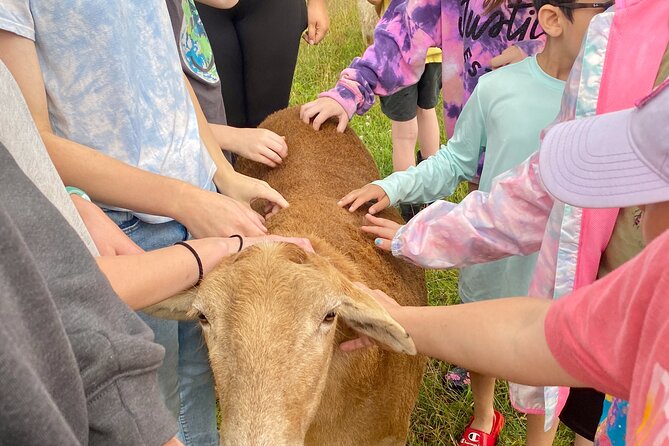
The tour experience is centered on a walk through the farm and a series of animal encounters. Practically, that means you’ll spend most of your hour moving between areas on the property, with stops where the guide introduces an animal and explains what you should and shouldn’t do.
The route is short, so the goal is focus, not wandering. You’ll learn in small pieces, and you’ll get chances to put those lessons into action quickly. That’s helpful because farm-animal behavior makes more sense when you can connect it to what you’re seeing right then.
You should also expect a pace that balances the group. With a maximum of 25 people, the guide can manage the line and help you avoid crowding. That matters a lot with animals like goats and alpacas, where sudden attention can spike stress.
If you’re thinking you want a long, detailed animal handling session, this isn’t that. But if you want a guided hour that gives you real interaction plus a safety lesson, it hits the sweet spot.
Price and value: is $21.50 worth it?
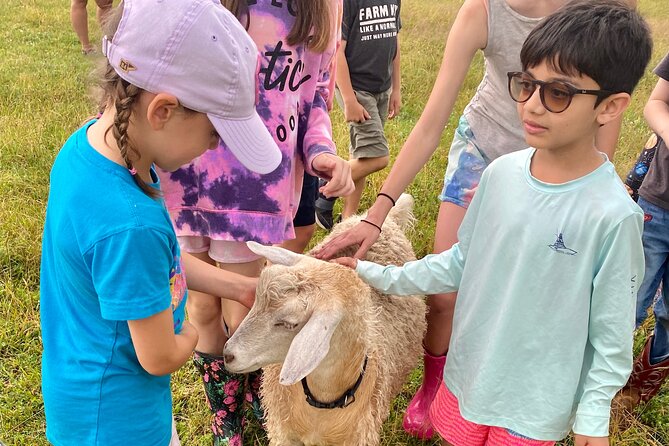
At $21.50 per person for about one hour, Clover Brooke Farm Tour sits in the category of affordable, experience-based day activities. What makes it feel like good value isn’t just the price tag. It’s what the tour is built to deliver.
You’re paying for:
- Admission included in the ticket
- A guided learning experience (not a self-guided walk)
- Interaction and education focused on safety and respectful behavior
- A mix of animals, not just one species
Also, the short duration is a value in itself. One hour means you can build your plan around it—especially if you’re doing a road trip through the Catskills and want animal time without losing half a day.
If you care about learning, not just taking pictures, this one is a strong fit. The guide’s compassionate approach is part of the cost, and it’s also a quality signal. When the animals feel comfortable and the guide keeps the group under control, you get the kind of visit that actually sticks with you.
Who this tour suits best (and who might feel underfed)
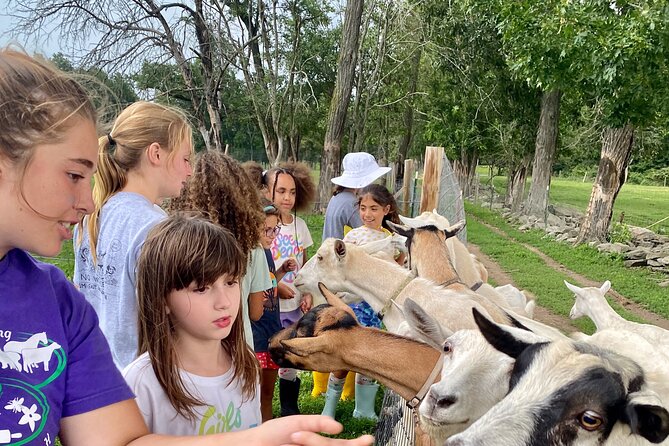
This tour is perfect for people who like structure. If you want to know how to behave around animals and you appreciate a calm, responsible approach, you’ll likely enjoy it.
It’s also a great choice if you have a mixed group. In the feedback, people noted a mix of animal lovers and animal ambivalents. That tells me the guide is good at making the experience accessible. Even if someone starts unsure, they’re still brought into the experience with guidance.
This tour may feel less satisfying if you want:
- A long session with hands-on handling for an extended period
- A detailed, species-by-species lecture with deep technical content
- A fully self-directed visit where you set your own pace
But for most people, the one-hour format is exactly right. You get your farm time, your education, and your interaction guidance without overstaying your welcome.
Practical tips so you get the most out of your hour
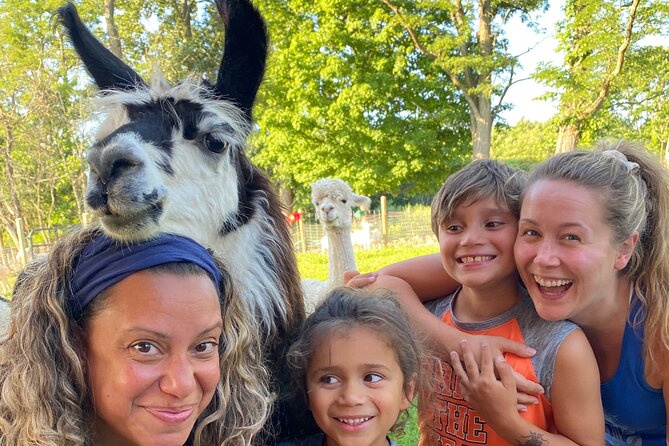
Farm tours work best when you show up ready to follow cues. Here are the practical things I’d do if I were planning your day:
- Wear comfortable shoes for walking around the property.
- Dress for weather, since the experience depends on good conditions.
- Go in ready to listen. The guide’s safety and interaction instruction is the heart of the experience.
- Keep expectations realistic. You’re getting a guided introduction and a chance to interact responsibly, not a private farm day.
- If you’re bringing someone who is nervous around animals, pay attention to the guide’s direction—reviews highlight that the guide helps match interactions to the group.
If you do those basics, the tour becomes more enjoyable fast.
Should you book the Clover Brooke Farm Tour?
Book this if you want a short, guided Catskills farm experience that prioritizes safety, compassion, and real learning. The animal mix—llamas, alpacas, sheep, and goats—helps you see more than the obvious. And with Ananda mentioned in glowing terms, the odds are high that you’ll get a thoughtful guide who sets the tone.
Skip it if you’re looking for a longer hands-on program or a big-ticket production. This is an hour. It’s friendly. It’s practical. And it’s aimed at making you a better animal visitor by the time you’re done.
FAQ
How long is the Clover Brooke Farm Tour?
The tour runs about one hour.
How much does the farm tour cost?
It costs $21.50 per person.
Where do I meet for the tour?
The meeting point is 175 Ruskey Ln, Hyde Park, NY 12538, USA.
What animals are included?
The tour focuses on animals such as llamas, alpacas, sheep, and goats.
Is the tour offered in English?
Yes, the tour is offered in English.
How big is the group?
The tour has a maximum of 25 travelers.
What if the weather is bad?
The experience requires good weather. If it’s canceled due to poor weather, you’ll be offered a different date or a full refund.