REVIEW · NAPA AND SONOMA
Private Farm Workshop in Napa Valley
Book on Viator →Operated by Stepping Stone Farm · Bookable on Viator
Skip the tasting room—grab a shovel. In this regenerative no-till farm workshop, you trade wine trivia for real food-growing know-how, with a garden tour that explains what’s happening in the beds right now.
I love that you start with a tasting-style walk through the market garden, so the lesson connects to actual fruit and veg instead of theory. You also get time with the guide, Patrick, to ask questions and get tips you can use in your own yard.
One thing to consider: this farm experience runs in the mountains above Napa Valley, so you’ll want good weather and some comfort with being outdoors on uneven ground.
In This Review
- Key takeaways before you go
- Why this Napa farm workshop beats another wine tour
- Getting to Soda Canyon Road and what the morning timing feels like
- The market garden tasting: what you learn from seeing food in season
- Regenerative no-till farming, explained in real-world terms
- Hands-on garden work: beds, seedlings, and harvest technique
- Leaving with answers for your microclimate
- What about food: seasonal sweets at the end
- Who should book this private farm workshop—and who might skip it
- Practical tips to get the most from 90 minutes
- Should you book this farm workshop?
- FAQ
- FAQ
- How long is the Private Farm Workshop in Napa Valley?
- Where is the meeting point?
- What time does the workshop start?
- Is this a private tour?
- What language is the workshop offered in?
- What kind of farming practices will I learn about?
- Will I taste any food during the workshop?
- Do I need to contact the host before booking?
- What happens if the weather is bad?
- Is the booking refundable if I cancel?
Key takeaways before you go
- Market-garden tasting first: see what’s growing and learn why it’s in season
- Regenerative no-till, explained simply: learn how to build soil and work with nature
- Hands-on tasks: planting seedlings, forming beds, and harvest technique
- Question time at the end: talk microclimates and growing conditions for your home
- Private pace: it’s only your group, for 1 hour 30 minutes
Why this Napa farm workshop beats another wine tour
Napa Valley is famous for wine. But sometimes you want the kind of experience that feels useful on day two, not just day one.
This workshop is built around regenerative, no-till market gardening. That means you’re not just looking at plants—you’re learning how healthier produce starts with healthier soil and a smarter relationship with the land. Instead of chasing a “perfect” itinerary, you’ll follow what the farm is doing right now: the timing, the choices, and the ecosystem reasons behind them.
I also like the tone here. It’s educational, hands-on, and practical. You’ll get tips you can translate to your own garden, even if your space is small or you’re starting from scratch. And because it’s private, the pace works for real conversation, not a group shuffle.
If your idea of a great Napa morning includes fresh air, farm work, and a little gardening nerd energy, this is a great alternative.
Getting to Soda Canyon Road and what the morning timing feels like
Your start point is on Soda Canyon Road in the Napa/Sonoma area (Soda Canyon Rd, California 94558). The session starts at 10:00 am and typically runs about 1 hour 30 minutes. The tour ends back at the meeting point, so you’re not left guessing about transportation.
One detail worth planning for: the host asks you to contact them before booking to discuss sensitive location information. Translation: don’t assume you’ll get every exact detail automatically. A quick message ahead of time helps you show up without stress.
Because the farm is described as being in the mountains above Napa Valley, expect a change in scenery and a drive that feels different from the flat valley roads. You may also want to dress for outdoor work—this is not a sit-and-watch class.
Lastly, the experience depends on good weather. If conditions are poor, you’ll be offered a different date or a full refund. That’s important in Napa, where weather can shift fast.
The market garden tasting: what you learn from seeing food in season
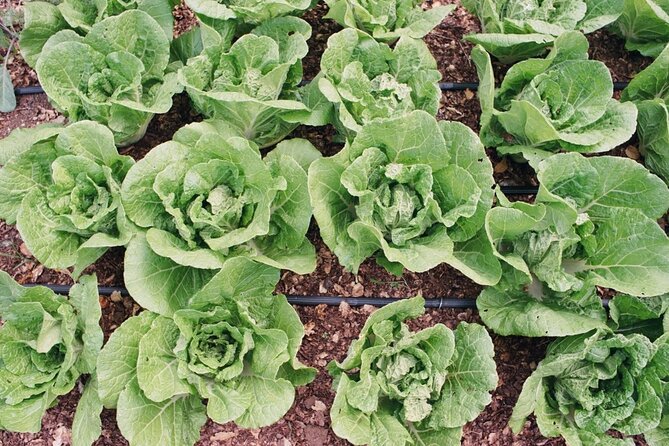
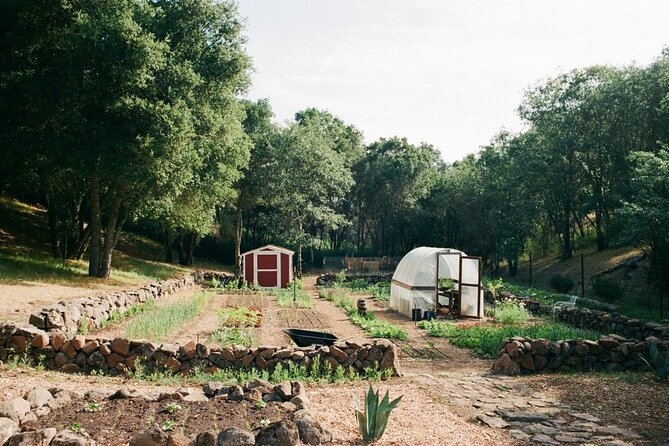
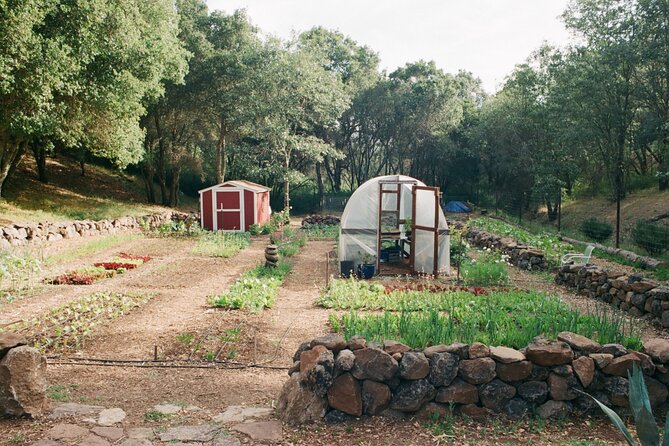
The morning begins with a tasting-style walk through the market garden. You’ll observe the different varieties of fruits and vegetables currently in production, and the guide talks through why those plants are here now.
This is where the experience gets smart. You’re not learning a generic “how to grow” speech—you’re learning how seasonality drives every decision. Timing matters. Vegetable selection matters. And how you fit into the ecosystem matters. The guide will connect those ideas to what you can literally see in the beds.
You’ll likely sample seasonal fruits and vegetables during this part. Even if you already like farmers’ markets, there’s a difference between buying produce and tasting it while learning what’s going on underneath: growth stage, conditions, and why a certain crop is thriving.
If you enjoy food but don’t know the plant side of things, this section helps you make sense of the why. And if you do garden already, it helps you sharpen your timing and selection instead of relying on guesswork.
Regenerative no-till farming, explained in real-world terms
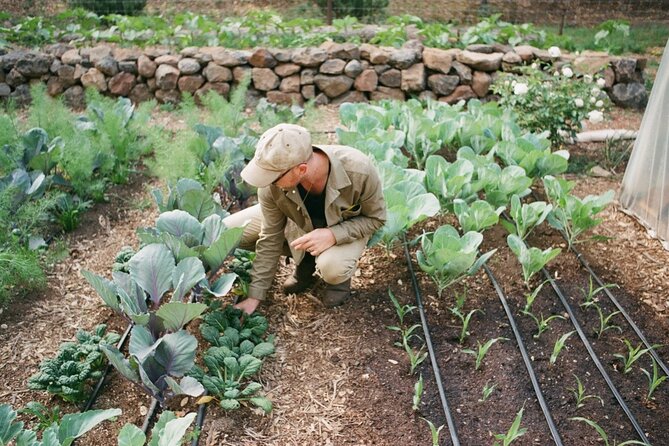
After the garden tour, you’ll get into regenerative no-till farming practices. The core message is simple: build healthier plants by working with nature instead of fighting it.
No-till isn’t just a farming buzzword here. The guide focuses on the practical outcomes you’re aiming for: healthier soil structure, better ecosystem balance, and plants that handle conditions with less stress. That’s what makes this valuable if you’ve ever struggled with soil that never seems to improve.
You’ll also talk about how soil is built, not replaced. That matters for home gardeners because most of us don’t have the time, tools, or budget to constantly start over. When you understand the basics—how soil life supports plant health—you can make steady improvements with small, repeatable actions.
Even if you don’t plan to adopt every practice right away, you’ll leave with a clearer model. You’ll start thinking in terms of seasons, soil habits, and plant choices that match your conditions, not a calendar that ignores the reality of weather.
Hands-on garden work: beds, seedlings, and harvest technique
This is where you really get your hands dirty. The workshop includes seasonally appropriate tasks, adjusted to what the farm needs during the time of year.
You can expect to participate in activities such as:
- learning how to build soil
- planting seedlings
- forming new garden beds
- discussing how to properly harvest
A hands-on approach like this does something list-based gardening advice can’t. It turns concepts into muscle memory. When you handle seedlings, you understand spacing and planting depth better. When you form beds, you feel what “working with the land” actually means.
The guide also ties these actions back to the ecosystem idea. You’re not just doing tasks in isolation. You’re learning how soil, plants, and timing connect—so your efforts at home don’t feel random.
There’s also a nice pacing choice here: you don’t just do work and run. You do tasks, talk through decisions, and then save a chunk of time for your questions at the end. That’s the best part for turning a fun morning into a real planning advantage.
Leaving with answers for your microclimate
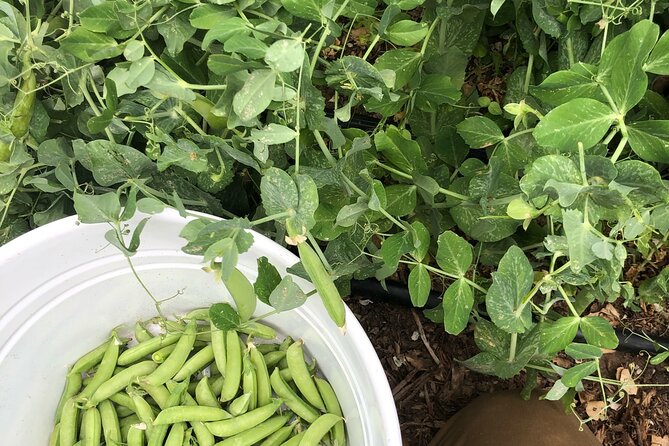
The workshop wraps up with plenty of time for specific questions. This is built for your real conditions—your growing location and your microclimate.
That’s the difference between advice that sounds good and advice you can use. Napa Valley isn’t one climate. Even within a short distance, sun angles, wind exposure, and moisture can change. Your home garden will have its own patterns too.
So come prepared with a few details: what you’re trying to grow, how much sun your space gets, and any problems you’ve already seen (poor germination, slow growth, pests, watering issues—whatever applies). The guide’s focus is on turning your questions into practical next steps.
If you’re the type who likes to nerd-out about gardening topics, this is where it happens. Expect direct answers and helpful technique discussion rather than generic encouragement.
What about food: seasonal sweets at the end
This experience includes a small sample menu with dessert: seasonal sweets. It’s not a full meal, but it’s a pleasant final touch that keeps the farm-to-table theme going.
Think of it as a closing ritual. You spend the morning learning about seasonal produce and farm timing, then you get a seasonal dessert that fits the same logic: what’s available and ready, based on the season.
If you’re coming from town before heading back out, that dessert is a nice way to end without feeling like you need to hunt for lunch immediately.
Who should book this private farm workshop—and who might skip it
This workshop is a great match if you want:
- a non-wine way to enjoy Napa and Sonoma
- practical gardening learning you can take home
- a hands-on regenerative farming class with real question time
It’s also ideal for couples or small groups who prefer a quieter alternative to crowded tours. Since it’s private, your group sets the tone and pace for the day.
You might skip it if you:
- want a purely sightseeing trip with no outdoor farm tasks
- can’t be outdoors for about 1.5 hours, especially if weather is iffy
- are looking for a long, multi-stop day rather than one focused workshop
If you’re on the fence, think of it this way: this is a “learn something useful” Napa experience. If that’s your style, you’ll probably love it.
Practical tips to get the most from 90 minutes
This is short for a reason: you’ll cover tasting observations, key regenerative no-till concepts, and hands-on tasks without dragging it out. To make those 90 minutes count, do a little prep.
Bring:
- closed-toe shoes you’re okay getting dirty
- layers, since mountain conditions can feel different than the valley
- a few questions about your garden setup and microclimate
During the tasting and lesson parts, slow down. Ask how the timing connects to what you’re tasting. Then, when you move into the beds and seedlings, listen for the details that turn “teach me” into “teach me how to do it at home.”
And because it’s private, don’t be shy about tailoring the discussion. The guide’s goal is to help you become a better steward for your own growing conditions—not just to show off a beautiful garden.
Should you book this farm workshop?
I think it’s a strong yes if you want an alternative to wine tourism that’s genuinely useful. The combination of a market-garden tasting, regenerative no-till teaching, hands-on work, and end-of-tour question time makes this feel like a real skill builder, not just a pretty farm visit.
Book it if you’re curious about sustainable growing, want seasonal guidance, and like getting specific answers. It’s also a great choice if you want to see a different side of Napa Valley—one shaped by soil, timing, and plants rather than labels.
Skip it only if you’re not comfortable spending time outdoors, or if you’re hoping for a low-participation, sightseeing-only outing.
FAQ
FAQ
How long is the Private Farm Workshop in Napa Valley?
It lasts about 1 hour 30 minutes.
Where is the meeting point?
The meeting point is Soda Canyon Road, Soda Canyon Rd, California 94558, USA.
What time does the workshop start?
It starts at 10:00 am.
Is this a private tour?
Yes. It’s private, so only your group participates.
What language is the workshop offered in?
The workshop is offered in English.
What kind of farming practices will I learn about?
You’ll learn regenerative no-till farming practices and how to grow healthier plants by working with nature.
Will I taste any food during the workshop?
Yes. The tour includes a tasting-style walk through the market garden, and there is also dessert (seasonal sweets).
Do I need to contact the host before booking?
The host asks you to contact them prior to booking to discuss sensitive location information.
What happens if the weather is bad?
This experience requires good weather. If it’s canceled due to poor weather, you’ll be offered a different date or a full refund.
Is the booking refundable if I cancel?
This experience is non-refundable and cannot be changed for any reason. If it’s canceled because the minimum number of travelers isn’t met, you’ll be offered a different date/experience or a full refund.