REVIEW · HOI AN
From Hoi An: Cooking Class at Organic Farm
Book on GetYourGuide →Operated by Lemon Basil Cookery & Restaurant · Bookable on GetYourGuide
You’ll taste Vietnam at plant level. This Hoi An cooking class pairs an organic farm tour with hands-on cooking, taught in English by friendly chefs like Min and her family, with laughs included. I love the farm-to-table feel and the very practical instruction that helps you cook four iconic dishes. One consideration: there’s no pick-up, so you’ll need to get to Tra Que on your own.
The format is built for small groups (max 10), so you’re not stuck watching from the sidelines. Expect communal cooking where you work together, then eat what you make in a relaxed shared meal.
You’ll leave with new technique and a certificate, plus the confidence to order or recreate Vietnamese favorites back home. If you’re short on time in Hoi An, the 3-hour block is reasonable—but it’s not a quick snack stop.
In This Review
- Key highlights
- Tra Que’s organic farm start: herbs, soil, and spring-roll prep
- Lemon Basil Cookery & Restaurant: how the meeting works in Tra Que
- Meet the chefs: English instruction and a very relaxed family vibe
- Cooking your four classics: spring rolls, papaya salad, clay-pot fish, bánh xèo
- 1) Tra Que Spring Rolls
- 2) Green Papaya Salad
- 3) Fish in Clay Pot
- 4) Vietnamese Crispy Pancake (Bánh Xèo)
- Communal dining: why the meal tastes better with context
- Price and value: what $27 buys in a 3-hour farm cooking class
- Practical tips for a smoother class in Hoi An
- Who should book this Lemon Basil cooking class
- Should you book the Lemon Basil Cooking Class at the Organic Farm?
- FAQ
- Where is the meeting point for the cooking class?
- How long is the cooking class?
- Is pick-up included from Hoi An?
- What dishes will I cook during the class?
- Is the class suitable if I have dietary restrictions?
- Do I need any prior cooking experience?
- What are the cancellation and payment options?
Key highlights
- Tra Que organic farm tour first, with real herbs and garden know-how before the cooking starts
- Four hands-on dishes: Tra Que Spring Rolls, Green Papaya Salad, Fish in Clay Pot, and bánh xèo
- English-speaking instruction in a small group (often around 6 people in practice)
- Flavor balance training, especially for sour-sweet-salty spice in papaya salad and dipping sauces
- Dietary flexibility for allergies and preferences, including no-pork requests
- Family-style vibe with humor and easy conversation with the hosts
Tra Que’s organic farm start: herbs, soil, and spring-roll prep
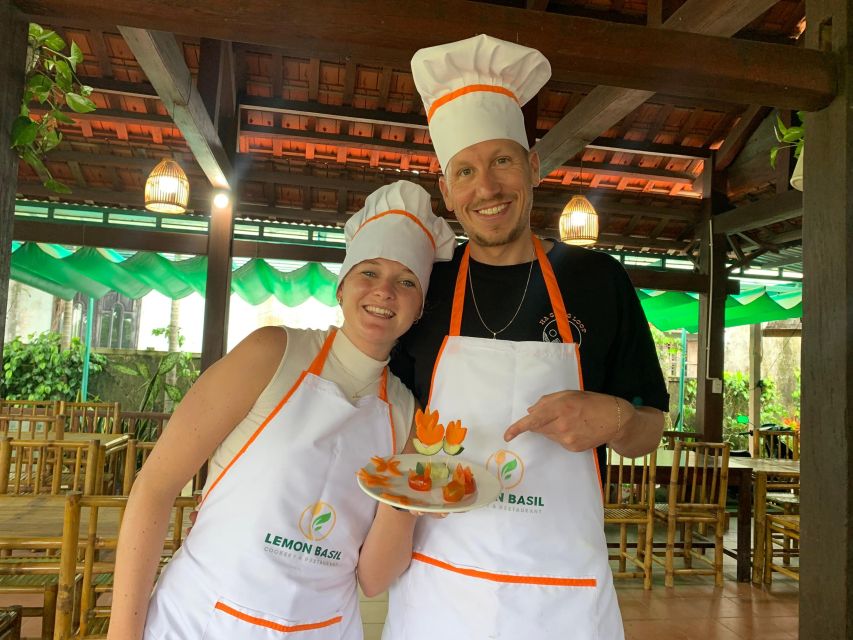
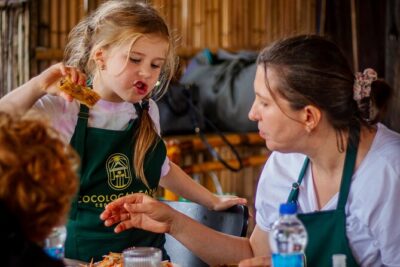
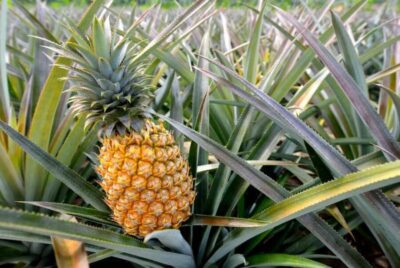
I like that this class begins outside, in Tra Que vegetable village, not in a studio kitchen. The farm tour is where the food stops being abstract. You’ll get to see the crops and herbs used in Vietnamese cooking, and it sets the stage for why the flavors taste the way they do.
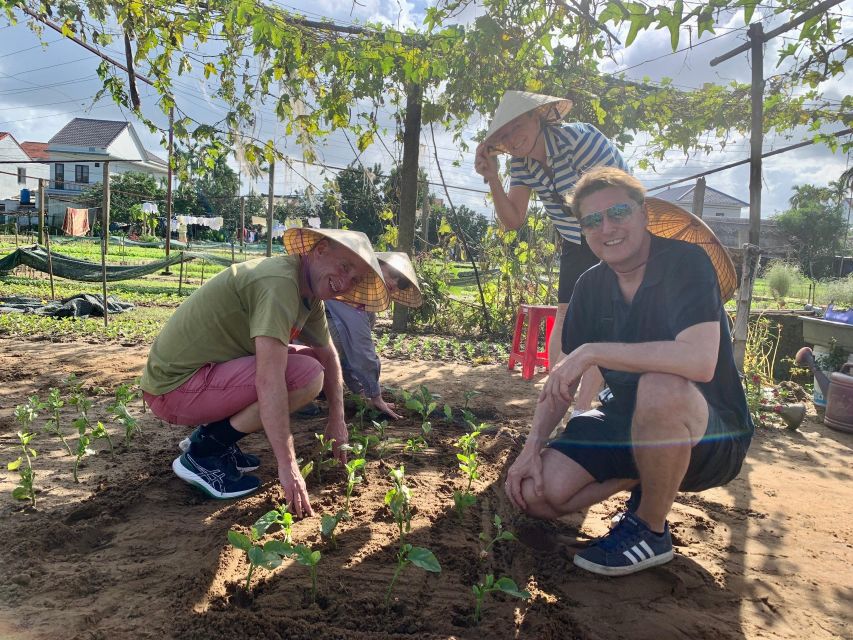
From what I’ve seen shared by past participants, the farm portion can include more than a quick walkthrough. You may help with simple tasks like watering crops or planting greens, depending on the day. That matters because you’re not just learning recipes—you’re learning what ingredients actually look like before they become lunch.
You’ll also connect the dots between herbs and dish personality. Spring rolls in this region often rely on fresh, aromatic greens. Green papaya salad needs crunchy texture and a sharp dressing balance. Clay-pot fish leans on gentle heat and aromatic seasoning. And bánh xèo is all about thin batter, sizzling pans, and the right wrap-and-dip rhythm. Seeing the ingredient garden first makes the cooking portion make sense fast.
What to consider: if you’re expecting a fully “hands-in” farm labor day, the class is still mainly a cooking class. The farm time is useful and interactive, but it’s not heavy agricultural work. Think light participation, not farm-season training.
You can also read our reviews of more tours and experiences in Hoi An.

Lemon Basil Cookery & Restaurant: how the meeting works in Tra Que
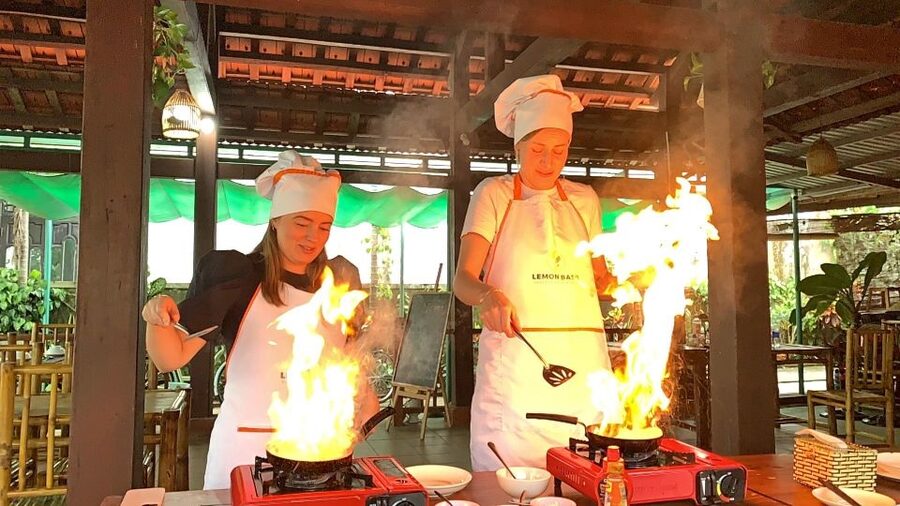
This is a straightforward “arrive on your own” experience. Your meeting point is Lemon Basil Cookery & Restaurant, in the heart of Tra Que vegetable village. The signage is meant to be noticeable, and the setting itself is calm, green, and easy to orient around.
You’ll want to arrive about 5–10 minutes early. That gives you time to settle in and get grouped without feeling rushed. Since there’s no pick-up, build a little buffer into your Hoi An routing plan—Tra Que is close enough for an easy trip, but you don’t want to be late on a timed class.
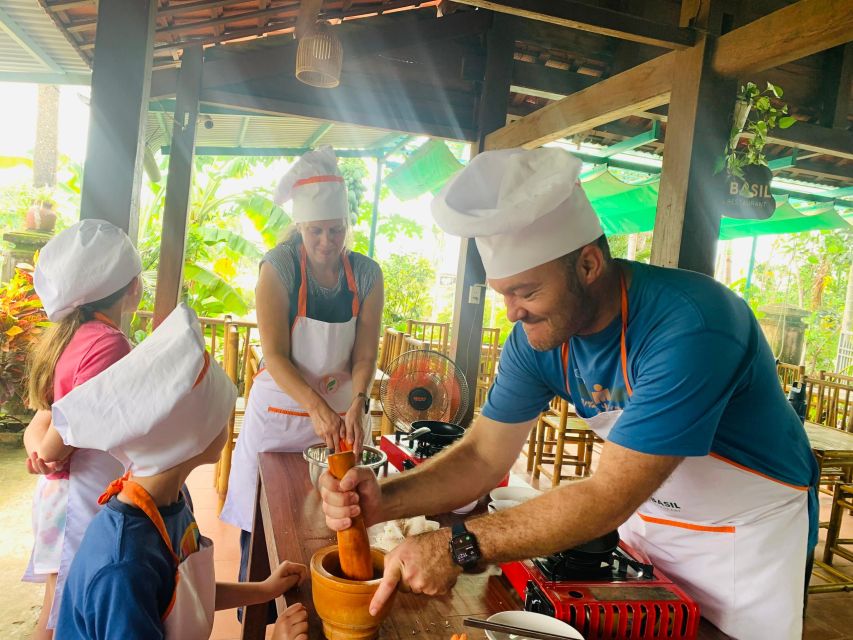
Small group reality check: the class is capped at 10 participants, and in practice it can feel even more intimate (some groups have been smaller). That’s a big deal for learning. You’ll be able to ask questions about cutting, mixing, and cooking steps without waiting forever for attention.
If you’re pairing this with other Hoi An activities, treat it like a main event. You’ll eat what you cook, and the time flies when you’re working with a group.
Meet the chefs: English instruction and a very relaxed family vibe
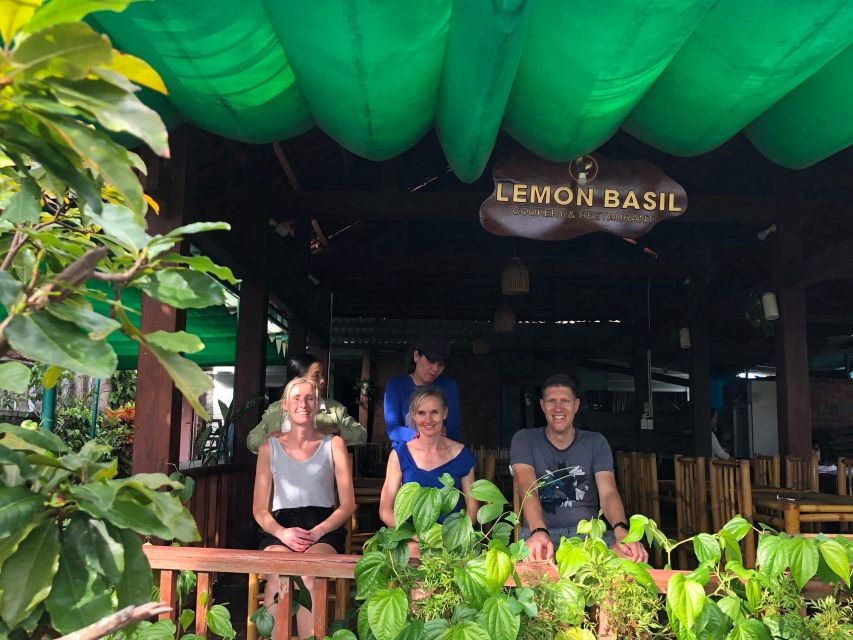
One of the most praised parts is the hosting style. Past sessions describe Min (sometimes written as Minh) welcoming the group and keeping the atmosphere friendly and funny. You might also meet other family members who pitch in—an auntie or uncle type of energy comes up in descriptions, with herbs explained and farm questions encouraged.
I especially like that instruction is English-speaking, and it’s aimed at all skill levels. You don’t need fancy knife skills or prior experience to participate. The cooking steps are broken down in a way that lets you succeed even if you’re nervous around a stove.
Also, the class tends to feel like a home operation, not a rigid factory lesson. People talk, laugh, and ask follow-up questions while cooking. That’s not just nice socially—it improves learning. When you’re comfortable, you pay attention and remember what worked.
Possible drawback: if you’re someone who prefers very quiet, formal teaching, the humor and family chatter might feel a little too casual. But if you like learning through interaction, it’s a strong plus.
Cooking your four classics: spring rolls, papaya salad, clay-pot fish, bánh xèo
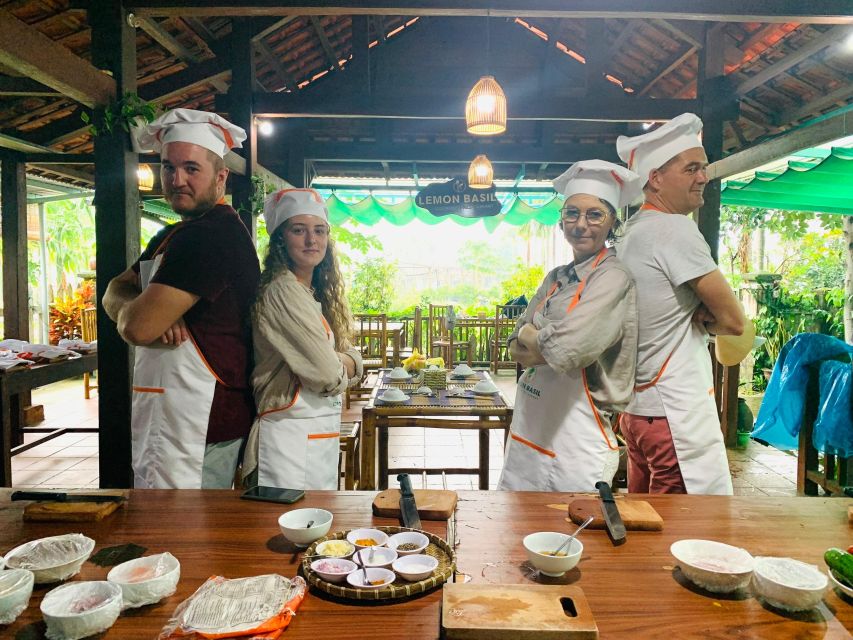
This class revolves around four well-loved Vietnamese dishes. The big value here isn’t only tasting—it’s getting hands-on practice with the key steps behind each one.
1) Tra Que Spring Rolls
Spring rolls are a great entry dish because they teach assembly logic. You’ll use the farm-to-table vibe you started with—fresh herbs and vegetables make a huge difference here. You’ll learn how to assemble rolls properly and how to think about balance: crisp, fresh, and paired with the right dipping style.
In many sessions, the emphasis is on technique you can repeat later: how to handle fillings, how to keep wraps from tearing, and how to build flavors instead of just stuffing.

2) Green Papaya Salad
Green papaya salad is where Vietnamese flavor balancing comes in. Expect sour, sweet, salty, and a hit of spice, all working together. You’ll cook alongside the group while learning how dressing adjustments matter—small changes can make the salad taste more sharp or more mellow.
This is also one of those dishes where you learn by doing. You’ll see how ingredients react together and why it’s not just about one sauce component.
3) Fish in Clay Pot
Clay-pot fish is comforting and aromatic, and it teaches “gentle cooking” discipline. The clay pot style (hot, humid, slow enough to infuse) is part of the dish personality. You’ll learn the method steps and how seasoning stays flavorful instead of boiling away.
It’s also a good dish for people who love deeper flavor without constant stirring. You’ll still be active, but you’re not doing the whole cooking process alone.
4) Vietnamese Crispy Pancake (Bánh Xèo)
Bánh xèo is the fun finale for many people. It’s also the one that scares beginners a little—thin batter, sizzle, and timing. But the class structure makes it manageable. You’ll learn how to cook the pancake so it ends up crisp and foldable, then how to eat it the Vietnamese way: wrap, dip, and balance.
Even people who struggle with flipping or cutting report it as a highlight. The point is not perfection. It’s technique plus confidence.
One more detail I think matters: the class aims to keep dishes flexible for different dietary needs. If you have a preference or allergy, you’ll be able to inform the team in advance, and the cooking plan adjusts where possible (example: no-pork requests have been handled).
Communal dining: why the meal tastes better with context
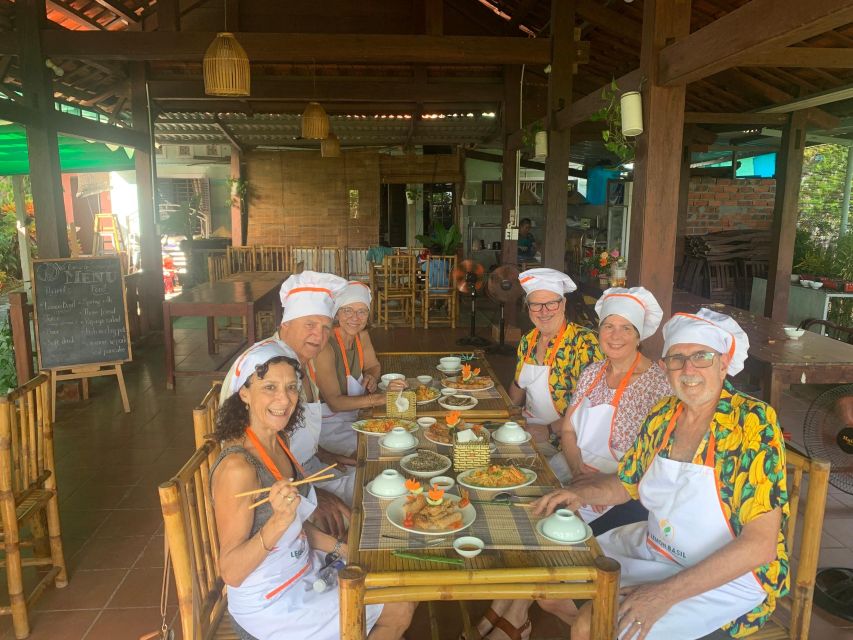
After cooking, you eat together. This is communal dining, so you’re not just plated and dismissed. You’ll enjoy what you made, and the group setting makes it easier to compare notes like how your papaya salad turned out or whether your bánh xèo crisped the way you hoped.
There’s a psychological benefit here: you understand the dish because you made it through the process. That changes how you taste it. You notice herb intensity. You notice whether the salad dressing leans sweet or sharp. You notice how the clay pot keeps flavor tight. You’re eating with context, not just hunger.
Some past participants even mention a fruit finish, with items like mango, pink jackfruit, and lychees. While that may vary by timing and day, it’s a common way classes end: a light, fresh close after the heavier cooking.
There’s also a “wrap-up” element: you’ll get a certificate of completion. It sounds small, but it’s a nice keepsake and a reminder you actually learned something, not just took photos.
Price and value: what $27 buys in a 3-hour farm cooking class
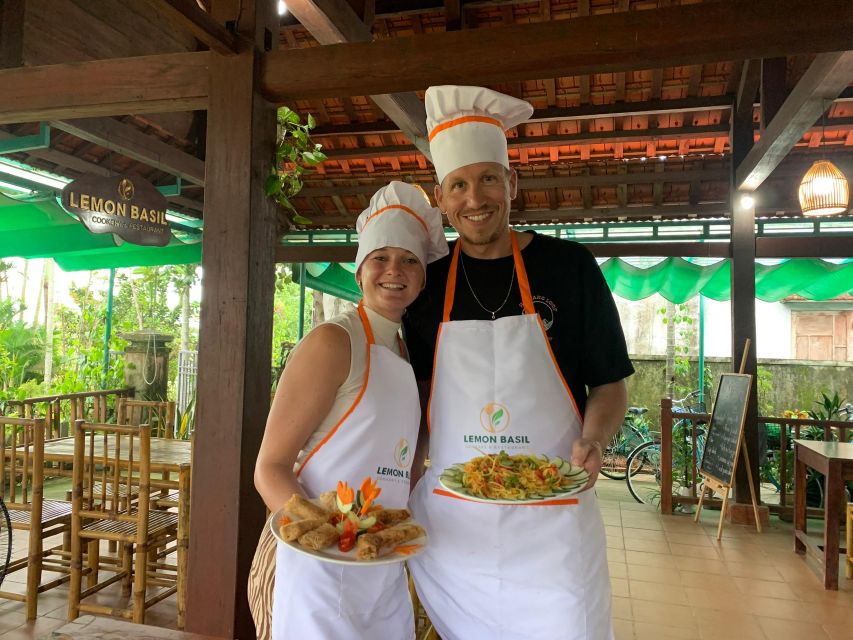
At $27 per person, this class is priced in the “real experience” zone for Hoi An. In plain terms: you’re paying for (1) farm time, (2) English-speaking instruction, (3) ingredients for multiple dishes, and (4) a meal you eat at the end.
A lot of cooking classes charge a similar amount but focus mostly on kitchen instruction. Here, you get the garden start in Tra Que vegetable village. That makes the ingredients feel specific, not generic. You also get four dishes, not just one main item.
Small group size (limited to 10) matters for value too. More attention per person usually means fewer mistakes and better learning.
Trade-off: transportation is not included. So your true cost is $27 plus whatever it takes you to reach Lemon Basil Cookery & Restaurant. Still, if you’re already doing a Tra Que visit, or if your hotel setup makes getting there easy, it keeps the deal strong.
All-in, if your goal is hands-on Vietnamese cooking rather than a brief taste-and-go, this feels like good value.
Practical tips for a smoother class in Hoi An
Here’s how to make your 3 hours feel effortless.
1) Arrive ready to work. Wear comfortable shoes and clothes you don’t mind getting a little warm or messy. Farm starts and cooking starts mean you’ll move around.
2) Bring your questions. If you care about spice level, textures, or which ingredient changes the flavor most, ask early. English instruction helps a lot here, and the hosts seem comfortable explaining beyond the basics.
3) Tell them dietary needs upfront. The class is described as flexible for all dietaries, and no-pork requests have been accommodated. If you have allergies or strong preferences, message ahead so they can plan the substitutions.
4) Expect hands-on, not watch-only. You’ll chop, mix, assemble, and cook. Even if you’re a beginner, you’ll have tasks appropriate for your comfort level.
5) Plan your hunger. You’ll eat communally at the end, and some classes mention fresh fruit afterward. Treat it like lunch (or brunch) so you don’t need a big dinner right after.
6) If you love photos, ask about them. One participant mentioned the host took photos and videos during the class. You might get that too, but don’t count on it without asking.
Who should book this Lemon Basil cooking class
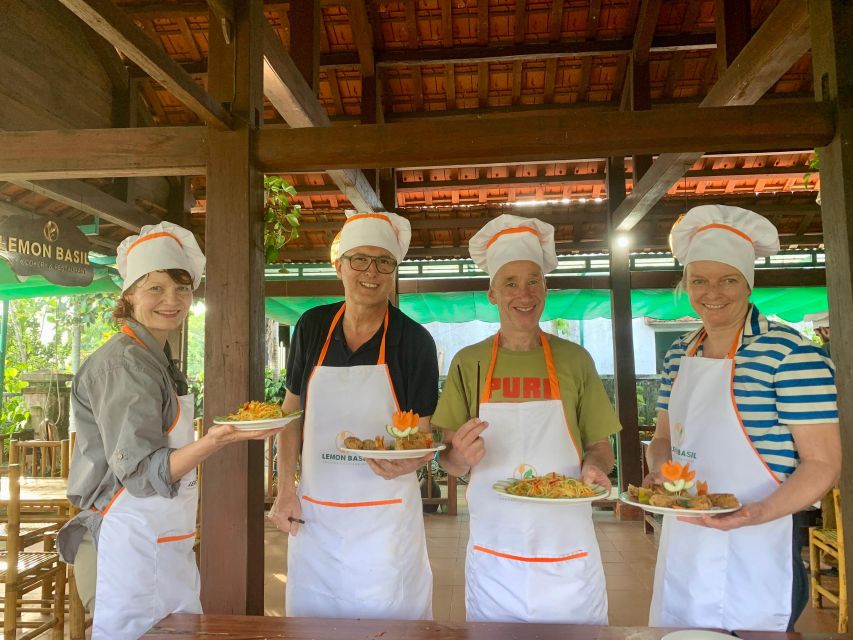
This is a great fit if you want Vietnamese cooking that’s practical, ingredient-focused, and not intimidating.
Book it if:
- You like learning by doing (not just watching)
- You’re curious about Tra Que’s herbs and vegetables and how they show up in dishes
- You want a small-group experience with English instruction
- You’d enjoy a friendly, family-style vibe with humor
Skip it (or think twice) if:
- You want an ultra-formal, silent class
- You hate any cooking mess at all
- Getting yourself to Tra Que independently sounds like a hassle for your schedule
Given the 5/5 rating across 40 reviews, plus repeat praise for the hosts’ warmth and the hands-on learning, it’s a safe recommendation for many visitors to Hoi An.
Should you book the Lemon Basil Cooking Class at the Organic Farm?
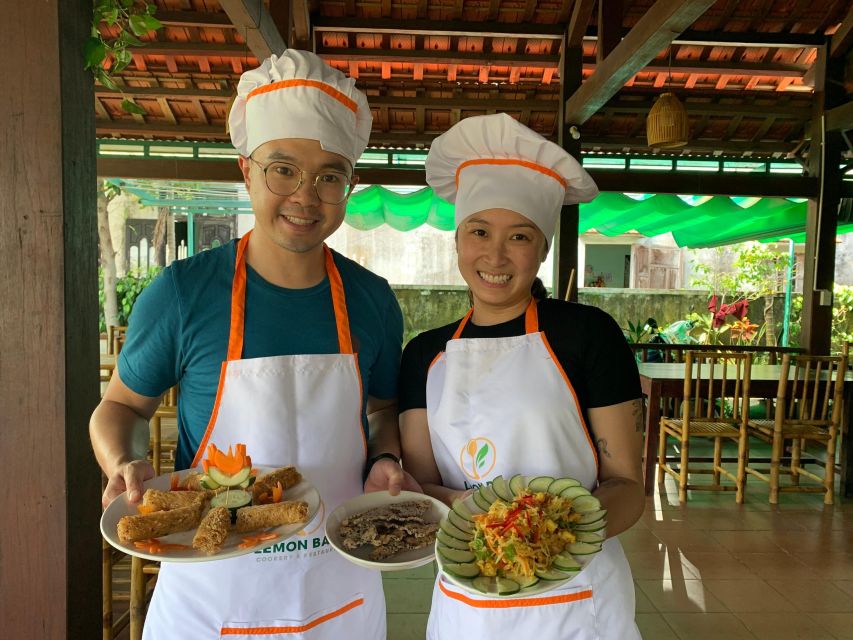
Yes, if you want an authentic Hoi An experience that actually teaches you how Vietnamese dishes come together. The farm-to-table start gives context, and the four-dish cooking format gives you something concrete to remember and recreate: spring rolls, green papaya salad, clay-pot fish, and bánh xèo.
My only real caution is logistical: no pick-up. If you can handle getting yourself to Tra Que on time, this class looks like a strong use of your time and money. If you’re craving an easy, friendly, hands-on day with real ingredients, this one is worth booking.
FAQ
Where is the meeting point for the cooking class?
You meet at Lemon Basil Cookery & Restaurant in the heart of Tra Que vegetable village.
How long is the cooking class?
It runs for about 3 hours (some sessions are noted as around 3–3.5 hours).
Is pick-up included from Hoi An?
No, pick-up is not included. You’ll need to arrive independently to the meeting point.
What dishes will I cook during the class?
You’ll cook four dishes: Tra Que Spring Rolls, Green Papaya Salad, Fish in Clay Pot, and Vietnamese Crispy Pancake (Bánh Xèo).
Is the class suitable if I have dietary restrictions?
Yes. The class is described as flexible for all dietaries, and you’re asked to inform them of dietary restrictions in advance.
Do I need any prior cooking experience?
No. The class is suitable for all skill levels, and you don’t need prior cooking expertise.
What are the cancellation and payment options?
You can cancel up to 24 hours in advance for a full refund, and there is a reserve now & pay later option (you can book without paying immediately).