REVIEW · GRAN CANARIA
Full-Day Tour Exploring History, Nature and Aloe Vera Farm
Book on Viator →Operated by VIMOTIONS · Bookable on Viator
It feels like a whole island in one day. This full-day trip strings together history and nature across Gran Canaria, from cave dwellings in Guayadeque to the giant volcanic rock at Roque Nublo. You’ll also pass through old towns like Agüimes and Teror, with breaks that help you get your bearings fast.
I especially like the mix: aboriginal-era sites plus mountain scenery, not just beaches. I also like that your guide stays with you for the day (and some guides, like Tom, Simone, Miguel, or Maribel, are known for keeping the commentary moving across multiple languages), so you’re not stuck staring at a window without context.
One thing to consider: it’s a long day on the road, and some stops can feel short—so if you want slow, deep time in one place, you might feel rushed. The final aloe stop can also feel more sales-oriented than you expect.
In This Review
- Key Things I’d Highlight Before You Go
- A 7-Hour Gran Canaria Loop Through Caves, Crags, and Classic Villages
- Price and Value: What You Pay, What You Still Need to Budget
- Pickup in the South: When You Need to Be Ready
- Stop 1: Agüimes Old Town and Guayadeque’s Cave-Dwelling Past
- Stop 2: Arucas for Rum, Bananas, and a Quick Reality Check
- Stop 3: Teror and the Basilica of Nuestra Sra del Pino
- Stop 4: Valleseco’s Protected Nature and Your Lunch Window
- Stop 5: Roque Nublo, the Volcanic Rock That Still Matters
- Stop 6: Fataga’s Aloe Vera Farm Stop (Learn It, But Know the Retail Vibe)
- The Real Timing: How Much Time You Get (and Where It Can Feel Tight)
- Drivers and Guides Make the Difference on Mountain Roads
- What to Pack for a Comfortable Coach Day
- Should You Book This Tour?
- FAQ
- How long is the tour?
- What’s included in the price?
- Is lunch included?
- Where does the pickup happen?
- What time does the tour start?
- Is a mobile ticket used?
- How many people are on the tour?
- Are there entry fees at the stops?
- What if the weather is poor?
- What’s the cancellation policy?
- Is the tour open to most travelers?
Key Things I’d Highlight Before You Go
- Guayadeque’s cave-dwellings: pre-Hispanic history in a living setting, not a staged museum.
- Roque Nublo: a volcanic crag with real cultural meaning for the islanders, protected since the late 20th century.
- A real hill-town mix: Agüimes, Arucas, Teror, Valleseco, and Fataga give you a wide view of island life.
- Practical timing: mostly included stops with a real lunch option (not built into the tour price).
- Multilingual guiding: guides are reported to manage several languages, which matters on longer days.
- The aloe farm stop: you learn about aloe uses, but be ready for a stronger retail vibe at the end.
A 7-Hour Gran Canaria Loop Through Caves, Crags, and Classic Villages
This tour is designed for first-timers and for anyone who wants the “main circuits” of Gran Canaria without driving. The day is about contrasts. You start with Agüimes old-town energy, then move into greener valleys, volcanic scenery, and hill villages that feel a world away from the south coast.
You’ll be on a guided day trip with pickup from southern hotels (or a nearby pickup point). Transfers typically run between 09:00 and 10:30, while the activity itself runs about 7 hours. In practice, it can feel like a full-day commitment—long enough that you’ll want to plan your energy like you would for a hiking day, not a quick city walk.
Also note: the tour is limited to up to 40 travelers, which helps. Still, it’s a coach-style day, so don’t expect flexible “linger as long as you want” timing at every stop.
You can also read our reviews of more tours and experiences in Gran Canaria.


Price and Value: What You Pay, What You Still Need to Budget
The price is $59.61 per person, and that covers more than a simple ride. You get a guide, transportation (transfer/pickup and drop-off in southern Gran Canaria), the aloe farm visit, and insurance. That’s good value if you don’t want to manage the winding roads on your own.
The big extra cost is lunch. Lunch isn’t included, and the day’s schedule includes time in Valleseco for lunch, where you can buy food (or you can bring something if you prefer). Some people reported paying around €12–€13 for a multi-course set meal with a drink as the group lunch option—handy if you want a predictable, organized meal.
My quick rule for deciding: if you’re the type who would spend money on a guided day anyway, this can be a solid deal. If you hate coach time and short stops, the price won’t feel as “cheap” once you realize how much of the day is travel between viewpoints and towns.
Pickup in the South: When You Need to Be Ready
Pickup is offered only from hotels in the south of Gran Canaria, and the transfer window is roughly 09:00–10:30. You can be picked up right at your hotel or at the nearest pickup point.
That matters because the day starts earlier than you might guess. If you’re staying in the south (San Agustín, Maspalomas area, Playa del Inglés region, etc.), this is convenient. If you’re elsewhere on the island, you may not have access to pickup with this specific tour route.
Tip: treat your morning like you would for an early flight. Have water ready, sunscreen on, and your shoes on. You’ll be glad you did once the first mountain views begin.
Stop 1: Agüimes Old Town and Guayadeque’s Cave-Dwelling Past
This is where the tour earns its “more than postcards” reputation.
You start in Casco Historico de Agüimes, known for being an ancient aboriginal settlement. Even if your time there is brief, it gives you a sense of how the island’s early communities shaped the towns you see today.
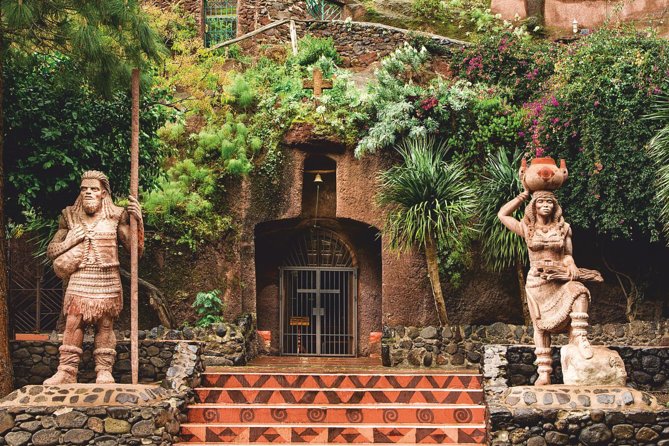
Then comes Guayadeque Valley, declared a Natural Monument in 2000. This part feels special because it’s not just “old rocks.” You’ll be looking at cave-dwellings connected to the first pre-Hispanic inhabitants. The most compelling detail: some of these cave homes were settled by early inhabitants and are still in use today, which turns the visit from a history lesson into something more living.
What to watch for:
- Wear shoes with grip. The ground around valleys and viewpoints can be uneven.
- Don’t rush the cave section if you can help it. Even a short walk gives you context for how people adapted to the terrain.
Stop 2: Arucas for Rum, Bananas, and a Quick Reality Check
From Guayadeque’s cave world, you’ll shift into Arucas, a town tied to local rum and banana cultivation. The stop is about one hour, which is just enough time for a stroll and a snack, but not enough time to “really see Arucas” in the way you’d do with a second visit.
Still, it’s a useful change of pace. It helps you understand that Gran Canaria isn’t only mountains and viewpoints. It’s also agriculture, production, and local trade—things that show up in everyday town life.
If you’re someone who likes food and local products, use this time for a quick taste and a photo or two, then keep your energy for the bigger scenery stops.
Stop 3: Teror and the Basilica of Nuestra Sra del Pino
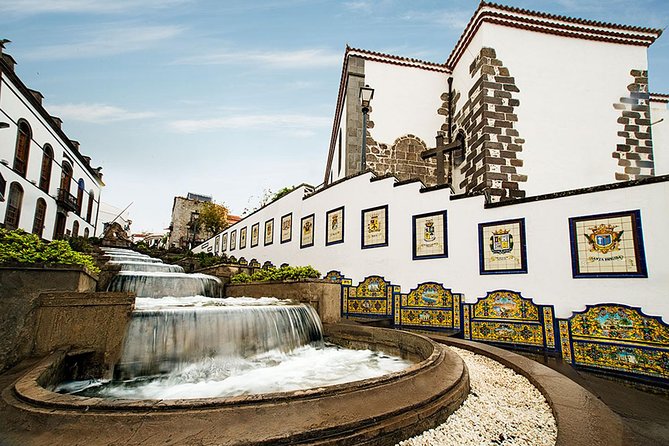
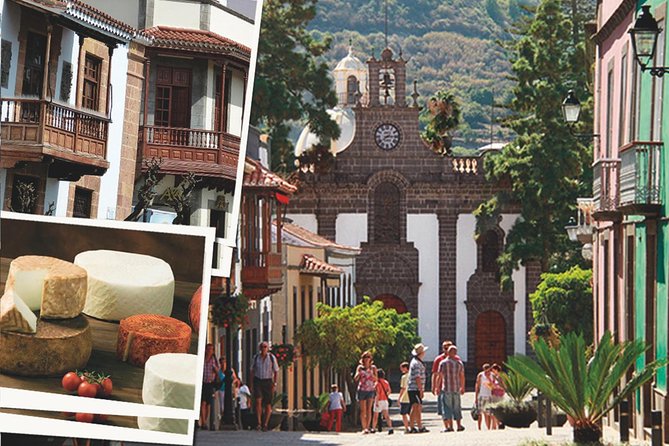
Next up is Teror (Villa de Teror), a beautiful town with stately homes in a Canarian style. The highlight is the Basilica of Nuestra Sra. del Pino, tied to the patron saint of the Canary Islands deanery.
This stop works well if you like architecture and cultural landmarks. The basilica area gives you a clear sense of local religious tradition, while the surrounding streets help you feel the town rhythm—less “tourist strip,” more real community.
A drawback? One hour is tight. You might spend time just finding your way to the most interesting streets and viewpoints. If you want deeper time here, you may wish you had a free day in Teror later.
Stop 4: Valleseco’s Protected Nature and Your Lunch Window
Then you hit Valleseco, known for its greenery and described as having 80% of its territory in protected natural areas. The name fits the vibe: you’ll see a place defined by overflowing vegetation, the kind of greenery that makes the island feel cooler and fresher than the south.
You’ll get about two hours here, including free time to walk and have lunch (lunch not included in the tour price). This is one of the better “not just a photo stop” segments of the day.
How to use your time well:
- Walk a loop on the streets and let the valley setting sink in.
- Grab lunch sooner rather than later, especially if you find a spot you like.
- If you don’t want the group lunch option, bring a simple alternative (like a sandwich) and eat where you can.
This is also the time when you’ll want to check in with your own energy level. After Valleseco, the day gets more viewpoint-heavy.
Stop 5: Roque Nublo, the Volcanic Rock That Still Matters
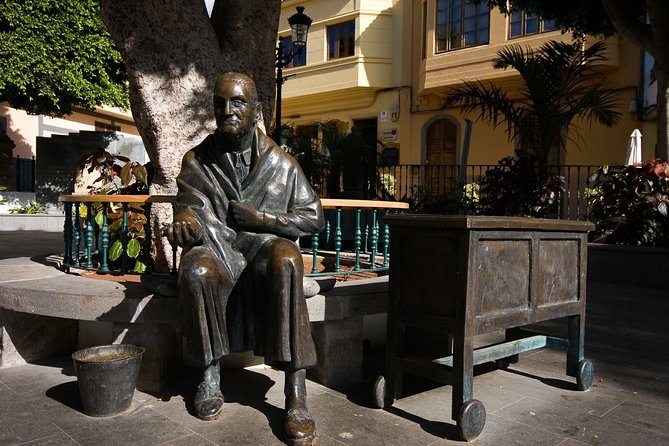
If you only remember one scenery stop, make it Roque Nublo.
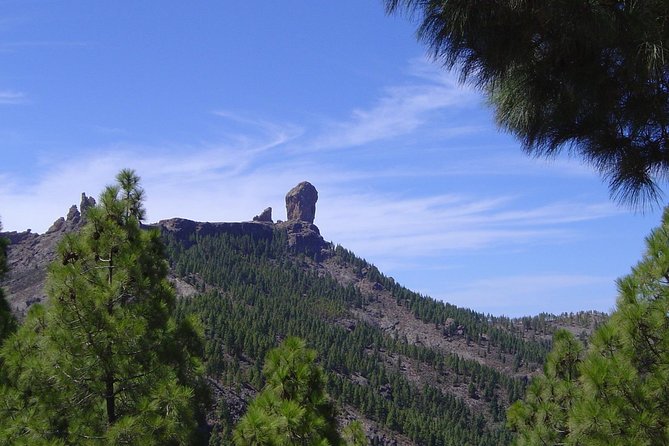
This volcanic crag is described as one of the largest natural rock formations in the world, rising about 80 meters above its base. It’s not just dramatic. It’s also culturally meaningful: it’s tied to ancient worship by islanders, and the area around it was declared a protected natural area in 1987, then a rural park later.
During your stop (about one hour), you’ll likely get a chance to take in the crag from key viewpoints and understand why it’s so central to Gran Canaria identity.
Practical advice:
- Bring a layer. Mountain areas can feel cooler and windier than the south coast.
- Watch your footing—viewpoints may not be perfectly flat.
- Give yourself time to look back and compare the valley views as the coach drops you off and you start walking.
Stop 6: Fataga’s Aloe Vera Farm Stop (Learn It, But Know the Retail Vibe)
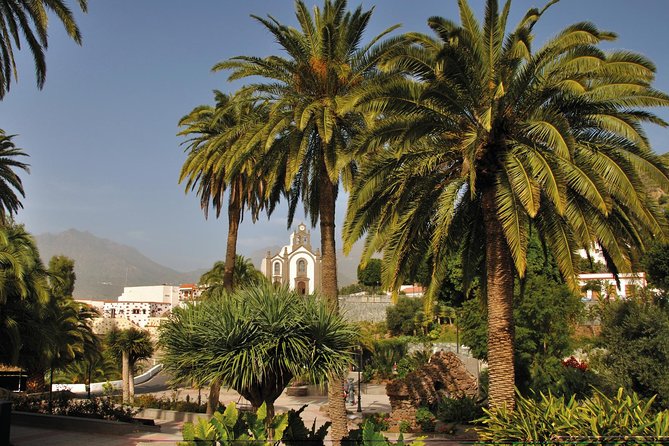
You end with Fataga in the itinerary story. Fataga is known as the Valley of the Thousand Palm Trees, but the tour notes you won’t stop in Fataga itself. Instead, your final stop is an aloe vera property.
Here you learn about aloe vera—often called a miracle plant—along with its uses and properties, and how more people in the Canary Islands are growing and commercializing it.
Now the honest part: this is the stop where expectations can clash with reality. Some people love that it’s educational. Others feel it’s more like a sales-focused endpoint than a hands-on farm visit. The key is to go in with the right mindset: you’ll learn the basics, but you should also assume there will be a stronger retail component than at earlier cultural stops.
My suggestion:
- Treat the aloe visit like a quick education plus a chance to ask questions.
- If you’re not interested in buying, still go for the explanations and take in the setting.
- If you are interested in products, this is the moment to compare prices and what you’re actually getting.
The Real Timing: How Much Time You Get (and Where It Can Feel Tight)
One reason this tour works for some people and not for others is the stop balance.
You’ll have:
- Short cultural stops (often around an hour each), like Agüimes, Arucas, and Teror
- A longer break at Valleseco with lunch time
- Two larger “wow” scenery moments, Roque Nublo and the Guayadeque area
That means a lot of the day is coach time. It’s comfortable enough, and the mountain roads are scenic, but you’ll still spend a big chunk sitting and relocating.
Some people said transportation by coach can limit views compared with a smaller vehicle. My take: it’s still worth doing because the route hits important places you probably wouldn’t reach easily without a car—especially if you’re staying in the south and don’t want the stress.
Drivers and Guides Make the Difference on Mountain Roads
Gran Canaria’s interior roads can be tight and winding. That’s where good driving matters.
Guides like Tom, Simone, Miguel, and Maribel are referenced for clear commentary and friendly group handling, while drivers such as Manolo and Alfredo were described as skilled through mountainous roads. On a day full of quick stops, this matters. It’s the difference between feeling like you’re rushing through chaos and feeling like someone is guiding you through a planned route.
You’ll also notice multilingual handling in practice. Some guides are reported to speak multiple languages, including German and English, and some manage a broader mix. If you’re traveling alone and not fluent in Spanish, that can turn the day from stressful to understandable.
What to Pack for a Comfortable Coach Day
This tour is mostly outdoors and walking around towns and viewpoints, so pack like you’re doing a day of hills.
Bring:
- Comfortable walking shoes (grip matters)
- Sun protection (even in mountain areas)
- A light layer for Roque Nublo and higher viewpoints
- Water (you’ll have long gaps between places)
- A plan for lunch: either use the group restaurant option or bring something simple
Also, because you’re on a schedule, keep your phone charged. The best photos come when you’re ready, not when you’re hunting for a cable.
Should You Book This Tour?
I’d book this if you want a fast, guided overview of Gran Canaria’s inland culture and nature—especially if you’re staying in the south and don’t want to drive the mountain roads yourself. The mix of Guayadeque’s living cave history, Teror’s basilica, Valleseco’s protected greenery, and Roque Nublo’s volcanic presence is a smart way to understand the island in one shot.
I would skip it if:
- You hate coach-heavy days and prefer long, slow time in fewer places
- You mainly want a hands-on aloe farm experience without retail pressure
- You’re picky about how much time you spend in each stop and can’t handle “photo and move on” pacing
If you book with the right expectations—education plus scenic highlights, with a little sales at the end—you’ll likely feel you got your money’s worth.
FAQ
How long is the tour?
It’s about 7 hours.
What’s included in the price?
You get a guide, transfer/pickup and drop-off in southern Gran Canaria, an aloe vera farm visit, and insurance. Lunch is not included.
Is lunch included?
No. Lunch is not included in the tour price, but you’ll have free time for lunch during the day.
Where does the pickup happen?
Pickup is offered from hotels in the south of Gran Canaria. If your hotel isn’t a direct pickup point, you’ll be picked up at the nearest pickup point.
What time does the tour start?
The start time is 9:00 am, with transfers typically happening roughly between 09:00 and 10:30.
Is a mobile ticket used?
Yes, the tour includes a mobile ticket.
How many people are on the tour?
The tour has a maximum of 40 travelers.
Are there entry fees at the stops?
The listed admissions are marked as free at the stops shown in the itinerary.
What if the weather is poor?
The experience requires good weather. If it’s canceled due to poor weather, you’ll be offered a different date or a full refund.
What’s the cancellation policy?
You can cancel up to 24 hours in advance for a full refund.
Is the tour open to most travelers?
The tour says most travelers can participate.