REVIEW · HERAKLION
Lassithi, Zeus Cave, Olive Mill Farm & Knossos Combo Tour
Book on GetYourGuide →Operated by Cretan Odyssey · Bookable on GetYourGuide
Five big stops. One long Crete day. This Lassithi Plateau tour strings together the Zeus Cave at Psychro, a calm Vidiani Monastery, an olive-oil farm visit, and ends with a guided look at Knossos. If you want a lot of Cretan variety without planning a full itinerary yourself, this is built for you.
What I like most is how the morning sets the tone: Vidiani Monastery feels peaceful right when the day starts getting hectic. The second standout for me is the storytelling during the day—guides like Soula or Nektarios have a way of turning myths and ruins into something you can picture.
The one real consideration: it is a long day on a big coach, and the walk portions around Zeus Cave are not casual. If you’re sensitive to steps and rocky ground, plan for extra strain and pack the right shoes.
In This Review
- Key things to know before you go
- Lassithi Plateau and Psychro Cave: the Zeus part of the day
- Vidiani Monastery at the start: a slow, scenic reset
- Krasi village and the old plane tree: quick, scenic, and genuinely different
- Olive Mill Farm: where the smells and stories are
- Knossos Palace: getting meaning from 1 guided hour
- Price and Logistics: what your € and minutes really buy
- What to pack and how to pace yourself
- Who this tour is for (and who should skip it)
- Should you book the Lassithi, Zeus Cave, Olive Mill Farm & Knossos Combo Tour?
- FAQ
- What entrance fees are not included?
- Is lunch included in the price?
- How long is the tour?
- Does the tour include hotel pickup and drop-off?
- How hard is the walk to Zeus Cave?
- What’s the total walking time like at Knossos?
- What languages are the live guides offered?
Key things to know before you go
- Psychro Cave takes effort: expect a steep climb, lots of steps, and a rocky final stretch.
- You get two guided highlights: Vidiani Monastery and the Knossos Palace tour are both led with interpretation.
- Krasi’s plane tree is the memorable village moment: it’s a quick stop, but it’s unique.
- The olive mill stop is more than shopping: you’ll see how olive oil, honey, and olive-based products are made.
- Knossos comes in the afternoon: some people love the timing; others want more time on their own.
Lassithi Plateau and Psychro Cave: the Zeus part of the day
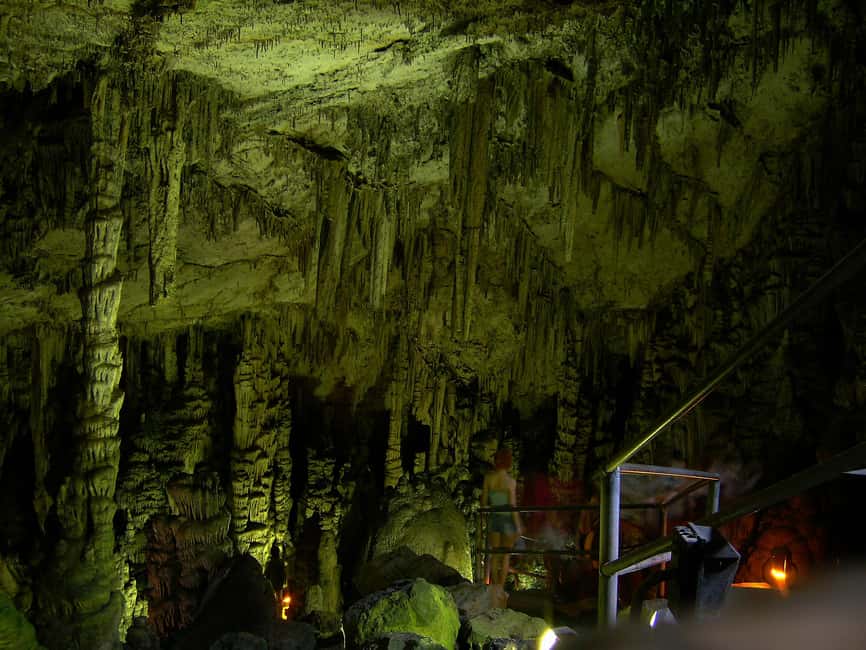
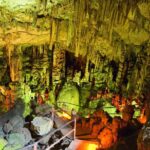
This is the myth-heavy centerpiece of the tour. You’ll drive up toward the Lassithi Plateau area and then head to Psychro Cave, also tied to the legendary birthplace of Zeus. Once you enter the cave area, the big draw is the dramatic interior—stalactites and stalagmites that have formed over thousands of years.
The tradeoff is physical. You should assume the approach involves uphill walking before you even get into the cave, and the route includes steps and uneven ground. Some visitors also note a harder last stretch into the cave that can feel rocky, so good footwear matters more than you might think.
There’s also a useful reality check: Psychro Cave has had periods of closure for restoration. One recent booking note said Zeus Cave was closed until at least November 2025, and another guest said that even when it’s closed, the day can still be worthwhile—just expect the cave portion to be affected. If Zeus Cave is the reason you booked, it’s worth confirming the operating status close to your travel date.
You can also read our reviews of more tours and experiences in Heraklion.
Vidiani Monastery at the start: a slow, scenic reset
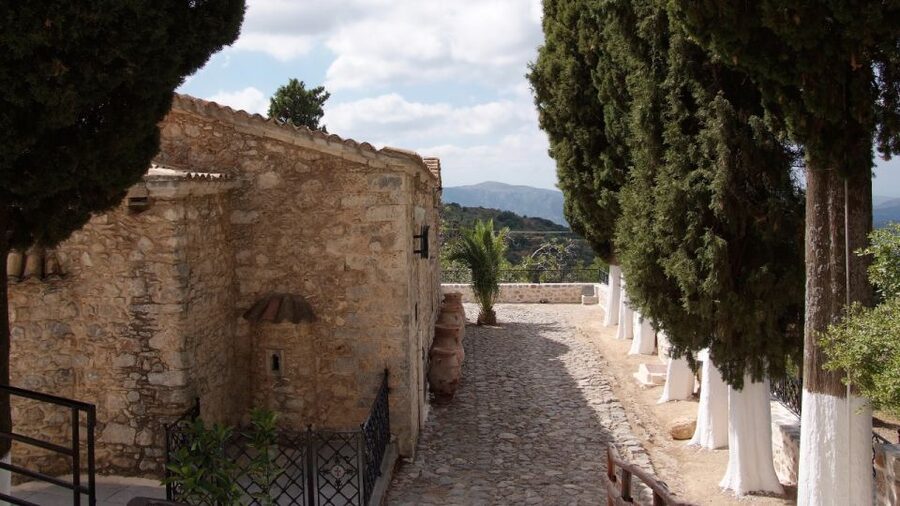
Your morning begins with pickup across multiple areas, then you start moving toward the monastery first. Vidiani Monastery sits at the base of Mount Louloudaki and is dedicated to the Virgin Mary, in the Eastern Orthodox tradition. It’s a small, quiet stop with a courtyard and frescoes, and it gives you a gentle contrast to the cave and the archaeological crowds later.
This is also the part of the day where the guide voice can shape your whole experience. A strong guide—like those praised in past departures—tends to explain what you’re seeing on the church grounds and how the place fits into local life. If you’re trying to learn more than just collect photos, this early interpretation helps.
Timing here is also practical. You’re not rushed through the monastery like a quick bus stop. You get a real break to step around, look closely, and let the mountain air do its job before the long day kicks into gear.
Krasi village and the old plane tree: quick, scenic, and genuinely different
After the cave, you’ll reach the traditional village of Krasi. The standout detail here is the plane tree noted as the oldest and largest in Crete, plus local freshwater springs. Even if your time is short, it’s the kind of stop that gives the day a human scale.
Krasi is also a break from the big-ticket attractions. You’re not inside a major monument, and you’re not deep underground. You’re walking a little, grabbing coffee or a quick refresh, and watching life happen at a village pace.
If you want the day to feel like Crete—not just history inventory—this is one of the stops that helps it land that way.
Olive Mill Farm: where the smells and stories are
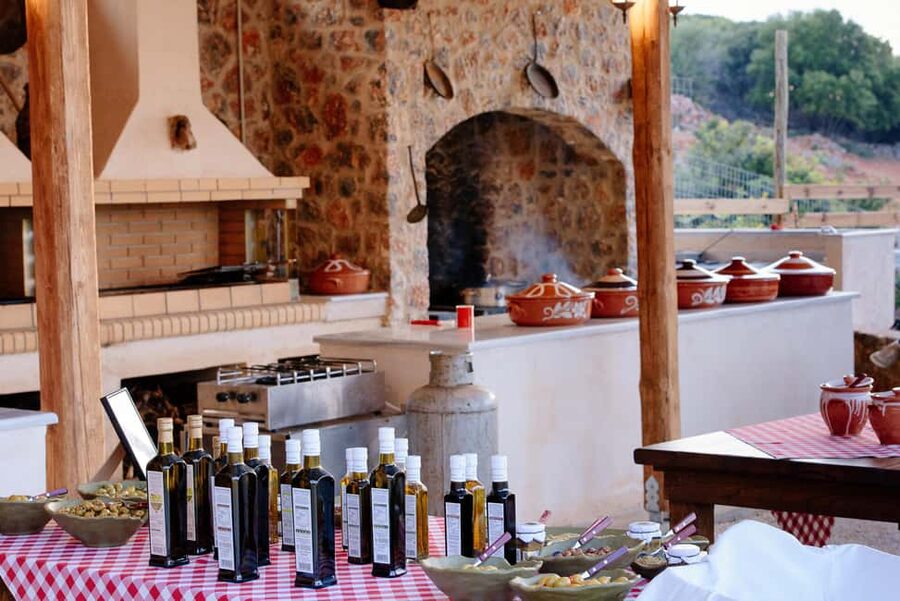
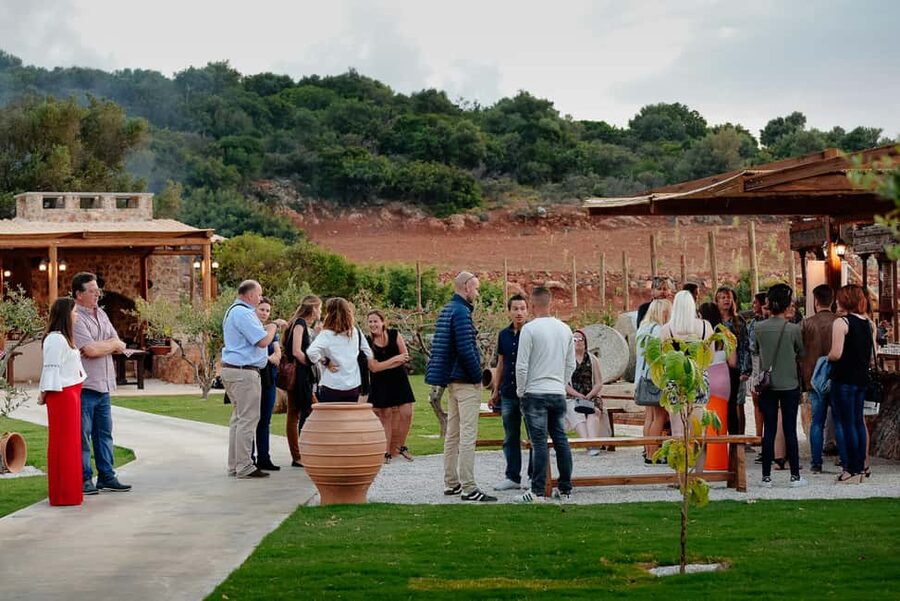
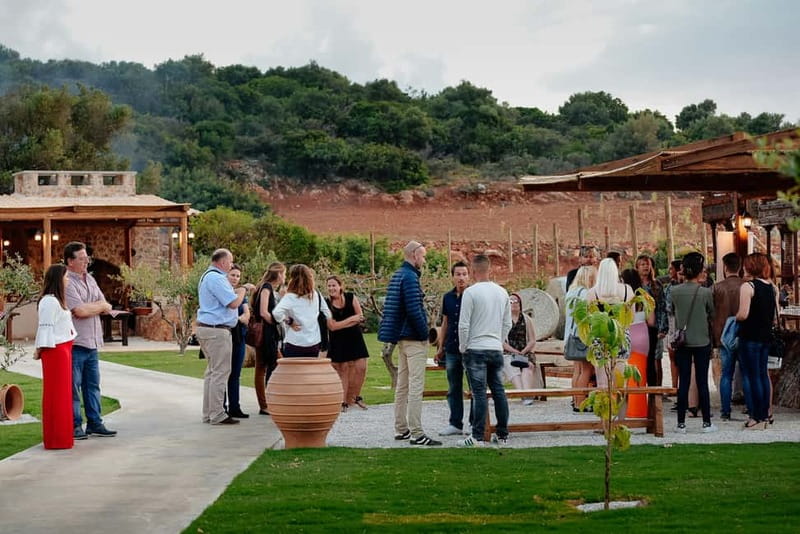
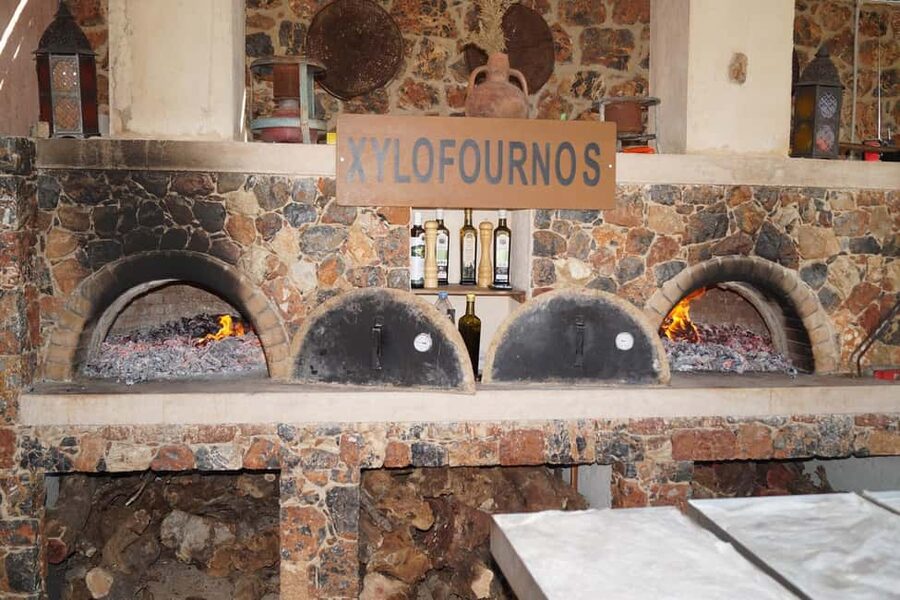
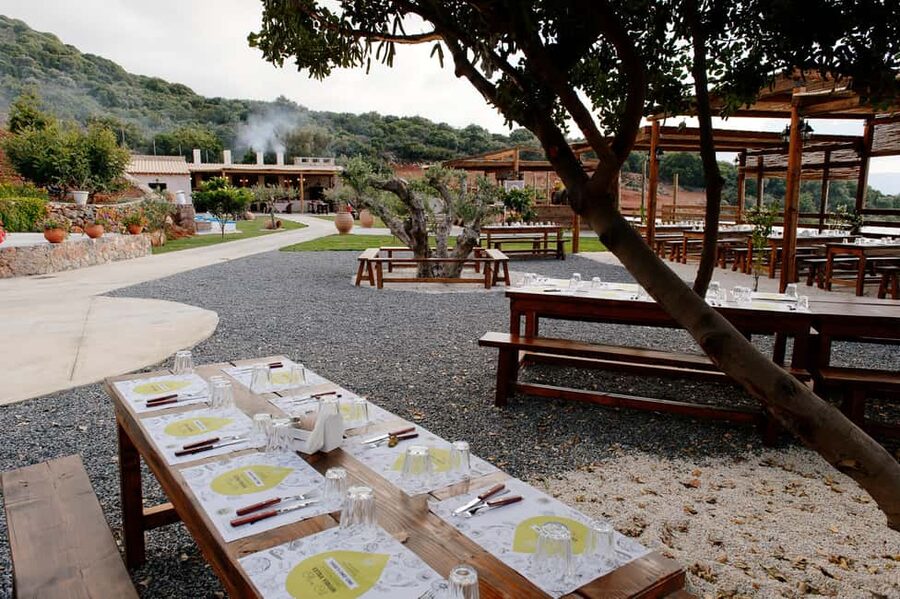
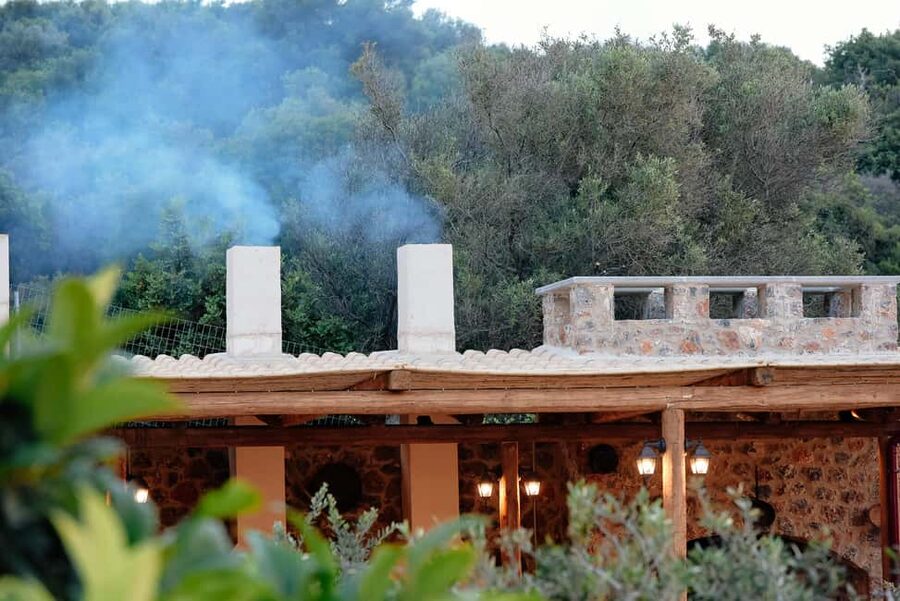
The olive mill farm visit is one of the most popular parts of the schedule. You’ll arrive at a working-style farm setting with views over the mountains and toward the Aegean Sea. From there, you’ll get a guided tour of how olive oil is produced and how products are connected to local ingredients like honey and handmade olive-based items.
This stop is also where you’ll likely taste the day’s “Crete in a bottle” feeling. The best versions of this tour are the ones where the guide connects the production process to how people live in the region. Past experiences with guides like Katerina or others praised for energy and context tend to make the farm tour feel more like an education than a sales pitch.
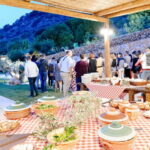
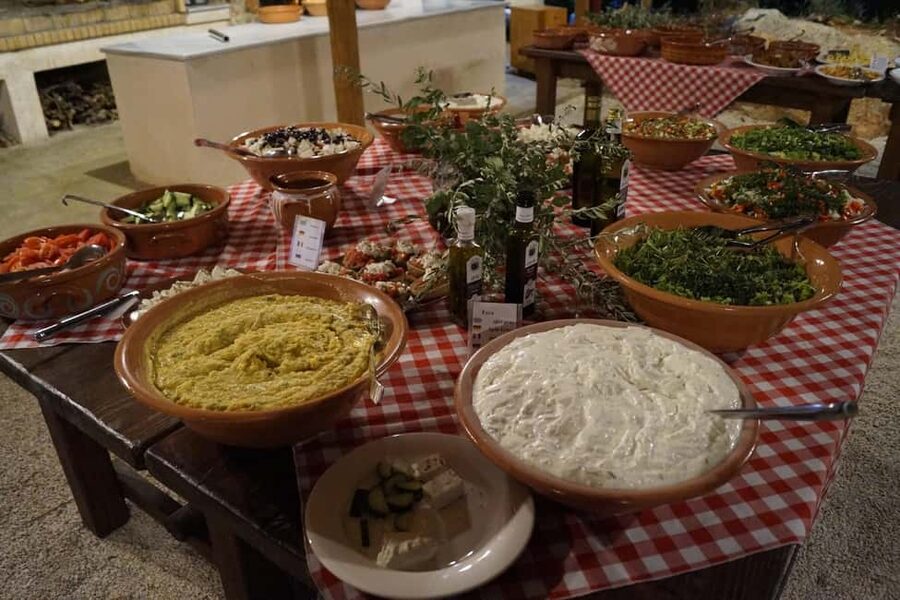
Lunch is an extra option here. In the notes you provided, lunch at the olive farm is described as traditional and made with local ingredients, but it’s not included in the base price. One guest mentioned a buffet lunch around €15 for the value, and several people said the lunch was delicious.
One drawback to watch for: lunch can end up later in the day, and that can affect how much time you have in Knossos. If you know you want unhurried exploring at Knossos, plan your patience for the timing here.
Knossos Palace: getting meaning from 1 guided hour
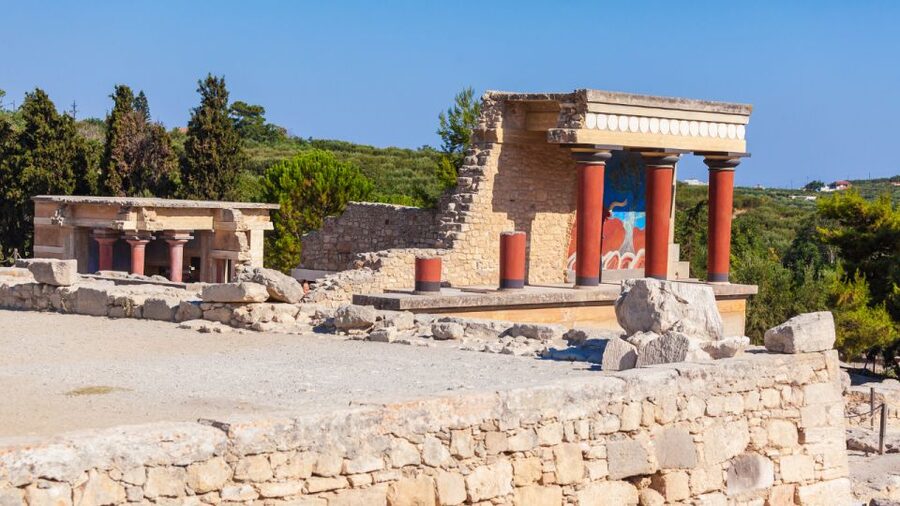
The day ends at Knossos, the famous Minoan palace complex tied to Europe’s earliest urban culture. You’ll get a guided tour through restored chambers and areas associated with colorful frescoes, with an explanation of how the palace worked in Bronze Age Crete.
This is the stop where you’ll benefit most from a strong guide. Multiple guide names came up in the feedback you shared, including Soula and Nektarios, and the common thread is how they point out details you’d miss on your own. Headphones are sometimes used at Knossos so you can hear the commentary while walking, though one guest mentioned the device audio was crackling and hard to hear.
You also need to be realistic about time. The guided portion is about an hour, and then you may have limited freedom depending on your group flow. Some people love finishing in the afternoon because they feel the site is less packed than earlier tours can be. Others felt it was a bit rushed due to the olive farm timing.
If Knossos is your top priority, the most useful strategy is simple: come prepared for a guided walk with a few short self-explore moments, not a full independent museum-style afternoon.


Price and Logistics: what your € and minutes really buy
The headline price is $58 per person for a 10.5–11 hour day, with hotel pickup and drop-off and an air-conditioned coach. On paper, that’s a lot of ground covered: monastery, cave, village, olive farm, and Knossos with guidance. In practice, the value comes from the combination of transportation plus interpretation, not from any single stop being cheap.
Two major costs are not included:
- Zeus Cave / Psychro Cave entrance fee (15€)
- Knossos Palace entry ticket (20€)
Lunch at the olive farm is optional.
So your “all-in” day cost will usually be higher than the advertised base price once you add entrances and whatever you choose for lunch. If you hate surprise expenses, budget for both entry fees before you go.
The other logistics factor is the coach day itself. Pickups run across many hotel zones, and that can add time before you reach your first proper stop. One guest also mentioned long pickup time depending on location. On a double-decker coach with a large group, it can feel crowded, and the pacing can become more about keeping everyone together than giving you individual freedom.
My practical advice: if you’re staying far from central pickup points, ask yourself if you’d rather do Knossos and Lassithi with fewer stops. If you want variety and easy planning, this combo tour makes sense.
What to pack and how to pace yourself
This is a day trip where the right basics reduce stress a lot. Bring:
- comfortable shoes (important for Zeus Cave walking and steps)
- sunglasses
- water
- comfortable clothes
Even if you’re moderately fit, treat Psychro Cave as the challenge moment. Reviews you shared point out uphill walking, lots of steps, and rocky terrain near the cave entrance. There is also mention of donkeys available for the climb, though some people felt strongly about animal use. If you’re considering it, decide based on your own comfort level.
For the rest of the day, the pacing is more relaxed. You’ll still do walking at the monastery and at Knossos, but most of the physical challenge is concentrated around the cave approach.
Who this tour is for (and who should skip it)
This is a good match if you:
- want a single day to cover Lassithi Plateau, Zeus Cave area, and Knossos without renting a car
- enjoy guided interpretation and want help connecting myths and ruins to real place
- don’t mind coach time for the sake of seeing more
You might want to skip or choose a different format if:
- you struggle with steep uphill walking, steps, and rocky ground
- you dislike large groups and need a slower, less structured pace at major attractions
- Knossos timing is your top concern, since lunch timing can push Knossos later and reduce your own explore time
The best fit is often families with older kids, history-curious couples, and first-timers who want a high-impact overview of Crete’s north-central sites in one day.
Should you book the Lassithi, Zeus Cave, Olive Mill Farm & Knossos Combo Tour?
I’d book it if you’re aiming for value-per-day and you like variety more than perfection at a single site. The tour’s strength is the “stack”: monastery calm in the morning, cave adventure, a village stop that isn’t just a quick photo, a working olive farm visit, then Knossos with real guidance.
I’d pause and re-think it if Zeus Cave is your one non-negotiable goal and you’re traveling during a window when closures are possible. Also think hard if long coach time and big-group pacing will frustrate you more than the lineup will excite you.
If you do book, your smartest move is to budget entrance fees up front, wear your best shoes, and mentally treat Psychro Cave as the day’s workout.
FAQ
What entrance fees are not included?
Zeus Cave / Psychro Cave entrance is 15€, and Knossos Palace entry is 20€. Lunch at the olive farm is also optional and paid on the day.
Is lunch included in the price?
No. Lunch at the olive mill farm is optional. You can enjoy lunch there using local ingredients for an extra charge.
How long is the tour?
It runs about 10.5 to 11 hours total.
Does the tour include hotel pickup and drop-off?
Yes. Pickup and drop-off are included, and you’ll receive an email with the exact pickup place and time within 24 hours after booking. Some areas may have extra charges if your accommodation isn’t accessible by bus.
How hard is the walk to Zeus Cave?
Expect a steep uphill walk and lots of steps, plus a rocky final stretch into the cave. Comfortable, grippy shoes are essential. Donkeys are mentioned as an option for the climb.
What’s the total walking time like at Knossos?
Knossos includes a guided tour and walking during that visit. Some people felt it was rushed due to the overall schedule, while others loved the timing depending on crowd levels.
What languages are the live guides offered?
The live tour guide operates in German, English, and French.