REVIEW · LAKE TEKAPO
Lake Tekapo High Country Farm Tour (Carbon Positive)
Book on GetYourGuide →Operated by Silver River Stargazing · Bookable on GetYourGuide
Lake Tekapo from a 4WD is a rare treat. This 2-hour farm tour in the Mackenzie High Country mixes working paddocks with big Southern Alps views, plus time to hand feed animals and hear how the land is run. I like the way it keeps things hands-on with farmyard favourites, and I also like the photo-friendly stops that go beyond just a quick look.
The one thing to consider is the ride. Even with a modern air-conditioned van, you’ll be on farm roads with some bumpy sections, and it’s not suitable if you have animal allergies.
In This Review
- Key Highlights You’ll Remember
- Riding Out Into the Mackenzie: Why This Tour Feels Like Real Life
- The 12-Seater 4WD Van: Views of Aoraki Mt. Cook and the Southern Alps
- First Encounters: Feeding 12,000 Merino Sheep and Other Farmyard Stars
- Irishman Creek Hut and Swan Tarn: Farming Country Meets Bird Conservation
- Forks Stream Tastes and the Mulan Horse Moment
- Mt. John Lookout Finish: Learn About Tekapo and Do the Farmer Bit
- Carbon Positive Touring: What It Means for Your Trip
- Price and Value: Does $89 Make Sense for Two Hours?
- Who This Tour Suits Best (and Who Should Skip It)
- Photo and Timing Tips for a Two-Hour Day
- Getting to the Meet-Up Near Tekapo’s Farmyard
- Should You Book Lake Tekapo High Country Farm Tour (Carbon Positive)?
- FAQ
- How long is the Lake Tekapo High Country Farm Tour?
- What does the tour cost?
- Where do I meet for the tour?
- What kind of transport is used?
- How big is the group?
- What animals will I see?
- Can I feed the animals?
- Are food or drinks included?
- Is the tour suitable for animal allergies?
- Is the tour guided in English?
Key Highlights You’ll Remember
- Small group, big access: Limited to 10 people, so the tour feels personal instead of rushed.
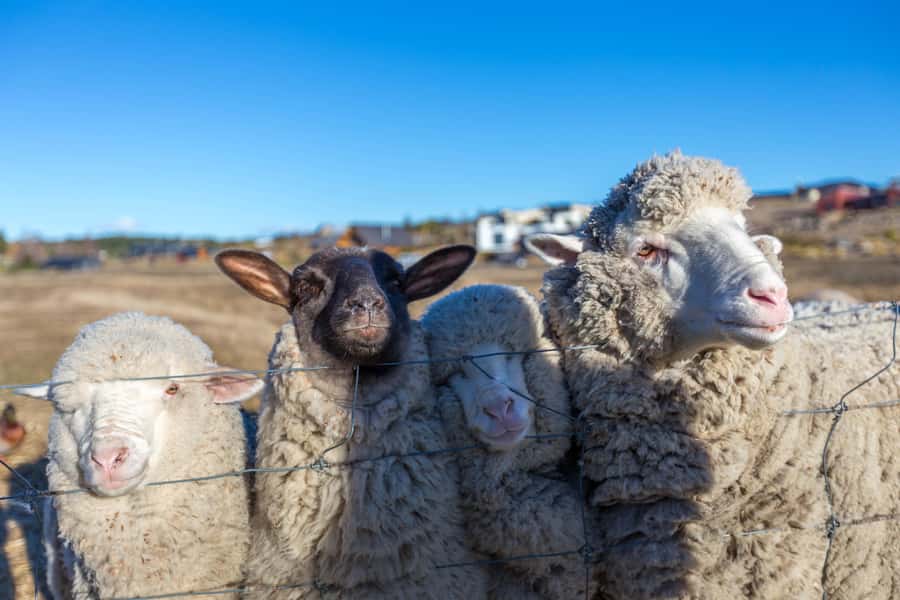
- Hand feeding farm animals: You’ll meet Merino sheep, Angus cows, alpacas, and more, with animal food provided.
- A real working-property experience: You’re touring a massive 50,000-acre operation outside Tekapo.
- Birdwatching stop at Swan Tarn: The area is linked to the endangered Black Stilt bird.
- Food and local tastes: New Zealand honey and spring water from Forks Stream are part of the experience.
- Mt. John lookout to wrap it up: A private viewpoint plus a little farmer-dress humour.
Riding Out Into the Mackenzie: Why This Tour Feels Like Real Life
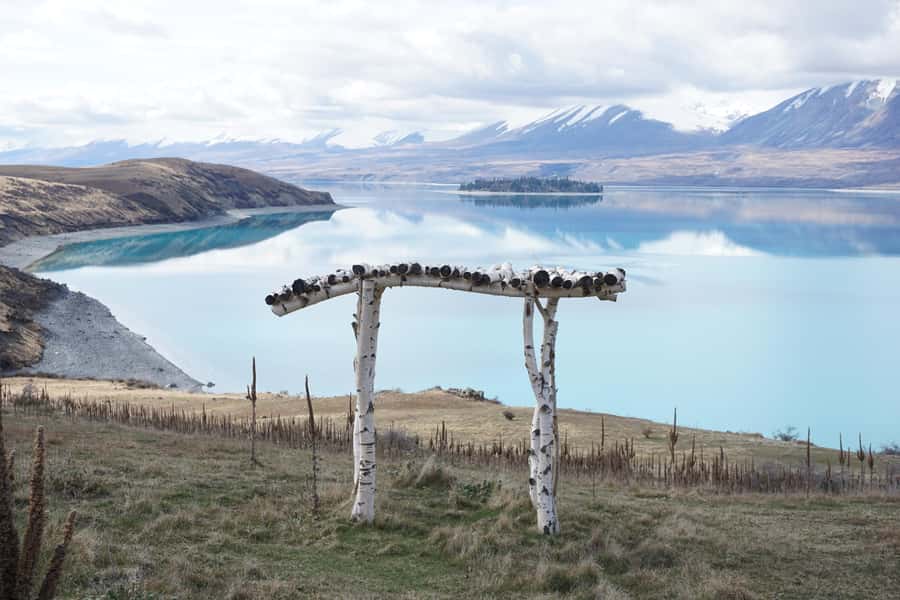
This isn’t a drive-by sightseeing loop. You’re on a large high-country farm near Lake Tekapo, and the tour is built around what farming actually looks like here—space, seasons, and animals that are part of day-to-day work. The best part is the group size. With a maximum of 10 people, you’re not competing for attention while someone waves out a bus window.
The tour is also labeled Carbon Positive, which signals the operator is thinking about environmental impact. I’d still treat it as a promise you’ll want to take at face value from the booking page rather than something you’ll be able to measure in real time. What you can measure is what you get for your time: farm access, close animal encounters, and multiple viewpoints in just two hours.
And yes, there are plenty of chances to take photos. The timing is set so you’ll see both working paddocks and the wider scenery that makes Tekapo famous.
The 12-Seater 4WD Van: Views of Aoraki Mt. Cook and the Southern Alps
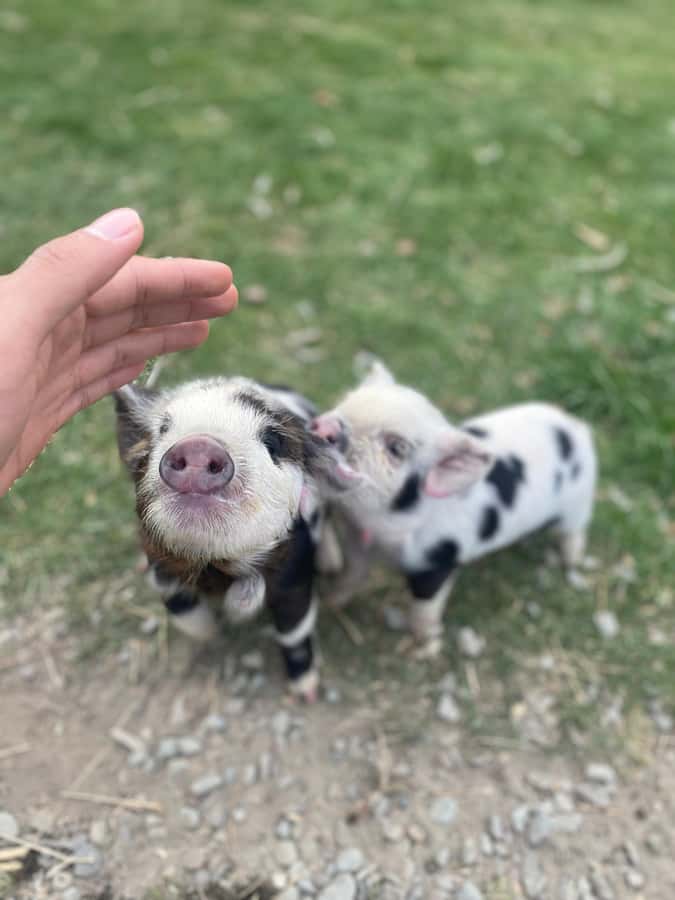
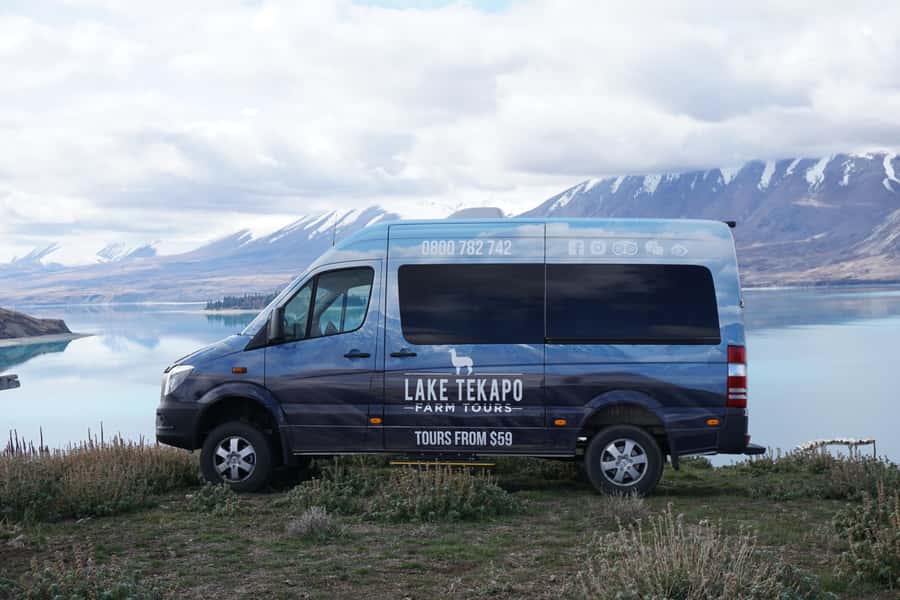
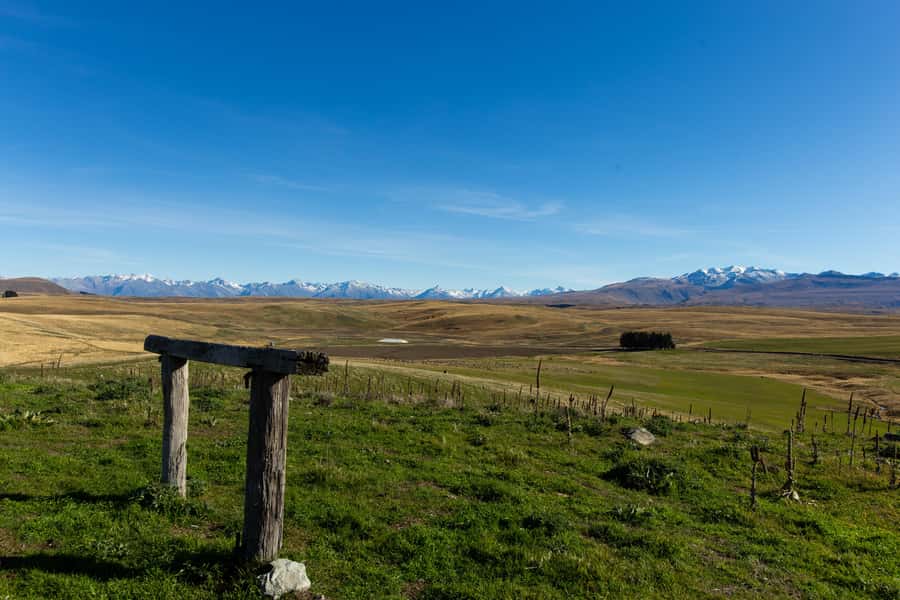
You start with the 4WD van part, and it’s not just transport. The drive is part of the show. Expect Southern Alps scenery and Aoraki Mt. Cook views as you head through the area, with both smooth stretches and some bumpy sections along the way.
This is why I like the 4WD format for this region. Standing on a viewpoint gives you one angle. Riding through the high country gives you context—where paddocks sit, how water and access work, and how far “farmland” extends out here.
Practical note: because roads can be bumpy, it’s smart to wear something you’re comfortable in for moving around. If you’re sensitive to rough rides, plan for that in advance.
First Encounters: Feeding 12,000 Merino Sheep and Other Farmyard Stars
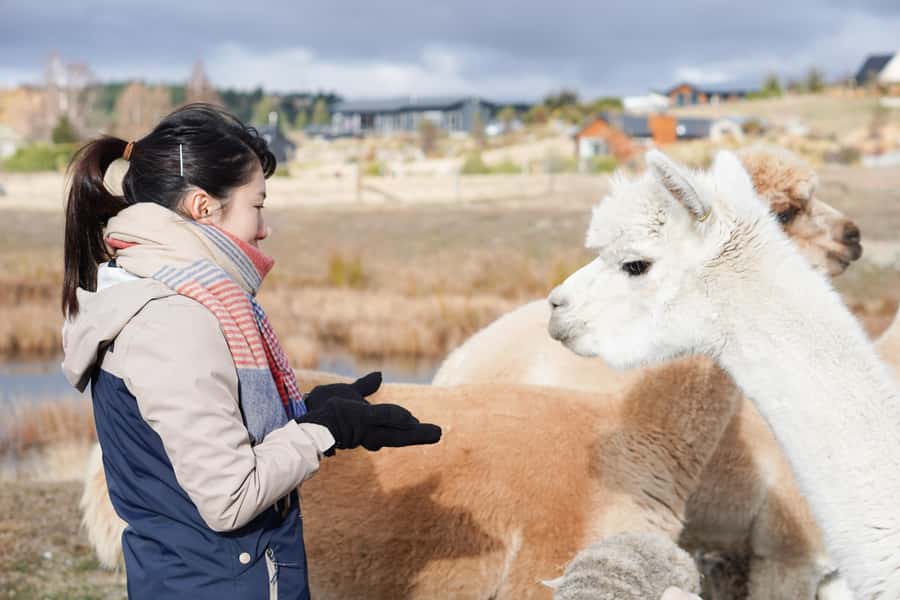
The tour’s animal time isn’t an afterthought. It’s the heart of the experience, and you’re guided through it with a narrative that connects the animals to how the farm operates.
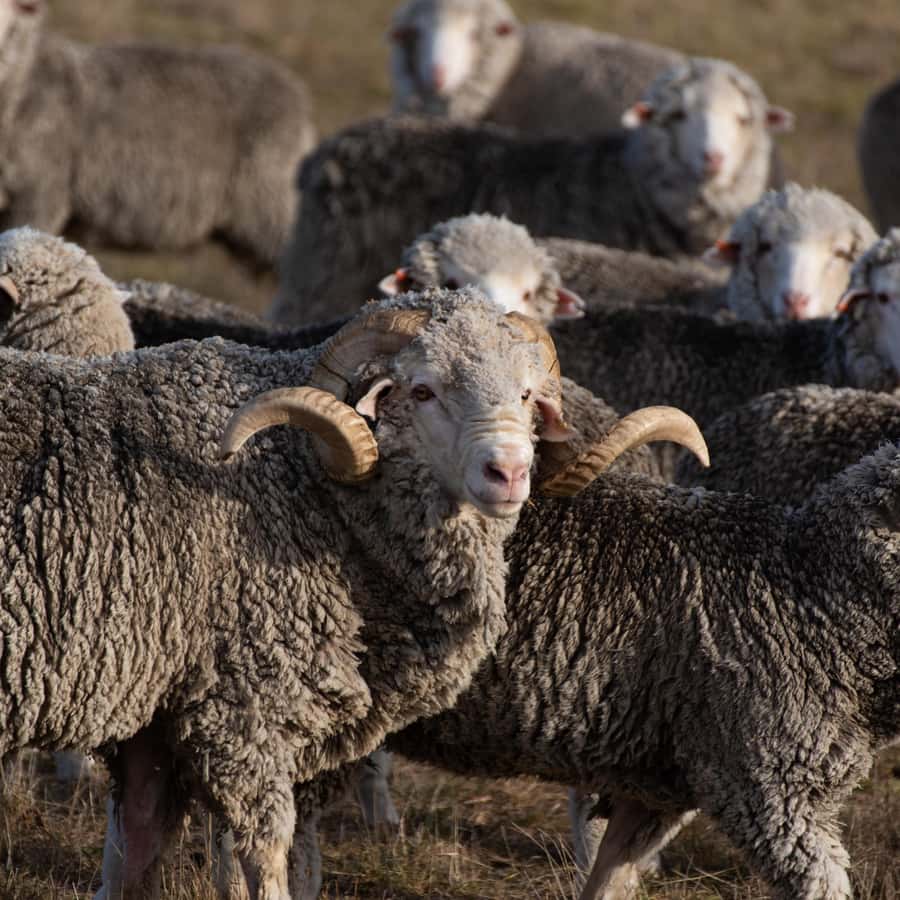
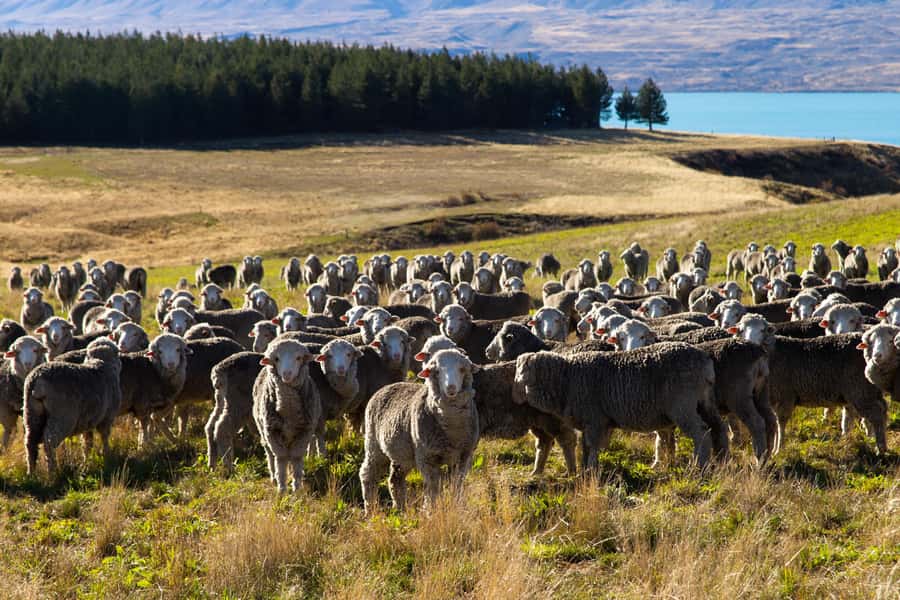
You pass by huge numbers of livestock in the Mackenzie high-country context—around 12,000 Merino sheep and 700 Angus cows—plus alpacas, horses, and working dogs. Seeing that scale matters. It helps you understand why land management and animal welfare are such a big deal here. It’s not just cute farming; it’s practical work at very high country.
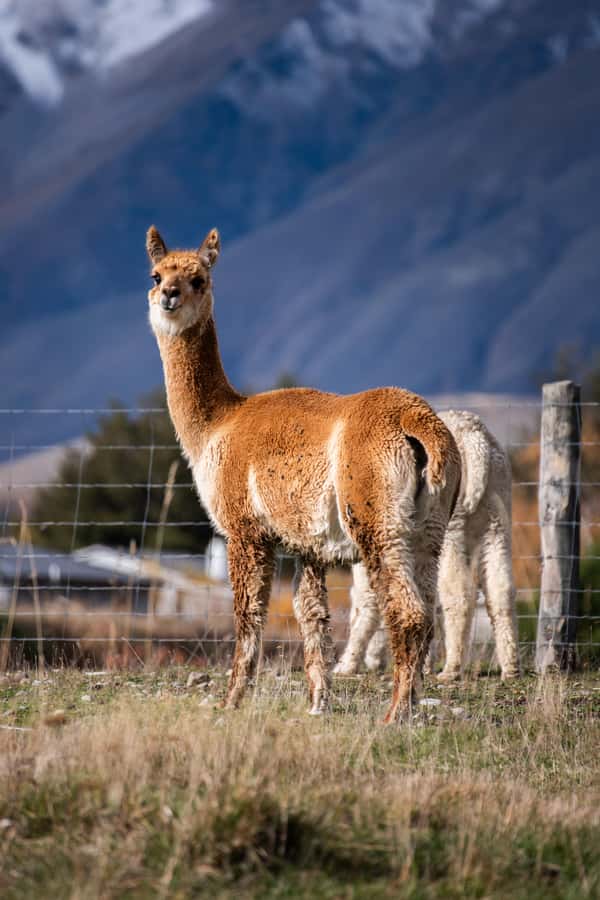
Then there’s the more personal part: you’ll have animal food and you can hand feed the animals. Up close, you’ll get a feel for how calm and used to people the farmyard animals are. It’s also an easy way to get better photos—because you’re not standing far away behind fences the whole time.
One more touch: the tour finishes with extra time to get close to alpacas again, so the experience doesn’t feel like you only meet them briefly.
Irishman Creek Hut and Swan Tarn: Farming Country Meets Bird Conservation
As you go, your guide narrates what you’re seeing and ties it to Lake Tekapo’s story. That includes stopping at landmarks like Irishman Creek Hut and Swan Tarn.
Irishman Creek Hut is the kind of place where the setting does most of the talking. It’s part of the high-country farming world—small, functional, and shaped by the landscape and the job. Even if you’re not a history buff, the stop gives you a break from the motion of the van and lets you look properly at the terrain.
Swan Tarn is a different kind of stop, with an environmental angle. The area is described as home to the endangered Black Stilt bird. Even if birds are not always visible on demand, the point is that this isn’t just recreational scenery. The tour frames the land as something people farm and also something that supports conservation.
For you, this matters because it adds meaning. You’re not just ticking off places; you’re seeing how working landscapes and wildlife coexist—or at least what efforts are being made.
Forks Stream Tastes and the Mulan Horse Moment
A farm tour should include real-world farm flavour, and this one does. You’ll be offered New Zealand honey, and you’ll also get to savour fresh spring water at Forks Stream. These are small stops, but they make the tour feel lived-in and local, not just scenic.
Then you meet Mulan’s horse stars. That’s a fun, memorable detail that adds personality to the animal encounters. Horses can look similar from far away, but up close you’ll notice posture, temperament, and how the animals are handled. It’s also a change of pace from sheep and cows, so you don’t feel like you’re seeing the same thing over and over.
If you’re travelling with kids, this kind of named, story-driven animal moment often lands well because it turns farmyard time into something you can retell later.
Mt. John Lookout Finish: Learn About Tekapo and Do the Farmer Bit
The last act happens at a private Mt. John lookout. This is where the tour shifts from farmyard details back to the bigger picture—Tekapo’s setting, the surrounding area, and the kind of views that made people fall in love with this part of New Zealand in the first place.
You’ll learn about Tekapo during this stop, and there’s also a bit of humour built in. Part of the experience includes dressing like a farmer for laughs. It’s not the kind of detail that changes the tour’s value, but it does change the mood. It makes the ending feel like a shared moment rather than just a drop-off.
Finally, you end by getting close to alpacas. That’s a smart design choice. You’re finishing with a gentle animal interaction after a day of wide views and bumpy transport. It helps the whole tour feel balanced.
Carbon Positive Touring: What It Means for Your Trip
The tour is marketed as Carbon Positive, but you won’t likely get a meter reading while you’re there. So how should you think about it as a traveller?
I’d treat Carbon Positive as a signal that the operator is aiming for better environmental choices, not a guarantee that every part of the outing is impact-free. What you can confirm from the experience itself is that it’s structured for efficiency: two hours, small group, and a plan that combines animal access with specific viewpoints and stops, instead of wasting time.
If sustainability is important to you, this label is worth taking seriously. If it’s your only deciding factor, you may want to read the operator’s explanation of what they mean by Carbon Positive before booking.
Price and Value: Does $89 Make Sense for Two Hours?
At $89 per person for a 2-hour guided tour, the price sits in the mid-range for experiences that include transport, guide time, and animal access. What makes it feel more like value than a basic drive is what’s included:
- 4WD van transport with air conditioning
- A guided tour of a 50,000-acre farm operation
- Animal food for hand feeding
- Stops at specific landmarks like Irishman Creek Hut and Swan Tarn
- New Zealand honey and fresh spring water from Forks Stream
- Extra animal interaction time, including alpacas at the end
So you’re not paying just for a seat on a vehicle. You’re paying for access and storytelling, plus little extras that fit the farm theme.
It’s also limited to 10 participants, which helps justify the cost. Smaller groups mean you get more time with the guide and more natural pacing for feeding animals and taking photos.
Who This Tour Suits Best (and Who Should Skip It)
This is a great fit if you:
- want a short, structured farm experience close to Lake Tekapo
- like animals but also want context about how high-country farming works
- care about getting actual guide narration and not just a scenic drive
It’s also a good choice if you’re a first-timer to a real farm tour. This type of structured encounter makes it easy to relax and enjoy.
Skip it if:
- you have animal allergies (the tour is not suitable for that)
- you’re worried about time in a vehicle on farm roads with some bumpy sections
Wheelchair access is listed, which is important. That said, you still may want to check how comfortable you’ll be on uneven farm-road surfaces, since the tour is built around driving and visiting multiple outdoor spots.
Photo and Timing Tips for a Two-Hour Day
You’ll get plenty of chances to photograph animals and views, but with a 2-hour time window, you’ll be happiest if you plan quickly:
- Wear shoes that handle outdoor ground while you’re close to animals.
- Have your camera ready when the guide stops the van—some moments are brief by design.
- If you care about birdlife, Swan Tarn is your bird-focused stop, tied to the endangered Black Stilt bird.
Most of all: don’t rush feeding time. The best photos often come when you let the animal settle and keep your movements calm.
Getting to the Meet-Up Near Tekapo’s Farmyard
Meet at 48a D’Archiac Drive, next to Balmoral Farmyard & Shop in Lake Tekapo. Look for the Go Tekapo signboard and turn into the driveway at that address.
If you’re using a map app, double-check you’re parked near Balmoral Farmyard rather than just arriving in the general area. The tour starts on time, and there’s not much wiggle room in a two-hour experience.
Should You Book Lake Tekapo High Country Farm Tour (Carbon Positive)?
I’d book this tour if you want a compact experience that actually feels connected to the place—working paddocks, real animal encounters, and a couple of purposeful stops with viewpoints and conservation context. The combination of hand feeding, short guided storytelling, and a private Mt. John lookout finish makes it more than a quick attraction.
If you’re allergic to animals or you strongly dislike bumpy road rides, then it’s not your best match. But if you’re comfortable around farmyard animals and you want an efficient, photo-friendly way to see the Mackenzie High Country from the inside, this one is a solid pick.
FAQ
How long is the Lake Tekapo High Country Farm Tour?
The tour lasts 2 hours.
What does the tour cost?
The price is $89 per person.
Where do I meet for the tour?
Meet at 48a D’Archiac Drive, next to Balmoral Farmyard & Shop, Lake Tekapo. Look for the Go Tekapo signboard.
What kind of transport is used?
You ride in a comfortable 12-seater 4WD van with air conditioning.
How big is the group?
The tour is limited to 10 participants.
What animals will I see?
You’ll encounter Merino sheep, Angus cows, alpacas, horses, and working dogs.
Can I feed the animals?
Yes. Animal food is provided so you can hand feed farm animals.
Are food or drinks included?
Yes. You’ll taste New Zealand honey and have fresh spring water from Forks Stream.
Is the tour suitable for animal allergies?
No. It is not suitable for people with animal allergies.
Is the tour guided in English?
Yes, the live tour guide speaks English.