REVIEW · KULA HAWAII
Maui: Alpaca Farm Visit with Hands-On Activities
Book on GetYourGuide →Operated by Maui Alpaca LLC · Bookable on GetYourGuide
Alpacas and spinning lessons in one hour. On an eight-acre farm estate on the slopes of Haleakalā National Park, you get right up close for alpaca feeding and the kind of photos where the animal actually wants to be in the frame. It’s family-friendly, taught by a live English guide, and kept to a small group.
I especially like the way the tour turns fiber facts into something you can see: you learn about alpaca fiber and uses, then watch a traditional spinning wheel demonstration. The other part that makes it memorable is the steady, hands-on animal time, including opportunities for kids to pet and hold alpacas with guidance. One consideration: with just one hour, the schedule is tight, so it can feel fast if you want lots more pasture time.
In This Review
- Key highlights you’ll care about
- One Hour on Haleakalā Slopes: A Farm Tour With More Than Just Photos
- Alpaca Pasture Time: Feeding, Photos, and Gentle Handling
- Quick practical tip for your photos
- Fiber Education and the Spinning Wheel Demo You Can See in Motion
- Angora Bunny Village: Soft Encounters and a Fiber-Related Bonus
- Upcountry Time and the Idea of ‘Āina Healing Through Nature
- Price and What You Get for $79 in Maui
- Who This Tour Suits Best (and Who Might Find It Too Short)
- Practical Planning: Getting There and Timing Your Day
- Should You Book the Maui Alpaca Farm Visit?
- FAQ
- How long is the Maui Alpaca Farm Visit?
- What’s included in the tour?
- Is transportation to the farm included?
- Are food and drinks included?
- How big is the group?
- Is there a guide, and what language do they speak?
- What is the cancellation policy?
- Is there a reserve now and pay later option?
Key highlights you’ll care about
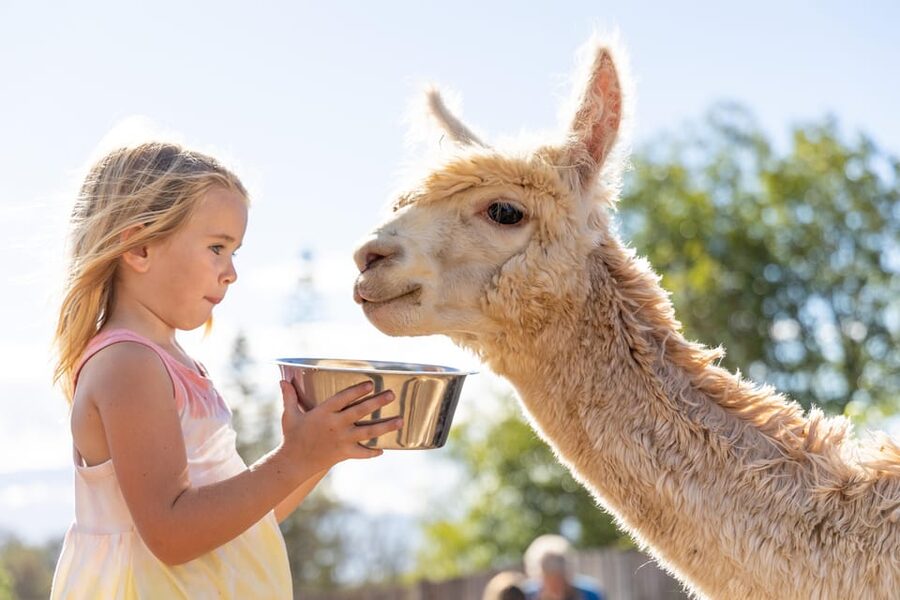
- Up-close alpaca feeding on a real eight-acre farm, with great photo chances
- Alpaca fiber education that explains different fiber types and what they’re used for
- Spinning wheel demo you can watch from start to yarn-making (traditional craft, not just a talk)
- Angora Bunny Village interactions that are especially fun for children and animal lovers
- A calm Upcountry send-off with time to notice the role of animals and nature on the land
One Hour on Haleakalā Slopes: A Farm Tour With More Than Just Photos
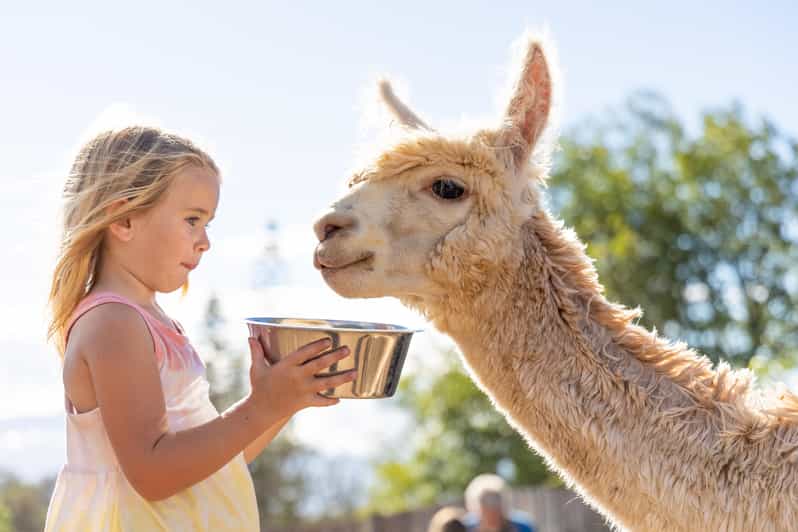
This is the kind of Maui activity that feels small in the best way. You’re on an eight-acre farm estate on the slopes of Haleakalā National Park, and the whole visit is built around animals plus a hands-on fiber lesson. The pacing matters here. You don’t just stand and look. You feed, you watch, and you interact.
The format is also a big part of the value. The group is limited to 10 participants, and there’s a live English guide. That means you’re more likely to get answers to questions and feel guided rather than shuffled through.
Also, the overall vibe from the experiences people shared is consistent: families have fun, guides keep things friendly, and the alpacas are sweet. One guide name that came up in recent feedback is Erin, with a playful, upbeat approach that works well with kids.
Alpaca Pasture Time: Feeding, Photos, and Gentle Handling
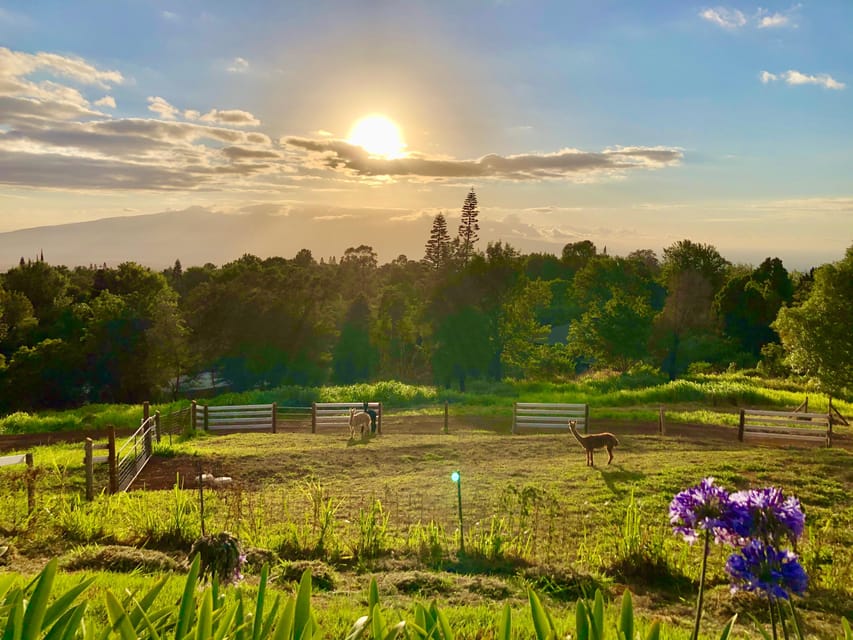
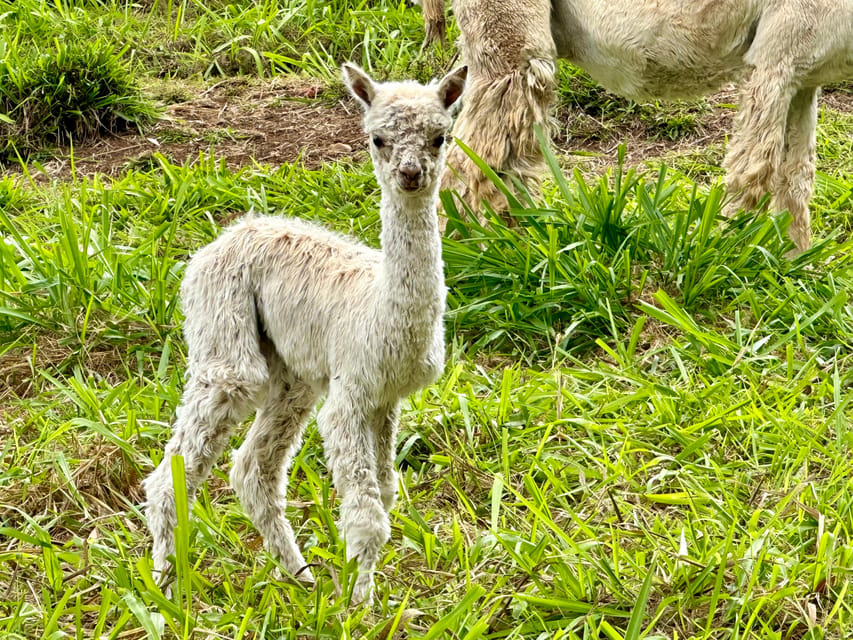
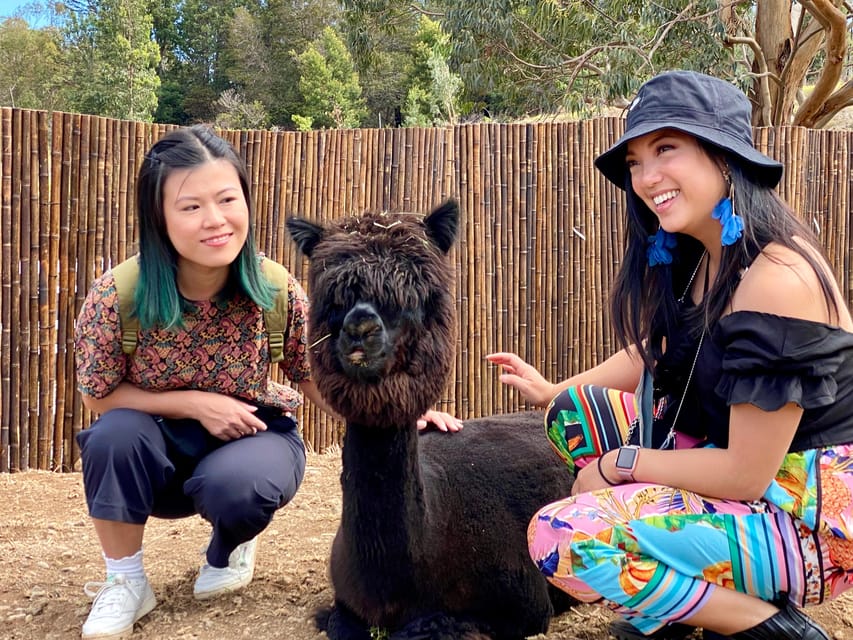
Your visit starts in the alpacas’ pasture. This is where the tour earns its charm. You meet the herd, you feed them, and you take self-photos that usually turn out better than you’d expect, because alpacas are curious and close-up friendly.
Feeding sounds simple, but it’s actually the part that helps you understand these animals as individuals instead of “cute scenery.” You’ll notice how the alpacas approach food and how they respond when people move slowly and follow the guide’s lead. If you’re traveling with kids, this is usually the easiest way to keep everyone engaged for the full hour.
In at least one recent experience, the animal time went beyond feeding. The guide helped kids learn about the alpacas and then feed, pet, and even hold them with guidance. That matters, because it shifts the experience from passive watching to real interaction, which also makes the tour feel worth the money even though it’s short.
Quick practical tip for your photos
Go for close, not wide. The best pictures tend to happen when you stand where the alpacas naturally gather, instead of trying to “chase” them for a perfect angle. Your guide can help you place yourself so you’re safe and the animals stay calm.
Fiber Education and the Spinning Wheel Demo You Can See in Motion
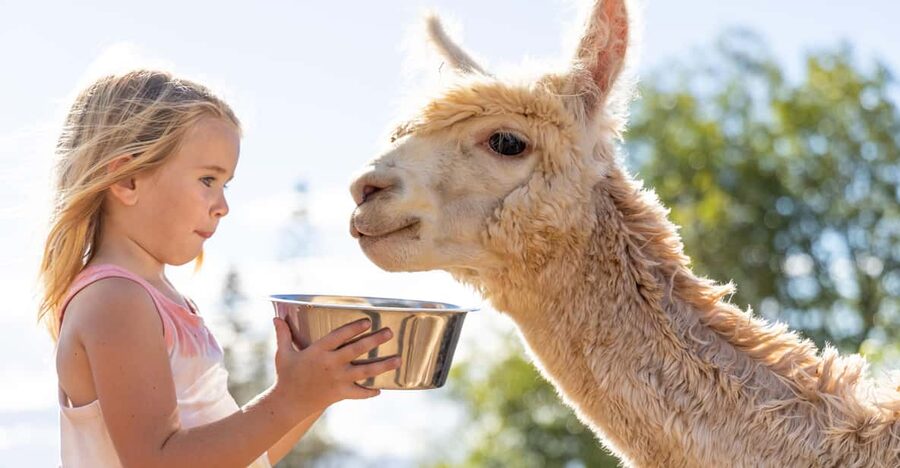
Next comes the brain part, and it’s done in a way that stays fun. You learn about alpaca fiber—including different types and how the fiber is used. This is the tour’s quiet superpower. A lot of animal tours stop at fluff and smiles. Here, you get the “how it becomes yarn” story.
Then you watch a traditional spinning wheel demonstration. This is where the education becomes physical. You’re seeing craft in real time, not just hearing about it. And because it’s tied to the fiber processing theme of the tour, it helps you connect the dots from animal to material.
Why this part is valuable: alpaca fiber is a real product with real steps behind it. When you understand the basics of fiber types and how spinning works, you’ll look at alpaca clothing differently later. Even if you don’t buy anything, you’ll leave with a clearer idea of why processing matters and why people treat it like an art.
It also makes the experience more than “one more farm stop.” If you’re the kind of traveler who likes to bring home one usable skill or at least one real concept, this part delivers.
Angora Bunny Village: Soft Encounters and a Fiber-Related Bonus
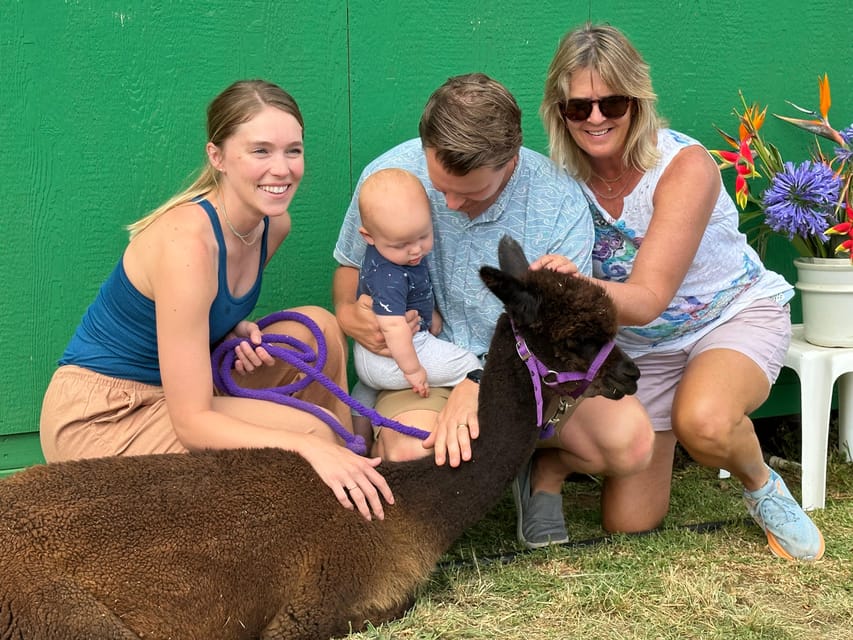
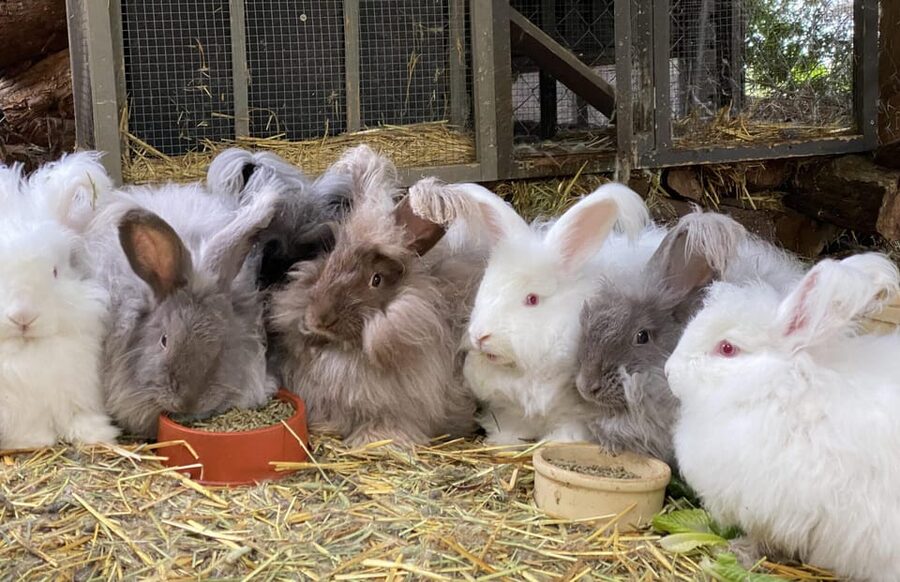
After alpacas and spinning, you head to the Angora Bunny Village. This is a different kind of animal stop, and it works well because it changes the pace. Instead of a bigger herd moment, you get a cozy village setting focused on Angora bunnies.
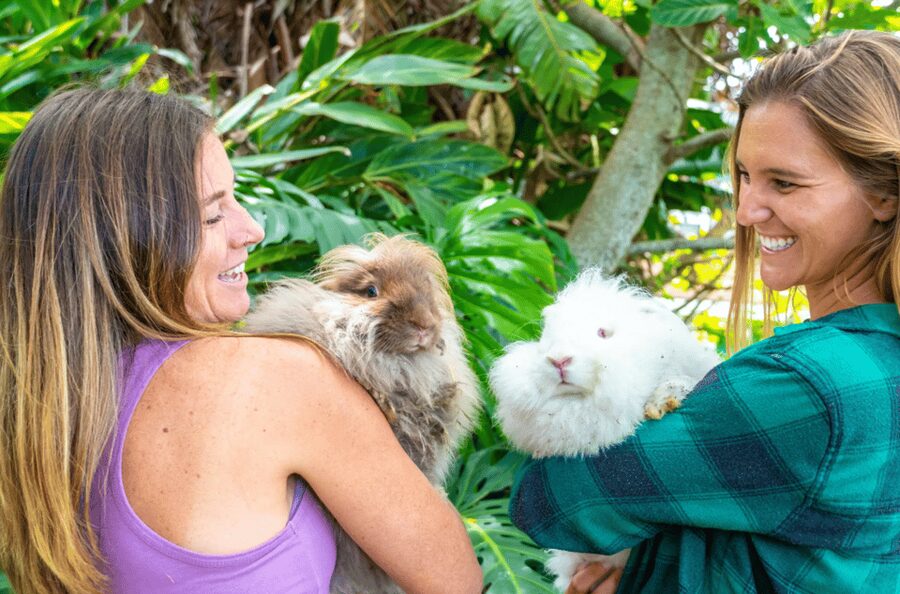
You can interact with the bunnies, and the guide shares details about their care and the unique qualities of their fiber. This part tends to land well with kids and animal lovers, because bunnies are soft, approachable, and visually distinctive.
You might also appreciate that it’s not only cuddles-for-cuddles’ sake. The bunny segment ties into the tour’s overall theme: animals connected to fiber production. So you walk away with a broader sense that farm life can be both practical and educational.
A small note for expectations: bunnies and alpacas feel very different. Alpacas are larger and more “busy” around feeding time. Bunnies are more about gentle interaction and careful attention. If your family loves variety in one outing, this split is smart.
Upcountry Time and the Idea of ‘Āina Healing Through Nature
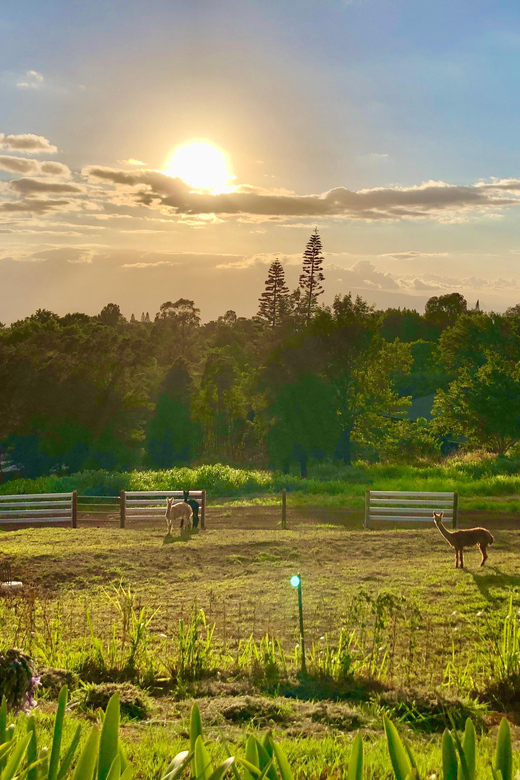
When the animal and craft parts wrap up, the tour doesn’t just end with a hard stop. You explore the beautiful Upcountry surroundings and get a chance to feel the role of ‘Āina—land and nature—through the animals and the environment.
This segment is more about atmosphere than instruction. It’s the kind of time that lets you slow down after the busy, hands-on parts. You’ll likely notice how peaceful the setting feels once you’re done with feeding and watching demonstrations.
Then the tour concludes back at the farm, which helps everything stay simple for families and couples who don’t want a half-day drive-and-wait situation.
Price and What You Get for $79 in Maui
At $79 per person for about 1 hour, this isn’t a bargain activity. But it also isn’t priced like a generic petting zoo, either. You’re paying for a small group experience plus multiple components that are actually included: alpaca feeding, fiber education, a spinning wheel demo, and a visit to the Angora Bunny Village.
The value question comes down to what you like.
- If you care about animals and you want an explanation of what makes alpaca fiber special, you’ll likely feel good about the price.
- If you only want photos and don’t care about spinning or fiber processing, you might wish you had more time (and more pasture-only moments).
Also, remember what’s not included: transportation to the farm and food & drinks. That means the total cost of your day might rise if you need a ride from where you’re staying. Still, the included parts are tangible and structured, which supports the pricing.
One more value signal: the tour shows up with a strong average rating—5 out of 5 across nine reviews. That kind of consistency usually means the experience lands the way it’s described: friendly guides, sweet animals, and enough interaction to justify an hour.
Who This Tour Suits Best (and Who Might Find It Too Short)
This is a good match for:
- Families with kids who want animal interaction that feels supervised and safe
- Couples who like light activity with a learning angle
- Animal lovers who prefer hands-on moments over watching from far away
- Travelers who enjoy craft topics, especially anything fiber-related
It may feel less ideal if:
- You want a longer experience with lots of walking and extended time with animals
- You’re only interested in a quick photo stop and don’t care about fiber education or spinning
The one-hour duration is the “make or break” detail. For many people, that’s perfect. It keeps the trip focused and easy. For others—especially anyone who falls hard for farm life—it can feel like you left right when things got really fun.
Practical Planning: Getting There and Timing Your Day
Because transportation to the farm isn’t included, plan for your own ride. If you’re relying on a rental car or a local taxi/shuttle, build in extra buffer time so you don’t rush in at the start time.
The tour is live and guided in English, and it runs about 1 hour, with starting times that depend on availability. If you’re visiting during a busy stretch, check schedules early.
Food & drinks aren’t included either. If you’re doing this around other Upcountry plans, think about how you’ll handle snacks and hydration so the experience stays fun, not uncomfortable.
Should You Book the Maui Alpaca Farm Visit?
Book it if you want a compact Maui outing that mixes real animal interaction with a simple, satisfying education you can remember. You’ll like it most if you’re traveling with family, enjoy seeing how everyday products are made, or just want a calm, friendly farm moment on the Haleakalā slopes.
Skip it if you’re hoping for a long, wandering farm day or if fiber craft isn’t your thing. In that case, $79 for a one-hour visit might feel tight.
If you’re on the fence, here’s the simplest way to decide: ask yourself whether you’d be happy leaving with photos, a spinning-wheel story, and a better understanding of alpaca fiber—because that’s exactly what this tour is built to deliver.
FAQ
How long is the Maui Alpaca Farm Visit?
The tour lasts 1 hour.
What’s included in the tour?
It includes alpaca feeding, fiber education, a spinning wheel demonstration, and a visit to the Angora Bunny Village.
Is transportation to the farm included?
No, transportation to the farm is not included.
Are food and drinks included?
No, food and drinks are not included.
How big is the group?
The group is limited to 10 participants.
Is there a guide, and what language do they speak?
Yes, there is a live tour guide who speaks English.
What is the cancellation policy?
You can cancel up to 24 hours in advance for a full refund.
Is there a reserve now and pay later option?
Yes, you can reserve now and pay later, meaning you pay nothing today.