REVIEW · OCALA
Ocala: Gypsy Gold Horse Farm Horses & History Tour
Book on GetYourGuide →Operated by Gypsy Gold LLC · Bookable on GetYourGuide
Gypsy Vanner horses have a story worth hearing. At Gypsy Gold Horse Farm, you get a guided mix of animal time and cultural history, starting with a lecture from Dennis Thompson and ending with a walk through the farm to meet the herd. I love that you’re not just looking at horses here; you’re learning how the Gypsy Vanner and the people behind the breed came together.
The other big win for me is the setting and focus: this 40-acre farm is home to the first 16 registered Gypsy Vanner horses in the U.S., so your visit connects directly to the breed’s early chapter. One consideration: the experience includes a 1-hour lecture, so if your group wants nonstop hands-on action, plan for some quieter listening time.
In This Review
- Key Takeaways Before You Go
- Gypsy Gold in Ocala: Why this horse farm feels different
- The Gypsy Vanner story: Culture, horses, and the first 16
- The 2-hour Horses & History tour, step by step
- 1) A 1-hour lecture with Dennis Thompson
- 2) Photo-op with a Gypsy Vanner
- 3) A 1-hour guided walk through the farm
- What you should bring for the farm walk
- The 1-hour walking tour option: a shorter way to connect
- The farm itself: 40 acres, animals close up, and what to watch for
- Price and value: Is $50 per person worth it?
- Who should book this tour (and who should think twice)
- Timing in Ocala: When tours run and how to plan your day
- Should you book the Gypsy Gold Horses & History Tour?
- FAQ
- FAQ
- How long is the Ocala Gypsy Gold Horses & History tour?
- How much does the tour cost?
- Where is the tour located?
- What time do tours start?
- Is the tour private?
- What language is the tour guide speaking?
- What animals will I see?
- What should I bring with me?
- Are pets allowed?
- Can I cancel and get a refund?
Key Takeaways Before You Go
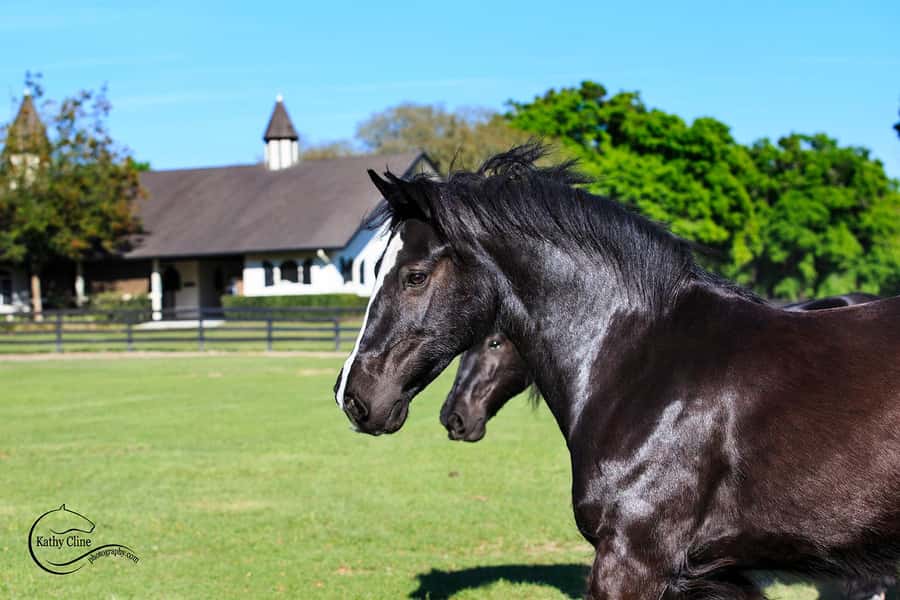
- Meet the breed’s early roots: the farm is home to the first 16 registered Gypsy Vanner horses in North America.
- A real history lesson: a guided talk from Dennis Thompson sets the stage before you step onto the grounds.
- Photo-op time: you’ll pause for a photo with a Gypsy Vanner horse after the lecture.
- More than horses: you can expect to see horses plus mules, donkeys, and parrots during the guided walk.
- Two tour lengths: pick the 2-hour Horses & History tour or the 1-hour walking tour format.
Gypsy Gold in Ocala: Why this horse farm feels different
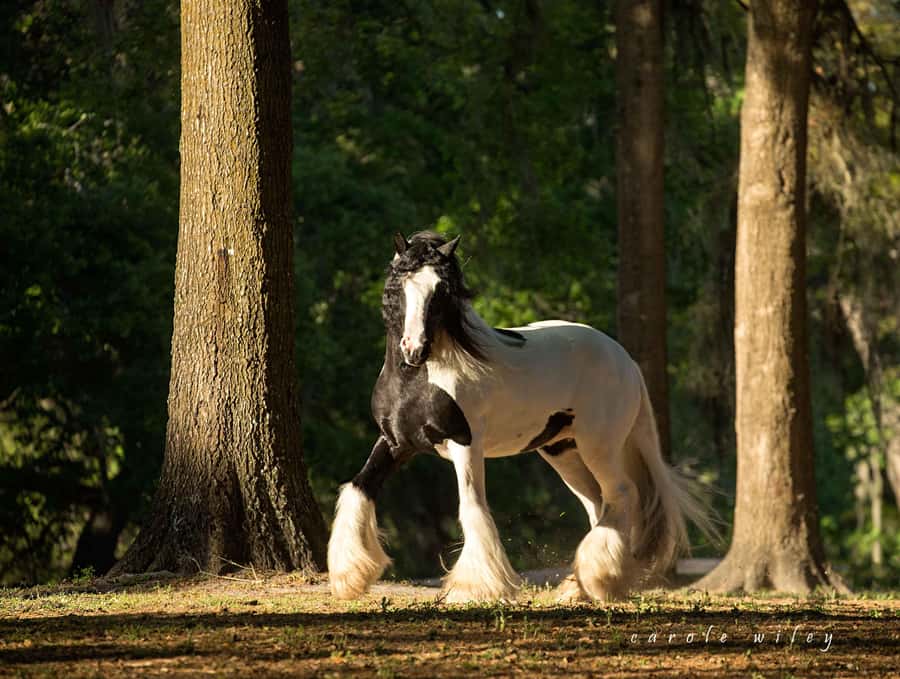
Ocala is a major horse town in Florida, and Gypsy Gold Horse Farm leans into that reputation—without going generic. What makes it special is the mix of education and culture. This is not a “look and leave” stop. You come away with a clearer picture of why the Gypsy Vanner looks the way it does and how a community’s choices shaped a horse breed.
I like that the tour is built around something you can actually connect to: the Thompsons discovered the horses, studied what they learned, then helped establish the breed’s identity in the U.S. You’re shown how a registry and a name can matter, not just for breeders, but for keeping knowledge from fading.
Also, the farm itself keeps the visit grounded. It’s not a museum with glass cases. You’re walking a working 40-acre property and meeting animals that live there. That’s usually where real questions pop up—how they’re cared for, how they move, and what they’re like up close.
One more plus: the tone is personal. The experience is shared by the people who spent years working out the story and building the herd. That kind of ownership tends to make tours feel less scripted and more human.
You can also read our reviews of more tours and experiences in Ocala.
The Gypsy Vanner story: Culture, horses, and the first 16
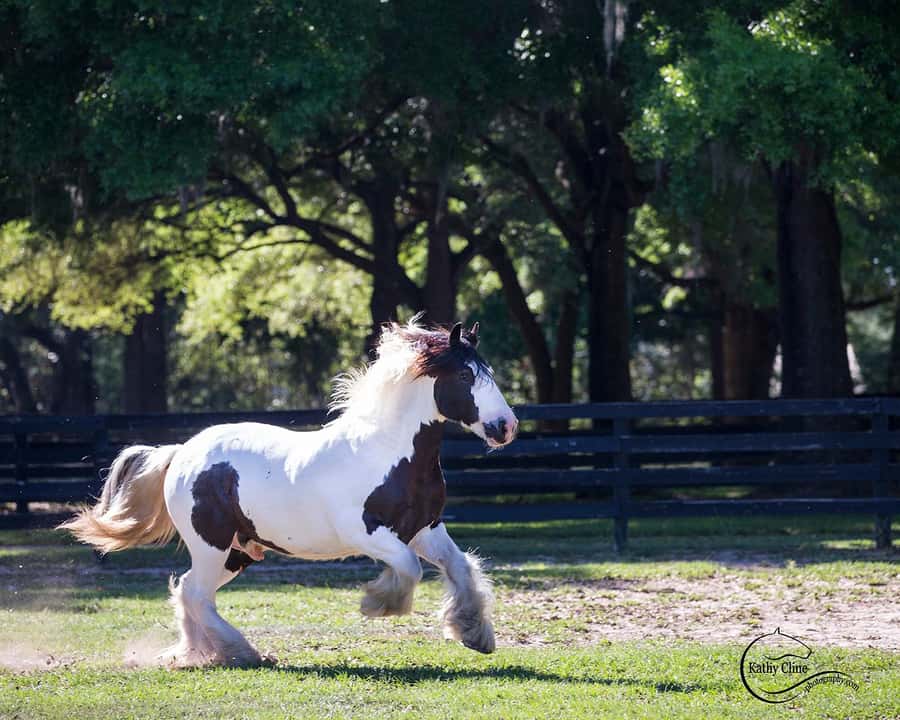
The core of the tour is the relationship between British Gypsy culture and the Gypsy Vanner Horse. The breed is often described by appearance—flowing movement, distinctive markings, and that unmistakable presence—but the tour pushes you to understand the “why” behind those traits.
Here’s what you’ll learn to connect the dots:
- The Thompsons saw a unique horse while traveling through the English countryside.
- They learned it belonged to a Gypsy community.
- They then spent time in a Gypsy camp learning more about the horses and the culture around them.
- After that, they spent years working to understand what British Gypsies were doing with their horses and how those practices shaped the breed.
This matters because horse breeds don’t come from nowhere. Names, documentation, and breeding goals affect how a horse develops over time. When the tour talks about naming the breed and establishing a registry for a breed developed by British Gypsies, it’s basically showing you how people turned lived knowledge into a lasting record.
And that early U.S. chapter is a big deal on this farm. The visit connects to the fact that Gypsy Gold is home to the first 16 registered Gypsy Vanner horses in North America. Even if you’re not a breeding nerd, it gives the tour real weight: you’re not just hearing about history; you’re standing in a place tied to its beginning.
The 2-hour Horses & History tour, step by step
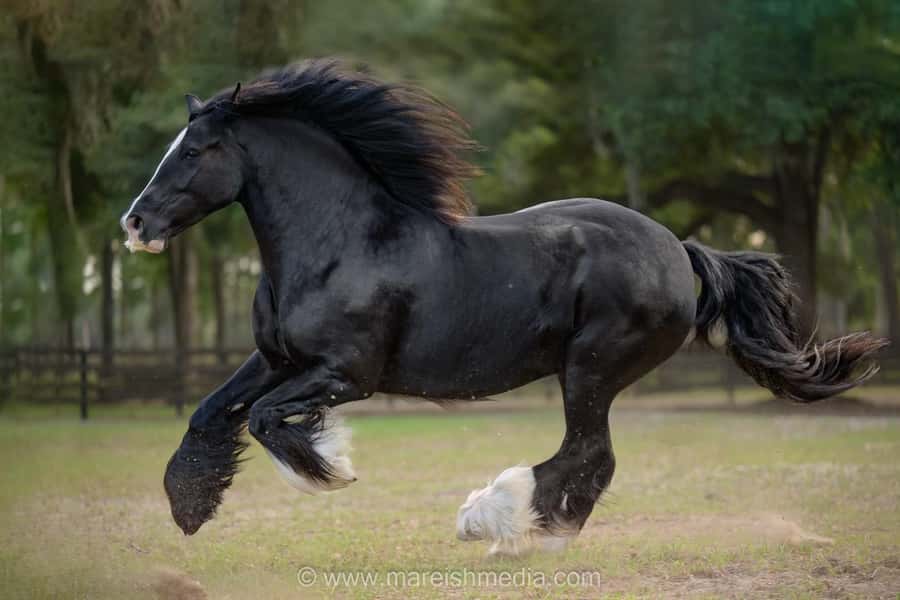
This is the full format. You’ll be there for about 2 hours, and it runs on a schedule (more on that later). The flow is simple and easy to follow: lecture, photo-op, then a guided tour of the farm.
1) A 1-hour lecture with Dennis Thompson
The tour starts with a 1-hour lecture delivered by Dennis Thompson. Expect the kind of storytelling that helps you picture the journey—travel to learn, time spent in a camp setting, and the long process of understanding horse-raising practices connected to British Gypsy communities.
What I like about this first block is that it changes how you look at everything afterward. When you know the backstory, the horses stop being just “beautiful animals.” They become evidence. You start noticing details in appearance and movement with a question in mind: what could the community’s needs and preferences have done to shape the breed?
If you’re the type who likes context—how people, culture, and animals interact—this lecture is the heart of the day.
2) Photo-op with a Gypsy Vanner
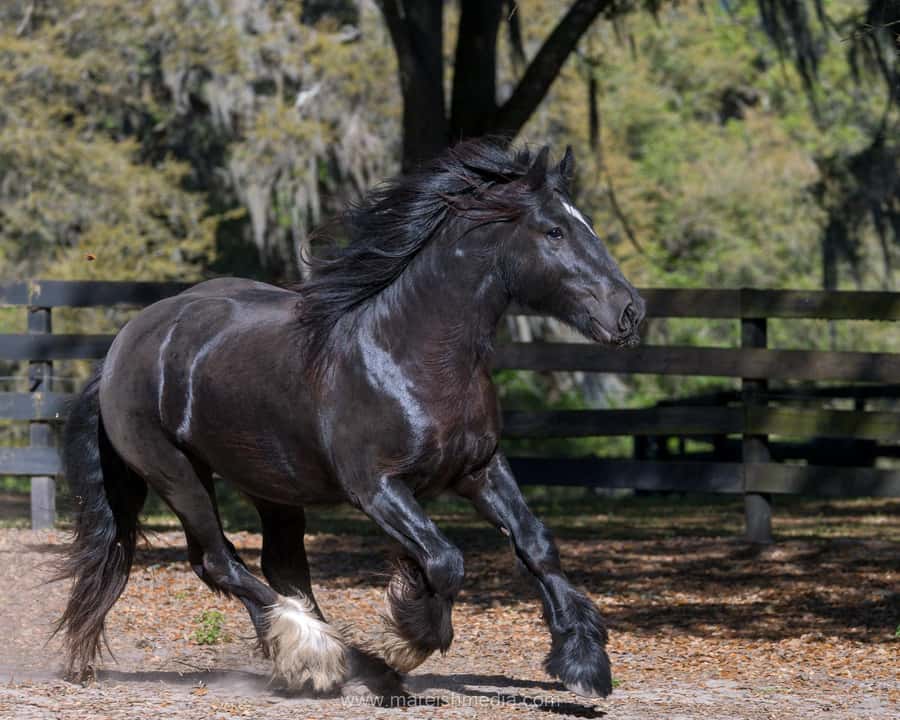
After the lecture, the tour includes a photo-op with a Gypsy Vanner horse. This is your visual reset and your chance to get something you can keep. The horses look dramatic in photographs, but you’ll also be more prepared to notice their character in person by this point.
Tip: if you want photos that look good, wear closed-toe shoes and weather-ready clothing. You’ll be moving around, and you don’t want to fuss with laces or gear when the horse is right there.
3) A 1-hour guided walk through the farm
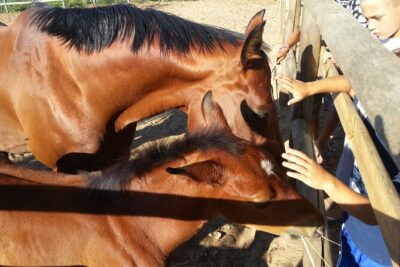
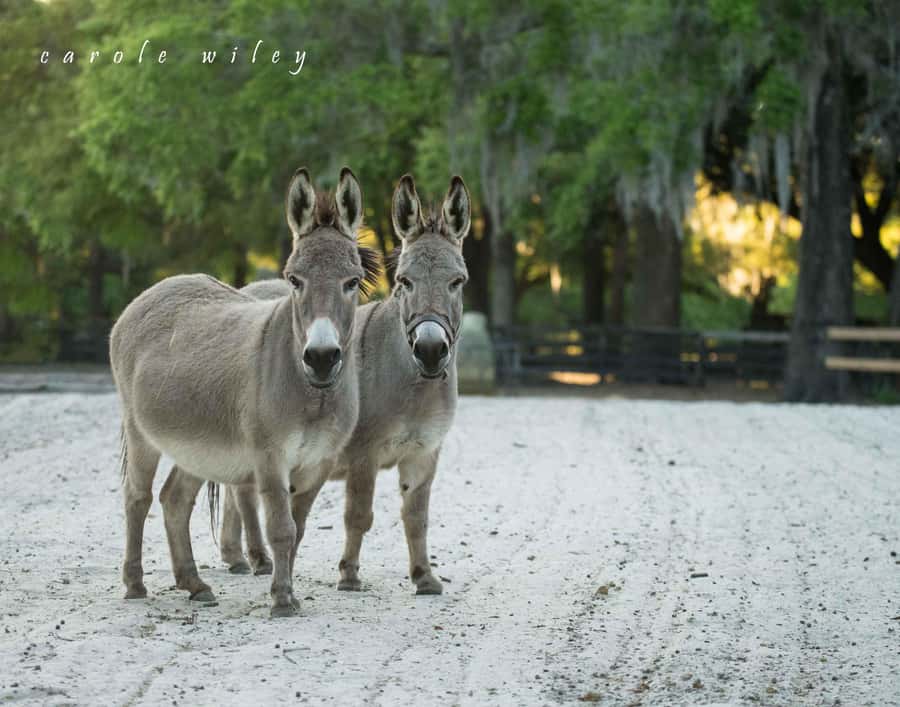
Then you move into the farm tour portion, led by a guide from the farm team. During this part, you meet the horses and other animals living at Gypsy Gold. The tour covers a full range of residents, including mules, donkeys, and parrots.
This is where I recommend you ask yourself a few simple questions:
- What does the farm’s setup suggest about daily care and handling?
- How do the animals interact with each other and with people?
- What do you notice first about the Gypsy Vanner compared with other horses?
Even if you already think you know what you’re seeing, meeting animals in a 40-acre environment adds details you won’t get from a website.
What you should bring for the farm walk
The tour suggests practical items so you don’t get stuck during the walking portions:
- comfortable shoes
- a hat
- sunscreen
- water
- a camera (if you want to capture the photo-op and the rest of the animals)
And yes: bring carrots. The tour notes that you should. Just keep in mind that carrots are a simple add-on to the visit, not a replacement for listening and watching. Follow any guidance from your guide about when and how to offer them.
The 1-hour walking tour option: a shorter way to connect
Not everyone wants the full 2 hours. If you’re tight on time or you prefer a lighter format, there’s a 1-hour walking tour option.
What you gain with the shorter tour is flexibility. It’s easier to fit into a half-day in Ocala, and you can pair it with other nearby horse-focused activities. It’s also a good choice if you mainly want the farm experience—meeting the animals and seeing the farm space—without the extra time of the full lecture + walk rhythm.
What you give up is the longer storytelling arc. The 2-hour version includes the full structure that starts with the history lecture from Dennis Thompson. If history is a big part of your travel style, you’ll likely enjoy having that extra grounding time before you walk.
If your schedule can handle it, I’d lean toward the 2-hour option for the best “understand before you see” payoff.
The farm itself: 40 acres, animals close up, and what to watch for
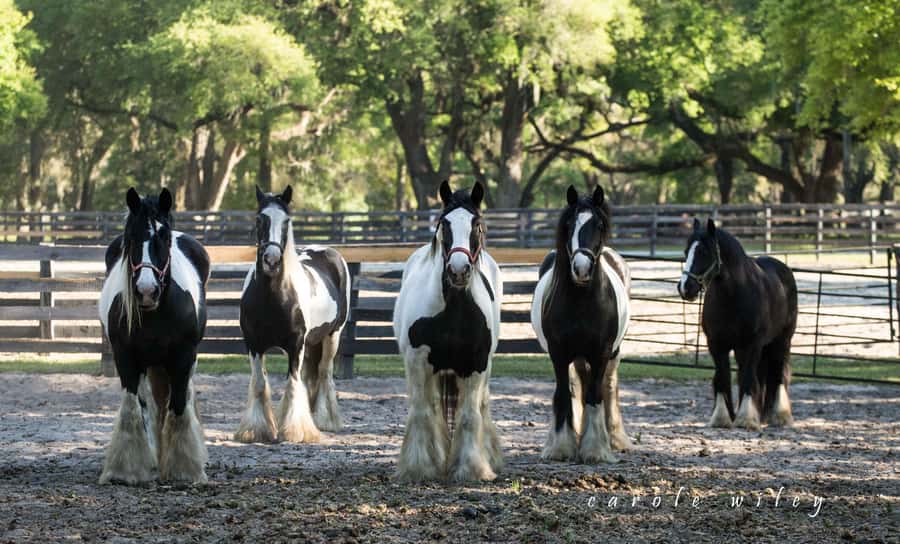
Gypsy Gold Horse Farm is a working property, and that shapes the feel of your visit. You’re walking through a real environment, not just passing through photo stops. That’s a good thing, but it means you should prepare like you’re going for a short outdoor outing.
Comfort matters here. Wear closed-toe shoes and weather-appropriate clothing. The tour specifically calls out closed-toe footwear, and it makes sense: you’ll be on uneven farm ground, and you’ll want your footing to feel secure.
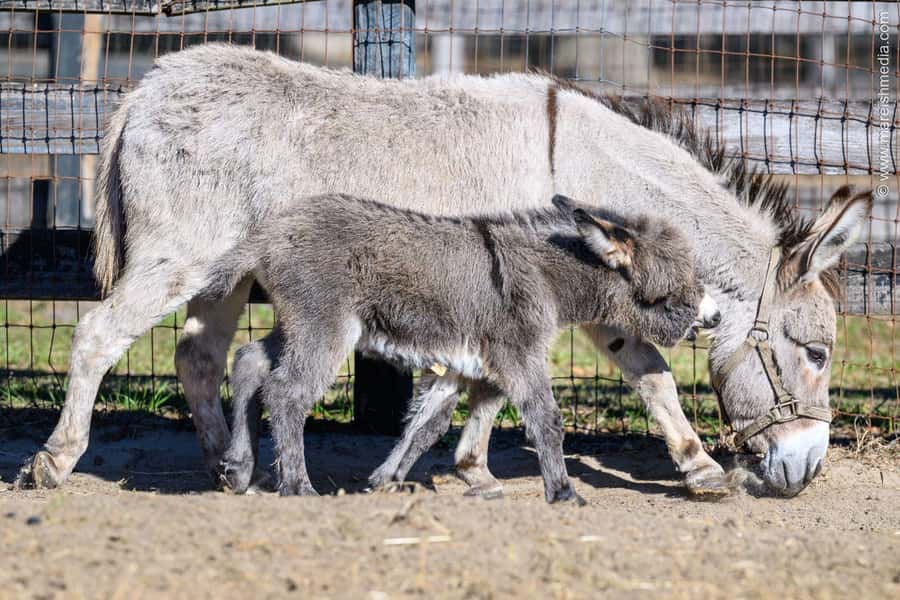
You’ll also get a mix of species, not only horses. The inclusion of mules, donkeys, and parrots makes the farm feel livelier and less one-note. Even if you’re only there for the Gypsy Vanner Horses, the other animals round out the experience and give your guided walk variety.
One more practical point: plan your photos with the flow of the tour. You’ll have a photo-op with a Gypsy Vanner, but the rest of the visit still involves moving between animal areas. Keep your camera ready, but don’t rush ahead of your guide’s pacing.
And if you have allergies, take the “know before you go” list seriously. The tour notes it’s not suitable for people with animal allergies. That’s not about being picky—it’s about protecting your health.
Price and value: Is $50 per person worth it?
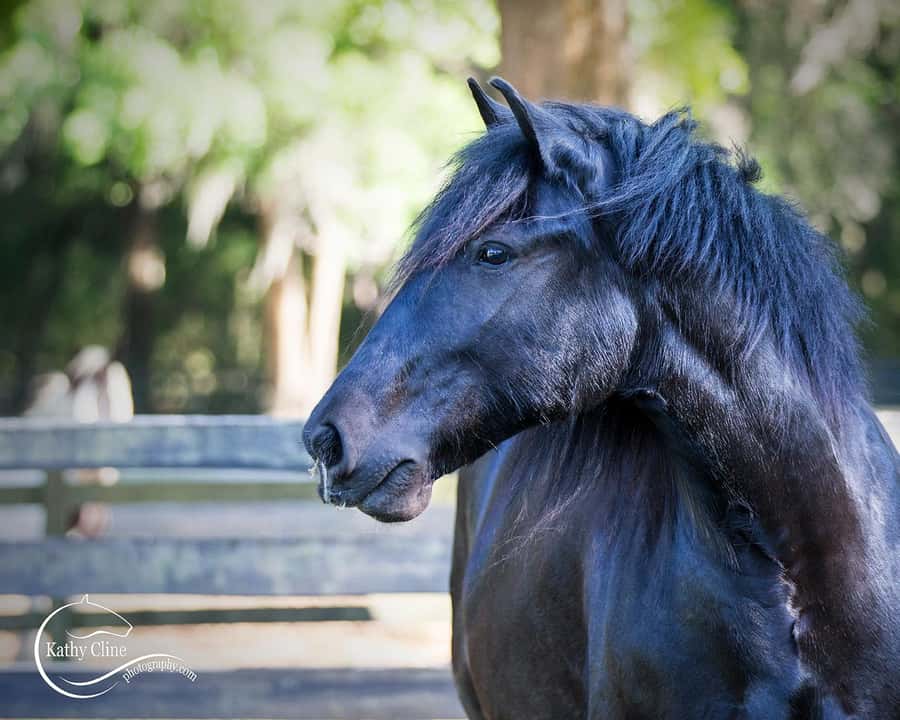
At $50 per person, this tour isn’t trying to be the cheapest thing in Ocala. It’s priced like an experience where the guide time, the farm knowledge, and the access all cost something.
Here’s why it can be good value:
- You get a structured 2-hour learning experience with a history lecture from Dennis Thompson.
- The farm connects to the breed’s early U.S. story, including the first 16 registered Gypsy Vanner horses.
- You’re not only looking at animals; you’re learning how the breed was named, documented, and cared for within a cultural context.
- You also get a guided walk on a 40-acre property, where you meet not just horses but mules, donkeys, and parrots.
If you’re the type who likes animal experiences that come with context and explanation, the price feels fair. If you mainly want quick photo time and don’t care about the cultural history side, you may feel you’d rather spend your money elsewhere—or choose the 1-hour walking tour if it better matches your interests.
The best way to think about it: this is a lesson with animals attached, not an animal show. If that matches your style, you’ll likely feel happy with what you paid.
Who should book this tour (and who should think twice)
This experience is a strong fit for:
- people who like horse history and breed background
- travelers who enjoy culture-based storytelling, not just animal viewing
- visitors who want a guided farm walk with time to ask questions
- anyone visiting Ocala who wants something more specific than a general horse ride
It may not be the best fit if:
- you need a wheelchair-friendly route (the tour notes it is not suitable for wheelchair users)
- you have animal allergies
- your group really struggles with a longer listening portion, since the 2-hour format includes a 1-hour lecture
From what you’ve got planned in Florida, it also helps to time this for when you’re not rushed. The farm visit works better when you can slow down and take it in, not when you’re late for the next thing.
Timing in Ocala: When tours run and how to plan your day
Tours are available every Monday, Wednesday, Friday, and Saturday, with start times at 10:00 AM or 1:30 PM. If you’re building a route around horse country in Ocala, that schedule is workable, especially if you plan your day early and give yourself time for an outdoor walk.
Also, tours are listed as private group. That can be a plus if you like a quieter experience and prefer to ask questions without feeling like you’re in a crowd.
For the day-of plan:
- bring water and sunscreen
- wear a hat
- wear closed-toe shoes
- keep your camera accessible for the photo-op
If it’s hot, schedule the tour earlier when possible. Florida weather can move fast, and you want to stay comfortable during the walking portions.
Should you book the Gypsy Gold Horses & History Tour?
If you’re curious about how a horse breed connects to culture—and you want real time on a farm, not just a pass-through—this tour is an easy yes. I especially like it for the way the story is taught first, then confirmed by what you see up close at Gypsy Gold.
I’d pass only if your group can’t handle a lecture portion or if you need wheelchair access. For everyone else, it’s a thoughtful, well-paced 2-hour experience that makes Ocala feel personal.
Book it if you want:
- Gypsy Vanner history you can explain later
- a guided walk across a 40-acre horse farm
- a memorable photo-op with a Gypsy Vanner horse
- the chance to meet more than horses, including donkeys, mules, and parrots
FAQ
FAQ
How long is the Ocala Gypsy Gold Horses & History tour?
The Horses & History tour runs for about 2 hours. There is also a 1-hour walking tour option.
How much does the tour cost?
The price is $50 per person.
Where is the tour located?
The tour takes place at Gypsy Gold Horse Farm in Ocala, Florida, United States.
What time do tours start?
Tours are available Monday, Wednesday, Friday, and Saturday at 10:00 AM or 1:30 PM.
Is the tour private?
Yes, it is listed as a private group experience.
What language is the tour guide speaking?
The tour guide is English-speaking.
What animals will I see?
On the farm tour, you can meet horses and also mules, donkeys, and parrots that live on the property.
What should I bring with me?
Bring comfortable shoes, a hat, a camera, sunscreen, water, and closed-toe shoes. The tour also suggests bringing carrots.
Are pets allowed?
No, pets are not allowed.
Can I cancel and get a refund?
You can cancel up to 24 hours in advance for a full refund. Reserve now & pay later is also offered to keep plans flexible.