REVIEW · KOTOR
Olive oil farm to fork experience & short walking tour of Kotor
Book on Viator →Operated by Kotor Private Tours · Bookable on Viator
Olive oil country is only a drive away. This farm-to-fork outing pairs a short Kotor old town walking tour with a family estate in Lustica, where olive trees, mills, and daily life are all part of the story. You’ll learn how oil went from a 150-year-old process to today’s modern press, then taste the results with local food and drink.
What I like most is the way you meet the family and walk among nearly 1,000 olive trees that are centuries old. The day also connects old machinery to modern methods, including the 150-year-old mill and a newer anaerobic production setup, so the tasting feels earned, not random.
One consideration: at $863.54 per group (up to 6), it’s best value when you can fill the group. If you’re just a couple, you’ll still get the privacy, but the per-person price can sting a bit.
In This Review
- Key highlights
- Kotor Old Town Walk: a quick orientation before the olive country
- Lustica Olive Estate: 200 years of a living orchard
- Old Mill Meets Modern Press: how production changed lives
- Olive Oil Tasting: learning what quality actually tastes like
- Homemade lunch and Ilija’s chat: food, drink, and the view of the harbor
- Timing, pickup, and the private-group vibe up to 6
- Price and value: what you’re paying for with $863.54 per group
- What to wear and how to prepare for a smooth farm-to-table day
- Who this tour fits best (and who might not love it)
- Should you book this olive oil farm to fork day?
- FAQ
- How long is the olive oil farm to fork experience with the short Kotor walking tour?
- Is pickup available in Kotor?
- What language is the tour offered in?
- How many people are included?
- When does it run?
- What is the cancellation policy?
Key highlights
- Family-owned Lustica estate with 200 years of ownership and olive trees that predate many buildings in town
- Old mill and modern press explained side-by-side, including anaerobic production
- Olive oil tasting focused on quality and nuance, not just sampling
- Homemade lunch (olive oil, cheeses, prosciutto, olives, salad, apple pie) plus local brandy
- Short Kotor old town walk guided by Liset, then a scenic harbor view drive with Daniel
Kotor Old Town Walk: a quick orientation before the olive country
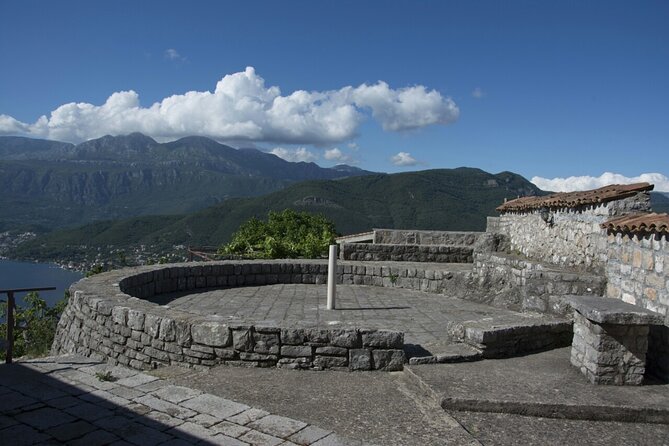
You start in Kotor, meeting either in the old town or the port area. Your guide holds a sign with your name, and the tone is friendly and easy from minute one. The walking portion is short, but it’s not just aimless wandering. Liset’s pace is built to help you get your bearings fast.
Expect to move through the old town’s tight streets long enough to understand the layout and feel the character of the place. You’ll also get helpful context for what you’re seeing, so the city stops being a blur of stone and becomes a real place with logic.
If you come to Kotor thinking you’ll only photograph towers and bay views, this is a smart way to add meaning to the walking part. The downside is simple: this is not a full-day city tour. The plan sends you on to the farm, so plan on keeping your deeper Kotor sightseeing for another time.
You can also read our reviews of more tours and experiences in Kotor.
Lustica Olive Estate: 200 years of a living orchard
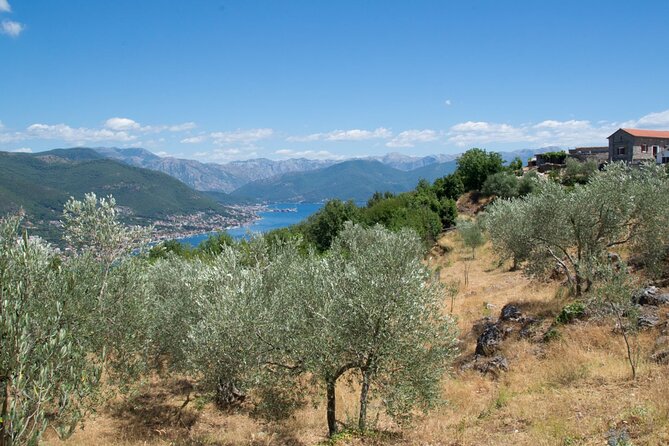
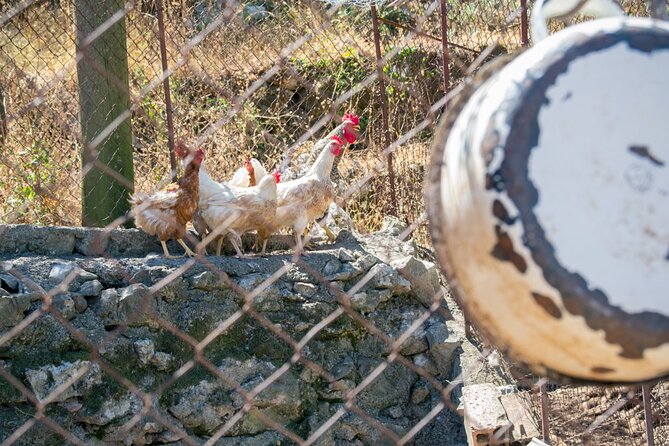
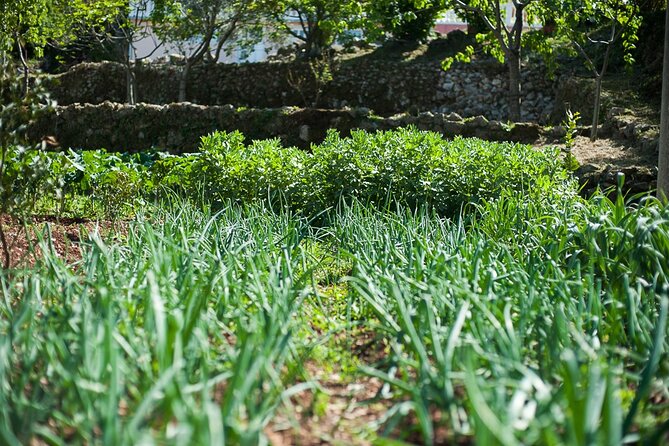
Then you’re off to Lustica, an olive region that has been cultivating olives and producing oil for more than 2,000 years. That long timeline matters, because the farm isn’t presented as a museum stop. It’s a working estate where the family still grows vegetables and keeps animals, and you can feel the everyday rhythm behind the story.
At the estate, you meet the family and tour a home and land they’ve owned for 200 years. You’ll wander among nearly 1,000 olive trees, and the age range is a big part of the experience. Seeing older trees up close changes your sense of time. Olive farming is slow work, and this estate makes that clear.
A detail I really appreciate: you’re not only shown the trees. You’re shown the estate as a place. That means the olives sit in a bigger picture of how people live here, not just as a “product” ready to be sold.
Practical tip: wear shoes you can walk in. The estate experience involves walking outdoors among trees and uneven ground. It’s not extreme, but comfort helps you enjoy the stops without thinking about your feet.
Old Mill Meets Modern Press: how production changed lives
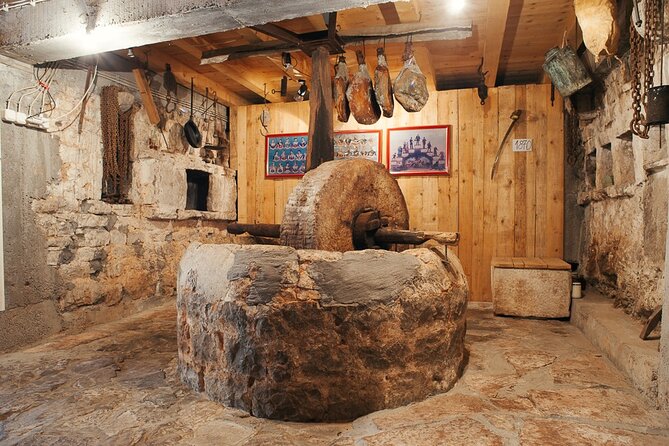
This is where the tour turns from pretty views to hands-on understanding.
You’ll see the old way of producing olive oil using an authentic 150-year-old mill. Even if you’re not a technical person, the point lands: earlier methods relied on tools and timing that shaped everything from labor to flavor. Seeing the older equipment helps you understand why traditional production has such a strong following.
Then you shift to how it’s done today with a newer olive press using anaerobic production. The tour explains how that change affected the family’s lifestyle, which is the part I find most useful. It’s easy to talk about technology in abstract terms. Here, it connects to daily work and life in the area.
Anaerobic production is basically about controlling oxygen exposure during processing. In plain terms, that approach can help preserve more of the oil’s fresh aromas and protect quality during the critical steps. You don’t need a chemistry degree to appreciate the outcome, because the tasting follows right after you learn what the process is trying to protect.
I also like that you hear the story directly, with a chat that gives color to what the family chose to keep and what they changed. When that conversation is part of the tour, the olive oil tasting feels like the final chapter instead of a random extra stop.
Olive Oil Tasting: learning what quality actually tastes like
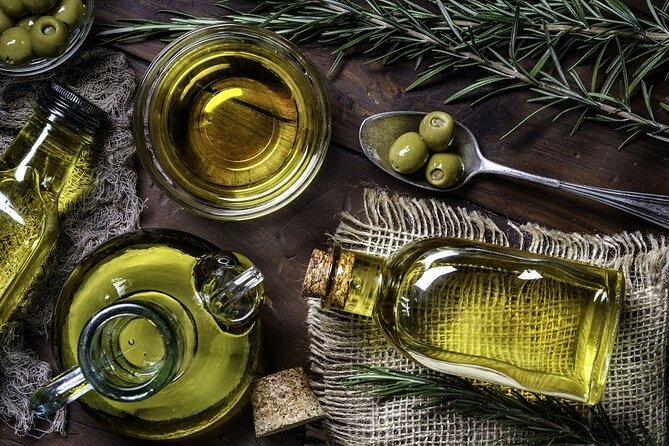
Once you’ve walked the estate and seen both the old and the newer production, you’re ready for the tasting. The goal isn’t just to say yes, it’s delicious. It’s to help you discern quality and notice nuances.
The tour structure supports this. You’re not thrown into tasting immediately. You already saw how the olives were processed and why methods matter. So when you taste the oil, your brain has something to connect to: freshness, balance, and the way the oil finishes on your tongue.
You’ll also get context that helps you appreciate the difference between oils that are merely edible and oils that feel alive. That’s the kind of lesson that sticks, because it changes what you’ll buy later.
A small bonus: you taste alongside bread and local pairings, so you can compare how the oil behaves with food. Olive oil is part ingredient and part flavor enhancer, and this approach helps you understand that in a practical way.
Homemade lunch and Ilija’s chat: food, drink, and the view of the harbor
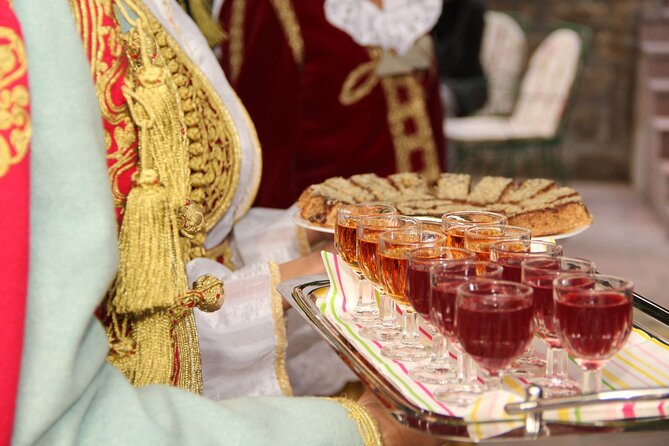
After the tasting and explanations, the day slows down with rest, local food, and a chat with Ilija, the man behind the oil business. This conversation is more than small talk. It’s about life in the area and how the business fits into the wider rhythm of the Lustica region.
Then comes the homemade meal. The food isn’t presented as a buffet lineup of generic plates. It’s clearly tied to the estate and local production, with items that show up again and again in Montenegro’s everyday tastes.
From the sample menu, you can expect:
- A welcome drink, either cherry or grape brandy
- Organic olive oil as part of what you eat
- Bread in a homemade style
- Cheese, prosciutto, and olives
- Smoked ham, bacon, sausages, salad, and apple pie (served as part of the homemade spread)
Yes, it’s a lot of food for a 5-hour day. That’s a real value point, because you’re not just paying for a lesson. You’re getting a full taste of what the family makes and serves.
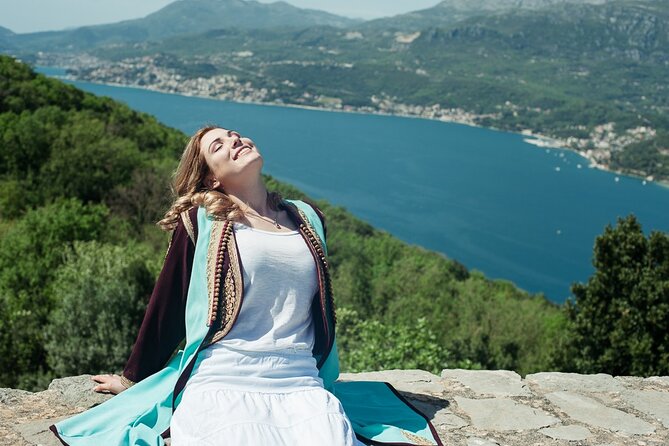
And don’t miss the scenic part at the end. Daniel drives you a bit out of the way for a view of the harbor. It’s one of those small add-ons that makes the whole day feel like it had an arc, not just two separate activities stapled together.
Timing, pickup, and the private-group vibe up to 6
This is a private tour/activity, meaning only your group participates. That matters in Kotor, where crowds can make any walking plan feel stressful. Here, your guide can keep your pace comfortable and shape the conversations around your group.
Pickup is offered. If you meet in Kotor old town or the port, you’ll see your guide holding a sign with your name. The tour then returns to the original meeting point.
The timing is also clear: it runs about 5 hours, with opening hours listed as Monday through Sunday 9:00 AM to 2:00 PM during the active date range shown. That’s a big help for planning your day. It also tells you the tour is designed for mornings through midday, not late-afternoon storytelling.
Small comfort detail: you get a mobile ticket, and confirmation is received at booking. Service animals are allowed too.
Price and value: what you’re paying for with $863.54 per group
Let’s talk money plainly. $863.54 per group (up to 6) is not a budget tour. On paper, it looks expensive per person. In real travel math, you need to compare it to the cost of a private guide plus transportation plus a meal.
This experience stacks multiple value drivers:
- A guided short walk in Kotor old town
- A private farm visit with the family
- Seeing old and modern production methods
- A tasting component focused on quality
- A homemade lunch with local food and drink
- A scenic drive for harbor views
If you can split the group across 4–6 people, the per-person cost becomes far more reasonable for what you get: access, food, and time with local people. If it’s just two or three of you, it’s still a good experience, but you’re paying for privacy and depth rather than squeezing every euro out of the schedule.
My advice: if olive oil is on your must-do list, treat this as a “highlight day.” If you mainly want a quick photo stop, you’d likely feel the price more than the learning.
What to wear and how to prepare for a smooth farm-to-table day
Because you’ll do both city walking and outdoor estate walking, pack for mixed ground. Comfortable shoes are the big one. Dress in layers so you can handle changing temperatures as you move from town streets to the open air of the farm.
You’ll also want to come ready to eat. The meal includes multiple courses and includes alcohol in the form of brandy per the sample menu. If you don’t drink alcohol, it’s worth thinking about how you’ll handle that part of the welcome drink, since the menu example includes it.
Also, if you’re the type who asks questions, this tour rewards that. You’ll hear explanations about production changes and life in the area, and those chats with Ilija tend to be part of what makes the day feel personal.
Who this tour fits best (and who might not love it)
This is ideal for you if:
- You want a real connection to how olive oil is made, not just a tasting at a store
- You like food experiences that include lunch, not just snacks
- You prefer a private plan where you can ask questions and keep the pace comfortable
- You’re curious about the Lustica region and how it fits into Montenegro’s culture
It may not be your best match if:
- You want a long deep dive into Kotor itself. This includes only a short old town walk.
- You’re traveling with a tight budget per person.
- You’re very sensitive to eating meat-heavy menus. The sample includes prosciutto, smoked ham, bacon, and sausages.
Should you book this olive oil farm to fork day?
I’d book it if you want one standout “local people and local product” day in Montenegro. The combination is unusually coherent: Kotor gives you context, Lustica gives you craft and tradition, and the lunch seals it all with real food from the same world you just toured.
What makes it worth your time is the matching of process to taste. Seeing the 150-year-old mill, then the modern press, then tasting the result, helps the day make sense. Add the homemade meal and the harbor view drive, and you’ve basically got a full highlight in one package.
So, do I recommend it? Yes, with one condition: bring the group size that makes the pricing feel fair, and go hungry for both learning and lunch. If that’s your style of day, this is one of the best ways to spend a half-day in Kotor that still feels like you left the city behind.
FAQ
How long is the olive oil farm to fork experience with the short Kotor walking tour?
It runs for about 5 hours.
Is pickup available in Kotor?
Yes. If you start in Kotor old town or Kotor port, the guide holds a sign with your name. The activity ends back at the meeting point.
What language is the tour offered in?
It’s offered in English.
How many people are included?
This is a private tour/activity for only your group, up to 6 people.
When does it run?
Opening hours are listed as Monday through Sunday from 9:00 AM to 2:00 PM, during 04/10/2025 to 12/07/2026.
What is the cancellation policy?
You can cancel for free up to 24 hours in advance for a full refund. If you cancel less than 24 hours before the experience starts, the amount paid is not refunded.