REVIEW · ROCKHAMPTON
Rockhampton: Koorana Crocodile Farm Guided Tour
Book on GetYourGuide →Operated by Koorana Crocodile Farm · Bookable on GetYourGuide
Crocodiles, close enough to make you pay attention. At Rockhampton’s Koorana Crocodile Farm, a guided 90-minute tour mixes behavior lessons, conservation talk, and hands-on moments that turn crocodiles from scary headlines into real animals with real roles.
I especially like the farm walk and feeding portion, because you see behavior in motion rather than just peeking at enclosures. I also like the chance to get up close for a small-croc photo and learn how the farm supports crocodiles through breeding and seasonal activity. The main consideration is simple: you’re walking around an active reptile farm in the sun, and this is not a quiet museum-style stop.
In This Review
- Quick hits before you go
- Koorana Crocodile Farm in Rockhampton: what you’re really paying for
- Starting the tour: conservation and commercial crocodiles explained
- The behavior lesson: how crocs move, hunt, and rest
- Farm walk and crocodile feeding: seeing behavior up close
- Eggs, nests, and hatching: the seasonal program you can time your trip for
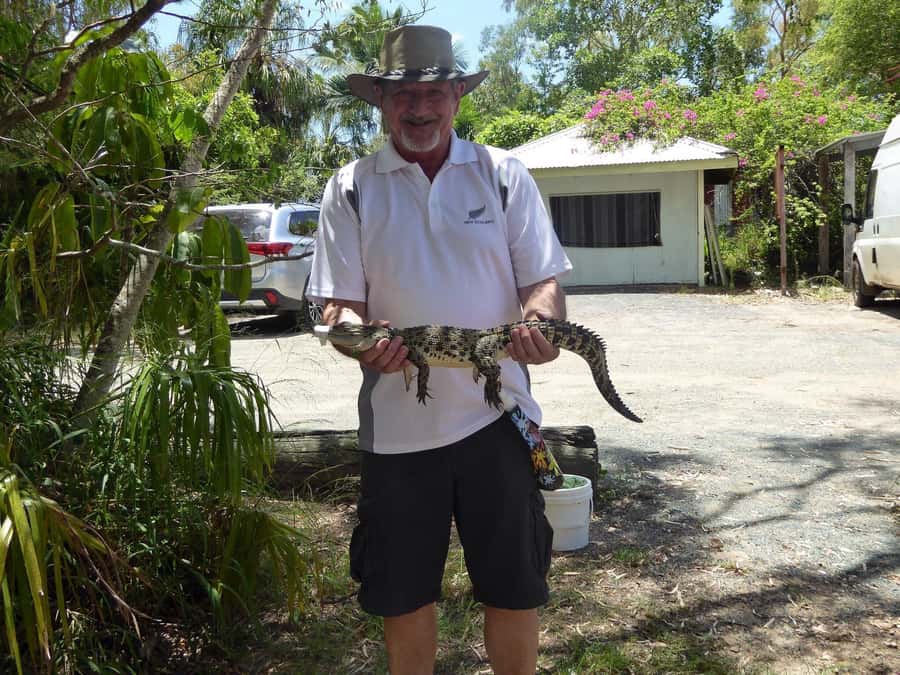
- Holding a small crocodile for a photo: the fun part, with rules
- Price and value: is $28 worth 90 minutes?
- Who should book this tour (and who should skip it)
- What to bring for Queensland weather and farm conditions
- Timing your visit: December to February vs. February to May
- Guides and the on-the-day experience
- So, should you book Koorana Crocodile Farm?
- FAQ
- How long is the Rockhampton Koorana Crocodile Farm guided tour?
- What’s included in the ticket price?
- Is food and drinks included?
- What should I bring with me?
- When can I see nest raids or hatching activities?
- Is the tour suitable for young children or pregnant women?
- Is there free cancellation and a pay-later option?
Quick hits before you go
- 90 minutes with a live guide focused on crocodile behavior and conservation
- Feeding time on the farm walk, with staff explaining what you’re seeing
- Intro talk + video presentation that gives you a framework before you meet the animals
- Hold a small crocodile for a photo opportunity (safety rules are part of the experience)
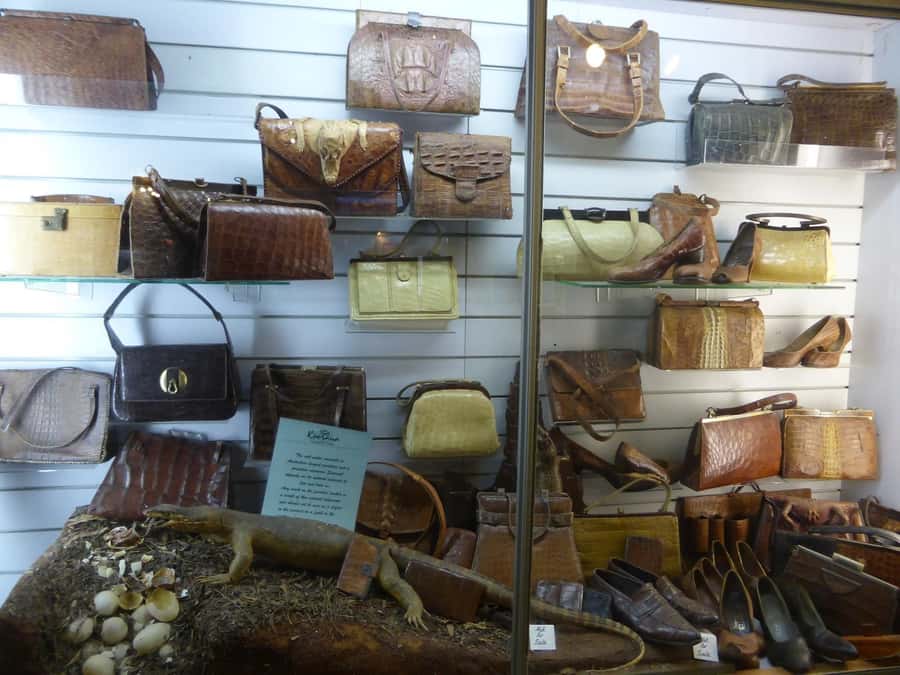
- Eggs and hatching process, plus seasonal nest activity from Dec–Feb and hatching Feb–May
Koorana Crocodile Farm in Rockhampton: what you’re really paying for
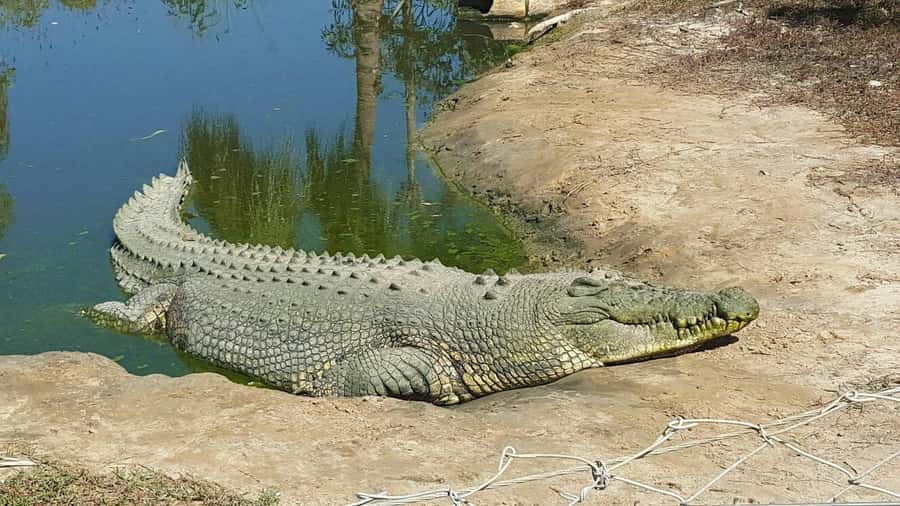
At $28 per person for about 90 minutes, this tour is good value if you want more than a quick look at crocs. The ticket isn’t just admission. You’re buying a guided format: an intro talk, a video, a supervised farm walk, and hands-on time for a small-croc photo opportunity.
The most useful thing you get for your money is context. Crocodile behavior can look random if you only watch from behind glass. Here, you get explanations first, then you watch feeding and other moments with better “why” in your head.
Starting the tour: conservation and commercial crocodiles explained
The tour begins with a meet-and-greet and an intro talk that covers two big ideas: conservation and commercialization. That matters, because crocodile farming can sound controversial from the outside. A guided explanation helps you understand what the farm is doing and why it’s part of the bigger conservation picture.
After that, you’ll get a video presentation on crocodile behavior and the farm’s role. This is one of those parts that can feel like “wait, why am I watching a video?” until you realize it sets you up for the rest of the tour. Once you’re out walking, you’ll have a clearer idea of what traits to notice and what behaviors to expect.
If your English listening speed needs a little extra help, plan for it. The experience is delivered in English, and the pacing can vary by guide. Slow and steady usually works better than expecting every sentence to land at once.
The behavior lesson: how crocs move, hunt, and rest
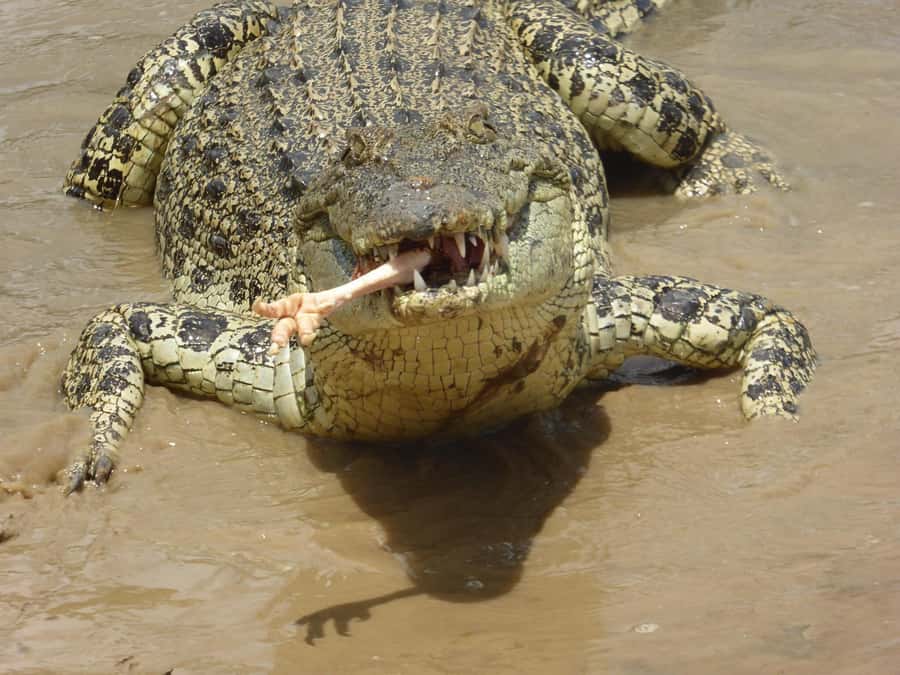
A key theme of the tour is crocodile behavior—what they do and why they do it. This is where the guided portion really pays off. Crocs aren’t “fast monsters” all the time. They conserve energy, watch carefully, and respond to conditions like feeding and handling routines.
The tour structure is smart: you learn behavior basics before the farm walk. That means you’re not just seeing animals. You’re seeing actions you can interpret. You’ll also pick up how different parts of their life connect to the farm’s daily work.
Farm walk and crocodile feeding: seeing behavior up close
The heart of the outdoor part is the farm walk and the feeding session with staff. This is where the tour shifts from information to observation. You get to watch crocodiles being fed, and the guide talks through what you’re seeing—so your brain learns from the moment, not just from a lecture.
This section also tends to be the most emotional for people in a good way. Crocodiles look dramatic, even when they’re calm. The difference is whether you understand what their posture and reactions mean. A guided feeding walk turns that into something you can follow.
I also like that safety is treated as part of the experience. Even with a close look, the tour isn’t set up like a thrill ride. You’re learning how to be near dangerous animals without turning the day into chaos.
Eggs, nests, and hatching: the seasonal program you can time your trip for
One of the most fascinating parts of Koorana is the focus on eggs and the hatching process. You’ll see eggs and learn about how hatching works, which changes the way you think about crocodiles. Instead of only picturing adults, the tour brings you into the earlier stages of their life cycle.
The farm’s special activities depend on the season:
- Nest raids (Dec–Feb): staff collect eggs during specific months
- Baby crocs hatching (Feb–May): you may see hatching activities in that window
If you’re planning around a trip to the Capricorn Coast and want the highest chance of seeing the most “wow” moments, this seasonal timing is your lever. Ask your operator about what’s active when you book, then build your expectations around the month you’re visiting.
Holding a small crocodile for a photo: the fun part, with rules
Yes, you may get to hold a small crocodile and take a photo. This is clearly one of the most memorable parts for many people, and it’s also one of the reasons this tour is popular.
What makes it worth doing isn’t just the novelty. The tour frames it with safety emphasis and behavior education, so it feels less like a stunt and more like a supervised animal encounter. You’ll know what you’re seeing and why the farm uses careful handling.
A small note for planning: the tour data says this photo opportunity is included, but some experiences can vary in how holds and photos are offered on the day. If anything isn’t clear at check-in, confirm before you walk out to the crocodile area.
Price and value: is $28 worth 90 minutes?
For $28, you’re paying for a guided experience that includes multiple components: an intro talk, a video presentation, a farm walk, feeding with staff guidance, and hands-on photo time with a small crocodile. Add to that the seasonal activities and egg-related learning, and the ticket starts to make real sense.
If you compare this to tours that only offer viewing, the value improves fast. Here you’re not just looking; you’re being taught how to look. That’s the difference between seeing crocodiles and understanding why people care about them.
The only downside on the value side is what you don’t get: food and drinks are not included. Plan for that so you’re not stuck trying to solve a hunger problem halfway through.
Who should book this tour (and who should skip it)
This tour is a great match if you want hands-on learning with a strong conservation angle and you like guided explanations. It also works well for people who are curious but nervous. The structure helps—learn first, then see and do with staff support.
That said, it’s not for everyone:
- Not suitable for children under 3 years
- Not suitable for pregnant women
If you’re traveling with a mix of ages, this is a rare animal experience where you can set expectations early. You can also decide if holding a croc is a must-do or just optional.
What to bring for Queensland weather and farm conditions
This tour happens on the farm with walking time, so bring what keeps you comfortable:
- Comfortable shoes (you’ll be on uneven or outdoor surfaces)
- Camera (photos are part of the experience)
- Sunscreen
- Water
- Insect repellent
Because the farm walk is outdoors and you’ll be learning while standing and walking, you’ll feel the heat more than you’d expect. Plan for sun and hydration so your tour stays focused on crocodiles, not discomfort.
If you don’t want to think about meals, set your expectations: food and drinks are not included, so bring your own plan for before or after.
Timing your visit: December to February vs. February to May
If you’re in Queensland during:
- Dec–Feb, you may see nest raids and egg-collection activity as part of the seasonal program.
- Feb–May, you have a stronger chance of baby crocs hatching being part of the day.
This matters because the farm’s schedule changes the feel of your tour. Egg and hatching moments are a different kind of excitement than feeding. Either can be great, but they scratch different itches—one is about life cycles, the other is about behavior in the moment.
Guides and the on-the-day experience
The quality of the day often comes down to the guide. Two names you might hear in this experience are Kia and Mel. Across tours, the pattern is clear: guides emphasize safety, encourage questions, and explain what you’re seeing so it makes sense.
One practical tip if you’re sensitive to audio clarity: some people find fast English narration harder to follow. If that’s you, sit where you can see the guide clearly, and don’t be shy about asking for a slower repeat when questions pop up.
So, should you book Koorana Crocodile Farm?
I think this is an easy “yes” for the right traveler: you want a guided, behavior-focused crocodile experience in Rockhampton, you’re okay with outdoors walking, and you’d like a chance at a small-croc photo moment.
You might skip it if you can’t handle reptiles at close range, you’re looking for a mostly indoor museum-style outing, or you’re in a group that includes someone who doesn’t meet the tour’s suitability rules.
If you’re aiming to maximize the seasonal magic—nest activity or hatching—book around the months that match what you want to see, then come prepared for sun and a genuinely educational hour-and-a-half.
FAQ
How long is the Rockhampton Koorana Crocodile Farm guided tour?
The tour lasts about 90 minutes.
What’s included in the ticket price?
You get a fully guided tour, an intro talk on conservation and commercialization, a video presentation on crocodile behavior, a farm walk with crocodile feeding, a hands-on photo opportunity with a small crocodile, and seasonal activities such as nest raids or hatching (depending on the time of year).
Is food and drinks included?
No. Food and drinks are not included.
What should I bring with me?
Bring comfortable shoes, a camera, sunscreen, water, and insect repellent.
When can I see nest raids or hatching activities?
Nest raids and egg collection happen from December to February. Baby crocs hatching happens from February to May.
Is the tour suitable for young children or pregnant women?
No. It is not suitable for children under 3 years and not suitable for pregnant women.
Is there free cancellation and a pay-later option?
Yes. You can cancel up to 24 hours in advance for a full refund, and you can reserve now and pay later.