REVIEW · CHIANG MAI
Off the Map Chiang Mai Jungle Coffee Trek Roast and Brew
Book on Viator →Operated by Chiang Mai Hill-tribe Coffee tour · Bookable on Viator
Early coffee tastes better out here.
I love that this trip turns Chiang Mai coffee into a full day in the Karen highlands, not a quick cafe stop. You get hands-on time roasting green beans and then brewing with a V60 so you leave with skills you’ll use at home. The drive into the mountains and the forest walk also mean the day starts early and involves real walking on uneven ground, so plan for that.
You’ll spend the morning moving through Mae Wang National Park’s coffee-growing terrain, then slow down for lunch and village learning before your roasting and brew workshop. My one caution: if you’re hoping for a relaxed, minimal-walking outing, this won’t be your best fit—moderate fitness is expected, and good weather matters because it’s an outdoors trek.
In This Review
- Key highlights worth planning for
- Why This Chiang Mai Jungle Coffee Trek Feels Different
- Getting There: Hotel Pickup, VIP Van, and the Small-Group Pace
- Mae Wang National Park: Coffee Walks, Forest Wisdom, and Photo Spots
- Planting for the Future: A Coffee Tree You Can Actually Point To
- Karen-Style Farm-to-Table Vegetarian Lunch (and the Taste of Simple Food)
- Roasting Masterclass: Controlling Heat and Taking Beans Home
- Brewing V60 Pour-Over: A Skill You’ll Use at Home
- What You’ll Actually Experience on the Trail (Good Weather Needed)
- Who This Tour Suits Best (and Who Should Think Twice)
- Price and Value: What $123.87 Buys You in the Highlands
- Final Call: Should You Book This Off the Map Chiang Mai Trek?
- FAQ
- How long is the Off the Map Chiang Mai Jungle Coffee Trek?
- Where does pickup happen in Chiang Mai?
- What time does the tour start and end?
- Is transport included?
- What food is included?
- Do I roast my own coffee?
- Will I learn how to brew coffee?
- How big is the group?
- Do I need a certain fitness level?
- What happens if weather is bad?
Key highlights worth planning for
- Small group max 8 for a more personal pace on the trail and in workshops
- 4WD mountain ride into Karen Highlands for a true change of scenery
- Coffee + forest learning including coffee plants, sustainable farming, herbal medicine, and local wildlife topics
- Plant a coffee tree as part of Karen stewardship traditions
- Hands-on roasting and take-home beans (a bag of what you roast, about 150 g)
- V60 pour-over training so you can recreate the method later
Why This Chiang Mai Jungle Coffee Trek Feels Different
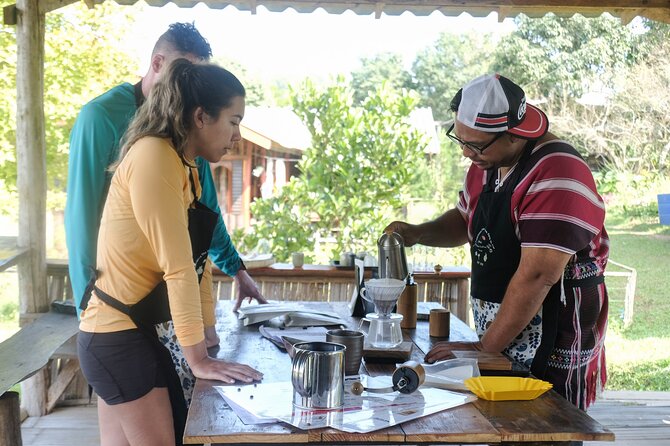
Chiang Mai has plenty of coffee tours, but this one is built around doing the work—walking through coffee-growing country, planting a tree, roasting green beans over heat, then finishing with a V60 pour-over. That hands-on rhythm is what makes it satisfying. You’re not just watching coffee happen.
I also like the way the day connects coffee to community and the forest, with learning that goes beyond tasting. The experience includes Karen traditions and sustainable farming practices, plus talk about herbal medicine you find in the region. If you’re the type who likes your souvenirs tied to a story, this has that.
One practical upside: because the day’s activities are spread across the morning and afternoon, you get several chances to take photos—mountain trails at the start, village moments around lunch, and workshop hands-on scenes after. It’s a full sensory day, but not one that keeps you waiting around.
You can also read our reviews of more tours and experiences in Chiang Mai.
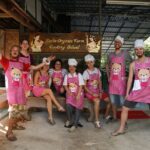
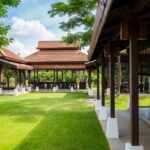
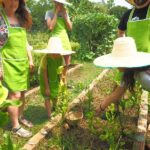
Getting There: Hotel Pickup, VIP Van, and the Small-Group Pace
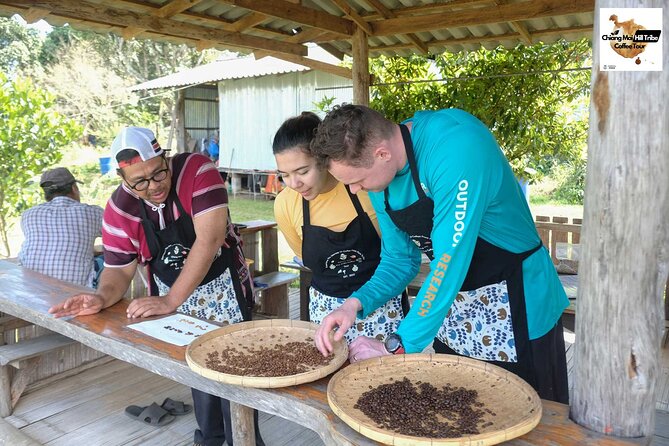
The tour starts with hotel pickup from within about 3 km of Chiang Mai Old City, timed for an early departure (you’ll be picked up around 6:50–7:30 AM). They also provide a drop-off back to your hotel later in the day, typically between 5:30 and 6:30 PM. For me, that matters because you can spend your morning focused on the experience instead of arranging transport.
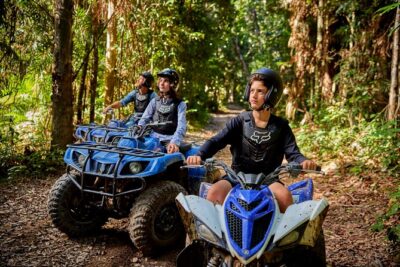
You’ll travel in a VIP van first, then switch to a 4WD mountain ride headed toward the Karen Highlands. The 4WD part is short (about 20 minutes), but it’s a good reset from city streets and it helps you feel like you’re actually leaving Chiang Mai behind.
A detail I really appreciate is the group limit: maximum 8 travelers. That smaller size tends to make instructions clearer and gives you more time when you’re roasting or brewing, especially if you’re learning by watching and asking questions. It also helps keep the trek pace comfortable for a mixed group.
Mae Wang National Park: Coffee Walks, Forest Wisdom, and Photo Spots
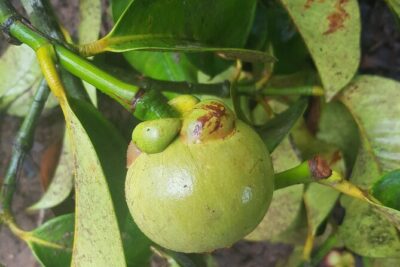
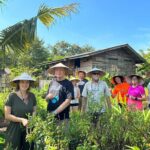
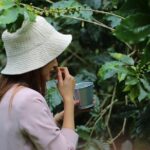
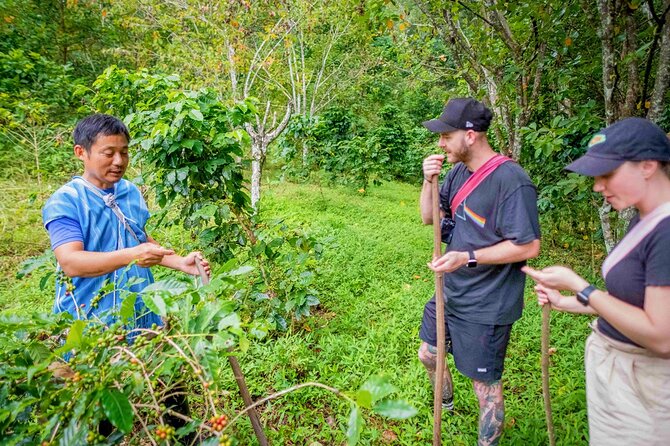
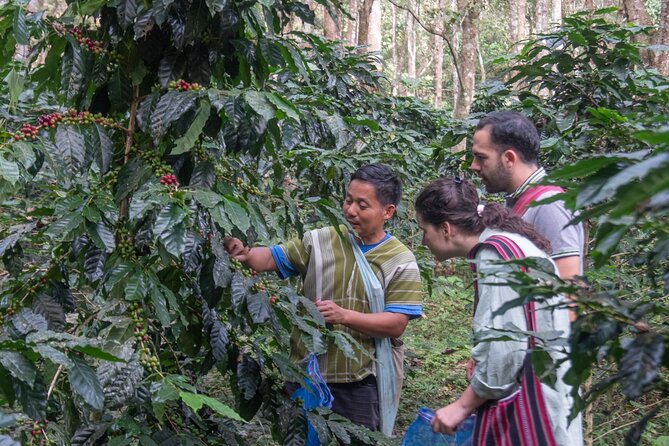
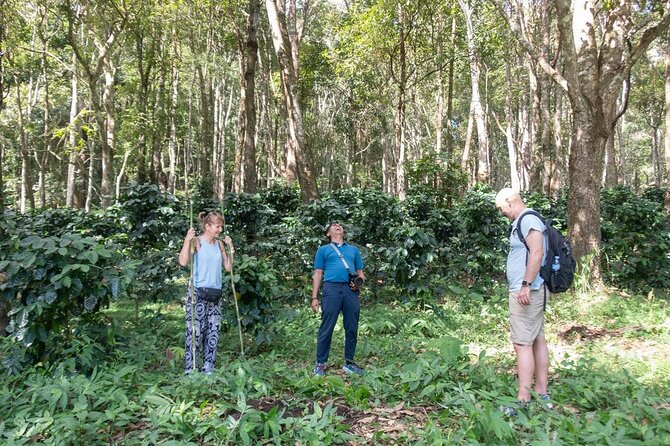
Once you’re in the park area, the day shifts from driving to learning on foot. You’ll head into the Karen Highlands and get a forest trek and coffee walk designed to show you how coffee grows in its natural setting. The focus is on the coffee plants themselves—what they look like when grown in the shade and how they fit into a working landscape.
What I find especially compelling here is the “forest wisdom” element: you’re not only learning about coffee. You also get information about medicinal plants and how Karen communities use herbal knowledge alongside farming. That’s the kind of context that makes the coffee story feel real, because it connects agriculture to everyday life in the hills.
You’ll also learn about wildlife in the area as you hike. You may not see every animal people hope for, but the tour is built around noticing the plants and forest signals rather than just passing through. If you like photography, this is where you’ll likely get your best shots—trail paths, coffee in the growing environment, and the mountain light before the day heats up.
Planting for the Future: A Coffee Tree You Can Actually Point To
After the coffee walk, the program includes a Karen tradition tied to long-term stewardship: planting a coffee tree with your own hands. This stop is brief (about 20 minutes), but it changes the feeling of the day. You go from learning to doing, and it’s easy to remember later because you can picture the tree and the act itself.
Why this matters for you: many “coffee tours” end with tasting and buying. Here, the day gives you something more grounded—an experience tied to maintaining the forest and agricultural future in the hills. Even if you don’t see immediate results (you can’t), you’re participating in a tradition meant to last.
If you’re worried about whether you’ll have the right attitude, don’t overthink it. Just come ready to get your hands dirty for a short time and listen to how your guide frames the purpose. That’s where the meaning lands.
Karen-Style Farm-to-Table Vegetarian Lunch (and the Taste of Simple Food)
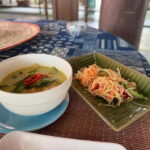
Lunch is farm-to-table and vegetarian, prepared in the village with fresh ingredients and served with seasonal fruits. The time set aside for lunch is about 40 minutes, which is long enough to eat without rushing and still return to the workshops feeling fueled.
This isn’t lunch-as-a-filler. The tour treats food as part of the culture lesson, rooted in a diet and cooking style shaped by the local landscape. In plain terms: you’ll get a meal that tastes like what people grow nearby, not a generic tourist spread.
One more practical point: by the time lunch starts, you’ve been walking and bouncing around on mountain roads, so a proper sit-down matters. If you have dietary restrictions beyond vegetarian (for example, no dairy or nut allergies), the data here only confirms vegetarian lunch, so it’s smart to ask in advance before you go.

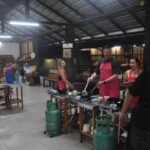
Roasting Masterclass: Controlling Heat and Taking Beans Home
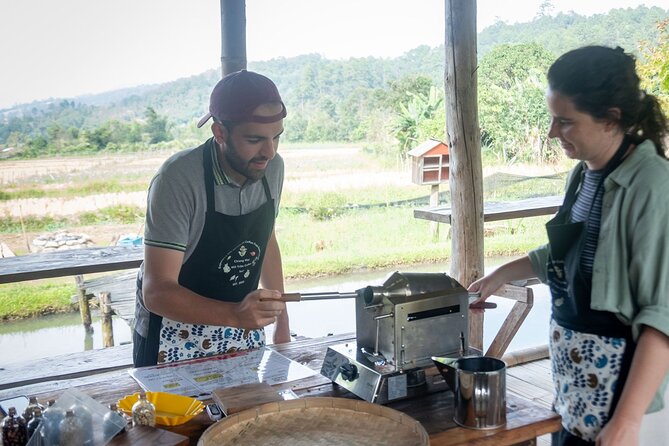
This is the star skill of the day for most coffee lovers: a hands-on roasting masterclass where you roast your own batch of green beans. You spend about 40 minutes on this, which is enough time to learn the basics of how heat changes the bean and to do it yourself rather than watching from the sidelines.
Your guide’s job isn’t just to talk about flavor. They focus on the process—how to manage fire and heat so the beans develop correctly. That kind of instruction is exactly what you want if you’re trying to learn something you can repeat at home.
At the end, you get an exclusive souvenir: a bag of your own roasted coffee beans, about 150 g, to take with you. This is one of those “value” details that really changes how you judge the price later. You’re not buying a bag from a shop with no connection—you’re transporting your own roast results.
Brewing V60 Pour-Over: A Skill You’ll Use at Home
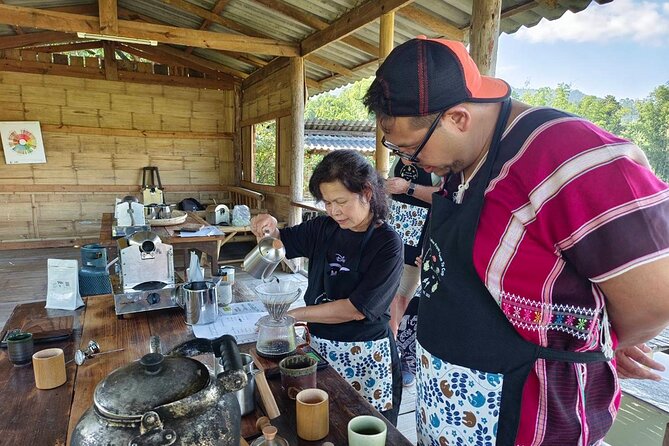
After roasting, you finish with brewing practice: the Art of Brewing using the V60 pour-over method. This workshop is about 20 minutes. While that’s not long enough to make you a barista overnight, it’s long enough to learn the method and understand the idea behind your technique.
You’ll also have coffee and tea for brewing and testing, so you’re not just hearing theory. You get to taste through the method and connect what you did with what you’re drinking. For me, this is where the day stops being a “one-time fun tour” and becomes a skill day.
If you’ve ever bought gear for pour-over and then felt lost, this helps because the guide explains the method in a way you can replicate. Even if your first cup at home isn’t perfect, you’ll know what you’re aiming for and what to adjust.
What You’ll Actually Experience on the Trail (Good Weather Needed)
This is an outdoor day in a real mountain environment. The tour requires good weather, and if conditions are poor, they’ll offer a different date or a full refund. That’s not a small detail—trekking in rain or poor visibility can turn a learning-focused walk into something less pleasant.
For the physical side, the tour requests moderate physical fitness. That doesn’t mean you need to be an athlete, but you should expect uneven ground and steady walking for at least the main trek segment. If you’re currently managing an injury or you know you struggle with hills, consider passing.
Still, the day is designed with breaks and structured stops—off-road ride, forest walk, planting moment, lunch pause, then workshop time. It’s not nonstop hiking until sunset. The schedule moves, and that makes it more realistic for a typical visitor with decent mobility.
Who This Tour Suits Best (and Who Should Think Twice)
This tour is perfect if you want a coffee day that connects to a living place. I’d recommend it most for:
- Coffee fans who want hands-on roasting and brewing
- Travelers who like small groups and don’t want a loud crowd scene
- People interested in Karen culture and forest-friendly farming systems
You might think twice if:
- You hate early mornings and long travel days (pickup starts around 7 AM)
- You want a low-walking experience with minimal physical effort
- You’re only interested in tasting coffee and not learning process
Also, if you’re traveling with someone who’s not into coffee, this can still work because the day includes trekking, wildlife talk, and village learning. But the core value is coffee craft, so at least one person in your group should care about that.
Price and Value: What $123.87 Buys You in the Highlands
At $123.87 per person for an 8 to 10 hour day, you’re paying for more than a labeled “coffee tour.” You’re buying transportation out of town (VIP van plus 4WD), an English-speaking local coffee expert guide, and a full learning sequence with multiple hands-on components.
Here’s where the value shows:
- Roasting class + take-home coffee: you roast green beans yourself and take about 150 g home
- V60 training: you learn a repeatable method, not just a flavor tasting
- Transport included: the mountain ride and hotel pickup/drop-off reduce friction
- Community context: the day is tied to Karen livelihoods and traditional stewardship through tree planting and village learning
- Lunch included: a vegetarian farm-to-table meal with seasonal fruits
Could you find a cheaper coffee activity in Chiang Mai? Sure. But cheaper often means fewer hands-on minutes, less time in the growing environment, and more of a shortcut through the story. This price feels more like “a full day workshop with travel” than “pay for a quick cup.”
Final Call: Should You Book This Off the Map Chiang Mai Trek?
I’d book this if you want a coffee day with real process, real walking, and a meaningful link to Karen highland life. The combination of forest coffee learning, tree planting, and then roasting and brewing makes it more memorable than a standard tasting tour—and the take-home beans give you a tangible reminder.
If you’re short on time, not up for moderate trekking, or you’re hoping for a mostly indoor experience, look elsewhere. But if your ideal Chiang Mai day includes early pickup, mountain air, and learning to make better coffee with your own hands, this is a strong choice.
FAQ
How long is the Off the Map Chiang Mai Jungle Coffee Trek?
The tour runs about 8 to 10 hours.
Where does pickup happen in Chiang Mai?
Pickup is offered from hotels within about 3 km of Chiang Mai Old City.
What time does the tour start and end?
Start time is listed at 7:00 AM. Drop-off happens between 5:30 PM and 6:30 PM.
Is transport included?
Yes. You’ll have VIP van pickup/drop-off plus a 4WD mountain ride.
What food is included?
A farm-to-table vegetarian lunch is included, served with seasonal fruits.
Do I roast my own coffee?
Yes. There’s a hands-on roasting masterclass where you roast your own batch of green beans.
Will I learn how to brew coffee?
Yes. You’ll do a V60 pour-over workshop as the final brewing session.
How big is the group?
The tour has a maximum of 8 travelers.
Do I need a certain fitness level?
The tour notes that travelers should have moderate physical fitness.
What happens if weather is bad?
The tour requires good weather. If it’s canceled due to poor weather, you’ll be offered a different date or a full refund.