REVIEW · ABURI
Visit Aburi Garden, Tetteh Quarshie Cocoa Farm & Waterfall
Book on GetYourGuide →Operated by MrKindFly Tours and Travel · Bookable on GetYourGuide
Morning air, then cocoa and waterfalls.
This day-trip has a nice “change of scenery” rhythm: you start in the Aburi Botanical Gardens on the Aburi Hills, where you can pause for panoramic views over the area. Then you shift from plants to people, with time for local craft browsing and relaxed sightseeing.
I especially like the Tetteh Quarshie Cocoa Farm stop. You get a guided look at how cocoa is grown, from planting to harvesting and drying, plus a chance to taste cocoa products like powder or chocolate.
One thing to keep your expectations grounded: the Asenema Falls visit can feel brief, and the falls may seem smaller than you imagined, especially if you’re expecting a major waterfall spectacle.
In This Review
- Key highlights worth planning around
- A One-Day Circuit From Accra: How the Timing Works
- Aburi Botanical Gardens in the Aburi Hills: Plants, Flowers, and Viewpoints
- What to watch for during the garden visit
- Aburi Craft Village and Scenic Stops: Local Shopping Without Pressure
- A smart souvenir approach
- Tetteh Quarshie Cocoa Farm: From Seedling Lessons to Cocoa Tasting
- Why this farm visit is worth your time
- The history connection
- Asenema Waterfalls: A Rainforest Walk and a Real Nature Break
- How to make the most of the falls stop
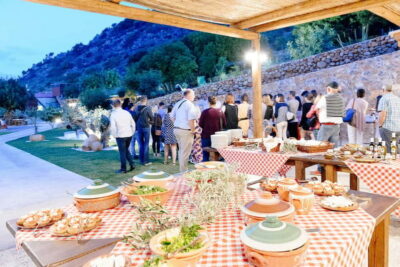
- Food, Drinks, and the Value of Included Meals
- Price and Logistics: Is $180 Per Person Fair?
- Who This Tour Fits Best
- Should You Book This One-Day Aburi, Cocoa, and Waterfall Tour?
- FAQ
- How long is the tour?
- Where does the tour start?
- What are the main stops during the day?
- Is breakfast included?
- What is included in the price besides the tour?
- How long is the guided time at Aburi Botanical Gardens?
- How long is the guided time at the cocoa farm?
- Is the tour guide available in English?
- When will I return to Accra?
Key highlights worth planning around
- Aburi Hills views: garden viewpoints over the Accra area make the trip feel like a real getaway
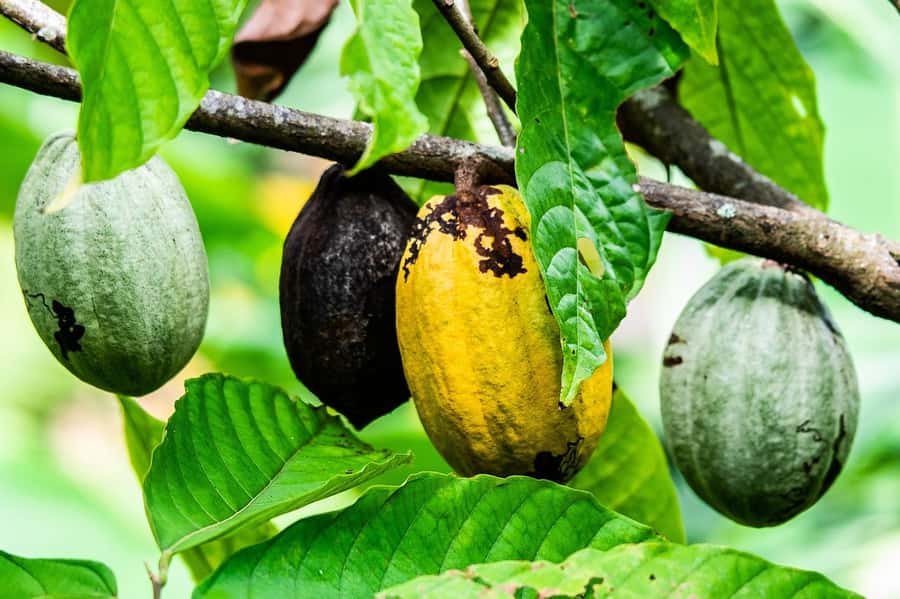
- Cocoa-from-farm basics: you’ll see the cultivation process start to finish
- Tastings included: cocoa powder and/or chocolate during the farm visit
- Asenema Falls trails: walk around the waterfall area and take in the rainforest feel
- Meals and drinks included: lunch plus juice, snack, and water keep the day smooth
- One-day format: hotel pickup and an early start help you pack in three major stops
A One-Day Circuit From Accra: How the Timing Works
This tour is built for people who want variety without burning a whole trip on logistics. You’re picked up from your accommodation in Accra early, then you’re out of the city fast—Aburi is about 30 minutes away. The rest of the day follows a simple pattern: guided time at each “main” location, then practical time for walking, photos, and soaking in the setting.
Expect the schedule to move at a comfortable pace. Aburi Gardens is about 1 hour with a guided tour, then the cocoa farm is another 1 hour. After that, you’ll have about 1 hour for sightseeing and a walk around Aburi, then lunch for 1 hour. You’ll return to Accra around 7:00 PM, depending on traffic.
A nice part of the timing: you’re not stuck waiting around for long stretches. You’re kept moving, but not rushed in a way that steals your ability to look closely at plants, farm details, and the waterfall area.
Aburi Botanical Gardens in the Aburi Hills: Plants, Flowers, and Viewpoints
The Aburi Botanical Gardens are the first “wow” stop because you arrive already feeling like you’ve escaped the city. The gardens sit in the Aburi Hills, and the walk is meant to be leisurely rather than a sprint. You’ll stroll past tropical plants and colorful flowers, with a quieter, calmer vibe than what you’ll find back in Accra.
What I like most is the way the garden layout gives you natural breaks for photos and just plain looking. There are vantage points where you can see surrounding hills and get a sense of how close the city is. Even if you’re not a hardcore nature person, you’ll probably enjoy these pauses because they make the day feel “bigger” than a simple checklist of attractions.
One practical note: since this is a walking-style garden visit, comfortable shoes help. You’re also in a warm climate zone, so bringing a water habit matters even though water is included on the tour.
What to watch for during the garden visit
- Follow the guide’s pace. The guided hour is long enough to slow down and notice details.
- Take advantage of viewpoints rather than rushing to the next entrance or gate.
- If you like botanical collections, use this time to compare what you see at the gardens versus what you see later at the farm.
Aburi Craft Village and Scenic Stops: Local Shopping Without Pressure
After the gardens, the tour shifts into “Aburi area time.” This includes sightseeing and scenic stops around Aburi for about 1 hour, plus the chance to buy local artifacts from a craft village.
This is the section that feels most flexible. If you like shopping, you can browse and pick up small souvenirs that actually connect to the place you’ve visited. If you’re not in buying mode, it still works because the scenic walk and viewpoints give you something to do besides sitting in the car.
I appreciate that this is not shoved in as a quick sales moment right before lunch. You have time to look, compare, and decide. That matters because craft pricing can vary, and you’ll make better choices when you aren’t being herded along.
A smart souvenir approach
If you want artifacts, pick something small enough to pack easily, and ask what it’s made from. You’re in a craft village area, so you should be able to get basic answers and feel confident you’re buying local work.
Tetteh Quarshie Cocoa Farm: From Seedling Lessons to Cocoa Tasting
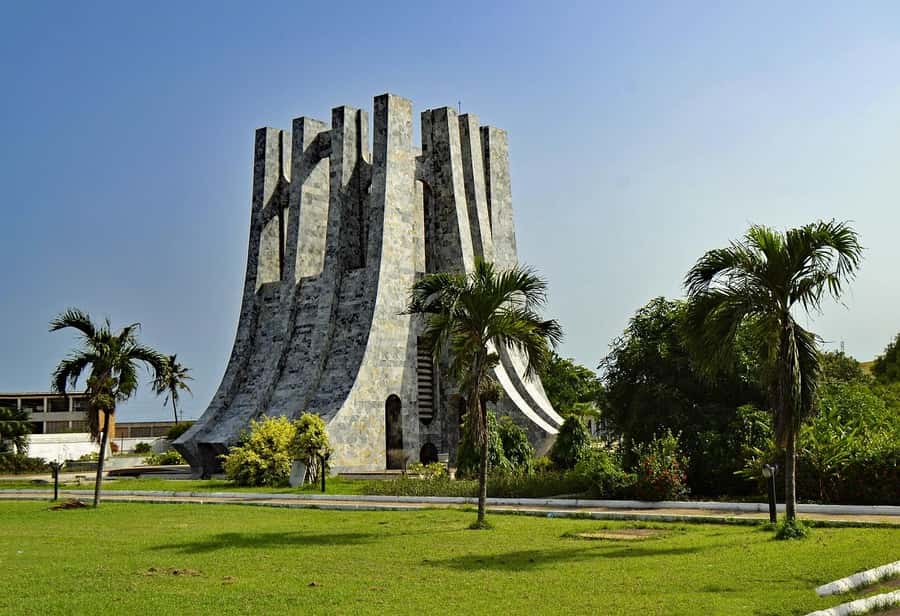
Then you head to the cocoa farm, which is about 15 minutes away. This stop is the “education” part of the day, and it has a focused goal: help you understand why Tetteh Quarshie matters in Ghana’s cocoa story and what cocoa cultivation looks like in real life.
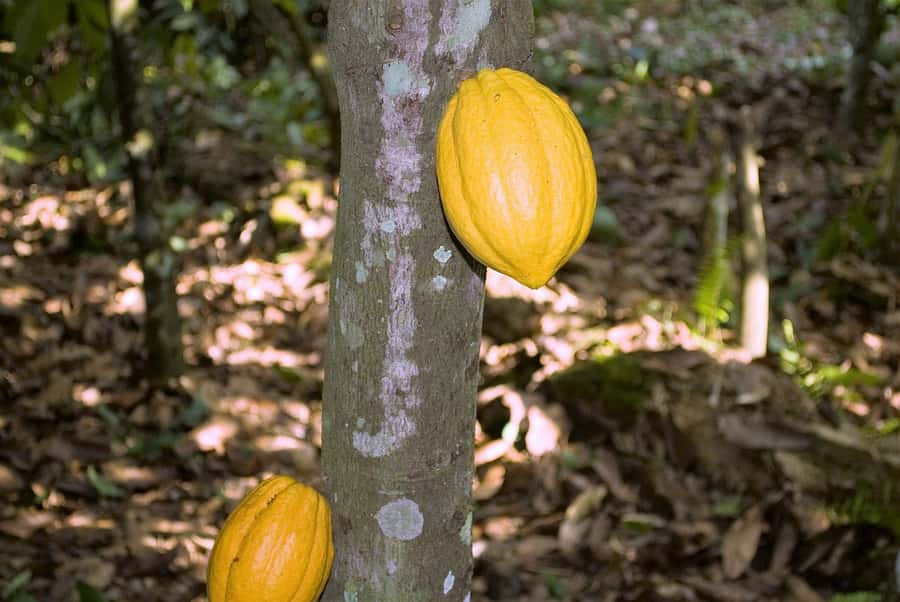
You’ll get a guided visit of about 1 hour. Expect to learn about how cocoa cultivation works, from the planting of cocoa trees to harvesting and drying beans. Even if you’ve read about cocoa before, seeing the process in person makes it more concrete.
Why this farm visit is worth your time
Cocoa can feel like a product you buy and move on from. Here, you slow down and see the chain from tree to bean. That makes the later tasting feel earned instead of random.
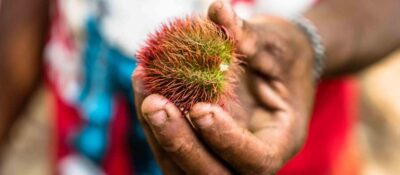
You’ll also get a chance to taste fresh cocoa products—things like cocoa powder or chocolate—during the farm visit. If you’re a foodie, this is where you’ll probably start noticing differences in flavor and texture.
The history connection
The tour also highlights the role Tetteh Quarshie played in introducing cocoa to Ghana. That background helps you connect the farm you’re standing on to a bigger story, not just a random field.
Asenema Waterfalls: A Rainforest Walk and a Real Nature Break
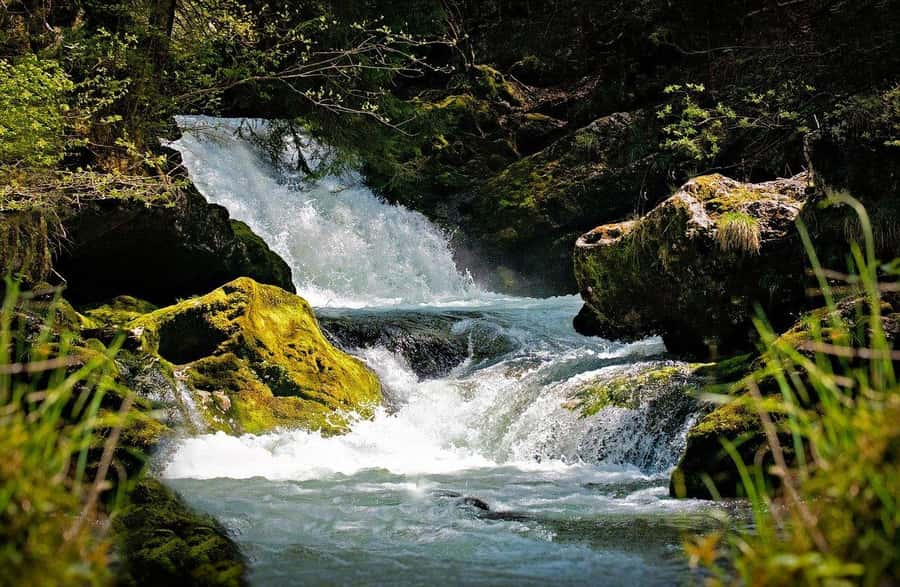
After cocoa, the day moves to Asenema Falls. This part is the “reset” stop: you leave the farm setting and head to a waterfall tucked into a tropical rainforest.
You’ll arrive, then explore the surroundings by walking along trails and getting time to take in the cascading water. You’ll also have a window to relax and just appreciate the natural area.
The main thing I’d tell you to plan for is scale. One set of expectations came in high, and the reality felt smaller—especially when people expected a bigger, dramatic waterfall show. That doesn’t mean it’s not enjoyable. It just means it’s better to approach Asenema as a nature walk plus a photo moment, not a giant water spectacle.
How to make the most of the falls stop
- Wear shoes that handle uneven ground and potential slick areas around trails.
- Plan to take your time at the viewpoint spots rather than sprinting to the waterfall.
- If rain happens, your guide may help you adjust your route so you still see the falls area.
Food, Drinks, and the Value of Included Meals
Lunch is included, and it comes after the Aburi area time. You get 1 hour for lunch, which is a good chunk of time to eat without being rushed, especially on a full day.
You’ll also receive juice, snack, and water as part of the included set. That matters because it keeps the day feeling “managed.” You’re not hunting for drinks between stops, and you can stay focused on each location instead of the clock.
One of the more comforting details from experiences shared with this company is that the lunch is served in good-quality, convenient restaurant choices. That’s the kind of detail you really care about on a day trip: food safety and location convenience can make or break the day.
Price and Logistics: Is $180 Per Person Fair?
At $180 per person for a 1-day tour, the value comes from what’s bundled. You’re getting:
- hotel pickup and drop-off in Accra
- entry tickets
- lunch plus juice, snack, and water
- a live English guide
- guided time at Aburi Gardens and the cocoa farm
If you tried to do this on your own, you’d be paying for separate entry fees and working out transport and timing between three different sites. You’d also need to handle meals and guide support for the cocoa explanation.
So the $180 isn’t just paying for transport. It’s paying for someone to connect the day’s story—plants, cocoa, then waterfall—while you spend less time figuring out schedules and routes.
My practical “value” take: this tour makes most sense if you want guided context and you’d rather not spend your day negotiating transport and timing between stops.
Who This Tour Fits Best
This is a good match for:
- visitors who want a 1-day Ghana Central Region outing from Accra without too many moving parts
- people interested in how cocoa is grown and why the name Tetteh Quarshie matters
- travelers who enjoy nature walks and viewpoints, even when a waterfall isn’t the size of a movie set
- anyone who prefers English guidance for the farm and garden parts
It might be less ideal if you’re mainly chasing a huge waterfall experience, or if you expect botanical gardens to look like the world’s most famous garden institutions. Aburi is beautiful and peaceful, but this day is designed for variety, not for one place to take over the entire trip.
Should You Book This One-Day Aburi, Cocoa, and Waterfall Tour?
Yes—if your goal is a full, guided day that links three themes: gardens, cocoa, and waterfall nature. The pacing is built so you’re not stuck in the car all day, and the included lunch and drinks are a real convenience.
I’d especially consider booking if cocoa tasting sounds fun and you like getting the “why” behind what you’re seeing, not just photos. And if you want local shopping time in Aburi for small artifacts, that mid-day window adds real flexibility.
If you’re the type who needs a major, dramatic waterfall at the end, temper expectations for Asenema. Approach it as a rainforest walk and a pleasant falls stop, not the biggest show of your trip.
In short: book it for the combo experience. Bring comfortable shoes. Keep an open mind about scale at the falls.
FAQ
How long is the tour?
The tour duration is 1 day.
Where does the tour start?
It starts with pickup from your accommodation in Accra.
What are the main stops during the day?
You visit Aburi Botanical Gardens, Tetteh Quarshie Cocoa Farm, and Asenema Falls, with additional time for sightseeing around Aburi.
Is breakfast included?
No, breakfast is not included.
What is included in the price besides the tour?
The price includes hotel pickup and drop-off, entry tickets, lunch, juice, snack, and water.
How long is the guided time at Aburi Botanical Gardens?
The Aburi Botanical Gardens stop includes a guided tour of about 1 hour.
How long is the guided time at the cocoa farm?
The Tetteh Quarshie Cocoa Farm stop includes a guided tour of about 1 hour.
Is the tour guide available in English?
Yes, the tour has a live tour guide in English.
When will I return to Accra?
You’ll arrive back in Accra around 7:00 PM, depending on traffic conditions.