REVIEW · KAILUA KONA
Big Island: Abalone Farm Guided Tour with Tasting
Book on GetYourGuide →Operated by Big Island Abalone · Bookable on GetYourGuide
One hour, lots of salty surprises. This Big Island abalone farm tour is built around hands-on abalone production and the garlic-butter grilled tasting that comes right after.
I also like how the tour staff keep it practical, not preachy, as you move through the farm facilities. The one drawback to plan for: this experience isn’t suitable for wheelchair users and involves walking around the farm.
In This Review
- Key Highlights You’ll Actually Care About
- First Stop: Finding the Farm Office at 73-357 Makako Bay Dr
- What the Tour Teaches: How Abalone Production Really Works
- Walking Through the Facilities: Organic, Sustainable, and Built for Patience
- The Dulse Seaweed Tanks: Why Feed Becomes Flavor
- Hands-On Moments: Touching Abalone and Holding Some
- The Tasting: Grilled in the Shell Plus Canned Abalone
- Value on a $31 Tour: What You Get for the Money
- Timing, Pace, and What to Do Before You Go
- Who Should Book This Abalone Farm Tour
- Should You Book the Big Island Abalone Guided Tour with Tasting?
- FAQ
- How long is the Abalone Farm Guided Tour with Tasting?
- How much does the tour cost?
- Where is the meeting point?
- What’s included in the tour?
- What kinds of abalone will you taste?
- Is there seaweed included in what you see or taste?
- Can you touch or hold the abalone?
- What language is the tour guide?
- Is the tour wheelchair accessible?
- Can I get a refund if I cancel?
Key Highlights You’ll Actually Care About
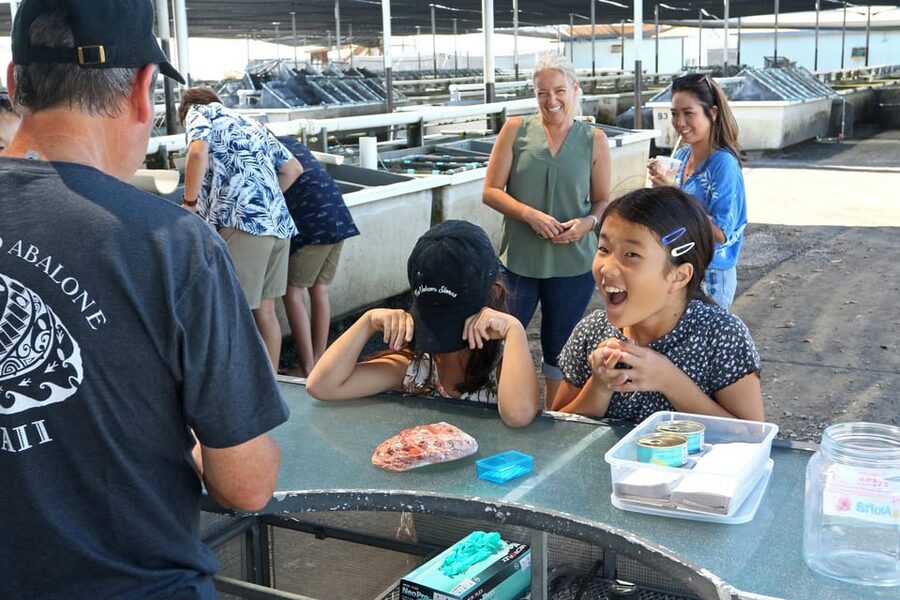
- Guide Kale’s farm talk: You’ll hear lots of clear, real-world details from a live English guide.
- Organic + sustainable setup: The facility is described as 100% organic and sustainable.
- Up to 10 years of growth: You’ll learn why abalone production takes time, not shortcuts.
- Dulse seaweed tanks: You’ll see the seaweed that’s used as feed and learned about as a tasty vegetable.
- Two tasting styles: You’ll try abalone grilled in the shell and also a canned version.
- Touch and hold moments: You may be able to touch abalone and hold some if you want.
First Stop: Finding the Farm Office at 73-357 Makako Bay Dr
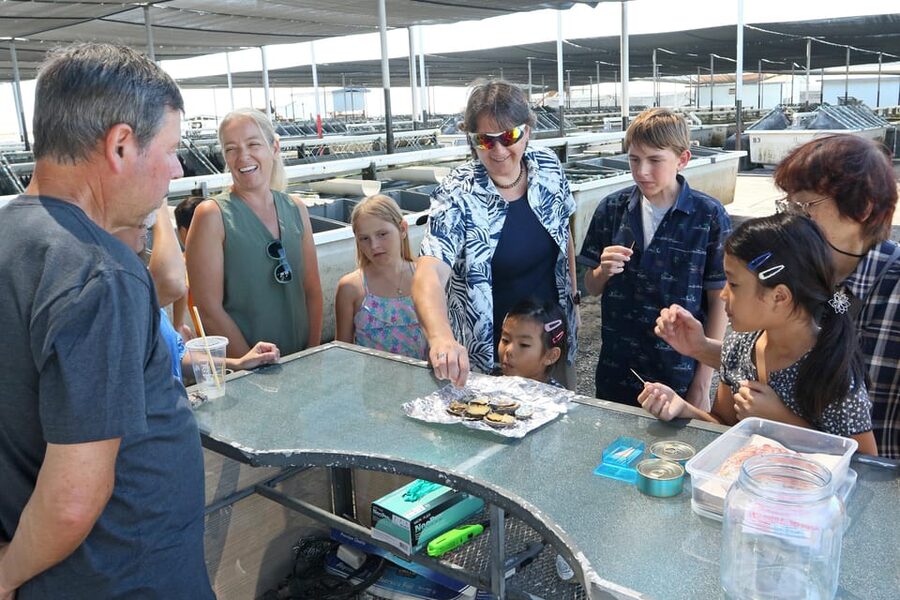
Your tour starts at 73-357 Makako Bay Dr, with check-in at the farm office in a blue building right after the entrance. This matters because the farm experience is tight on time—your tour is about one hour—so arriving a few minutes early keeps you from rushing the first part.
Once you check in, you meet your live guide (English). On tours like this, the guide’s job is more than narration. They connect what you’re seeing—tanks, breeding steps, feeding—with why it turns into good food. You’ll also get some background right away, including the farm’s connection to deep-water research and how that shaped what they do.
If you’re the type who likes to ask questions, this is a good place for it. You won’t have time to wander off on your own, so pay attention early and then ask questions while your guide is still setting the stage.
You can also read our reviews of more tours and experiences in Kailua Kona.
What the Tour Teaches: How Abalone Production Really Works
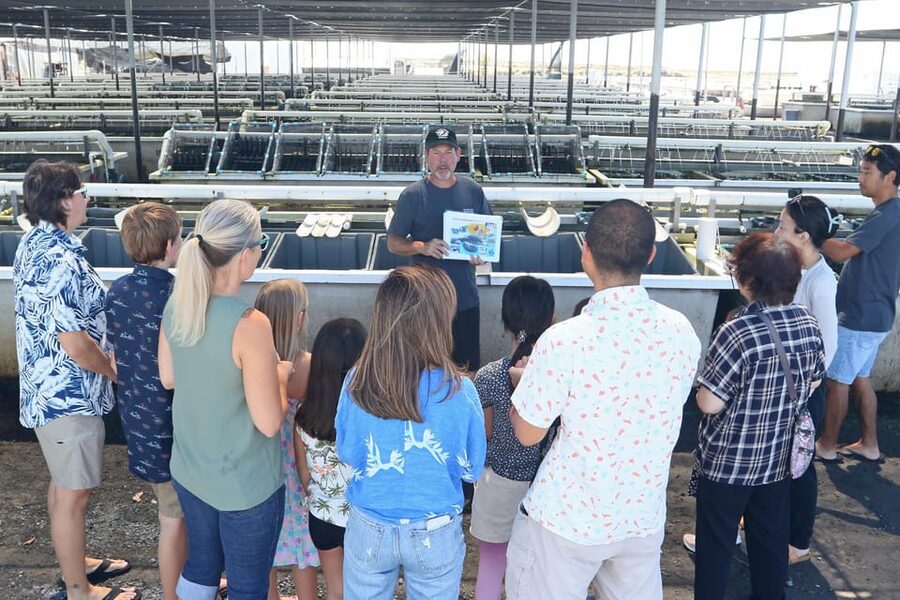
Abalone isn’t a quick crop. The farm tour is designed to explain why—because the growth cycle can last up to 10 years. That long timeline changes everything: how they plan facilities, how they breed, and how they manage the whole process from early stages to harvest-ready animals.
You’ll learn about the breeding process, and you may get hands-on time, including the chance to touch abalone and hold some if you want. That kind of “up close” moment does more than feel cool. It helps you understand the size and texture you’re dealing with, so when you later taste it, it feels less like a seafood item on a menu and more like the end of a long farm journey.
The tour also explains which types of abalone are used. Even if you don’t memorize every detail, you’ll come away with the bigger idea: there’s no mystery ingredient. It’s controlled breeding, feed, and sustained care, using an organic approach the farm says it follows.
One practical note: because it’s only an hour, you’re going to get the main story, not every technical detail. If you’re a total science nerd, you may still want to follow up with questions at the end.
Walking Through the Facilities: Organic, Sustainable, and Built for Patience
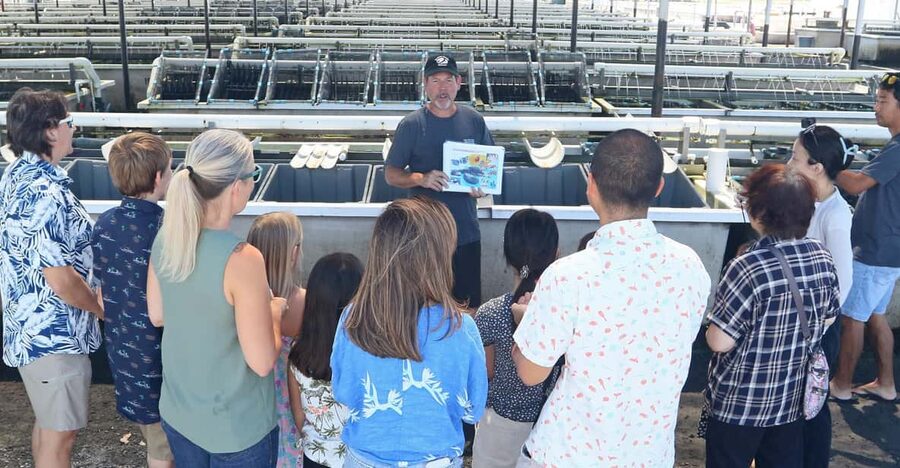
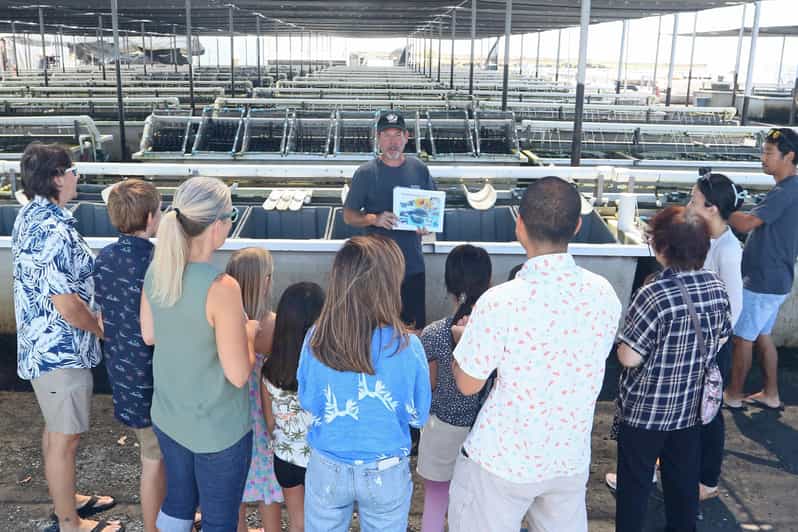
A key part of the experience is the guided walk through the working facilities. You’ll see how production is handled through different stages of growth, and you’ll hear how the farm keeps everything 100% organic and sustainable, at least as described on the tour.
This is where the tour starts feeling more meaningful. Abalone farming can sound like a specialty hobby—something niche and hard to understand. But on the tour, it comes across as a real production system. The guide shows you the steps, explains what each stage is for, and connects those steps to the final taste and texture you’ll have during tasting.
The facility stops also give you a feel for scale. You’re not just looking at one small setup—you’re seeing the broader farm operations. That’s one reason this experience stands out versus a shorter “look and smile” visit. Even when you don’t fully remember every term, you’ll understand the workflow.
And yes, you’ll likely feel the “how is this even possible” reaction at least once—when you hear about long growth timelines and breeding steps that take coordination across years.
The Dulse Seaweed Tanks: Why Feed Becomes Flavor
One of the best parts is that you don’t just learn about abalone—you learn about what they eat. You’ll tour the dulse seaweed growing tanks, which the farm describes as both a superfood feed and a food for people too.
This part is valuable for two reasons. First, it gives you a different angle on seafood. You usually think about cooking, not nutrition and feeding systems. Here, the guide connects the seaweed to the abalone’s health and growth.
Second, it makes the tasting session more interesting. When you later try seaweed along with abalone flavors, you’re not sampling blind. You’re sampling with context. Several guide-style tips come through in the reviews, where people explicitly recommend trying the seaweed, not skipping it because it sounds like an extra.
If you’re the kind of eater who likes new flavors but hates being surprised by odd textures, this is still a smart choice. The tour frames seaweed as something nutritious and actually food-friendly, not a science experiment.
Hands-On Moments: Touching Abalone and Holding Some
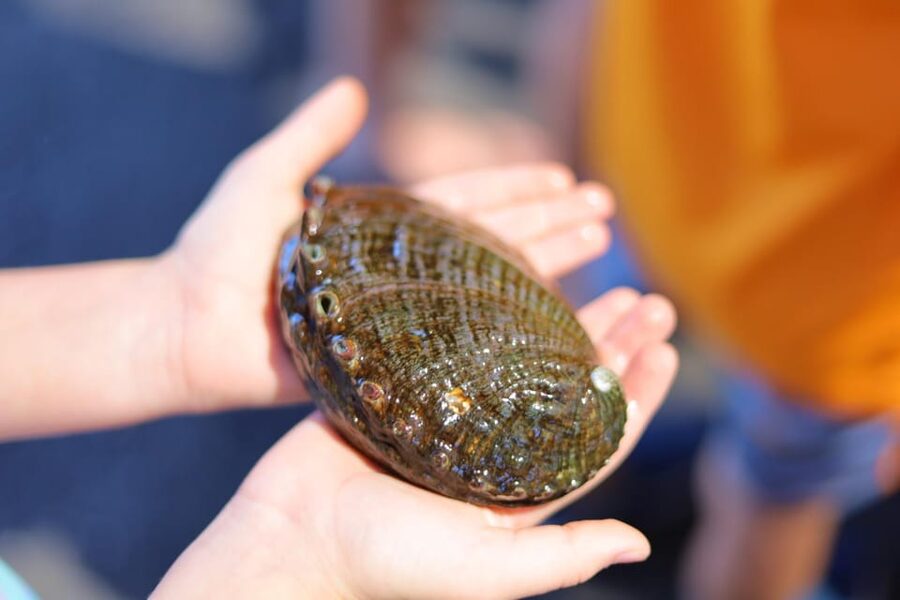
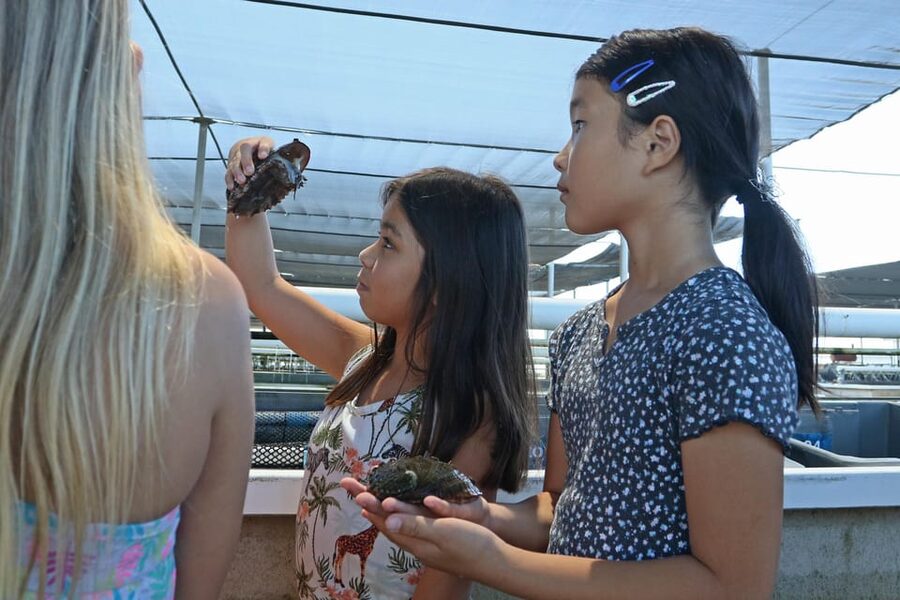
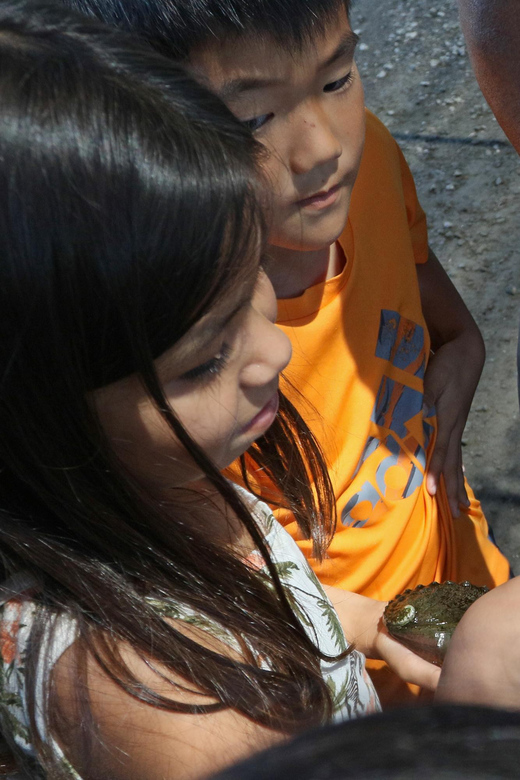
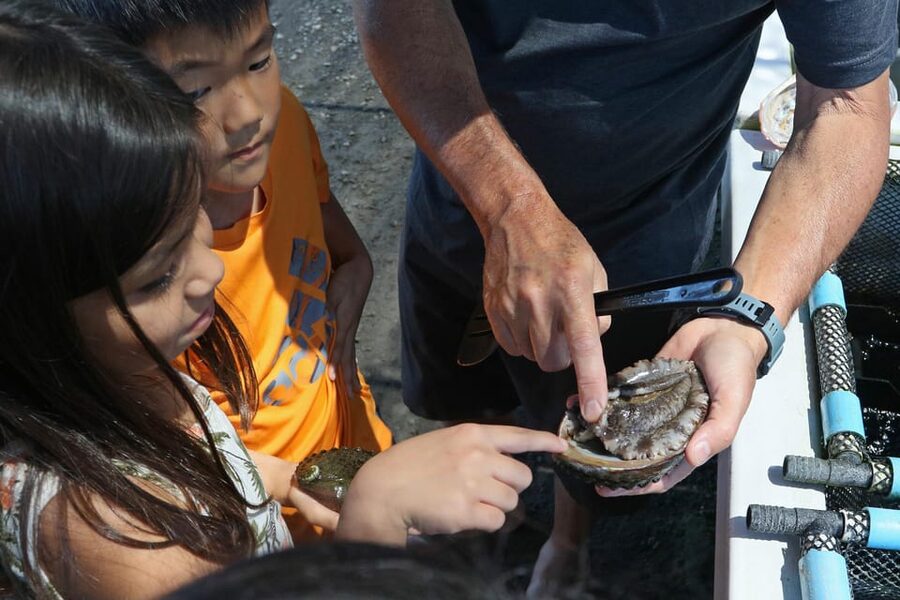
The tour includes tactile time. You’ll hear about how abalone are grown over months and years, and you may get to touch abalone while the guide talks. There’s also an option to hold some if you want.
This is one of those rare travel experiences where the hands-on part is not just for show. Feeling the animal helps you understand why abalone is treated carefully—its texture and firmness matter. It also helps you appreciate the difference between farmed abalone prepared for eating and the idea of “just seafood.”
If you have food allergies or strong preferences, this is a good time to ask your guide how the tasting is handled. The tour itself covers tasting in two forms, but your comfort level with touch and handling can guide what you choose to participate in during the facility walk.
The Tasting: Grilled in the Shell Plus Canned Abalone
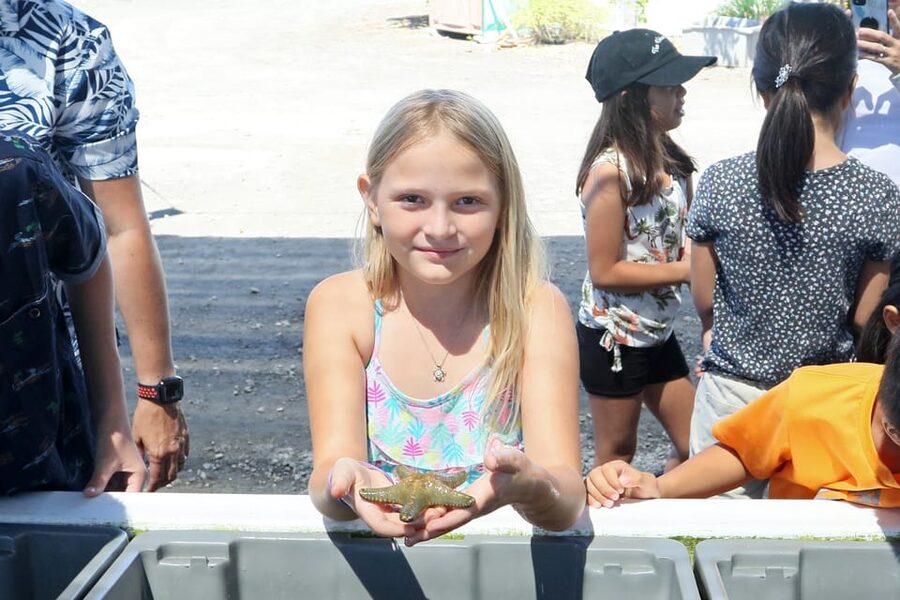
The tasting is the payoff: you’ll have abalone in two styles. One is grilled in the shell, and the other is a canned version.
The grilled-in-shell part is memorable because it’s cooking you can visualize. You’re not only tasting—you’re seeing how that shell format connects to serving. Reviews specifically mention garlic butter abalone as a standout, so if you like buttery, savory flavors, that’s the one to look forward to.
Then there’s the canned abalone, which is a smart addition. People often assume canned seafood must be worse than fresh or farm-to-table. This tasting lets you compare directly, under the same tour umbrella, so you can judge for yourself what canned abalone can be when it’s prepared well and served freshly.
A very practical tip: if you’re going to ask for seconds or you’re unsure what to focus on, start with the grilled option and then reset your palate for the canned bite. That sequencing makes the difference easier to detect.
Also, don’t treat the seaweed as a side quest. Reviews give it real encouragement, and the tour’s seaweed explanation makes that recommendation make sense.
Value on a $31 Tour: What You Get for the Money
At about $31 per person, this tour isn’t trying to be a budget activity or a luxury dinner. It’s priced like a guided farm education plus tasting, focused on one hour.
What makes the value feel fair is the combo:
- You get a real farm tour with a live English guide.
- You get tasting that isn’t just one sample. It’s both grilled and canned abalone, plus seaweed-related tasting tied to the farm’s feed.
- You get a 10% shopping discount, which can be useful if you want to bring abalone or related items home after seeing the process.
If you love food history, seafood agriculture, or learning how a niche crop gets to your plate, the price makes sense as a “pay for the experience” model. If you’re only interested in eating abalone and nothing else, you might feel the hour moves fast.
Think of it like this: you’re not just buying dinner. You’re buying the context that helps you understand what dinner means here on the Big Island.
Timing, Pace, and What to Do Before You Go
Because the tour is one hour, plan your day with a little breathing room. Don’t schedule it as an afterthought between two long drives. You’ll be walking through facilities and listening closely. If you’re hungry, you’ll also appreciate the tasting more once you’ve gone through the whole story.
If you’re staying in Kona or Hilo and doing a day that includes drives to multiple viewpoints, aim for a tour time that’s not right after an already exhausting excursion. The farm portion is shorter than a museum, but it still asks you to focus.
Also, consider that food choices can be impacted by what’s available during your visit window. In one case mentioned in reviews, people planned a return to try a BBQ-style option later because something was closed at the time of their tour. Translation: if grilling is what you really want, keep your schedule flexible for a follow-up visit, or check what’s available when you go.
Who Should Book This Abalone Farm Tour
This is a strong fit if:
- You like guided, practical learning where you can ask questions in real time.
- You enjoy hands-on animal experiences in a responsible farm setting.
- You’re curious about how organic and sustainable seafood production works.
- You want both a food experience and a process experience: see how it’s grown, then taste it.
You may want to think twice if:
- You need wheelchair-friendly access, since it’s not suitable for wheelchair users.
- You dislike any hands-on elements or prefer purely observational tours.
- You’re in a hurry and can’t spare a focused hour.
Should You Book the Big Island Abalone Guided Tour with Tasting?
I’d book it if you want something that’s genuinely more than a tasting stand. The biggest win here is the pairing: you learn about long growth cycles, breeding, and feeding (including dulse seaweed), and then you eat the results—grilled in the shell and canned—so you can make a real comparison.
Pass if you’re mainly chasing quantity or if you can’t handle walking and basic farm movement. Also, if you’re already confident about abalone and you’re not interested in the process, the hour may feel short.
FAQ
How long is the Abalone Farm Guided Tour with Tasting?
The tour lasts about 1 hour.
How much does the tour cost?
It costs $31 per person.
Where is the meeting point?
Check in at the farm office, the blue building right after the entrance at 73-357 Makako Bay Dr.
What’s included in the tour?
You’ll get the guided tour, a guide, abalone tasting, and a 10% shopping discount.
What kinds of abalone will you taste?
You’ll taste abalone that’s grilled in the shell and also a canned version.
Is there seaweed included in what you see or taste?
The tour includes a stop with dulse seaweed growing tanks, and seaweed is part of the experience you’re encouraged to try.
Can you touch or hold the abalone?
The tour experience includes the chance to touch the abalone, and holding some is offered if you want to.
What language is the tour guide?
The tour is in English.
Is the tour wheelchair accessible?
No, it’s not suitable for wheelchair users.
Can I get a refund if I cancel?
Free cancellation is available up to 24 hours in advance for a full refund. You can also reserve now and pay later to keep your plans flexible.