REVIEW · UDAIPUR
Farm to Table: With a local farmer family
Book on GetYourGuide →Operated by Strode Experiences · Bookable on GetYourGuide
A mud stove beats any restaurant for me. In the countryside outside Udaipur, this farm-to-table visit mixes a short temple-and-field walk, hands-on cooking, and a shared Rajasthani meal under a neem tree.
I really like the way it connects you to the food step-by-step, not just by tasting, but by seeing how the ingredients are grown and then cooking them. I also appreciate the group feel, especially when the meal is served together and you’re offered chaas to cool things down between bites.
One heads-up: the setting can feel more homey and rustic than the photos suggest, and you may cook around a mudclay stove in an open or semi-open kitchen. And since conveyance isn’t included, you may need help arranging transport to reach the village outskirts.
In This Review
- Key things I’d look forward to most
- Why this farm-to-table experience is a smart use of your time in Rajasthan
- Price and what you really get for $21
- Getting to the village outside Udaipur (and avoiding the common hassle)
- First stop: the farm walk through crops, temples, and devras
- Meet the farmers and pluck fresh veggies together
- The open-air kitchen: learning Dal Bati Churma and Gatte Ka Saag
- The meal: Dal Bati Churma, saag, chaas, and a group feast under a neem tree
- Music, artisans, and cultural stops you might catch along the way
- What to watch for: rustic settings and photo expectations
- Who this fits best (and who should skip it)
- Quick notes on language, timing, and how long it takes
- Final decision: should you book Farm to Table with a local farmer family?
- FAQ
- How long is the farm-to-table experience?
- What does the tour cost?
- Where does the experience take place?
- Is transportation included?
- What food will I eat during the experience?
- What languages are used by the host or greeter?
Key things I’d look forward to most
- Temple + devra stroll through the village countryside before the kitchen work starts
- Plucking fresh farm veggies alongside local farmers, not just watching from the sidelines
- Wood-fired clay oven cooking as part of the Dal Bati process
- Cha a s and snacks that keep you comfortable while the food simmers
- Dinner under a neem tree with a full Rajasthani spread and cultural add-ons from artisans and musicians
Why this farm-to-table experience is a smart use of your time in Rajasthan
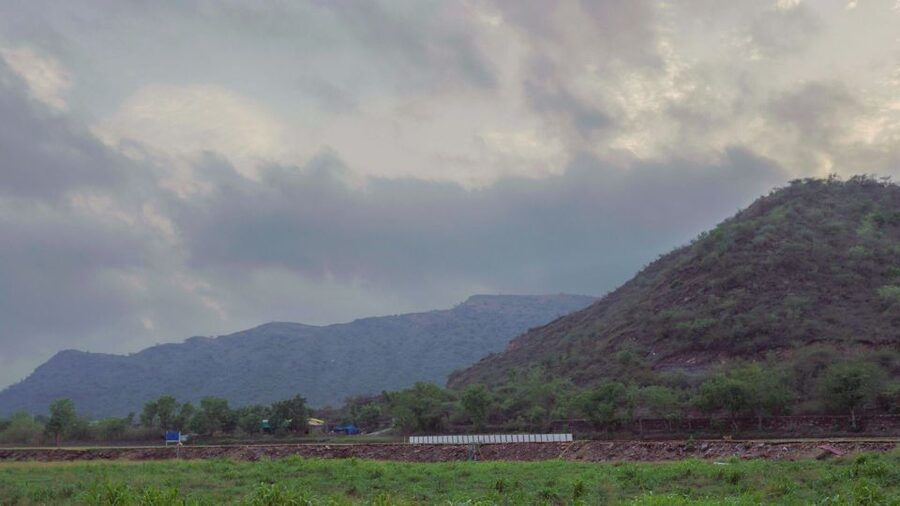
This is the kind of Rajasthan activity that makes sense even if you only have a couple of hours. You don’t just sit down to eat; you see the link between the soil and the plate.
The value is in the structure. You start with a quick walk through fields and sacred spots, then you move into a cooking lesson where you’ll help shape classic dishes. By the time the meal lands, it feels like you earned it.
Also, it’s priced in a way that usually works well for mid-budget travelers. At $21 per person for a 2-hour experience that includes the food, plus a guided farm-and-cooking flow, it’s not just “a meal ticket.” It’s a mini day with context.
Price and what you really get for $21
For $21, you’re paying for a lot of inputs: farm time, a cooking lesson, multiple dishes, and drinks/snacks along the way. The tour is also short enough that it doesn’t eat half a day of sightseeing.
The trade-off is logistics. Conveyance is not included, so your real cost might rise if you need a car/driver from Udaipur. Still, if you’re already planning to spend time in the countryside, this tends to be a good deal because food and instruction are bundled.
And because the host or greeter is available in English and Hindi, you’re less likely to feel lost or left out during the hands-on parts.
Getting to the village outside Udaipur (and avoiding the common hassle)
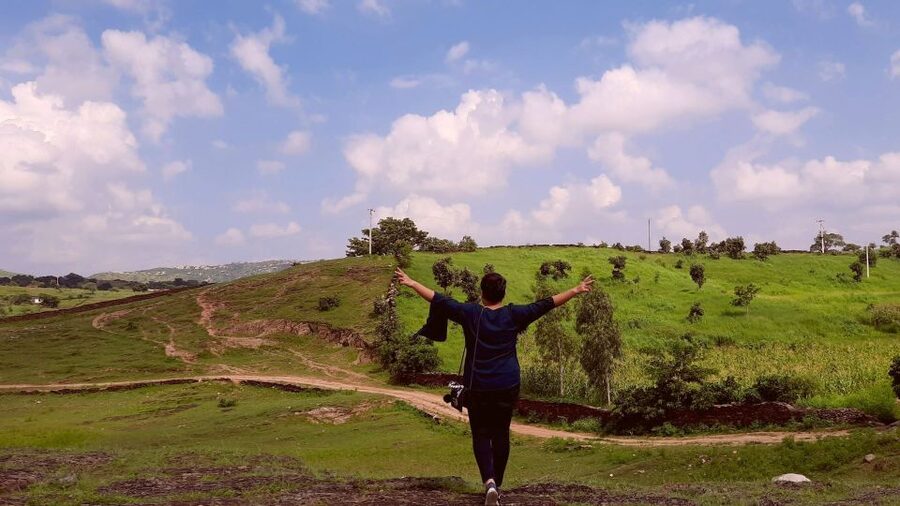
This experience happens on the outskirts of Udaipur, so you’ll want a plan for the first and last stretch. The host will be waiting for you at the meeting point, but the activity itself is not inside the city core.
If you don’t have your own transport, you can usually get help arranging a vehicle. The important detail: vehicle charges are handled separately. That means you’ll want to confirm the pickup/return plan so you don’t end up scrambling at the start time.
Quick practical tip: wear shoes you don’t mind on uneven ground. There’s a short walking tour through fields and sacred spots, so you’ll be happier with something grippy and closed-toe.
First stop: the farm walk through crops, temples, and devras
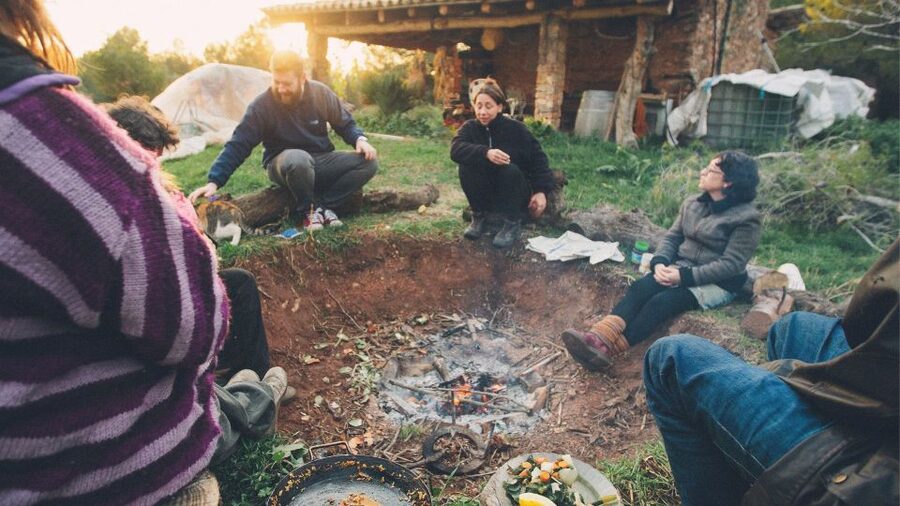
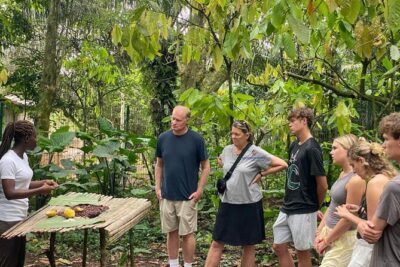
The experience starts with a warm welcome from local villagers, surrounded by open countryside and earthy farm smells. Right away, the pace feels different from city tours. You’re in the working landscape, not a staged viewpoint.
You’ll take a short walking tour that includes local temples and devras (small sacred spaces connected to local tradition). This isn’t just sightseeing. It helps you understand why farming here isn’t separate from belief, daily routine, and community life.
As you walk, pay attention to the crops mentioned in the experience. You’ll hear about traditional farming methods and you’ll see crops like:
- mustard greens
- chickpea flour (from chickpeas)
You might also notice how fields and farming practices are shaped by local conditions. Even with a short walk, it’s a useful mental picture for why the dishes taste the way they do.
Meet the farmers and pluck fresh veggies together
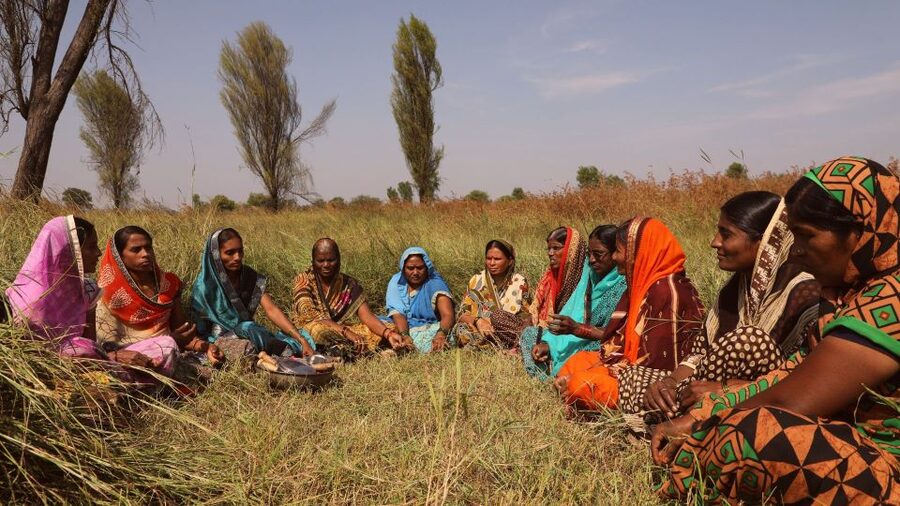
One of the strongest parts of this experience is that you interact directly with farmers. You don’t just watch food preparation from a distance—you join in, including plucking fresh farm veggies with the farmers.
That hands-on moment matters. You start to connect ingredients to real work: harvesting, sorting, and using produce at the right freshness. It also changes how you eat later, because you know what you picked and why it’s used.
The cultural exchange is the other big benefit. Local farmers share stories of their heritage and explain how their food system works. This is where the experience feels personal, not generic.
Good expectation-setting: this is not a fancy demonstration studio. It’s a real farm setting, so you should come with a flexible attitude and an interest in how normal farm life works.
The open-air kitchen: learning Dal Bati Churma and Gatte Ka Saag
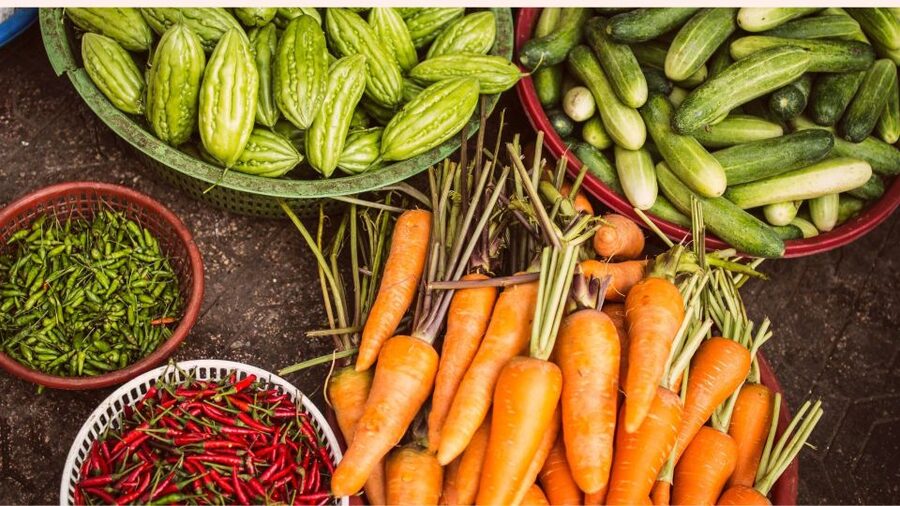
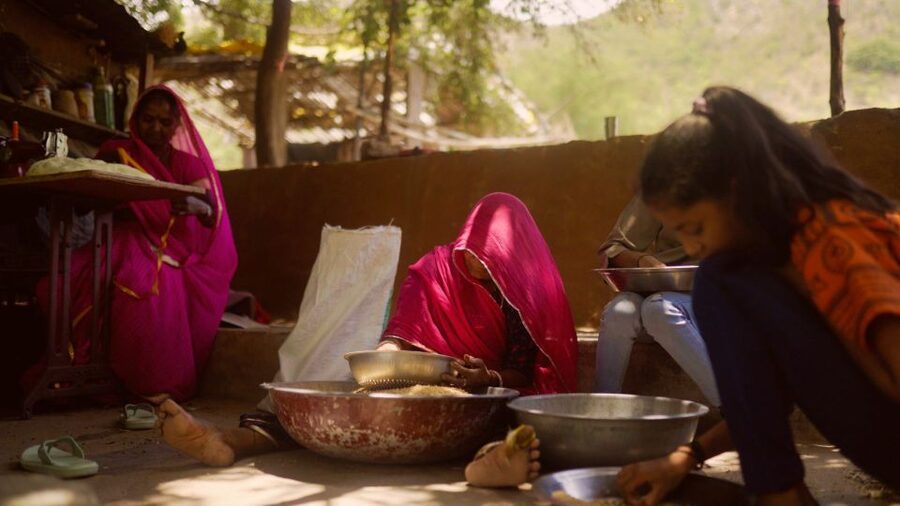
Then comes the main event: an open-air cooking lesson where you’ll help make classic Rajasthani dishes using local spices and traditional methods.
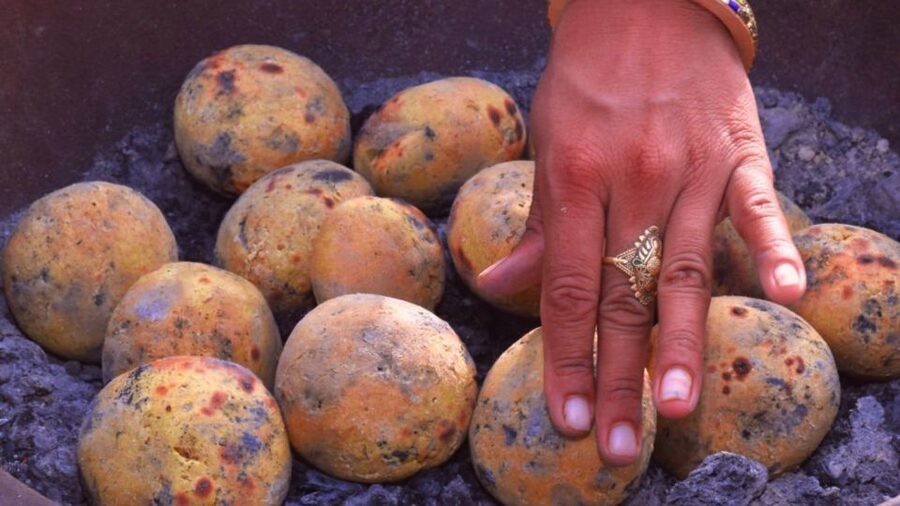
You’ll likely begin with the batis for Dal Bati. The process includes crafting dough that’s later baked in a wood-fired clay oven. That oven detail matters. It’s part of how batis get their signature texture and flavor, and it’s also where you get a real sense of traditional cooking technique.
Next is the pairing lentil curry spiced with native masalas. The lesson isn’t only about assembling a plate; you’ll learn why spices are used, and how the curry complements the bati.
After Dal Bati, you’ll move to Churma, a sweet component made with crushed batis, ghee, and local jaggery. If you’ve only had sweets in restaurants, this step is an eye-opener because it’s built from something plain and hearty and turned into a sweet finish using local ingredients.
And then comes Gatte Ka Saag (often written as gatte ka saag in tour materials), made with chickpea flour dumplings cooked in a rich, spicy curry. This is the dish that tends to make people sit up. It’s different from more familiar northern Indian gravy styles, and the dumpling element adds texture that you can taste right away.
Throughout the cooking, there are pauses for chaas and local snacks as things simmer. It keeps the energy up and gives you a moment to reset in the countryside air.
The meal: Dal Bati Churma, saag, chaas, and a group feast under a neem tree
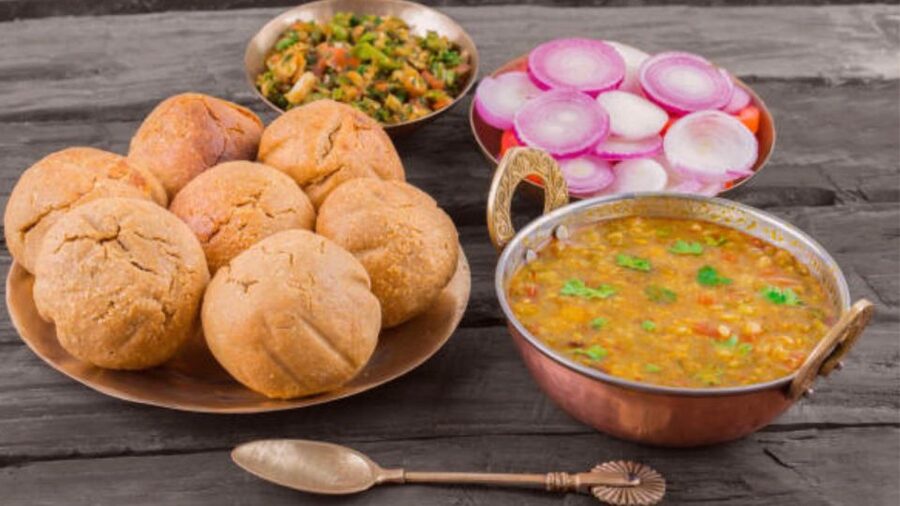
When it’s time to eat, you’re served a full set of dishes that match what you learned cooking earlier. The meal includes:
- Dal Bati Churma
- Sarson Ka Saag
- Gatte Ka Saag
- chaas (buttermilk)
Cha as is a smart inclusion. It cools down your palate, balances the spicier curries, and makes it easier to enjoy multiple dishes without feeling stuffed.
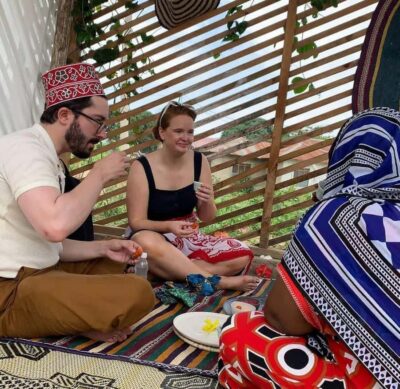
Eating under a neem tree is part of what makes this feel like more than a class. It’s communal, relaxed, and grounded in place. Even if you’re traveling solo, it’s easier to join in because the meal is structured and everyone is sharing the same food.
Music, artisans, and cultural stops you might catch along the way
This experience is also designed to show Rajasthan beyond just the kitchen. Local artisans and musicians add to the evening, giving you a taste of how creative life sits alongside daily routines.
Depending on the route and timing, you might also be taken to a nearby local village where you can see sites like:
- a Jain temple
- a Haveli being renovated
- a step well
Those details come up in the experience description and are reinforced by how people talk about the tour. So if you love small cultural stops, it’s worth paying attention when the schedule includes extra village sights.
What to watch for: rustic settings and photo expectations
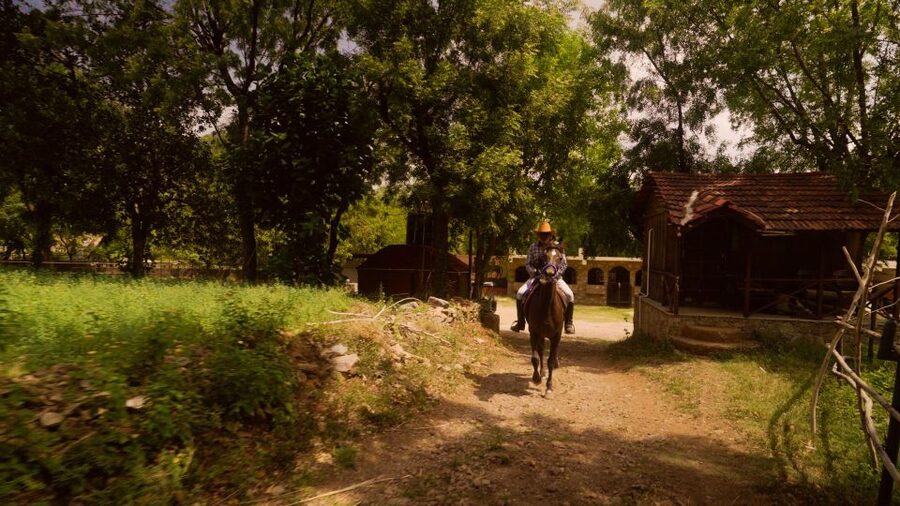
The biggest thing to plan for is the reality of the setting. Some people expect a polished, restaurant-like setup based on how similar experiences are marketed online. Here, the cooking setup can be home-style and rustic, including cooking around a mudclay stove.
That’s not a problem if you come for the core experience: farm life, cooking, and real local food. But it can feel disappointing if you’re chasing a certain aesthetic.
So my advice is simple: aim your expectations at learning and flavor. If you do that, the rustic approach often becomes part of the charm rather than a downside.
Who this fits best (and who should skip it)
You’ll likely love this if:
- you want a hands-on Rajasthan cooking lesson, not just watching
- you care about farm-to-table in a practical way (seeing crops, then cooking with them)
- you enjoy group meals where the food and stories are part of the experience
- you’re comfortable with a rural setting and a more informal pace
You might want to skip or choose something else if you:
- only want experiences with built-in round-trip transport from the city
- strongly prefer modern, indoor, hotel-style comfort
- need very strict timing, since countryside activities can run slightly more naturally than city schedules
Quick notes on language, timing, and how long it takes
The experience runs for 2 hours. It’s long enough to include a field/cultural walk, cooking instruction, and a proper meal.
The host or greeter speaks English and Hindi, which helps a lot during hands-on steps and explanations. If you communicate in basic English, you should be fine.
Final decision: should you book Farm to Table with a local farmer family?
If you’re in Udaipur and you want more than lake views and palace photos, this is a strong pick. The best reason to book is the combination: farm walk + farmer interaction + cooking lesson + a full Rajasthani meal with chaas. That’s a lot of value for a short, focused block of time.
Book it if you’re excited to work with ingredients, try Dal Bati Churma and saag dishes, and learn how traditional cooking methods connect to local crops like mustard greens and chickpeas. It’s especially good for food-focused travelers who like experiences that feel real.
Just plan your transport in advance, and go in expecting a rural, home-style setup rather than a high-end venue. If you do those two things, you’ll probably leave feeling fed, informed, and oddly proud of the food you helped make.
FAQ
How long is the farm-to-table experience?
It lasts 2 hours.
What does the tour cost?
The price is $21 per person.
Where does the experience take place?
It’s located on the outskirts of Udaipur in Rajasthan. The host will be waiting for you at the meeting point.
Is transportation included?
No. Conveyance is not included, but help arranging a vehicle may be available with charges handled separately.
What food will I eat during the experience?
Food is included, including Rajasthani dishes such as Dal Bati Churma, Sarson Ka Saag, Gatte Ka Saag, and chaas (buttermilk), plus local snacks.
What languages are used by the host or greeter?
The host or greeter speaks English and Hindi.