REVIEW · ZANZIBAR
Zanzibar: Walking Spice Farm with Local Cooking Class
Book on GetYourGuide →Operated by Riser Tours and Safaris Zanzibar limited · Bookable on GetYourGuide
Sniff spices, then cook them Zanzibar-style. This 6-hour day pairs a Tangawizi spice farm shamba walk with a hands-on food lesson, so you get the why behind the flavors, not just the taste.
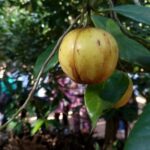
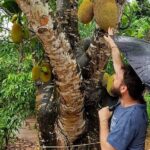
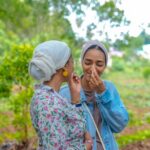
What I like most is the way you’re invited to smell and taste spices and herbs right where they grow, including clove and lemongrass, plus tropical fruit like papaya and jackfruit.
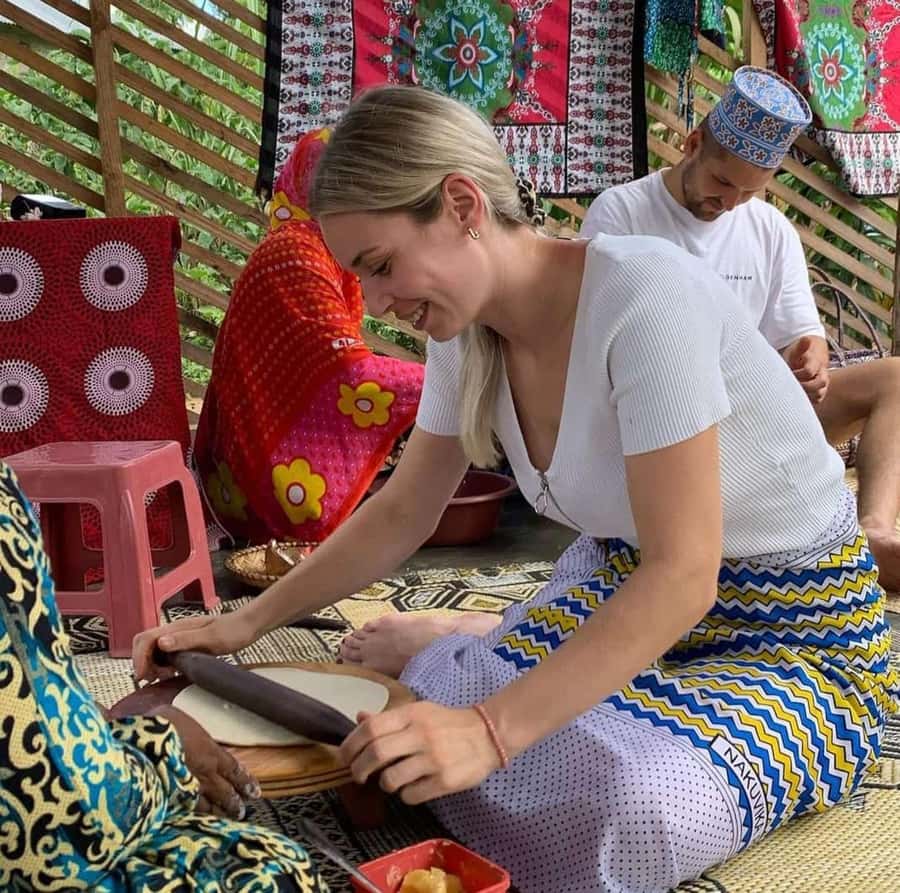
I also really appreciate the cooking part. You don’t just watch food fly onto a plate; you learn local Swahili cooking skills using simple tools and an open-air setup with wood fire and charcoal burners. It’s the kind of experience that makes you understand how everyday Zanzibar meals get built.
One drawback to know up front: the cooking portion is often more of a demonstration than a fully guided, step-by-step class for every person, and the meal might feel more like a buffet spread than a strict 4-course sit-down. If you’re hoping for lots of solo chopping and stirring, adjust expectations.
In This Review
- Key things to know before you go
- Why Zanzibar spice farm walks are more than a photo stop
- From hotel pickup to Tangawizi: what the 6 hours really feel like
- The shamba walk at Tangawizi: plants, scents, and real Zanzibar flavors
- What you’ll learn in the cooking session (and why the format matters)
- Lunch and dessert: what the shared meal is actually like
- Spice stall shopping: what to buy and how to pay
- Price and value: is $50 for 6 hours a fair deal?
- Who this tour suits best (and who should adjust expectations)
- Should you book this Zanzibar spice walk and cooking day?
- FAQ
- How long is the Zanzibar walking spice farm and cooking class?
- Where does the tour take place?
- What’s included in the price?
- Is this tour private?
- What languages does the guide speak?
- What do you do during the tour?
- What spices and fruits should I expect to taste?
- Is the spice stall payment cash only?
- What’s the cancellation policy?
- Do I need to pay tips for farm workers?
Key things to know before you go
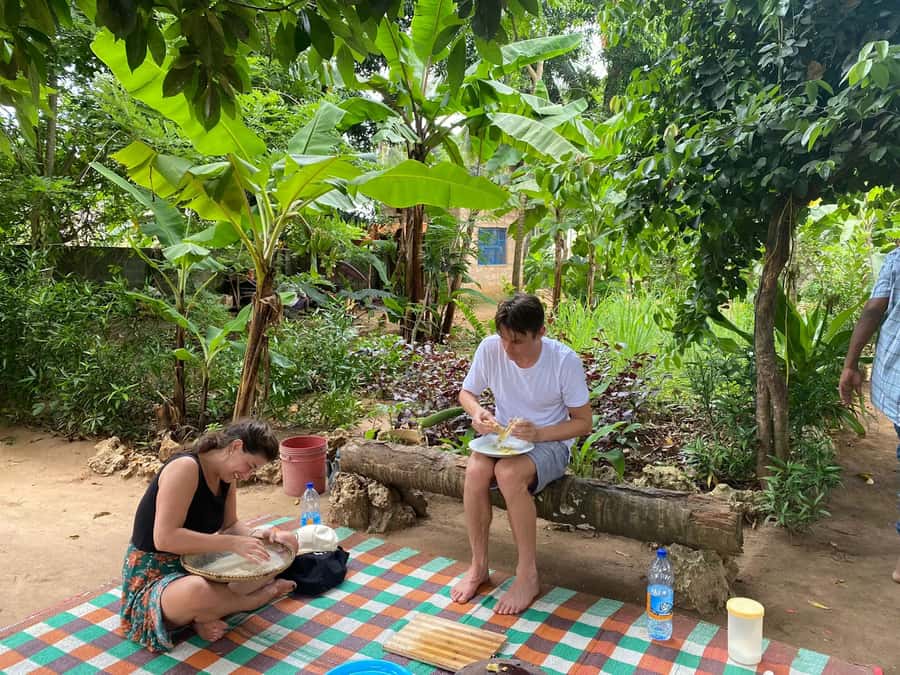
- Tangawizi Spice Farm shamba walk: See spices, herbs, and tropical fruits growing, not just packaged products
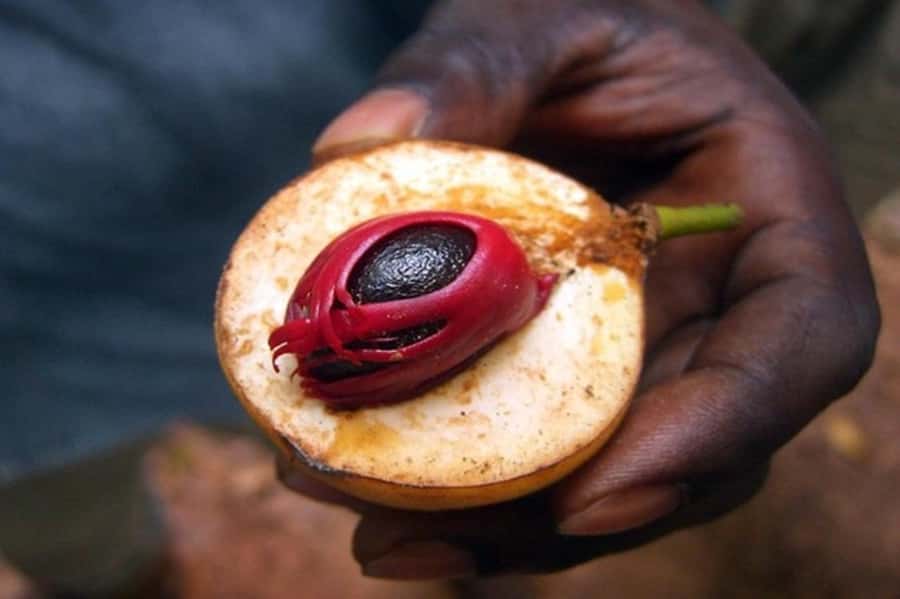
- Smell-and-taste stops: Clove, cinnamon, nutmeg, turmeric, vanilla, black pepper, cardamom, and more
- Swahili-style cooking lesson: Learn local techniques and how coconut milk and spice blends show up in real dishes
- A shared lunch with dessert: Expect multiple prepared items, served together after the cooking session
- Spice stall at the end: Fresh packaged spices are sold there, and it’s cash only
- Tips for farm workers are included: You won’t need to handle tips for the shamba staff during the activity
Why Zanzibar spice farm walks are more than a photo stop
A Zanzibar spice tour works best when it does two things: it teaches you what plants actually look like, and it shows how those plants turn into food. This one does both, starting at Tangawizi Spice Farm and then shifting to cooking.
What makes the farm walk genuinely useful is the focus on your senses. You’ll be smelling and tasting a wide lineup of spices, herbs, and fruit, like clove, nutmeg, cinnamon, turmeric, vanilla, coconuts, chili, black pepper, jackfruit, cardamom, cassava, and oranges. That matters because Zanzibar cuisine is built on layering flavors, not one single spice.
The cooking portion then translates those aromas into practical technique. Even when the format runs closer to a demonstration, you still get that important link: how coconut milk is squeezed from fresh coconut, how spice mixes are combined, and how simple ingredients become recognizable Swahili staples.
You can also read our reviews of more tours and experiences in Zanzibar.


From hotel pickup to Tangawizi: what the 6 hours really feel like
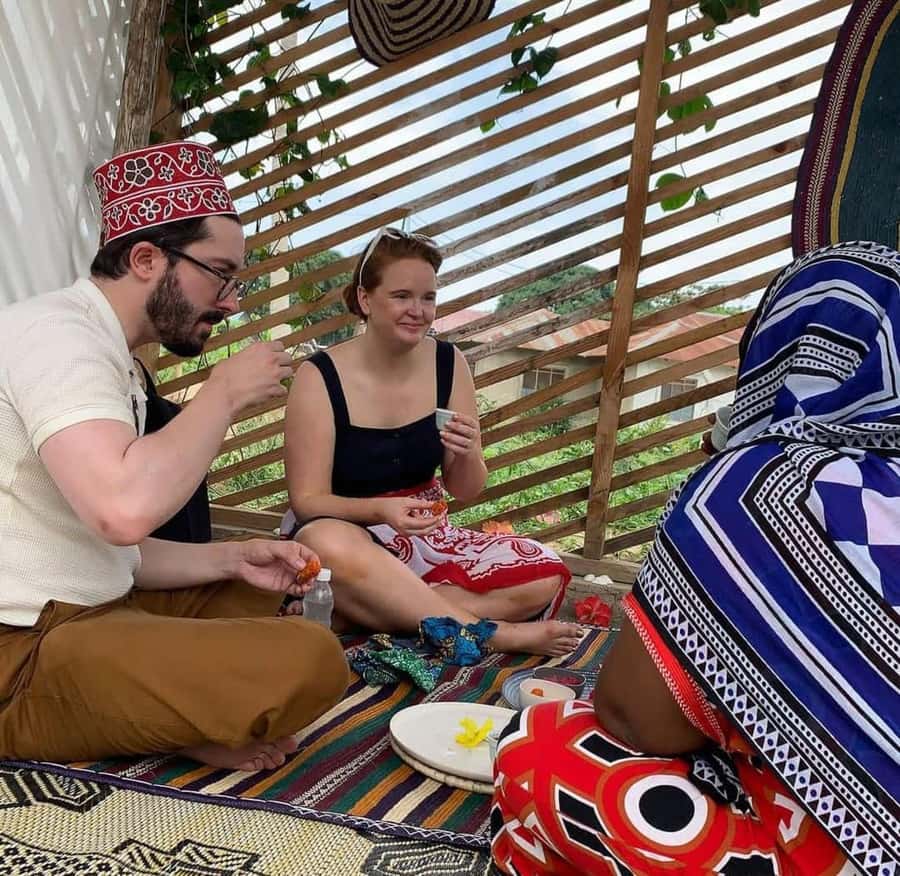
The tour is designed as a half-day experience, typically lasting about 5 to 6 hours, with hotel pickup and drop-off included. You get a few pickup options, including Stone Town and Unguja North Region, and you’ll return to drop-off points that include Stone Town and Unguja North Region as well.
Timing-wise, plan to be ready at the front desk about 10 minutes before your pickup. Once you’re moving, the day follows a simple flow: farm walk first, then cooking session, then lunch (and dessert). That sequence is smart. You see the ingredients in the ground before you taste and cook them, so nothing feels random.
Because it’s a private group setup, the pace can feel more relaxed than crowded group tours. It also helps if you want to ask questions in English, German, or French, since the live guide works in those languages.
The shamba walk at Tangawizi: plants, scents, and real Zanzibar flavors
The heart of this experience is the walking spice farm (shamba) portion. You’ll be guided through how plants grow and how they’re cultivated, and you’ll get chances to smell and taste along the way. This isn’t just a stroll for views; it’s the start of your flavor education.
You’ll meet a long list of Zanzibar’s classic spice and crop plants. Based on what you’ll be tasting, expect stops connected to things like:
- Clove and lemongrass
- Nutmeg and cinnamon
- Turmeric and vanilla
- Black pepper and cardamom
- Coconuts, papaya, chili, jackfruit, cassava
- Oranges
A small but important practical point: this is a walking tour in a working farm environment. Trails and ground can be uneven. If walking is tricky for you, mention it to your guide when you meet—there’s evidence that guides can choose safer routes when mobility is limited.
Also, don’t assume you’ll remember every plant name after the first five minutes. What you’ll likely remember is how the scents changed as you went from cloves to citrusy herbs to warming spices like cinnamon and nutmeg. That’s the real takeaway: your nose learns the difference.
What you’ll learn in the cooking session (and why the format matters)
After the farm walk, you return to the cooking area and prepare meals together. The activity is described as a cooking class, and the structure focuses on learning ingredients and techniques. Some days and groups run it like a close demo, where you observe closely and participate in key parts.
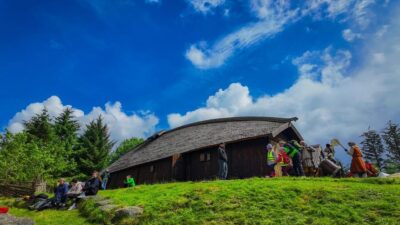
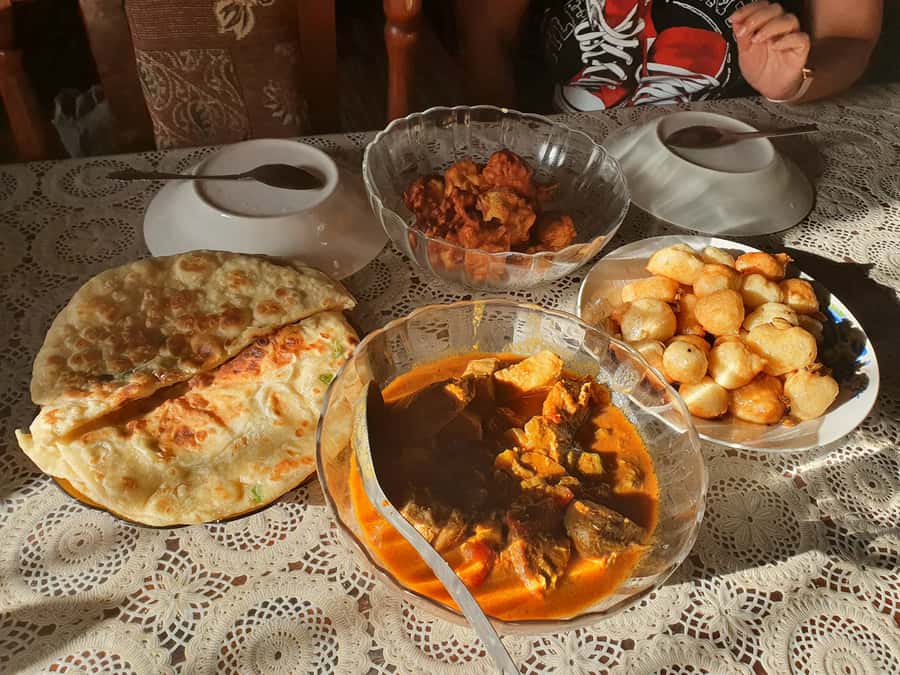
Either way, the cooking space is simple and very Zanzibar in feel: an open-air cooking hut with charcoal burners and a wood fire. If you’re the kind of person who likes seeing how cooking happens in real homes and community settings, this setup is a plus. You get the sense of process, not just finished plates.
The cooking lesson also leans on coconut and spice blending. Fresh coconut gets scraped and squeezed to make coconut milk, which then shows up in dishes. You’ll see how spice combinations build flavor depth, especially in rice and sauces.
From the types of dishes you may encounter, you can expect examples like:
- Pilau rice flavored with multiple spices
- A sauce built from basics like tomato, onion, and related ingredients, plus greens
- A fish preparation that uses lime and salt before frying
- Plantain appearing alongside the meal components
You should also expect that the experience aims to teach Swahili cooking skills. Even if your participation is more observation than chopping, you’ll still come away with a clearer idea of what makes Swahili food taste like Swahili.
Lunch and dessert: what the shared meal is actually like
Your day finishes with a shared meal after the cooking session. The description frames this as eating together after the practical cooking lesson, including multiple prepared items. Some versions of the experience feel like a buffet-style lunch with fruit later, even when the day is described as multiple courses.
Either format works, because you’re eating the dishes you just learned about, not random restaurant food. That’s where the value shows up. If you’re a foodie or just a curious eater, this is the moment you can connect smell and spice to actual texture and taste.
You’ll likely leave with a stronger sense of how flavors balance in Zanzibar meals: warming spices, citrus-lime brightness, coconut richness, and savory depth in rice and sauces. And dessert or fruit later adds that final sweetness or freshness that makes the whole day feel complete instead of ending abruptly at lunch.




Spice stall shopping: what to buy and how to pay
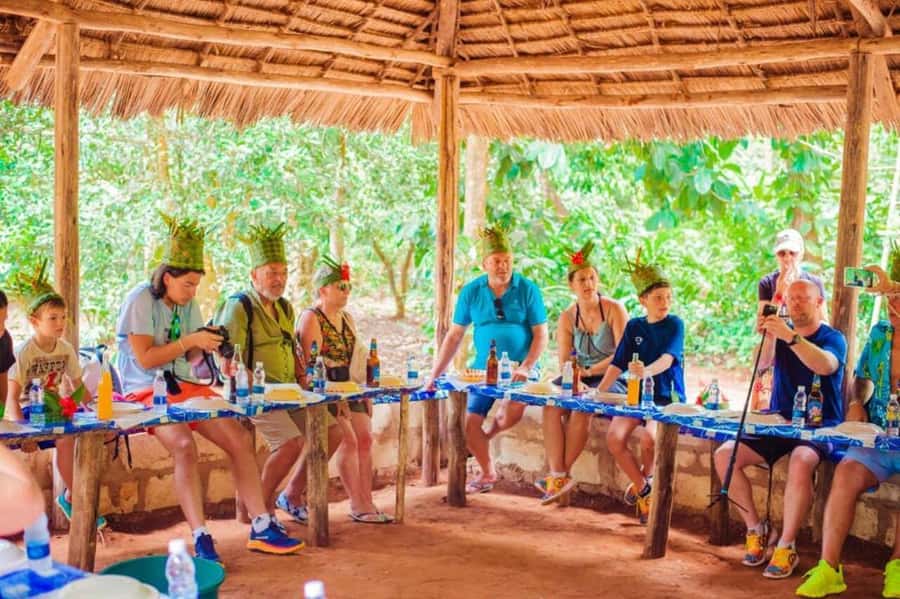
At the end, there’s a stop at a spice stall selling fresh packaged spices. It’s a straightforward finale: you’ve just walked through the plants, you’ve smelled and tasted them, and now you can take them home.
Two practical tips here:
- Bring or have access to cash, since the stall sales are cash only.
- Buy what you can actually use. If clove, cinnamon, turmeric, or black pepper stood out on the farm, those are good candidates for bringing home. You’ll also likely have a better sense of what you like than you would after a quick market stop.
Also, because tips for farm workers are included in your tour price, you won’t need to worry about tipping the shamba staff as part of the experience. Still, it never hurts to have small bills in your pocket in case you want to show appreciation for extra help you receive during the day.
Price and value: is $50 for 6 hours a fair deal?
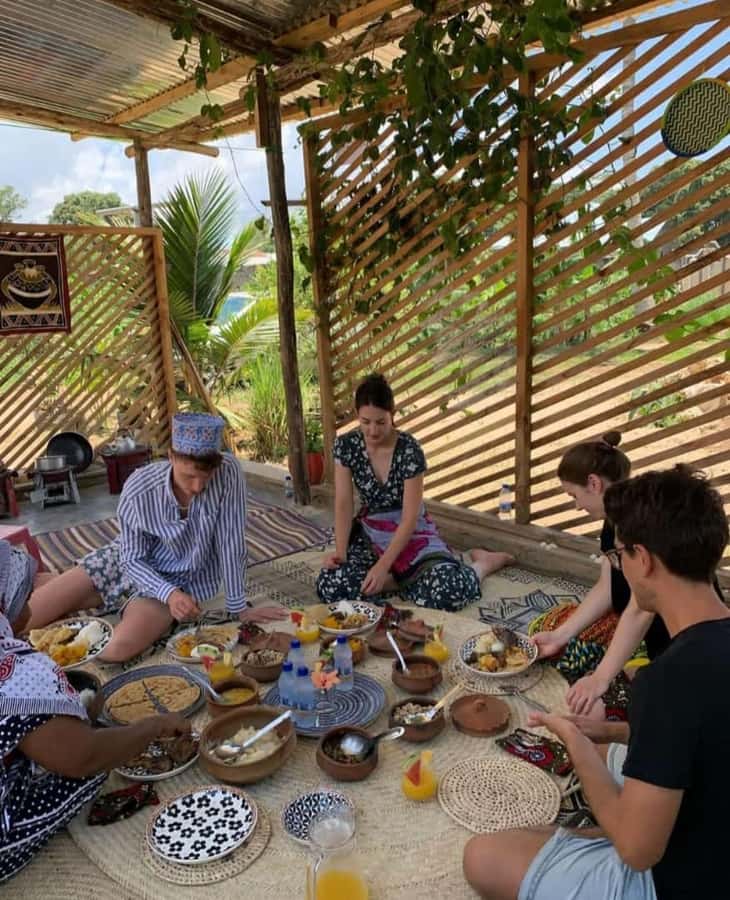
At $50 per person for roughly 6 hours, this tour can be good value if you want more than a quick spice tasting. The price includes:
- Hotel pickup and drop-off
- Lunch
- A guided farm walk plus the cooking portion
When you add those together, it’s not just paying for access to a farm. You’re paying for interpretation: someone guides you through what you’re smelling and tasting, and then you eat what you helped prepare or learn about.
The farm part matters because it’s the difference between consuming spices as souvenirs versus understanding them as ingredients. And the cooking part matters because it turns your spice impressions into skills and memory you can use later.
If you’re traveling only for the beach and want minimal walking and minimal time commitment, you might decide it’s not worth it. But if you want a structured cultural food experience that connects Zanzibar’s Spice Island reputation to real plates, this is a sensible pick.
Who this tour suits best (and who should adjust expectations)
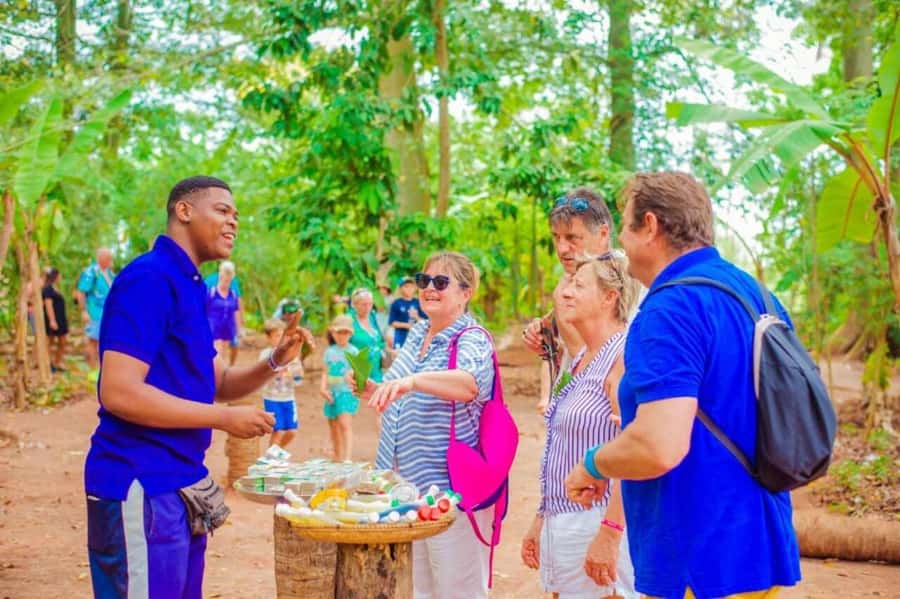
This tour is ideal for you if you:
- Like food experiences that start with ingredients, not just dishes
- Want to taste spices like clove, nutmeg, cinnamon, turmeric, and black pepper in context
- Enjoy learning simple, practical cooking skills tied to everyday local meals
- Prefer a private group pace with a live guide who can work in English, German, or French
You may want to adjust expectations if you’re:
- Expecting a fully hands-on, every-step cooking class where you do everything
- Sensitive to walking on uneven farm paths
The good news is that the guide can often help manage the walk by choosing safer ways to move when needed. Still, if mobility is a concern, tell them ahead of time so the day is comfortable from the start.
Should you book this Zanzibar spice walk and cooking day?
I think you should book it if you want a half-day in Zanzibar that feels practical and real, not just staged shopping. The big win is the pairing: farm senses first, then food skills second. That combination makes it easier to remember flavors later and even recreate them at home.
Skip it if your main goal is maximum hands-on cooking and a guaranteed strict multi-course sit-down format. The experience can feel more like a demonstration with a shared lunch than a tightly structured, every-person cooking workshop.
Overall, for $50 in about 6 hours, with pickup, lunch, a guided shamba walk, and cooking tied to Swahili flavors, this is a solid value choice for a food-minded day in Zanzibar.
FAQ
How long is the Zanzibar walking spice farm and cooking class?
It lasts about 6 hours.
Where does the tour take place?
The tour is in the Unguja South Region of Tanzania, with pickup options including Stone Town and Unguja North Region.
What’s included in the price?
The price includes hotel pickup and drop-off and lunch.
Is this tour private?
Yes, it’s listed as a private group.
What languages does the guide speak?
The live tour guide is available in English, German, and French.
What do you do during the tour?
You walk through a spice farm (shamba), smell and taste spices, herbs, and tropical fruits, then return for a cooking lesson where you prepare meals and a dessert and eat together.
What spices and fruits should I expect to taste?
Expect to taste items including clove, lemongrass, nutmeg, cinnamon, turmeric, vanilla, coconuts, papaya, chili, black pepper, jackfruit, cardamom, cassava, and oranges.
Is the spice stall payment cash only?
Yes, the spice stall selling fresh packaged spices is cash only.
What’s the cancellation policy?
Free cancellation is available up to 24 hours in advance for a full refund.
Do I need to pay tips for farm workers?
The tour information says tips for farm workers are already included in the price.