REVIEW · NEW SOUTH WALES
Honey Farm Tour. Morning Tea. Guided Tasting
Book on Viator →Operated by Bowral Beekeeping · Bookable on Viator
Bees are the star, and the views help too. On this honey farm tour in Bowral, you’ll tour hives on a historic property, then enjoy a guided tasting of 6 floral honeys on a terrace over the lake and rolling Southern Highlands hills. It’s equal parts practical beekeeping and a gentle, snack-friendly lesson on why pollinators matter.
I really like how hands-on the experience feels without rushing you. You get a head veil to watch the hive activity safely, then a tasting that clearly explains how each honey differs by aroma, thickness, and flavor. One thing to consider: it’s not recommended if you (or someone in your group) has a bee allergy, and the tour depends on good weather.
In This Review
- Key highlights you’ll remember
- Honey Farm tour in Bowral: what you’re really signing up for
- Getting to the meeting point at Retford Park
- The hive viewing: veil-on, calm observation, real beekeeping context
- Flow Hive demonstration: how a modern hive works (without the clutter)
- Terrace morning tea: views, honey flight, and a gentle pace
- What you’ll taste, and how to enjoy it more
- Families and first-timers: why this tour fits
- Weather, timing, and what to wear
- After the tour: take the honey home
- Price and value: why $27.26 can make sense
- Who should book this tour?
- Should you book Bowral Beekeeping’s Honey Farm Tour?
- FAQ
- Where does the Honey Farm Tour meet?
- What time does the tour start?
- How long is the experience?
- How much does the tour cost?
- What’s included in the honey tasting and morning tea?
- Do you get to see the hives?
- Is the tour private?
- Is it safe if someone has a bee allergy?
- What happens if the weather is bad?
Key highlights you’ll remember
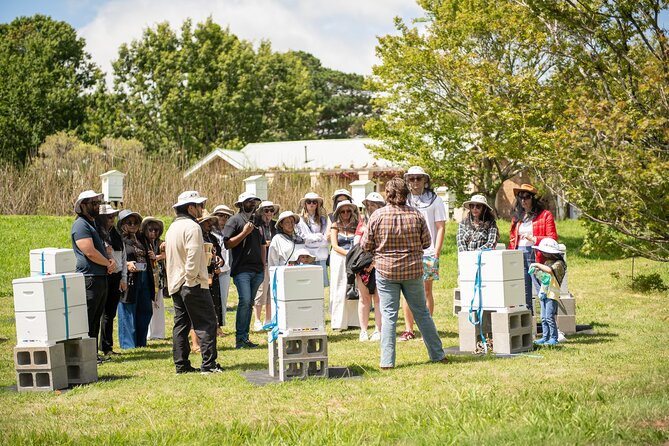
- Veil-on hive viewing so you can observe bee activity up close and safely
- Flow Hive demonstration using an empty Flow Hive to show how modern hives work
- Guided tasting of 6 floral source honeys with clear comparisons of look and taste
- Morning tea with sourdough plus leaf tea or plunger coffee
- Retford Park setting on historic National Trust grounds, with terrace views over the dam and hills
- Family-friendly pace that welcomes questions and keeps the talk light and interesting
Honey Farm tour in Bowral: what you’re really signing up for
This isn’t just a sweet stop where you sample honey and move on. The tour is built around seeing bees do their job, then tasting the results of that work in a structured, easy-to-follow way. If you enjoy nature facts you can actually use (and you like your snacks served thoughtfully), this format works well.
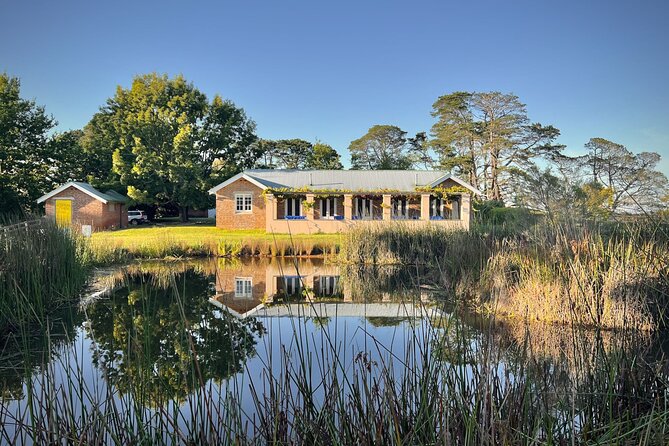
You start at Retford Park, where the apiary (honey farm hives) sits on the grounds of a historic National Trust mansion. The setting matters. It keeps the experience from feeling like a factory visit. Instead, it feels like you’re learning on-site, while looking out over the same hills you’ll be enjoying from the terrace later.
At $27.26 per person for about 1 hour, it’s priced for a guided, small-group-style experience rather than a long, formal class. For most people, the value comes from two parts working together: the hive talk and the structured honey tasting.
You can also read our reviews of more tours and experiences in New South Wales.
Getting to the meeting point at Retford Park
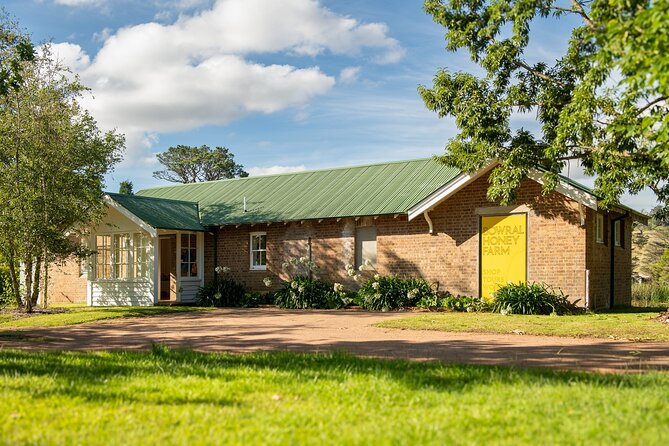
You’ll meet at Bowral Honey Farm, Retford Park, 1325 Old S Rd, Bowral NSW 2576. It’s about a 5-minute drive from Bowral main street, so you can usually plan it as a morning activity without a big transfer day.
The tour starts at 11:00 am, and it ends back at the meeting point. You’ll have a mobile ticket, which makes it simple if you’re traveling light and already relying on your phone for everything.
Also worth noting: this is a private tour/activity, meaning only your group participates. That tends to make questions easier, and it helps the guide keep the pace right for your group.
The hive viewing: veil-on, calm observation, real beekeeping context
The first portion of the tour is right beside the hives. You’ll be provided a head veil, and you’ll use it to safely observe what the bees are doing. This is one of the best parts if you’re curious about bee behavior but not sure where to look. Having the guide point things out makes a big difference. Otherwise, bees can look like a blur of motion, with no clear way to connect activity to purpose.
As you watch, you’ll also hear about the bee lifecycle and why these at-risk pollinators are worth protecting. The way it’s set up is practical: the guide doesn’t just talk biology in the abstract. It’s framed around what you can see and what it means in daily hive life.
A possible drawback here is simple: this section involves bees and close observation. If anyone in your group has a bee allergy, it’s not recommended. If allergies are part of your decision, double-check before booking.
Flow Hive demonstration: how a modern hive works (without the clutter)
After the hive viewing, the tour moves into a demonstration with an (empty!) Flow Hive. This part is designed to show the workings of a modern hive without turning the visit into a technical workshop.
What I like about including this demonstration is that it gives you a reference point for what you’re seeing and tasting later. You’re not left thinking: honey just appears. You’re shown the idea behind how honey is collected from hives, which makes the whole experience feel more connected.
Even if you don’t care about equipment, this segment helps you understand the difference between everyday honey talk and real beekeeping methods. It also keeps the pacing steady: hive observation first, then a clearer explanation tool.
Terrace morning tea: views, honey flight, and a gentle pace
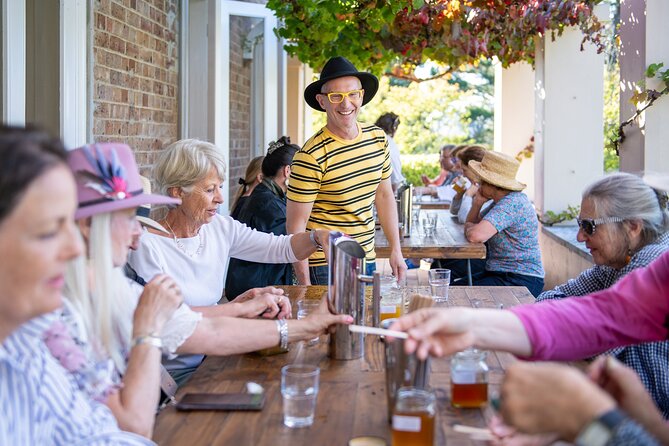
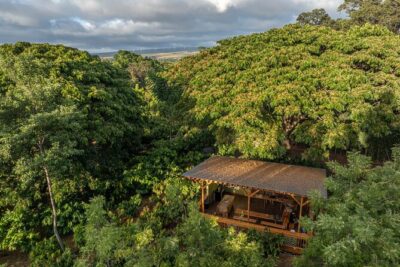
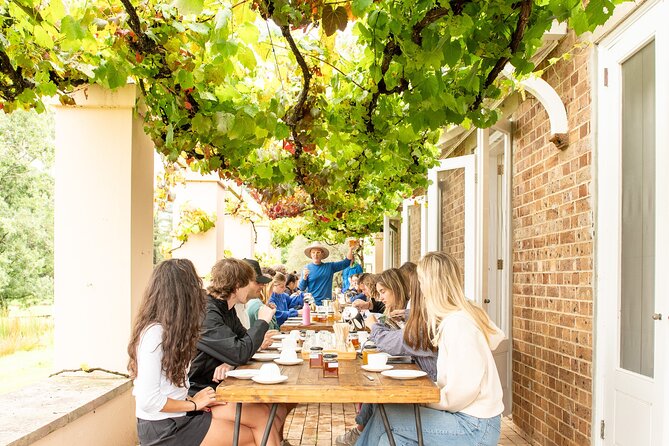
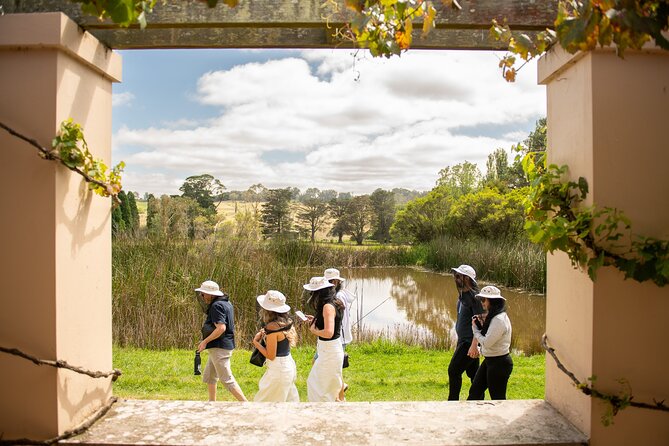
Once the hive portion wraps up, you head to the terrace. This is where the Southern Highlands scenery becomes part of the learning. You’ll enjoy a terrace setup overlooking the dam and rolling hills, which makes the tasting feel like a break rather than a test.
The guided honey tasting happens here, and it’s not random. You taste 6 different floral source honeys, each with its own distinctive:
- appearance
- aroma
- viscosity (how thick it feels)
- mouth texture
- taste
That list might look technical, but the point is simple: you train your senses in a guided way. If you’ve ever had honey and wondered why it tastes different from brand to brand, this is exactly the sort of structured comparison that answers it.
What you’ll taste, and how to enjoy it more
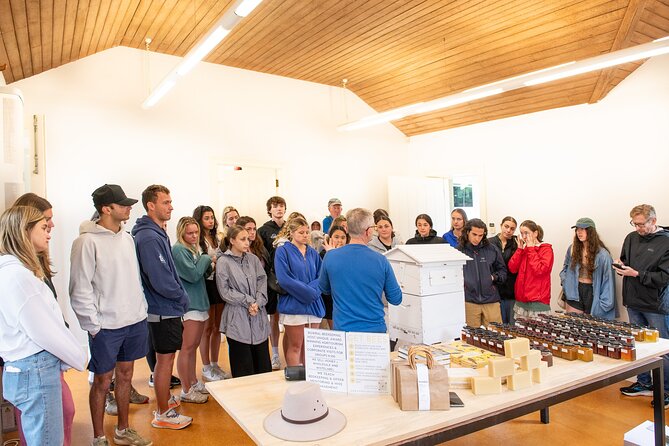
You don’t just get handed six samples. The tour is guided, so the guide helps you notice what matters. I recommend you take your time and taste in small steps. With honey, small changes in aroma and thickness are often what make the flavors feel different.
Here’s how to make the tasting experience pay off:
- Start by smelling first, then sip a tiny taste.
- Notice viscosity—how it clings before it spreads.
- After each honey, pause for a breath. The difference between floral sources often shows up more clearly once you’ve reset your palate.
If you want a fast win: keep a mental note of which honey you like most for aroma versus taste. People often find one they love for smell and another they prefer for sweetness or mouth feel. That’s a fun way to remember the experience.
After the honey tasting, the morning tea includes fresh sourdough plus leaf tea and/or plunger coffee. This matters for comfort. Honey tasting works better when you’ve got something warm and grounding to reset your palate.
Families and first-timers: why this tour fits
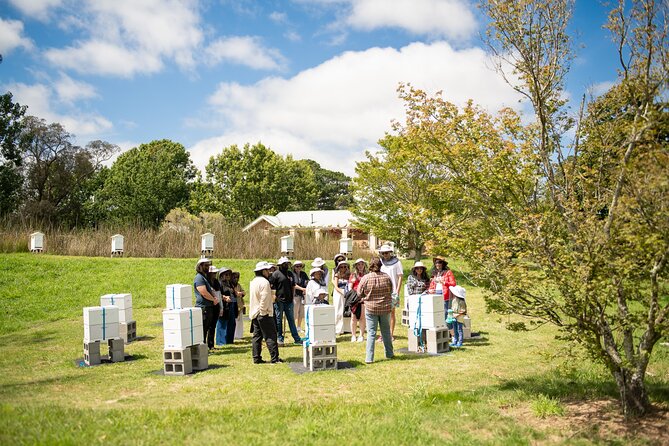
This is a strong choice for families visiting the Southern Highlands because it’s short, structured, and not overly technical. You’re not committing to a half-day. You’re getting an hour of guided observation plus a snack-and-tasting block that gives kids (and adults) something concrete to focus on.
It also helps that the experience is paced around curiosity. The format naturally invites questions, and the guide keeps things light. In past visits, the host’s sense of humor and willingness to answer questions is part of why the tour lands well with different ages.
If you’re traveling with kids, consider the timing: 11:00 am is late enough for a relaxed start, early enough that you can still plan the rest of your day.
Weather, timing, and what to wear
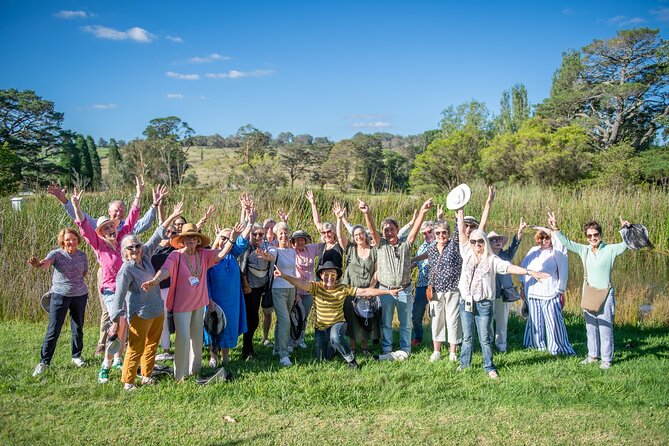
The tour requires good weather. If weather is poor, you’ll be offered a different date or a full refund. So it’s worth keeping an eye on the forecast if your schedule is tight.
For clothing, don’t overthink it—but do think about comfort. If you’re visiting in cooler months (like July), plan on layering up. One practical tip from experience: rug up if you’re not used to the local chill. Being on a terrace means you’ll feel the air a bit more than you might indoors.
After the tour: take the honey home
You’ll also have honey available after the visit. That’s a simple benefit: you can buy what you tasted (or what you decided you like most), without needing to go looking elsewhere.
For a lot of people, this is the best souvenir. It’s useful, not bulky, and it reminds you of the tasting session with its specific floral differences.
Price and value: why $27.26 can make sense
At $27.26 per person, you’re paying for three things at once:
1) guided hive viewing with a veil
2) a Flow Hive demonstration
3) a guided tasting of 6 floral honeys plus morning tea
The honey tasting alone would be enough to justify the price for many people, but the hive portion is what makes it more than a food stop. You’re getting context: why the differences exist, and how beekeeping connects to the honey you taste.
Also, booking tends to fill faster than you might expect—on average it’s booked about 20 days in advance. If you’re traveling during peak weekends or school holidays, I’d book early so you don’t end up squeezing it into an awkward day.
Who should book this tour?
Book if you want:
- a short, guided introduction to bees and honey
- a structured honey tasting (not just free samples)
- a chance to compare multiple floral source honeys in one sitting
- an easy family-friendly activity in Bowral / the Southern Highlands
Skip or reconsider if:
- anyone in your group has a bee allergy
- you need a fully weatherproof indoor activity (it does require good weather)
Should you book Bowral Beekeeping’s Honey Farm Tour?
Yes, if you like nature learning that’s practical, not preachy, and you’ll enjoy tasting six honey types while looking out over real countryside. The big win here is balance: you get hive-side learning, then a calm terrace tasting with morning tea.
If you’re the kind of traveler who likes your experiences to have a clear “why,” this tour gives you that. The hive portion explains the ecosystem piece, and the tasting makes the results easy to understand with your own senses.
If you want, tell me when you’re traveling (month) and whether you’re going with kids or anyone with allergies, and I’ll suggest the best time to slot it into a Bowral / Southern Highlands day plan.
FAQ
Where does the Honey Farm Tour meet?
It meets at Bowral Honey Farm, Retford Park, 1325 Old S Rd, Bowral NSW 2576, Australia.
What time does the tour start?
The start time is 11:00 am.
How long is the experience?
The tour duration is about 1 hour.
How much does the tour cost?
The price is $27.26 per person.
What’s included in the honey tasting and morning tea?
You’ll do a guided tasting of 6 floral source honeys and enjoy morning tea with fresh sourdough plus leaf tea or plunger coffee.
Do you get to see the hives?
Yes. The tour includes a viewing alongside the hives, and you’ll wear a head veil to observe safely.
Is the tour private?
Yes. It’s a private tour/activity, so only your group participates.
Is it safe if someone has a bee allergy?
It’s not recommended for anyone with an allergy to bees.
What happens if the weather is bad?
This experience requires good weather. If it’s canceled due to poor weather, you’ll be offered a different date or a full refund.