REVIEW · FLORENCE
Pick Vegetables at the farm & Cook pasta
Book on GetYourGuide →Operated by Opera in the Kitchen di Lucrezia Cannito · Bookable on GetYourGuide
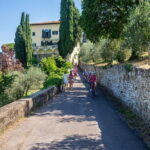
Farm-to-pasta beats a bus tour. This small-group Tuscan cooking class in Chianti Classico turns a vineyard morning into a hands-on meal, with olive oil and wine from the villa’s own production. The setting is a beautiful 1600s villa in the countryside, with the cooking happening in an old barn kitchen.
I especially like the combo of the vineyard walk and the veggie garden stop. You’ll pick aromatic herbs (and sometimes vegetables depending on season), then move straight into cooking your own full menu, including homemade pasta.
One thing to plan for: vegetable picking is seasonal and isn’t guaranteed from November to April. In colder months, herbs and a property visit are still part of the experience, but you shouldn’t assume you’ll harvest the exact same variety.
In This Review
- Key things you’ll remember from this Chianti cooking class
- A 3.5-hour Tuscany plan that feels personal
- Walking the vineyards and harvesting herbs (and sometimes vegetables)
- Cooking in an old barn: hands-on pasta and a full four-course menu
- Olive oil tasting and the Coratina detail that makes it real
- Homemade wine with your meal: Chianti Classico atmosphere, not a lecture
- What’s included (and why that matters for value)
- Cozy, relaxed by design: the atmosphere you’re actually buying
- Practical logistics that affect your day (so you’re not guessing)
- Who should book this Tuscan farm-to-pasta class
- Should you book Pick Vegetables at the Farm & Cook Pasta?
- FAQ
- How long is the cooking class?
- How many people are in the group?
- Is the class offered in English?
- Can I pick vegetables even in winter?
- What will we cook during the class?
- Are olive oil and wine tastings included?
- Is transfer service available from Florence?
Key things you’ll remember from this Chianti cooking class
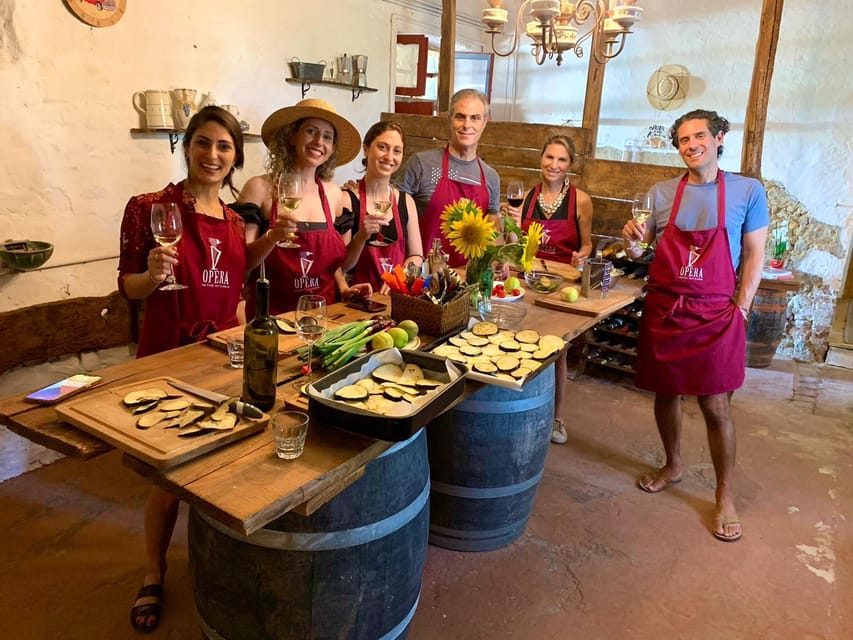
- A 1600s villa kitchen in an old barn, with an old trough and a cozy, lived-in feel
- Vineyard + vegetable garden time before the cooking starts
- Hands-on cooking of a four-course menu, including homemade pasta
- Extra Virgin olive oil tasting tied to a specific family tradition and 100% Coratina olives
- Homemade wine from the property, served with the meal
- A surprise gift and an online recipe book for recreating the dishes later
A 3.5-hour Tuscany plan that feels personal
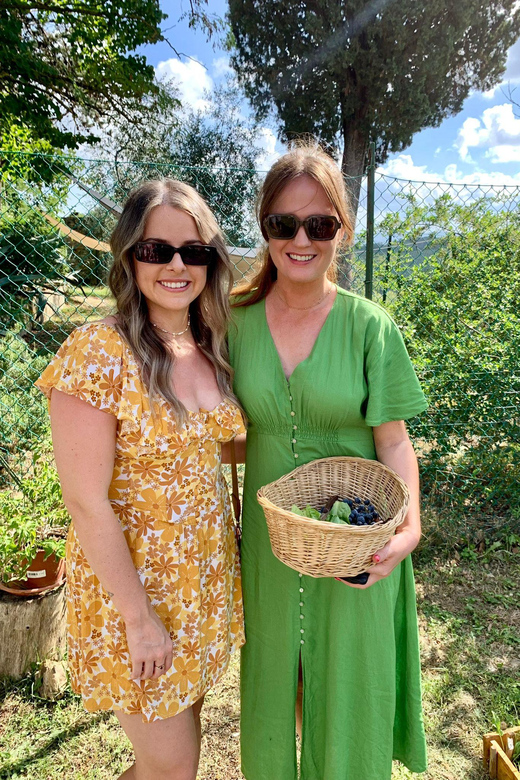
This is not a “watch and wait” cooking class. You show up in the Tuscan countryside about 25 minutes from Florence, then spend 3.5 hours with a small group (limited to 10). That group size matters because it keeps the pacing relaxed and makes it realistic for everyone to cook, not just sample.
You’ll start with a welcome coffee made the traditional moka way. Then the day flows outdoors first, into the vineyards and the veggie garden, and only afterward into the kitchen. It’s a simple structure, but it’s smart: you get the landscape and ingredients in your head before you touch the dough.
You can also read our reviews of more tours and experiences in Florence.

Walking the vineyards and harvesting herbs (and sometimes vegetables)
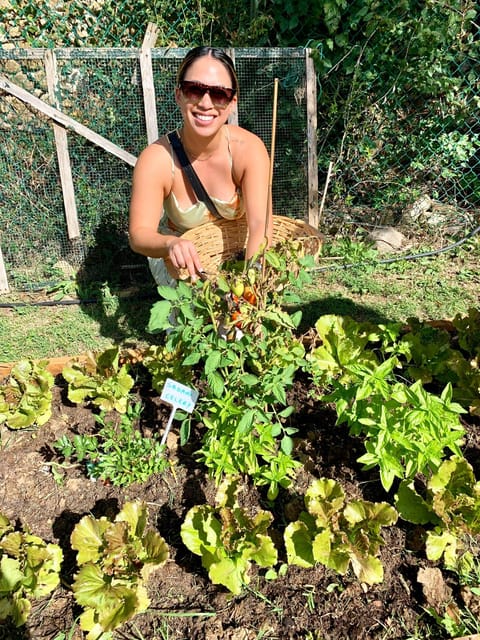
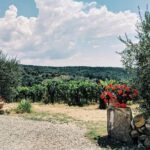
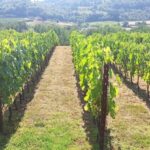
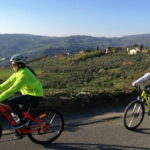
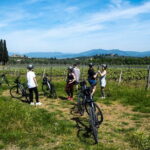
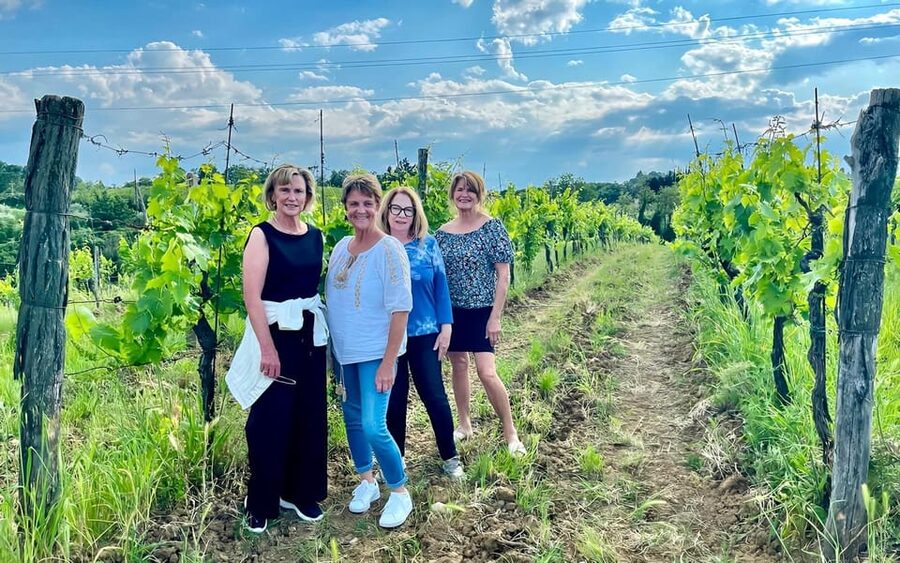
The morning begins with a guided walk around the property—vineyard rows outside, and the vegetable garden closer to the kitchen. This is where the experience becomes more than food. You’re learning how the villa fits into its own land: wine production and extra virgin olive oil production, explained as part of the daily rhythm.
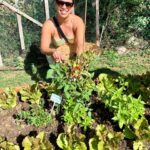
Then comes the part you’ll actually do: washing hands, putting on aprons (100% cotton), and heading into the garden to pick fresh aromatic herbs together. That’s a key detail. Even during the months when vegetable picking can’t be counted on, aromatic herbs are always available.
Vegetable picking itself depends on seasonality. The class notes that it’s not guaranteed from November to April. So if you’re traveling in winter, don’t expect to harvest a full basket of vegetables. Expect herbs, and expect to still walk the property—vineyards included—when weather allows.
For your planning, that means you’ll get the most satisfaction if your dates line up with warmer seasons. But even outside peak growing time, the walk through vineyards and the herb picking still give you that farm-to-table feeling that restaurant cooking classes can’t recreate.
Cooking in an old barn: hands-on pasta and a full four-course menu
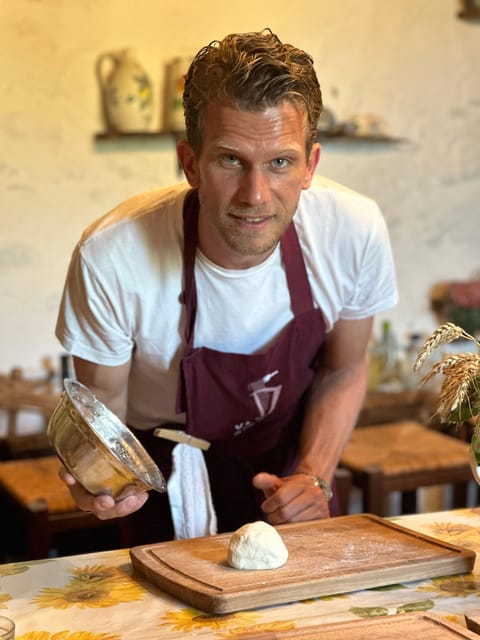
The cooking happens in one of the villa’s older spaces: an old barn kitchen with an old trough. That kind of setting changes the vibe. It feels like you’re stepping into someone’s working culinary world, not into a showroom.
Inside, you cook a full four-course menu, following old traditional recipes using the guidance of Lulu’s grandmother’s instructions. The important part for you: it’s hands-on throughout. Everyone prepares their own meal, so you won’t be stuck doing one small task while others handle the real work.
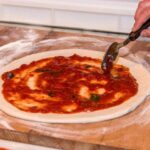
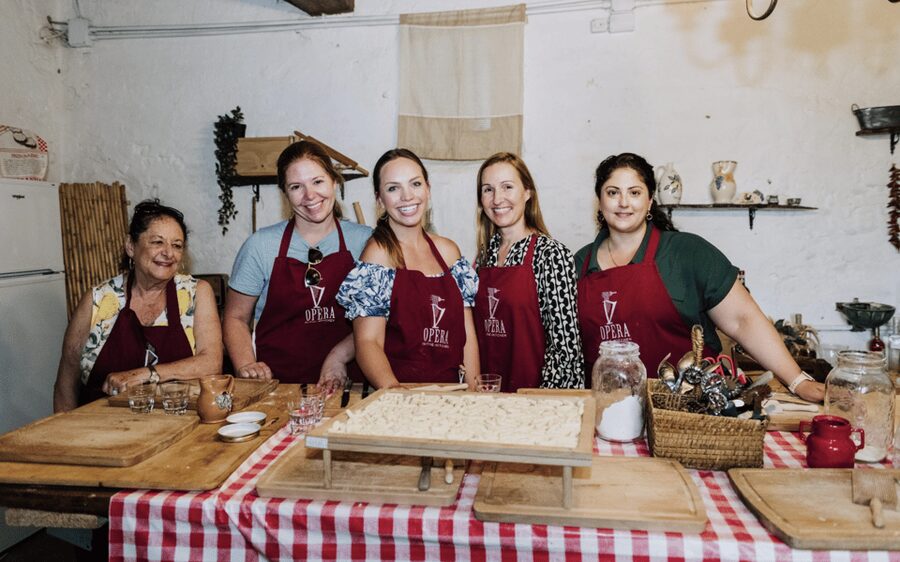
The menu includes homemade pasta. You’ll be working through dough and shaping as part of the experience, not just assembling plates. That’s the difference between learning the flavor of Italian food and learning the technique that creates it.
Because this is a cooking class tied to old recipes, you’ll also likely notice the emphasis on simple, practical methods—things that make sense in a working kitchen where ingredients come from your own garden and oils come from your own olives. Even if you’ve cooked pasta at home before, you’ll probably pick up at least a couple of adjustments that make the result more reliable.
Olive oil tasting and the Coratina detail that makes it real
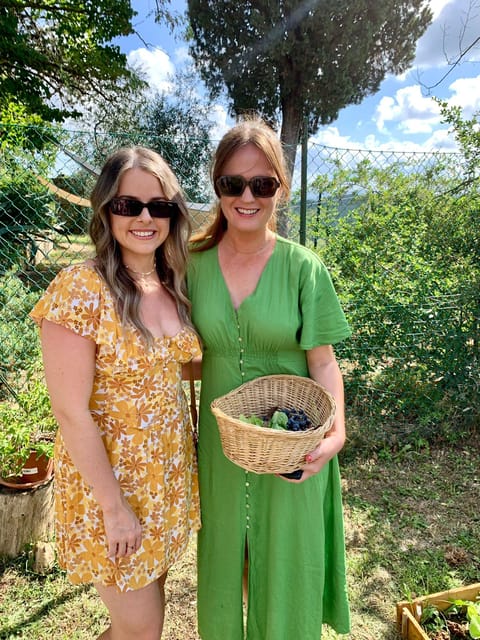
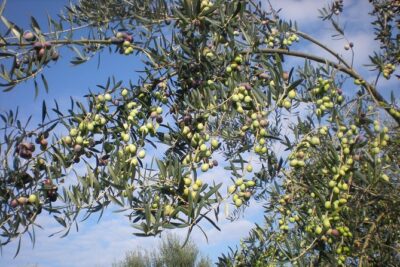
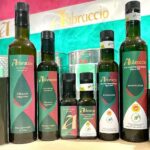
Food is only half the story here. You also taste the product behind the cooking: extra virgin olive oil produced by Lulu’s family for three generations.
The class specifies 100% Coratina olives from Apulia. That’s a helpful detail because it makes the tasting more than “here’s oil, enjoy.” You’re learning that Italian olive oil has a point of origin and a grape-like identity. Coratina is a specific olive variety, and the fact that it’s highlighted tells you this villa’s oil isn’t generic.
During the experience, you’ll taste the olive oil, and then later you’ll enjoy it as part of the meal. If you’re a bit of a food nerd, you might find it fun to pay attention to how the oil works with bread and pasta textures, and how its character shows up even when the dishes are traditional rather than fancy.
Homemade wine with your meal: Chianti Classico atmosphere, not a lecture
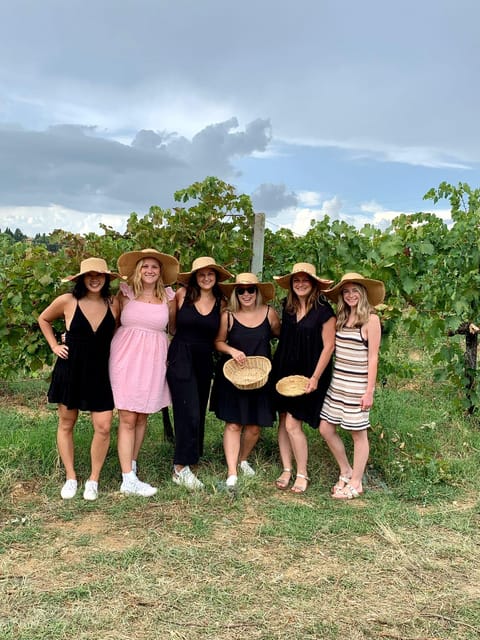
After cooking, you sit down and enjoy what you made with a view. The experience includes tasting homemade wine from the property.
This is the right way to learn wine for many people: taste it with food you just cooked, rather than listening to long explanations while staring at a blank glass. The class also places the wine in the wider story of how the villa produces both wine and olive oil, so it doesn’t feel random.
You’ll be in the Chianti Classico area, and the setting helps. Even when you focus on your plate, you’ll have that countryside backdrop working in your favor.


What’s included (and why that matters for value)
At $158.60 per person for about 3.5 hours, this class isn’t a “cheap snack-and-cook.” But it isn’t overpriced for what you actually get either—especially because the group is small and the menu is full.
Included items cover the experience end-to-end:
- welcome coffee made with moka
- walk around the property (including vineyard and veggie garden)
- herb picking
- aprons (100% cotton) for the class
- four-course cooking experience with homemade pasta
- extra virgin olive oil tasting
- homemade wine with the meal
- water with ice
- free Wi-Fi
- surprise gift at the end
- online book recipe access
Here’s the practical way to judge value: you’re paying for instruction, ingredients made part of the process, and multiple tastings, in a working countryside setting. You’re also getting a recipe resource afterward, which is where many cooking classes fail. A good class should help you cook again at home, and this one provides an online recipe book plus a surprise gift.
The small group limit (10 people) is also part of the value equation. With fewer people around, it’s more likely you’ll get real help when you’re working the pasta and assembling your plates.
Cozy, relaxed by design: the atmosphere you’re actually buying
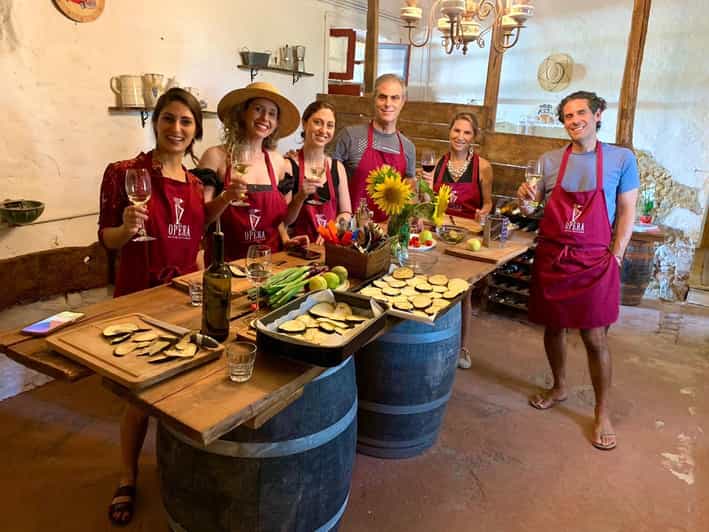
The standout theme here is a cozy atmosphere. That matters because cooking classes can swing two ways: either they feel rushed and crowded, or they feel comfortable and welcoming. This one leans toward the second kind of vibe.
That “comfortable” feel comes from a few details you can feel on the day: the intimate group size, the countryside pacing (walk, harvest, cook, eat), and a kitchen environment that feels traditional rather than staged. It’s a class where you’re busy doing things, not sitting through a performance.
If you like your travel with a human scale—where someone can explain the story of the villa and still help you roll pasta dough—this fits well.
Practical logistics that affect your day (so you’re not guessing)
You’ll receive the address after reservation. The villa is 25 minutes from Florence. Transfers are available on request, but you need to ask at least 48 hours before the event. If you want pickup, it’s best to email the team at [email protected] so they can help you plan the timing.
The experience language is English, with instructor ability in English and Italian. That’s good news if you want explanations without stress. If you’re comfortable with basic Italian, you might also pick up a few extra terms during the course, but the class is run in English.
If you’re building a longer stay, the listing also mentions accommodation at the villa on request. That’s worth considering if you want to add a slow Tuscan evening before or after your class.
Who should book this Tuscan farm-to-pasta class
This works especially well if you want:
- an authentic Tuscany meal tied to vineyards, herbs, and olive oil
- a hands-on cooking experience (homemade pasta and a full four-course menu)
- a small group setting that doesn’t feel like a factory
- the chance to taste olive oil and wine from the villa’s own production
It may be less ideal if your main goal is vegetable harvesting in winter. Since vegetable picking isn’t guaranteed from November to April, you’ll get a different version of the garden portion. That doesn’t make it bad, but it changes what you’ll likely harvest.
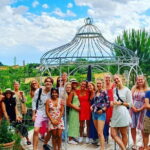
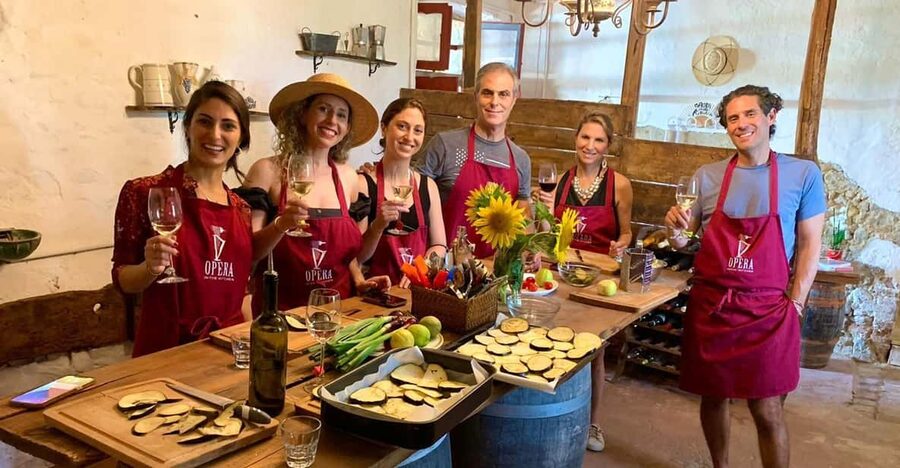
If you’re traveling with friends, this also makes a nice shared activity—everyone cooks, everyone eats together, and you leave with a recipe book you can use to recreate the dishes.
Should you book Pick Vegetables at the Farm & Cook Pasta?
If you’re choosing between a standard cooking class and one tied directly to vineyards and a working villa, I’d book this. The combination of vineyard walking, garden picking (especially herbs), hands-on homemade pasta, and tastings of extra virgin olive oil and homemade wine makes it feel like a complete Tuscan day, not a short workshop.
Do book it if you’ll be in seasons when vegetables are more likely to be available. If you’re visiting between November and April, still book if you like the idea of aromatic herb harvesting, a countryside property visit (including vineyards when weather allows), and learning traditional cooking methods.
The price makes sense when you factor in the full four-course menu plus olive oil and wine tastings in a small group setting. And if you care about atmosphere, the cozy, welcoming feel is exactly what you’re paying for here.
FAQ
How long is the cooking class?
The experience lasts 3.5 hours. Starting times depend on availability for your selected date.
How many people are in the group?
The class is a small group limited to 10 participants.
Is the class offered in English?
Yes. The experience is in English, and the instructor can also work in Italian.
Can I pick vegetables even in winter?
Vegetable picking depends on seasonality and is not guaranteed from November to April. Aromatic herbs are always available, and you can still visit the property, including the vineyards when weather allows.
What will we cook during the class?
You’ll cook a full four-course menu based on old traditional recipes, including homemade pasta. The class uses recipes from Lulu’s grandmother, and everyone prepares their own meal.
Are olive oil and wine tastings included?
Yes. You’ll taste the villa’s extra virgin olive oil and enjoy homemade wine during the meal.
Is transfer service available from Florence?
Transfers are available on request. You need to ask at least 48 hours before the event, and you can contact [email protected] for help.