Biodynamic farming feels real here. Jurlique’s Adelaide Hills farm tour is a guided walk through how plants are grown for the ingredients behind their natural skincare, with a Jurlique Ambassador keeping things clear and practical. I especially like the stop-by-stop focus on the full workflow, from seedlings to harvest, and the chance to see how plant choices connect to what ends up in products. One thing to keep in mind: this is a single 1.5-hour farm session, so it’s not a full-day outing and you’ll want to plan around the weather and your onward plans.
The setting is a big part of the appeal, but the best part is the human scale. You get a behind-the-scenes look that stays grounded: soil fertility and compost production, plant propagation, and biodynamic farming principles explained in plain language. If you’re doing this solo, that’s not a problem either—your pace won’t get bulldozed by a larger crowd dynamic. The only drawback I’d flag is that transfers aren’t included, so you’ll need your own way to reach Jurlique Farm at the start.
In This Review
- Key things to know before you go
- Jurlique Farm Tour in the Adelaide Hills: what you’re really paying for
- The tour rhythm with a Jurlique Ambassador (and why it matters)
- Stop 1 at Jurlique Farm: your walk through the ingredient pipeline
- A quick history that sets context
- Seedlings, propagation, and why the start matters
- Plant varieties and what they’re used for
- Biodynamic farming principles, explained in human terms
- Soil fertility and compost production
- Harvest process: where ingredient quality begins
- What you may experience in the garden: botanicals you can actually use
- Group size, tickets, and why 90 minutes is a sweet spot
- Price and logistics: what to plan so the day stays easy
- Who this tour is best for (and who might skip it)
- Should you book the Jurlique Farm Tour?
- FAQ
- How long is the Jurlique Farm Tour?
- What is included in the ticket price?
- Where does the tour start?
- Do I need my own transport to the meeting point?
- Is the ticket digital?
- What’s the group size limit?
- Can service animals attend?
- Is free cancellation available?
Key things to know before you go
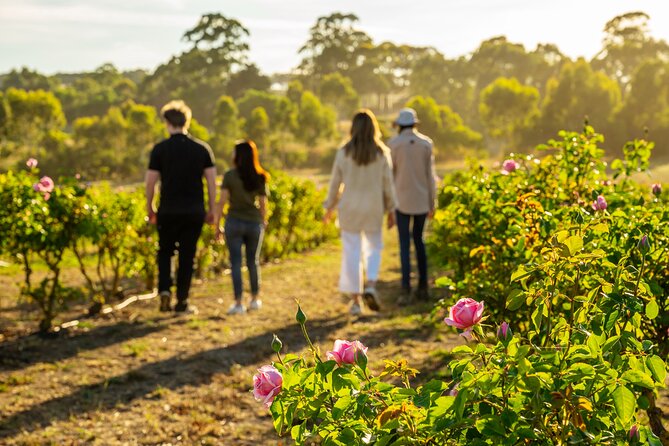
- 90 minutes with a Jurlique Ambassador: guided, not a quick drive-by
- Hands-on garden moments: you can experience botanicals in practical ways
- Full ingredient journey: seedlings, plant varieties, harvest, and what drives the choices
- Biodynamic basics: soil, compost, and farming principles explained simply
- Group size stays limited: up to 50 people, which helps the tour feel personal
Jurlique Farm Tour in the Adelaide Hills: what you’re really paying for
This tour is priced at $28.69 per person, and that price makes sense when you look at what’s included: a 90-minute guided farm visit with admission included. For an experience that’s part education and part nature time, that’s solid value—especially if you care about how skincare ingredients are grown rather than just how they’re packaged.
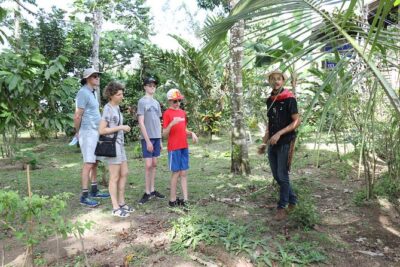
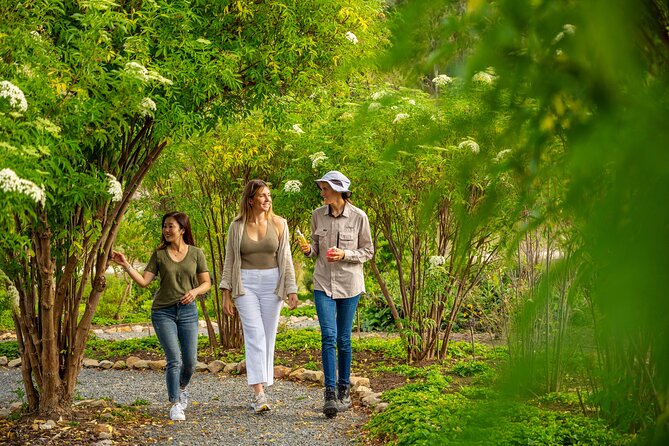
The Adelaide Hills location matters, too. You’re not stuck in a showroom. You’re outside, moving through a working biodynamic farm. That changes the tone. Instead of hearing general skincare talk, you get to see how the garden is set up and how the farm supports healthy plants.
You can also read our reviews of more tours and experiences in Adelaide.

The tour rhythm with a Jurlique Ambassador (and why it matters)
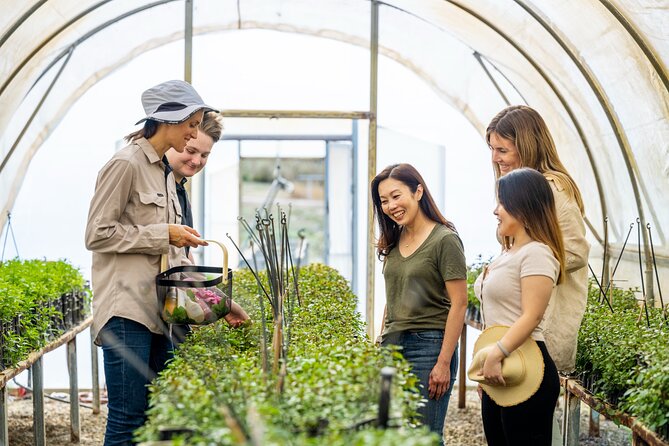
You’ll meet at Jurlique Farm, 31 Liebelt Rd, Biggs Flat SA 5153 and spend about 1 hour 30 minutes on the guided route. The tour is run by a Jurlique Ambassador, and that’s more than a title. The flow stays easy to follow, with time to ask questions and absorb what you’re seeing.
One detail I think is underrated: the tour pace is built to work for different visitors. If you’re traveling alone, you’re not left awkwardly on the edge. The experience is interactive enough that solo visitors can still feel included, without the tour feeling like a lecture you have to survive.
Stop 1 at Jurlique Farm: your walk through the ingredient pipeline
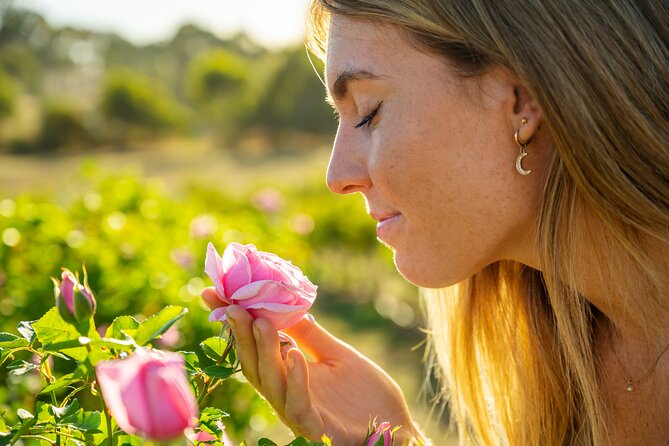
Everything in this experience centers on one stop—Jurlique Farm—so you don’t have to worry about switching locations or fitting in multiple drives. What you will see is a sequence that mirrors how ingredient sourcing becomes a skincare ingredient story.
Here’s how it tends to feel, step by step:
A quick history that sets context
The tour begins with the history of Jurlique, which helps connect the brand to the place you’re standing in. It’s useful because it frames why the company cares so much about what happens in the fields, not just the final product.
Seedlings, propagation, and why the start matters
Next up is how seedlings and plants are propagated. This is where the tour stops being generic and becomes practical. You’ll learn that healthy plants don’t start in the harvest bin—they start earlier, with how new growth is started and managed.
Even if you’re not a gardening person, this part clicks because it explains the logic behind consistency. Plants don’t all behave the same way, so propagation methods help you stay on track.
Plant varieties and what they’re used for
Then you get plant varieties and their uses. This is where your skincare interest gets a real-world grounding. The tour doesn’t just name plants—it connects the role of botanicals to how they show up in the product ecosystem.
Biodynamic farming principles, explained in human terms
After that, the tour tackles biodynamic farming principles. The goal here isn’t to turn you into a farming expert. It’s to show how biodynamic ideas influence day-to-day choices, from soil management to how plants are supported.
If you’ve ever wondered why farms talk so much about soil health, this section is the answer in a way you can understand while you’re still looking at the ground.
Soil fertility and compost production
This leads into soil fertility and compost production. For many visitors, this is the part that feels most meaningful. Soil is the foundation, and compost is the tool that helps feed that foundation over time.
When a tour includes compost production, it signals that this isn’t just sightseeing in a pretty garden. It’s tied to how the farm stays productive season after season.
Harvest process: where ingredient quality begins
Finally, you’ll see the harvest process. This is the moment where the tour becomes ingredient-focused again. Harvest isn’t just picking plants—it’s timing, handling, and making sure the raw material is in good shape before it ever reaches further processing.
This is one of the best sections for understanding why the earlier steps matter. If propagation and soil care are done thoughtfully, the harvest is smoother and the plant material is healthier.
What you may experience in the garden: botanicals you can actually use
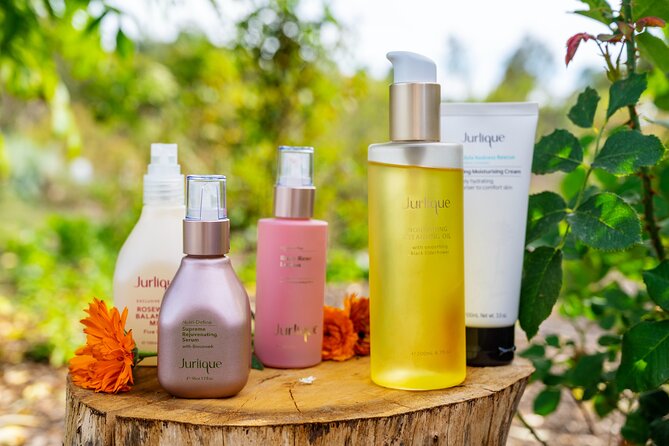
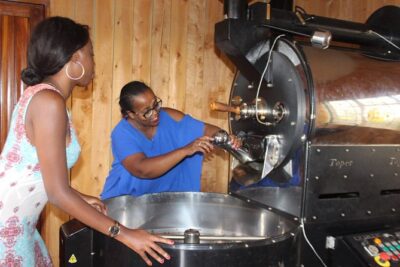
The most memorable part for many people isn’t just what’s explained—it’s what you get to experience. Some visitors mention that the tour is interactive with botanicals and that you can try a few products in the garden.
That matters because it links the theory to senses: you see a plant, then you connect it to what you’d recognize in skincare. If you’re the kind of traveler who likes experiences where information sticks, this garden-to-sense connection helps.
One practical note: if you have skin sensitivities or strong preferences about product types, it’s wise to be cautious with any sampling included during the visit.
Group size, tickets, and why 90 minutes is a sweet spot
The tour has a maximum of 50 travelers, which keeps things from turning into a crowded shuffle. It’s still a group experience, but the limited size is one reason the guidance can stay responsive.
You also get a mobile ticket, which makes entry easier if you’re already juggling other plans in Adelaide. Confirmation is received at booking time, and the format keeps the experience straightforward.
The duration—about 1 hour 30 minutes—is long enough to cover the major farm topics without dragging. If you’re also visiting other spots in the Adelaide Hills, you’ll find it fits neatly into a half-day rhythm.
Price and logistics: what to plan so the day stays easy
Let’s keep this practical. The tour costs $28.69 per person and includes the guided farm tour ticket. What’s not included is transfers, so you’ll need to handle your own ride to Biggs Flat.
That affects value in a simple way: if you’re staying nearby and can drive or arrange transport easily, you’re getting a good deal. If you’re far away, the time and transport cost can be the deciding factor, not the ticket price.
Here’s how to set yourself up:
- Leave time to arrive at Jurlique Farm before your start
- Bring layers for outdoor walking, since weather in the Adelaide Hills can change
- Bring a water bottle if you run warm on walks (nothing is stated as provided)
Who this tour is best for (and who might skip it)
You’ll likely enjoy this most if:
- you care about natural skincare ingredients and want to see where they come from
- you like botanical gardens but prefer a tour with real farming context
- you want a short, guided nature activity in the Adelaide Hills
It may not be the best fit if:
- you’re looking for multiple locations or a multi-stop itinerary
- you need long, unstaged downtime rather than a structured walk
- you want something focused purely on scenery, without a farm-and-process angle
Should you book the Jurlique Farm Tour?
My take: if your interest is ingredient sourcing, biodynamic farming basics, and a guided farm walk with hands-on moments, this is a smart booking. The 90-minute format works well, the group size stays controlled, and the focus on soil, compost, propagation, and harvest gives you more than a surface tour.
I’d skip it only if transport is a headache for you or you’re already maxed out on farm and garden experiences. Otherwise, this is the kind of place where you leave with a better mental map of how nature turns into a product story.
FAQ
How long is the Jurlique Farm Tour?
The tour lasts about 1 hour 30 minutes.
What is included in the ticket price?
Your ticket includes a 90-minute guided farm tour with a Jurlique Ambassador.
Where does the tour start?
The meeting point is Jurlique Farm, 31 Liebelt Rd, Biggs Flat SA 5153, Australia.
Do I need my own transport to the meeting point?
Yes. Transfers to and from the meeting point are not included.
Is the ticket digital?
Yes. It’s a mobile ticket.
What’s the group size limit?
The tour has a maximum of 50 travelers.
Can service animals attend?
Yes. Service animals are allowed.
Is free cancellation available?
Yes. You can cancel for a full refund if you cancel at least 24 hours before the experience starts.