REVIEW · HILO
Big Island: Volcanoes, Waterfalls, & Coffee Farm Day-Trip
Book on GetYourGuide →Operated by Wasabi Tours Hawaii · Bookable on GetYourGuide
A full Big Island day, tightly packed. This trip links waterfalls and an active volcanic landscape with a real Kona coffee farm, so you see far more than a typical drive. I love the mix of big photo stops (Waipio, Akaka, Rainbow) with on-foot moments like the rainforest paths and a crater-rim stroll. One drawback: it’s a long 11-hour day with limited downtime, so you’ll want comfy shoes and patience for constant motion.
What makes it work is the guidance. Guides such as Kawiki, Chris, Mia, Henry, Felix, and Justin are repeatedly praised for turning the ride between stops into part of the fun, with local context and story-driven explanations. You’ll also get breaks, snacks, and drinks to keep the pace bearable.
In This Review
- Key things I’d plan around
- Why this Big Island day trip feels like a shortcut
- Hotel pickup and the start of your day in Kona and Waikoloa
- Waipio Valley lookout: the first “stop the van” moment
- Hamakua Coast to Akaka Falls: rainforest walking, not just sightseeing
- Rainbow Falls: fast, famous, and worth the stop
- Punalu’u Bake Shop and Bay View Farm: snacks and coffee education
- Hawaii Volcanoes National Park: steam vents, craters, and a real hike
- Punalu’u Black Sand Beach: turtles, lunch time vibes, and ocean drama
- Sunset drive by South Point and Kealakekua Bay
- Guides make or break a long day (and this one has strong ones)
- What to pack: simple stuff that makes the day easier
- Price and value: is $264 per person worth it?
- Who should book this tour, and who should skip it
- Should you book this day trip?
- FAQ
- How long is the Big Island Volcanoes, Waterfalls, and Coffee day trip?
- Where does hotel pickup happen?
- What’s included in the price?
- Is there an age limit?
- What should I bring?
- Does the tour run rain or shine?
- Is it suitable for cruise ship guests or people with mobility impairments?
Key things I’d plan around
- Waipio Valley lookout timing: the best views land early, then the day keeps rolling toward Akaka and Rainbow Falls
- Rainforest waterfall walking: you’re not just parking for photos; you’ll step into the mist and greenery
- Volcanoes National Park highlights: steam vents, Halema’uma’u, Kilauea Iki crater lookouts, plus a short hike on the crater rim trail
- Black sand turtles at Punalu’u: you get a focused stop with wildlife viewing built in, not tacked on at the end
- Kona coffee farm visit: you’ll learn the harvesting and milling process and sample coffee grown right on the island
Why this Big Island day trip feels like a shortcut
On the Big Island, the distances are real. If you try to DIY this route, you’ll spend hours figuring out turns, parking, and what’s worth your time at each stop. This tour is built to reduce that stress: you’re picked up across the Kona/West Hawaii resort areas and then shuttled from ecosystem to ecosystem in one long day.
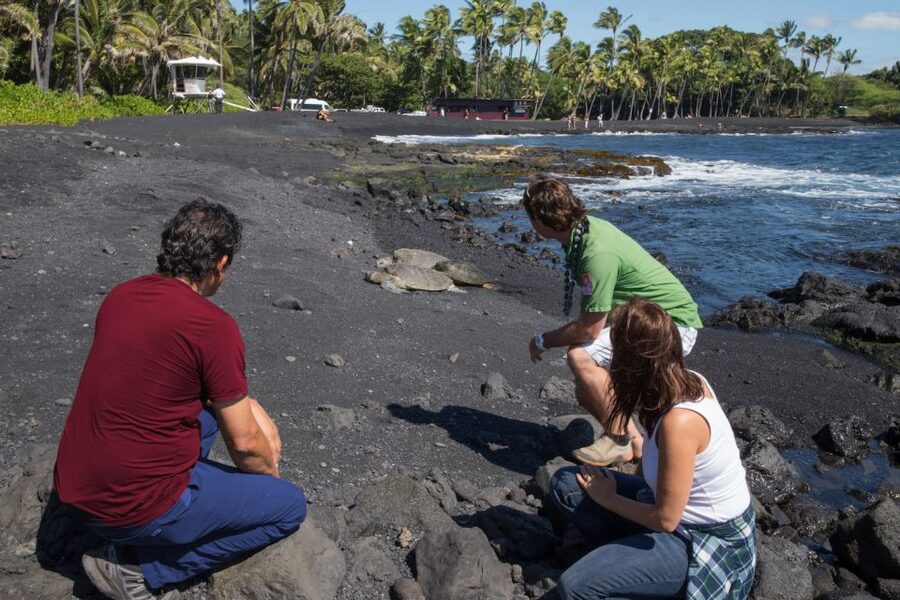
The “best of both worlds” part is the blend. You get water—towering falls and cliffside valleys—and you get fire—active-volcano scenery in Hawaii Volcanoes National Park. In between, you add culture and taste, starting with a Kona-area coffee farm and ending at Punalu’u Black Sand Beach for a chance at one of the island’s most charming wildlife moments: green sea turtles.
Just know the tradeoff. It’s not a calm, leisurely day. You’ll be moving from stop to stop, and most locations are timed for a good look rather than extended wandering. If you like your travel slow and flexible, plan to save more open time for the places that call you hardest.
You can also read our reviews of more tours and experiences in Hilo.
Hotel pickup and the start of your day in Kona and Waikoloa
Pickup is offered from a wide range of major hotels in Keauhou, Kona, Waikoloa, and the Kohala Coast. If you’re staying at a vacation rental, you’ll need to confirm the exact pickup location and time with the supplier. The stated practical note: you should allow up to 15 minutes after the scheduled time for pickup.
That matters because this tour is paced tightly. The schedule depends on getting you to the morning highlights before the day gets too hot and the lookout views turn into a glare fest. Once you’re in the van, you’ll likely spend your time with the windows up, scanning for coastal changes—Hamakua’s scenery shifts fast as you go.
If you’re the type who likes to start early with coffee and snacks already sorted, do it. Lunch and drinks are included, along with snacks, but you’ll still feel better if you’re not scrambling for breakfast the moment your driver shows up. Closed-toe shoes are also a must since you’ll do short walks at multiple stops.
Waipio Valley lookout: the first “stop the van” moment
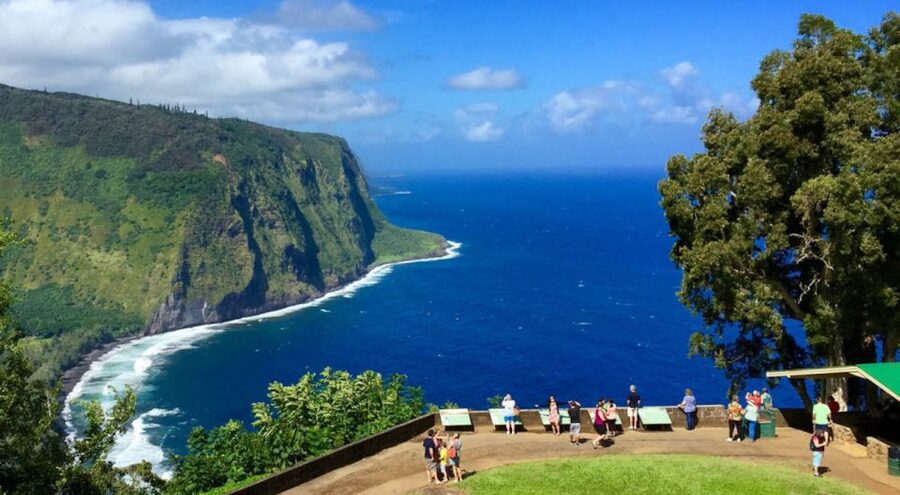
Waipio Valley is one of those places that does not need a lot of explanation. The viewpoint frames lush cliffs dropping toward the blue ocean, and the scale hits you immediately—especially if you’re used to flat coastlines back home.
This stop is brief but intentional: it’s scheduled as a photo stop with time to take in the view from the lookout. In a day packed with waterfalls and volcano scenery, Waipio works as the dramatic palate cleanser. You’re going from water’s edge to vertical cliffs, then you move on to rainforest falls and coastal valleys that feel like a different world.
The main consideration here is comfort. Even at a lookout, wind and bright sun can make things uncomfortable for long. Bring sunglasses and keep an eye on your footing around any uneven areas near viewpoints. If you’re sensitive to heat, hats are handy too—just don’t forget that the itinerary expects you to keep moving.
Hamakua Coast to Akaka Falls: rainforest walking, not just sightseeing
After Waipio, the route continues along the Hamakua Coast—one of those drives where the coast keeps surprising you with changes in vegetation and ocean views. Think of it as your transition from valley drama into waterfall country.
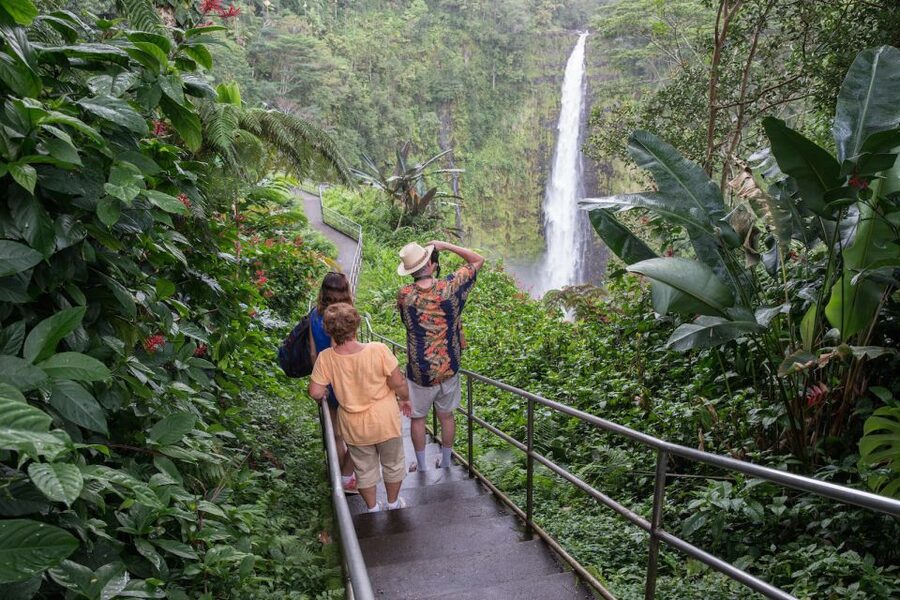
Then comes Akaka Falls State Park. Here you’ll get both a photo stop and a walk through the rainforest, plus time to explore on your own. This is the moment where the tour shifts from “look from a distance” to “feel the mist and see the details.” You’ll be moving along paths that give you a closer perspective on how the falls interact with the surrounding vegetation.
Practical note: the park walk can be slick, even if conditions look fine from the van. Closed-toe shoes help, and it’s smart to keep your footing in mind on any wet stone. If you hate rushing, this part is still manageable—because you’re not just passing by; you’re given a short window to slow down and soak in the air that makes waterfall areas feel alive.
Rainbow Falls: fast, famous, and worth the stop
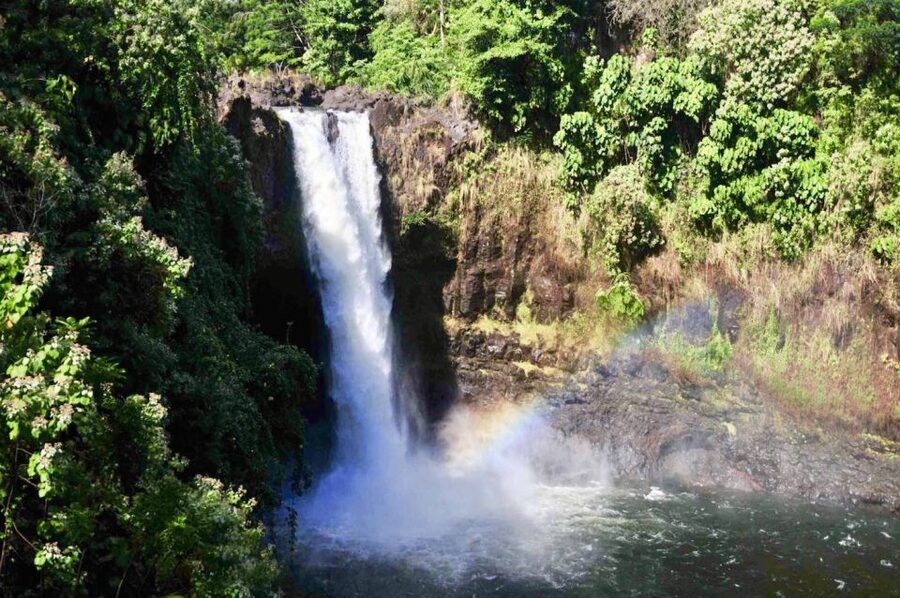
Rainbow Falls is on the schedule as a photo stop with sightseeing time. That might sound too short on paper, but it’s exactly the right kind of stop in a day like this. You’ll likely hit it when the lighting and mist cooperate best, which is what makes rainbow-like effects possible.
This is also a good example of how the tour handles pacing. You get longer, more active time at Akaka, then you get a shorter hit of another headline waterfall. It keeps the day from bogging down in one spot while still covering the Big Island’s most recognizable fall scenery.
If you really care about waterfall photography, arrive ready. Keep your camera settings simple, watch the direction of the light, and be ready to move quickly when you’re offered a good viewing window.
Punalu’u Bake Shop and Bay View Farm: snacks and coffee education
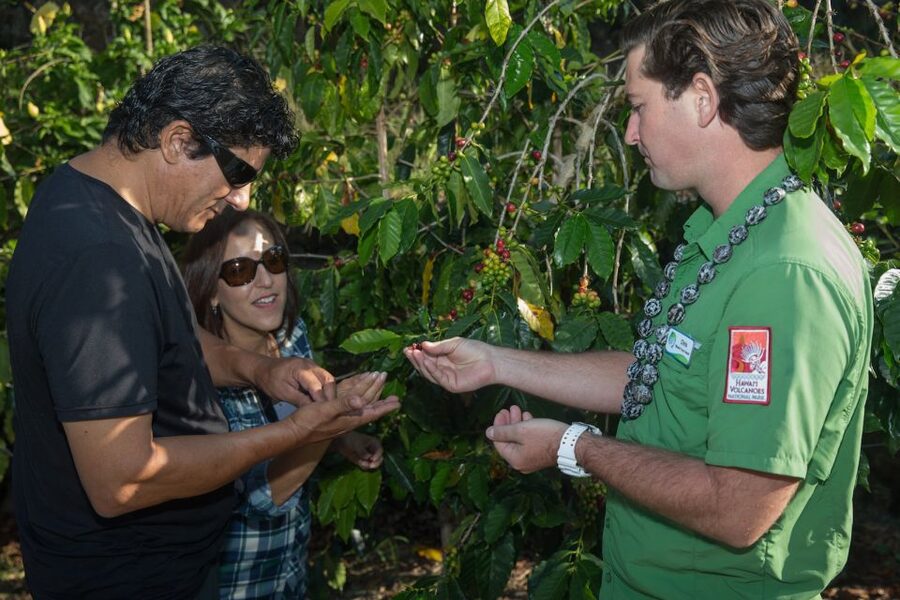
A big part of why this tour gets such consistent praise is that it doesn’t treat food like an afterthought. You stop at Bay View Farm for a coffee farm experience with time for shopping, sightseeing, and a coffee tasting (about 40 minutes). Then later there’s time at Punalu’u Bake Shop for free time, shopping, and food tasting (about 20 minutes).
At the coffee stop, expect an actual guided tour experience: you’ll learn how coffee is harvested and milled, then sample a warm cup of Kona-grown coffee. The point isn’t just the taste—it’s understanding why Kona coffee is talked about with reverence on the island. Even if you’re not a coffee snob, the process makes the flavor feel more real.
If you like to eat as you travel, these breaks help you reset. The tour includes lunch and drinks, plus snacks throughout the day, but having built-in stops for local tasting keeps the day from becoming one long wait between meals.
Hawaii Volcanoes National Park: steam vents, craters, and a real hike
In the afternoon, you head into Hawaii Volcanoes National Park—one of the most meaningful spots on the island for understanding what’s shaping the land around you. This part of the day is scheduled for a guided tour, plus scenic drives and a walk/hike.
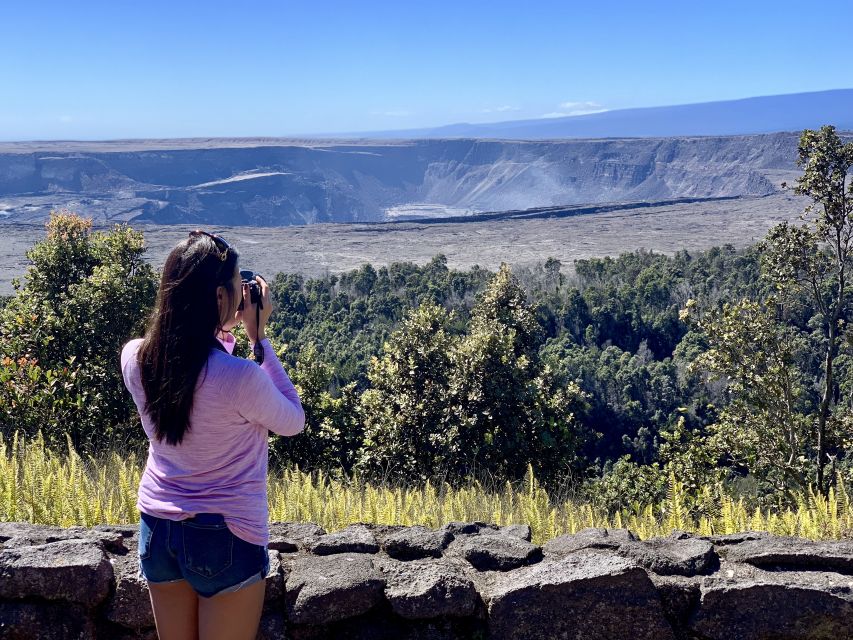
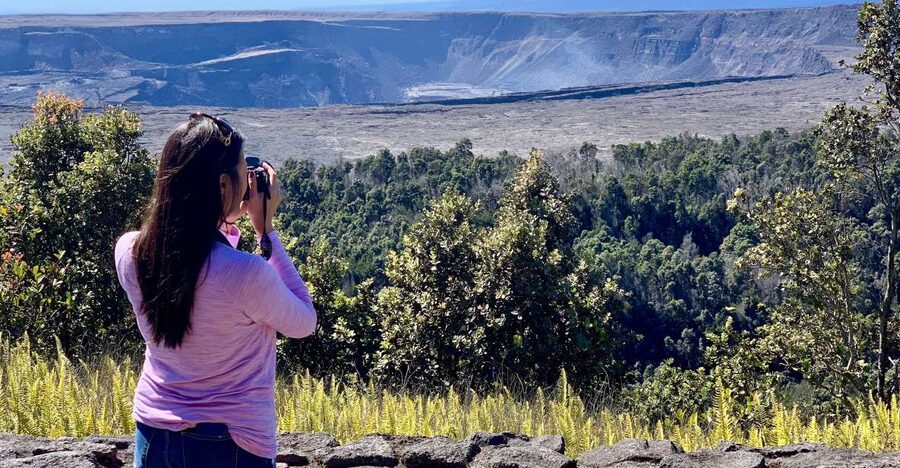
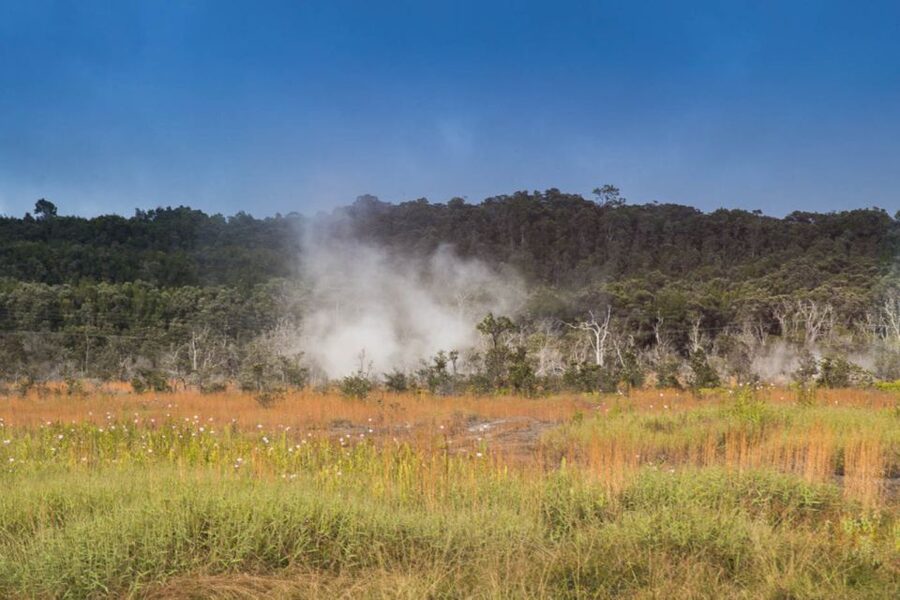
You’ll see steam vents and crater area scenery, including the Halema’uma’u area and Kilauea Iki crater lookouts. And yes, there’s a short hike on the crater rim trail, which is where the tour becomes more than a series of photo stops. It’s a chance to feel the scale of the volcanic terrain from near enough to notice texture changes in the ground and the way the park’s views are layered.
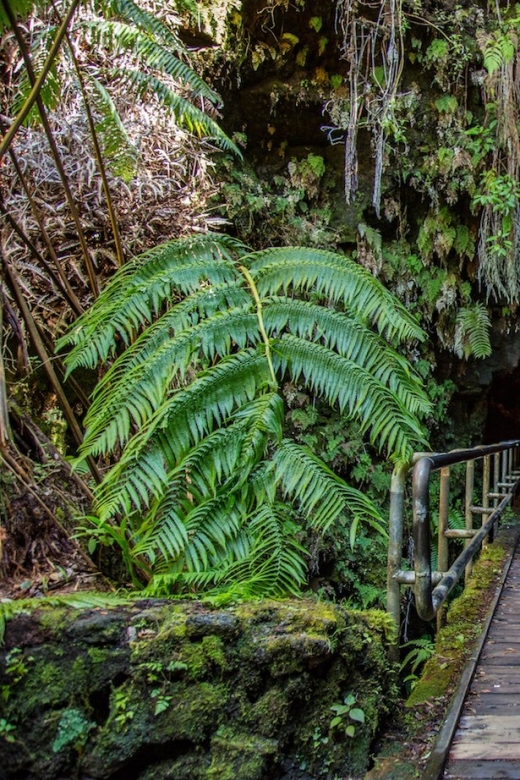
You’ll also walk through an ancient lava tube, which adds variety to the “active volcanic” theme. A lava tube is the kind of stop that makes the Big Island feel physical, not just scenic. One day may be perfectly misty; another day may feel brighter and drier. Either way, the terrain itself tells the story.
The one consideration: conditions in the park can be variable. Even when the day is warm, crater areas can feel cooler or windy. That’s why the tour includes jackets—use them when needed. Closed-toe shoes matter here even more than you’d think.
Punalu’u Black Sand Beach: turtles, lunch time vibes, and ocean drama
After volcano scenery, the day pivots back toward the ocean. Punalu’u Black Sand Beach is scheduled as a photo stop and visit, with lunch/picnic time and a wildlife viewing window (about 50 minutes).
This is where the tour tries to deliver on a Big Island “wow” that doesn’t require big effort from you. You’re not hiking down cliffs or chasing complicated routes. You’re stopping at a place known for green sea turtles, and you’re given time to watch patiently from shore.
Keep your expectations grounded. Wildlife sightings can never be guaranteed, but the viewing time here makes a difference. It’s long enough to notice movement, and it gives you time to step back, scan calmly, and capture photos only when it makes sense.
Also: the black sand isn’t just a gimmick. It changes the feel of the beach—light reflects differently, and the contrast makes ocean scenes pop. If the day has been mostly green rainforest and gray volcanic rock, this is a distinct color reset.
Sunset drive by South Point and Kealakekua Bay
The return route is part of the experience. You’ll see views of South Point, the southernmost point of the United States, and also Kealakekua Bay as the day winds down toward sunset.
This is a softer finale than volcano craters and waterfalls, but it’s a smart one. After so many “high intensity” nature stops, this leg gives you time to breathe—mostly scenic driving with photo opportunities, not physical exertion.
If you care about light for photos, keep your camera ready as the sky shifts. Sunset can happen fast, especially near coasts where clouds roll in and out. Your guide and driver may offer photo stops if conditions are good, so listen closely during this stretch.
Guides make or break a long day (and this one has strong ones)
A day trip like this lives or dies on the guide. And the pattern in the praised guide feedback is clear: the guides bring structure and energy, with explanations that connect the dots between places.
If you end up with a guide like Kawiki/Kawika, Chris, Mia, Henry, Felix, or Justin, you’re likely to get:
- clear storytelling on how the land formed,
- practical directions at each stop,
- and help with timing so you don’t feel like you’re missing the best moments.
That’s not a small thing. When you’re on a schedule, you need someone to keep you moving while also making the stops feel meaningful. Many guides also help with group pace so the longer walks don’t turn into a scramble.
What to pack: simple stuff that makes the day easier
The tour is straightforward about essentials: bring a jacket and closed-toe shoes. That’s not just for fashion—Hawaii Volcanoes National Park and shaded rainforest stops can feel cooler or damp, and crater areas can be uneven.
Beyond that, here’s what I’d add because this day is long:
- sunglasses and sun protection for lookout and beach hours,
- a small day bag for water/snacks you might want in between,
- and a light layer even if you think you won’t need it.
Lunch and drinks are included, along with snacks. You’ll also have breaks at scheduled stops, but the itinerary still expects you to keep going. Bring a mindset that says you’re there to see a lot, not to linger in one spot all day.
Price and value: is $264 per person worth it?
At $264 per person, this is not a cheap “sit back and relax” tour. But it’s also not just transportation. You’re paying for a guided route that stacks together:
- multiple waterfall and lookout stops,
- Hawaii Volcanoes National Park admissions,
- guided touring inside the park,
- a coffee farm experience with tasting,
- lunch and drinks,
- plus snacks and even jackets.
The value angle is simple: you’re buying time and logistics. The Big Island’s highlights are spread out, and doing all of this yourself would likely take two full days (or turn into a rushed driving marathon). Here, your schedule is the product.
Is it perfect value for everyone? No. If your idea of a vacation is to sleep in, take one long hike, then call it a day, you may feel squeezed. But if you want a strong first look at the island—volcanoes, waterfalls, ocean wildlife, and Kona coffee—this price starts looking fair.
Who should book this tour, and who should skip it
This tour fits best if you’re moderately active and comfortable with short walks on uneven ground. It’s also geared toward people who want a guided overview and don’t want to plan a multi-stop route.
It’s not suitable for:
- children under 5,
- people with mobility impairments,
- people with low fitness,
- hearing-impaired people,
- cruise ship guests.
If you’re traveling with anyone who struggles with long days, keep that in mind. Even though each stop gives you some breathing room, the day stays full from pickup to drop-off.
If you’re visiting the Big Island for the first time and you don’t have a lot of extra days, this is a strong “get your bearings fast” option. For repeat visitors, it can still work well if you want a high-hit tour without renting a vehicle and trying to time multiple parks yourself.
Should you book this day trip?
If you want one day that checks off the Big Island’s signature sights—Waipio Valley, Akaka and Rainbow Falls, Hawaii Volcanoes National Park, Punalu’u black sand turtles, and Kona coffee—then yes, I’d book it. The long hours make sense because the itinerary is designed to reduce driving stress while still giving you real walks and tastings, not just roadside viewpoints.
Skip it if you hate long schedules, need lots of rest between stops, or you’re looking for an easy, mostly sitting-around experience. In that case, you’ll enjoy the island more by choosing fewer destinations and spending more time at each one.
FAQ
How long is the Big Island Volcanoes, Waterfalls, and Coffee day trip?
The tour duration is 11 hours.
Where does hotel pickup happen?
Pickup is included from major hotels in Keauhou, Kona, Waikoloa, and the Kohala Coast. If you’re staying at a vacation rental, you’ll need to confirm the exact pickup time and location with the supplier.
What’s included in the price?
Lunch and drinks, snacks, park admissions, and jackets are included.
Is there an age limit?
Yes. Age 5 and above is required.
What should I bring?
Bring a jacket and closed-toe shoes.
Does the tour run rain or shine?
Yes, the tour runs rain or shine, and refunds won’t be given for closures or itinerary changes out of your control.
Is it suitable for cruise ship guests or people with mobility impairments?
No. It is not suitable for cruise ship guests, and it’s also listed as not suitable for people with mobility impairments.