REVIEW · HILO
Big Island Hawaii: Craft Chocolate Tasting and Farm Tour
Book on GetYourGuide →Operated by Honolii Orchards · Bookable on GetYourGuide
Chocolate gets serious fast. This Big Island session at Honolii Orchards mixes farm views with expert talk, including what’s happening in the fermentation room. On top of that, you’ll meet guides like Wren, who makes the whole cacao story click, and Jude, who keeps the tasting moving.
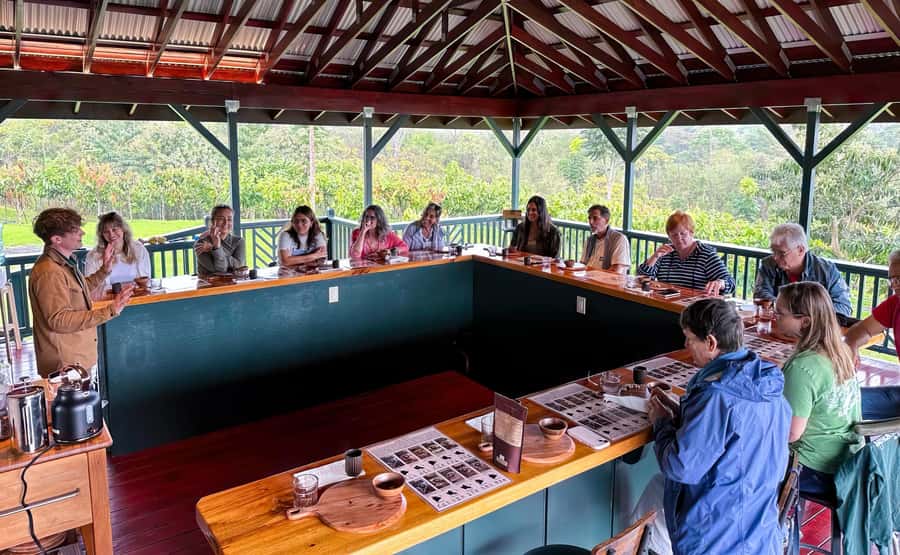
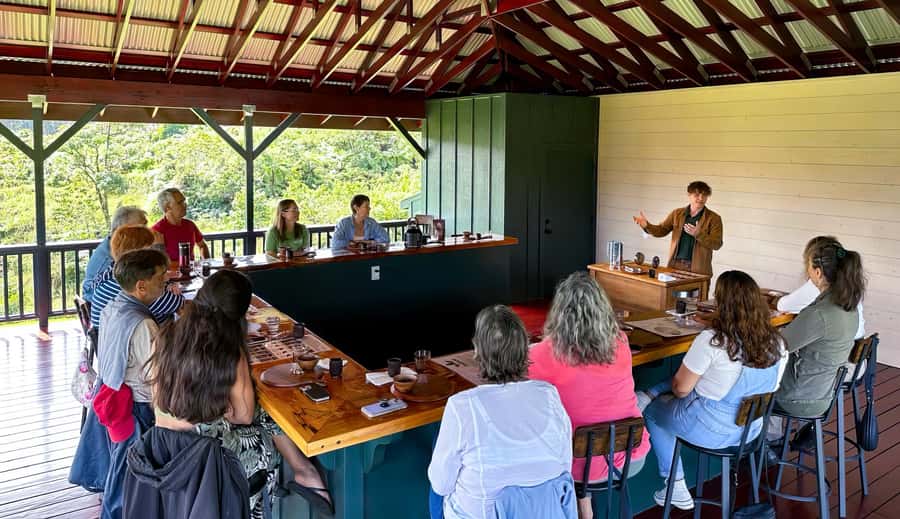
I really like two things here. First, the tasting starts in an airy room with ocean and valley views you can actually relax in. Second, you get a focused flight of 10 single-origin bars, plus extras like cacao juice and roasted beans that show you flavor before it ever becomes chocolate.
One thing to consider: plan your ride. After the tour, getting an Uber can take a while, and the farm experience involves time on your feet, plus it’s not suitable for children under 9.
In This Review
- Key things you’ll notice on this chocolate farm tour
- Where craft chocolate starts: Honolii Orchards near Hilo
- Getting there via Google Maps: finding 1533 Puia Rd without stress
- First stop: the tasting room with real views and an easy start
- The orchard walk: cacao tree to harvest, with you asking the questions
- The fermentation room: where flavor really becomes real
- Chocolate history, then craft vs mass: a lesson that sticks
- The tasting flight: at least 10 single-origin bars plus cacao treats
- How much time this takes (and how to plan your day)
- Price and value: is $130 worth it?
- What to buy after: bring home the flavors you found
- Should you book this craft chocolate farm tour?
- FAQ
- How long is the Honolii craft chocolate tasting and farm tour?
- What’s included in the tasting?
- Can I purchase chocolate after the tour?
- Is the tour suitable for children?
- What language is the tour guide?
- Where is the meeting point?
Key things you’ll notice on this chocolate farm tour
- Backroads to Puia Road: you drive toward Honolii Orchards in a way most visitors don’t
- A tasting room above the orchard canopy with wide ocean and valley views
- Orchard-to-fermentation education: cacao cultivation, harvest, then the critical fermentation step
- Taste widely, not randomly: at least 10 single-origin craft chocolate bars from across the Hawaiian Archipelago
- You’ll try cacao in multiple forms: fresh cacao juice, roasted beans, cacao tea, and more farm snacks
- Expert-led, question-friendly guides: Wren and Jude bring the science and the story in plain language
Where craft chocolate starts: Honolii Orchards near Hilo
If your idea of chocolate is mostly a candy bar, this tour gives you a new baseline. At Honolii Orchards, chocolate isn’t a flavor. It’s an entire farming and processing pipeline, from cacao trees to fermented beans to finished bars.
The setting helps. You’re only about 5 minutes from Hilo, but once you start up Puia Road and get above the orchard canopy, the mood changes. You’re in a working farm that also sits next to other land uses—breadfruit, sugarcane, macadamia, and cattle land—so the place feels like part of real island agriculture, not a theme park.
You also get an experience tone that’s more like a guided workshop than a quick stop. The flow is paced, you’re encouraged to ask questions, and you’re not rushed through buzzword facts. If you’re the kind of person who enjoys learning how food is made, you’ll like the way they connect farming decisions to tasting results.
You can also read our reviews of more tours and experiences in Hilo.
Getting there via Google Maps: finding 1533 Puia Rd without stress
The meeting point is listed as 1533 Puia Rd, and the easiest route is to use the Google Maps pin they provide. From Paukaa (Hawaii 96720), you turn off Mamalahoa Highway onto Kulana Street, pass through Paukaa Town, then head to Puia Road.
One practical detail matters: Puia Road may be mislabeled as Woa Road on some maps. Follow Google Maps street names and ignore private road signage you see along the way. The final approach is about 1.7 miles up Puia Road—think a short drive, not a hike, but enough winding road to make navigation worth getting right the first time.
When you arrive, look for the green gate on the left with a large vinyl sign marking the entrance. It’s the kind of spot where being on-time is easier than trying to locate it last minute.
First stop: the tasting room with real views and an easy start
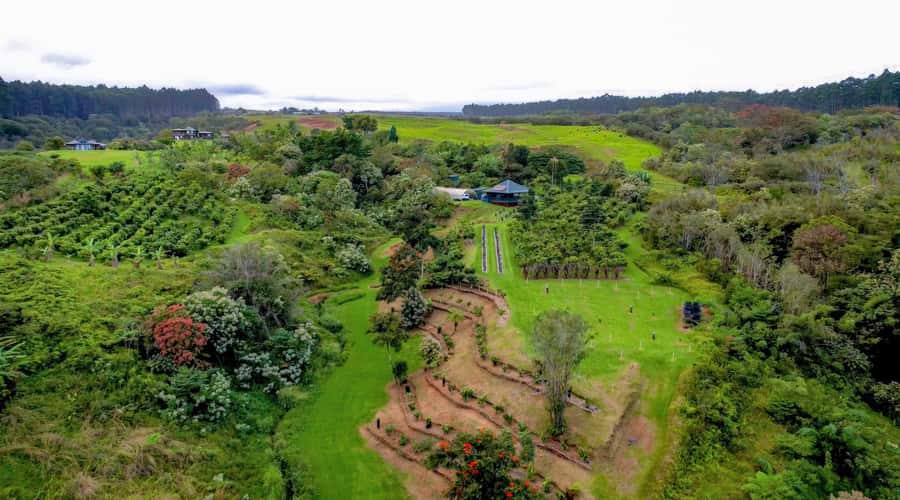
Before you walk any further, you settle into the tasting room. It sits above the orchard canopy, so you get broad ocean and valley views while you’re getting oriented. That matters more than it sounds. In this kind of food tour, you’re about to taste a lot, and a calm start helps you focus on what’s changing between bars.
The tour begins with casual conversation. That isn’t filler. It helps you understand your guide’s approach and gives you a chance to ask early questions about cacao growing, fermentation, or craft vs mass chocolate. Guides like Wren and hosts like Jude are good at adjusting their explanations so you don’t have to translate everything in your head.
The vibe is: relax first, then get precise.
The orchard walk: cacao tree to harvest, with you asking the questions
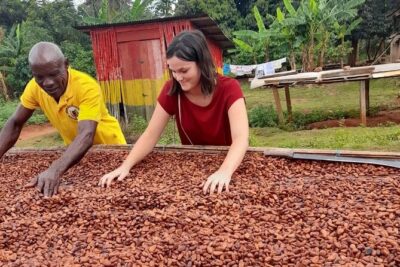
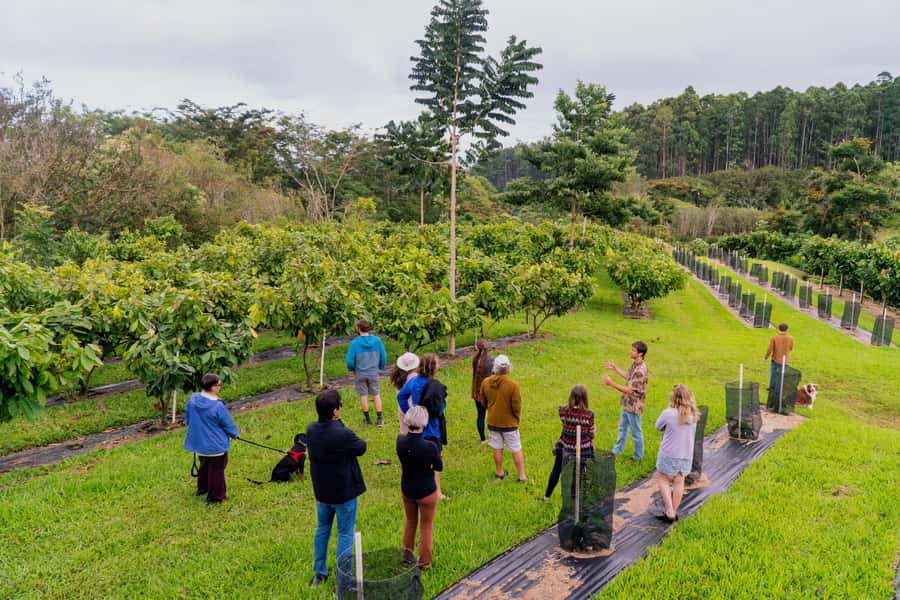
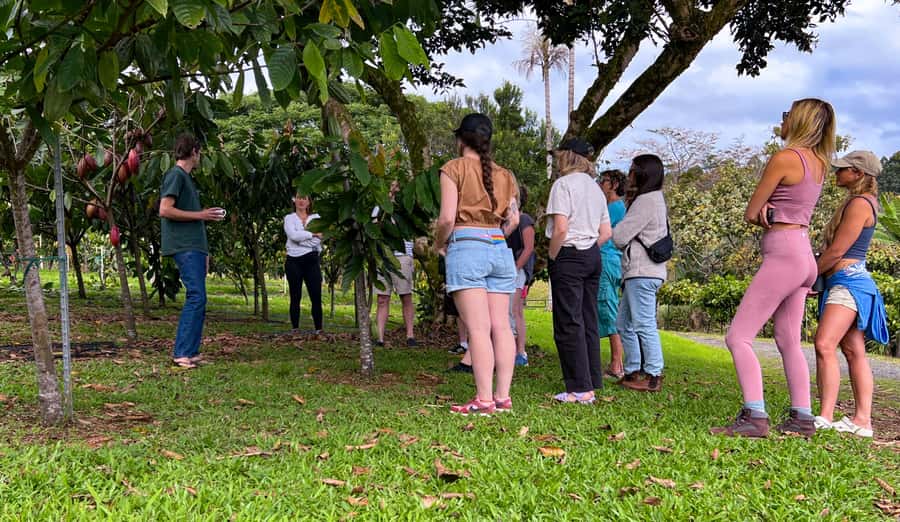
Next comes the orchard tour around the cacao trees themselves. This is where the experience turns from tasting to meaning. You’ll learn the journey of the cacao tree—from cultivation and harvesting to the fruit itself and what happens after it’s picked.
A big part of the value here is how they connect plant life to processing outcomes. Cacao isn’t just “beans.” The pods, timing, and how the fruit is handled all influence the final flavor. That’s why it’s useful to see the tree and pod stage in person before you taste anything in a bar.
They also broaden the setting beyond cacao. You’ll hear about regional agricultural history, including the once-booming sugarcane industry that helped shape the Hamakua Coast. And because the farm sits within a wider mix of land uses—breadfruit, sugarcane, macadamia, and cattle—you get a sense of how farming works on the island: multiple crops, shared labor, and changing economic realities.
What to do with your questions: if you’re curious, ask. They actively invite curiosity, and the best conversations tend to happen when you connect something you notice in the orchard to what you’re going to taste later. If fermentation sounds mysterious, ask early. If you wonder why craft chocolate tastes different even when it comes from the same region, ask that too.
The fermentation room: where flavor really becomes real
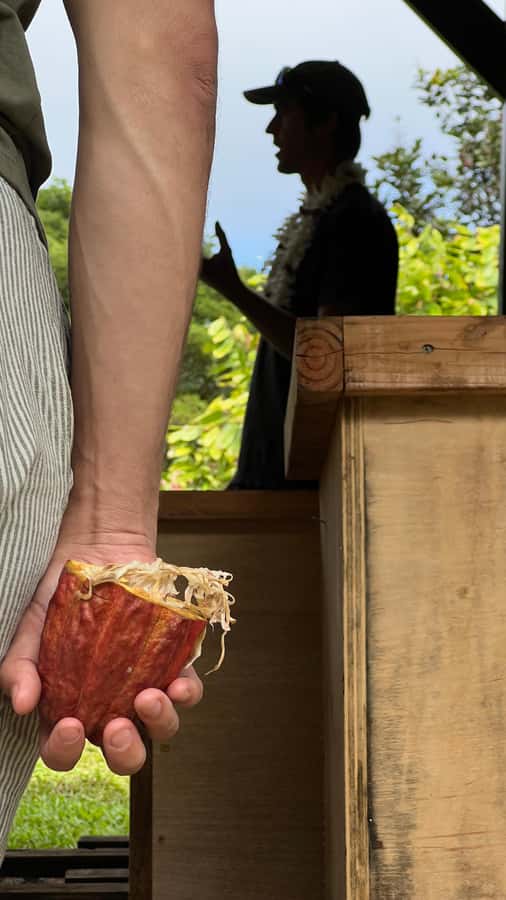
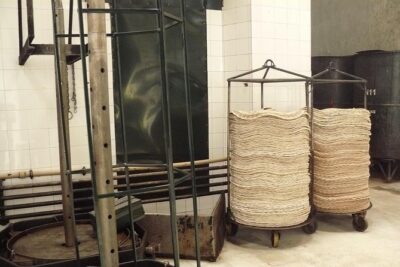
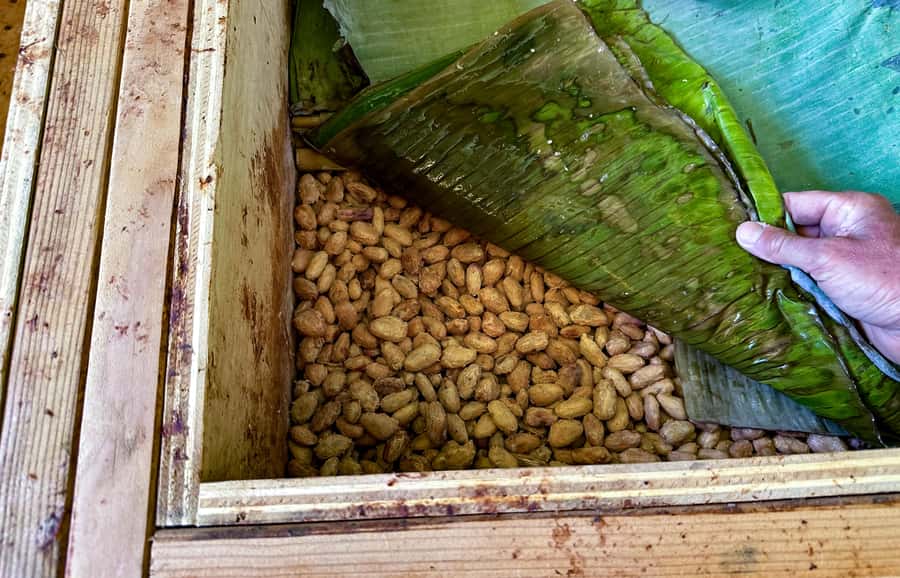
After the orchard walk, you’ll head to the fermentation room. This is one of the most important stops on the schedule because fermentation is where cacao flavor gets shaped.
From a practical food-nerd view, fermentation is the bridge between raw cacao and the chocolaty aromas you recognize. They walk you through the post-harvest processing step and explain why it’s critical for quality. In craft chocolate, fermentation isn’t a checkbox; it’s a control point.
This portion is especially valuable if you ever wondered why two chocolates labeled “single-origin” can taste wildly different. Fermentation decisions—how long, how conditions are managed, how the beans are handled—can shift flavor direction in big ways. Seeing the fermentation setup helps you understand that craft chocolate is built with attention at every stage.
If you like learning how science affects taste, this is your moment.
Chocolate history, then craft vs mass: a lesson that sticks
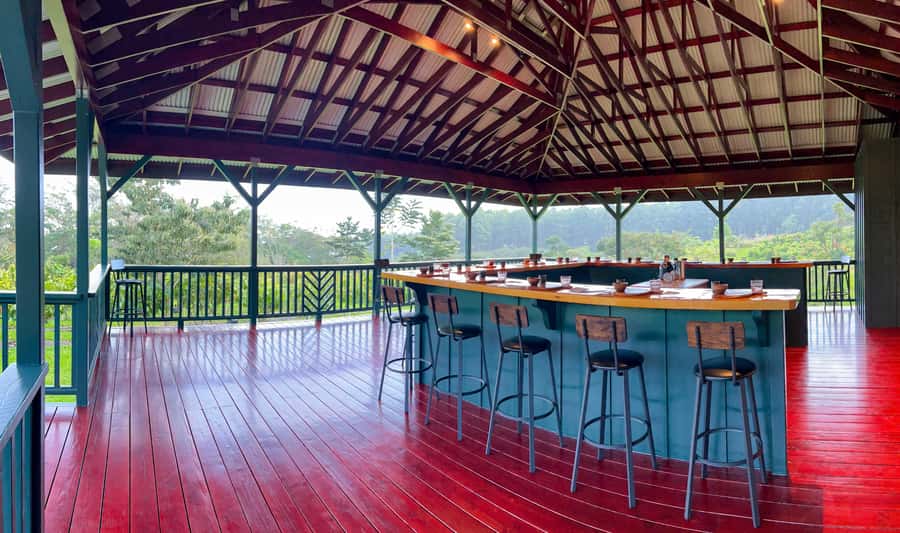
Once you’ve gone from tree to fermentation, the tour shifts into chocolate history. They trace chocolate origins from ancient Mesoamerica to today’s craft chocolate movement, then help you understand what’s different between craft chocolate and mass-produced chocolate.
This part works because you already have context. After the orchard and fermentation talk, “history” stops being abstract. You can connect the evolution of chocolate to changes in farming, processing, and consumer expectations.
They also frame craft chocolate in a way that’s more useful than slogans. Instead of just saying craft is better, they focus on why craft methods reveal differences—especially differences created by terroir.
You’ll hear the terroir idea explained like wine: genetics, soil, and climate combine to form distinct flavor profiles. In other words, you’re not just tasting sweetness and chocolate. You’re tasting a specific set of conditions and choices.
The tasting flight: at least 10 single-origin bars plus cacao treats
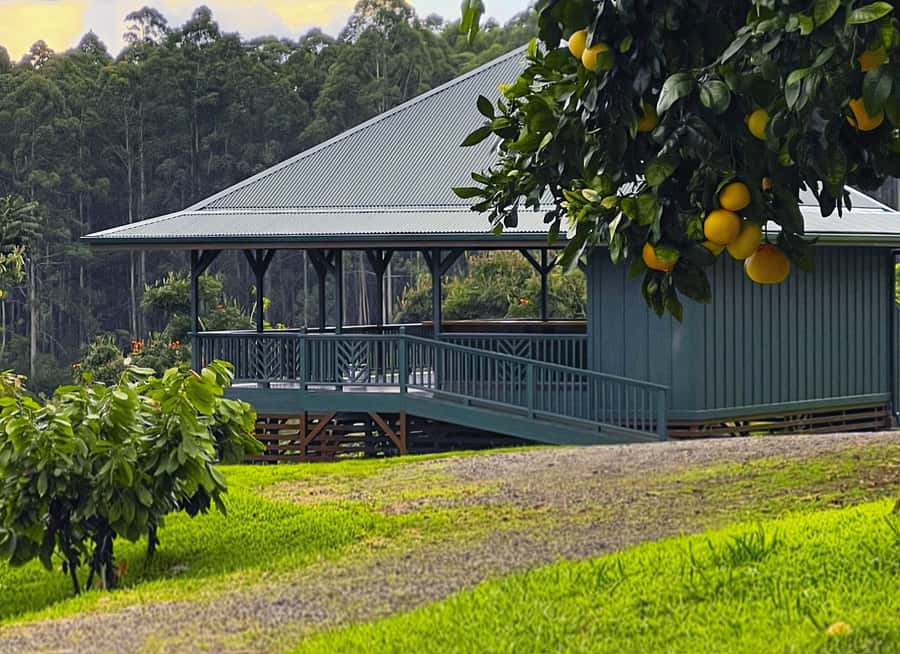
Now comes the fun part: the tasting. The plan is at least 10 different single-origin craft chocolate bars sourced from across the Hawaiian Archipelago. The flight is where the orchard and fermentation lessons turn into something you can actually taste and remember.
They guide you through what you’re tasting, and you’ll likely notice that the flavors don’t just fall into one “chocolate” bucket. You’ll get a range of profiles that show how origin and processing affect aroma, intensity, and finish.
And it’s not only bars. You also sample:
- fresh cacao juice
- roasted cacao beans
- cacao tea
- chocolate-covered macadamias
- seasonal fruits and other farm-fresh treats
That mix is smart. It teaches you what cacao tastes like before it’s processed into a bar, and it helps you separate “cacao fruit flavor” from “roasted bean flavor” from “finished chocolate flavor.” You can taste the stages rather than only the final product.
Some people walk in thinking they’ll just pick a favorite bar. You might still do that. But you’ll also start noticing why you liked one bar more than another—often because of bitterness, roast character, fruitiness, or how the finish lingers.
Like they suggest, you can use this tasting to learn your own preferences. After a few bars, you’re usually able to predict what you’ll like next based on how the earlier ones behave.
How much time this takes (and how to plan your day)
This tour runs about 210 minutes, so just over 3.5 hours. That’s a good length. Long enough to feel like you did more than taste, and short enough that you can still do other Big Island activities the same day.
A practical tip: plan your schedule around the fact that it’s a working farm experience. You’ll be standing for extended periods and walking through the orchard areas. If you have mobility issues, tell them in advance so they can advise you on what will work best for your situation.
Also, this isn’t a “bring everything” kind of place. There are strict on-site rules: no smoking indoors, no oversize luggage, and no baby strollers. You also won’t want to show up with anything sharp or with big bags that are hard to manage in the tasting and orchard areas.
Price and value: is $130 worth it?
At $130 per person for a 210-minute, guided farm-to-fermentation-to-tasting experience, the value depends on what you want from a vacation day.
Here’s why it can feel like a good deal if you’re serious about food:
- You’re not paying for a single tasting moment. You’re paying for a sequence—orchard education, fermentation processing, then a structured tasting.
- The flight is substantial (at least 10 single-origin bars), and it comes with multiple cacao-based samples, not just one drink or one nibble.
- Guides like Wren and hosts like Jude focus on translating the science into clear explanations, so you leave with context you can actually use.
If you mainly want a quick snack, you might feel the price is steep. But if you enjoy learning how craft food is made—and you like the idea of connecting terroir and processing to what you taste—this is the kind of splurge that can make a Big Island day feel genuinely different.
What to buy after: bring home the flavors you found
At the end, you can purchase the chocolates you tasted. That’s helpful because the tour tasting is like a map. Once you’ve learned what you like, you can take a few bars home that match your preferences rather than buying blindly.
You’re also welcome to stay and relax in the tasting room, or take a leisurely walk through the orchards after the main session ends. If you’re the type who likes slow mornings or quiet afternoons, that extra time can be a nice way to extend the day without adding another activity.
Should you book this craft chocolate farm tour?
Book it if:
- You want more than a chocolate sample. You want the story tied to farming and processing.
- You like detailed food learning, especially fermentation and how it changes flavor.
- You want a high-quality tasting experience in a calm setting with real island views.
Skip it (or choose a different style of activity) if:
- You don’t like standing or you prefer very low-movement experiences.
- You only care about mass-market chocolate and aren’t interested in how craft methods work.
- You’re counting on same-day ride-hailing and don’t want to manage transport logistics.
My take: if your group includes one true chocolate fan and another person who’s “meh,” this tour still works. One person geeks out; everyone ends up eating something interesting—and the orchard-to-tasting flow makes the learning feel natural, not forced.
FAQ
How long is the Honolii craft chocolate tasting and farm tour?
It lasts about 210 minutes, or roughly 3.5 hours.
What’s included in the tasting?
You’ll taste at least 10 different single-origin craft chocolate bars, plus samples like fresh cacao juice, roasted cacao beans, cacao tea, and seasonal fruits.
Can I purchase chocolate after the tour?
Yes. You’ll have the opportunity to purchase any of the chocolates you tasted.
Is the tour suitable for children?
It is not suitable for children under 9 years old.
What language is the tour guide?
The live tour guide provides the tour in English.
Where is the meeting point?
Meet at 1533 Puia Rd. Use the provided Google Maps pin for the easiest route, and follow Google Maps street names when approaching Puia Road.