REVIEW · PORT LINCOLN
Coffin Bay Oyster Farm Wading Tour & Tasting Experience
Book on Viator →Operated by Oyster Farm Tours - Coffin Bay · Bookable on Viator
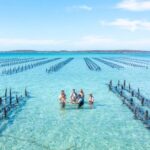
Shucking oysters in waders changes everything. This guided Coffin Bay oyster farm wading tour has you suited up in waterproof waders, then taking you right out to where oysters are harvested and grown.
What I like most is the hands-on rhythm: you learn how oyster farming works while you’re standing in the water, then you get your own shot at shucking oysters. Second, you get a farmer-led story of the region, including the Matthew Flinders voyage, which makes the whole coast feel more than just a pretty place to eat.
One thing to consider: it runs on the tide and the weather, so plan for a good-weather outing. Also, the base ticket plus drink/seafood upgrades can push the total higher than you expect.
In This Review
- Quick Reasons This Tour Gets Such Strong Love
- Value Check: What You Pay for a Coffin Bay Wading Oyster Tour
- Meeting at Oyster HQ: Start Easy, Then Get Wet
- Getting Out to the Lease: Waders, Pontoon, and the Matthew Flinders Story
- Oyster Farming 101 From Spat to Market Size
- Shucking Class: From First Attempt to Oyster Officiando Mode
- Pacific vs Angasi: The Tasting That Makes It Worth the Trip
- Wildlife and the Coffin Bay Setting: More Than a Food Tour
- Timing, Weather, and What to Pack (Socks, Sun, and Layers)
- Who This Tour Fits Best (And Who Might Want to Skip It)
- Should You Book Oyster Farm Tours in Coffin Bay?
- FAQ
- How long is the Coffin Bay Oyster Farm Wading Tour & Tasting Experience?
- Where do I meet for the tour?
- Is there a mobile ticket?
- Are waterproof waders provided?
- Do I need to bring socks for the waders?
- What oysters will I taste during the tour?
- Are drinks or a seafood platter included?
- Is the tour suitable for most travelers?
- What is the maximum group size?
- What happens if the weather is poor?
Quick Reasons This Tour Gets Such Strong Love
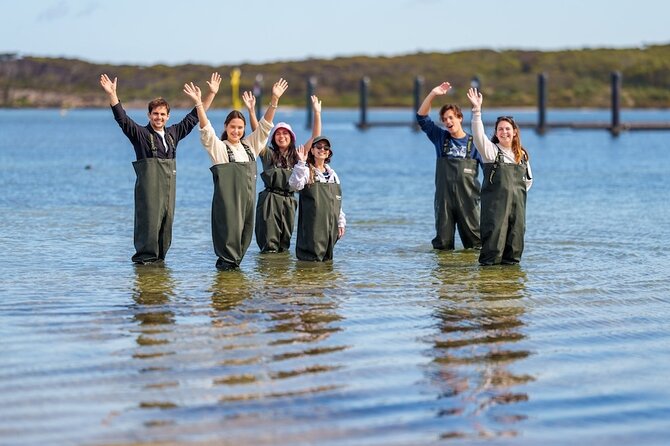
- Waders included: you’ll be taught how to put them on and you’ll actually wade out to the pontoon.
- Farmer-led farm time: you’re not just watching from shore; you learn at water level from the oyster farmer.
- Pacific + Angasi tastings: you get a straightforward chance to compare the oysters you came for.
- Hands-on shucking lesson: you practice with a knife and go from awkward to competent fast.
- Small group size: capped at 25 travelers, which keeps it personal enough to ask questions.
Value Check: What You Pay for a Coffin Bay Wading Oyster Tour
At $68.14 per person, this is an oyster-focused experience, not a quick tasting stop. You’re paying for three things that matter: a real guided tour, time on the working lease, and a structured lesson so you can shuck (and then eat) oysters with confidence.
The tour runs about 1 hour 30 minutes, and it includes the admission ticket. On top of that, the tasting portion can be paired with different options depending on what you select—a glass of wine, sparkling wine, or a seafood platter. If you’re the type who likes a drink with your food, those upgrades can make the experience feel more like a complete outing than just a snack.
Is it expensive for oysters? It depends on your baseline. If you only want to eat, you could find cheaper. But if you want the story, the farm setting, and the shucking practice, this price starts to make sense.
You can also read our reviews of more tours and experiences in Port Lincoln.
Meeting at Oyster HQ: Start Easy, Then Get Wet
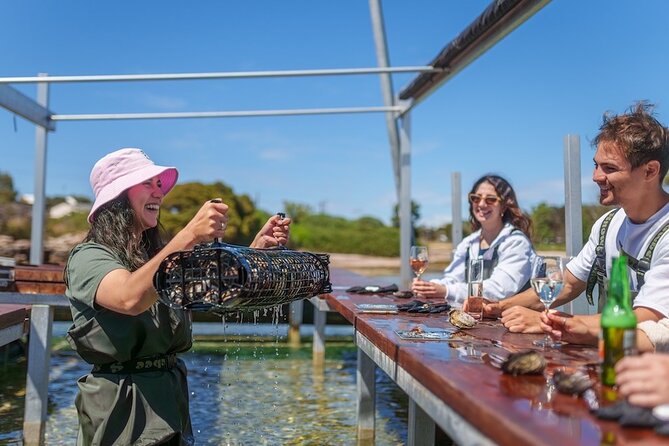
You meet at Oyster HQ, 100 Esplanade, Coffin Bay SA 5607. The activity is designed to feel smooth from the start: you show up, get checked in, then get equipped. The ticket is mobile, and confirmation comes at booking time.
What you should plan for immediately is clothing. You’ll put waterproof waders on over what you wear, so keep your base outfit comfortable and weather-appropriate. Bring layers if the day feels mixed. If it’s hot, plan for sun protection. If it’s cooler, bring a jacket. In winter, a scarf and beanie can make a noticeable difference once you’re standing in cool, moving water.
Two small details that really matter:
- Socks are required for the waders. Bring your own if you can. If not, you can purchase a pair from the tour office.
- Wear shoes you can deal with. You’ll be walking in wet conditions while you’re getting to and from the water.
Bring a camera. This isn’t just an “eat and leave” stop. You’ll want photos of the waders, the pontoon area, and the hands-on shucking moment.
Getting Out to the Lease: Waders, Pontoon, and the Matthew Flinders Story
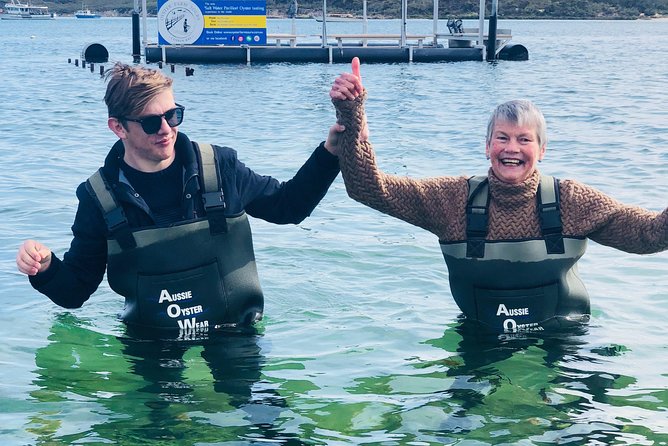
The heart of this tour is that you don’t stay on dry land. After you climb into the waders, the oyster farmer leads the first part of the experience with a historical explanation tied to the area, including the Matthew Flinders voyage. It’s a helpful way to frame why Coffin Bay matters—this coast isn’t a random food stop. It has a real connection to exploration, settlement, and maritime activity.
Then you’ll wade out to a floating pontoon. From there, you learn how oysters are farmed and why the process happens the way it does. Being in the same environment you’re being taught about makes the explanations land better. You can look around, picture how the water moves, and understand the practical reasons behind how the farm works.
This is also the point where the experience starts feeling like an event. The water is part of it—cooling, splashing, and reminding you that you’re on a working operation, not a staged viewing deck.
Oyster Farming 101 From Spat to Market Size
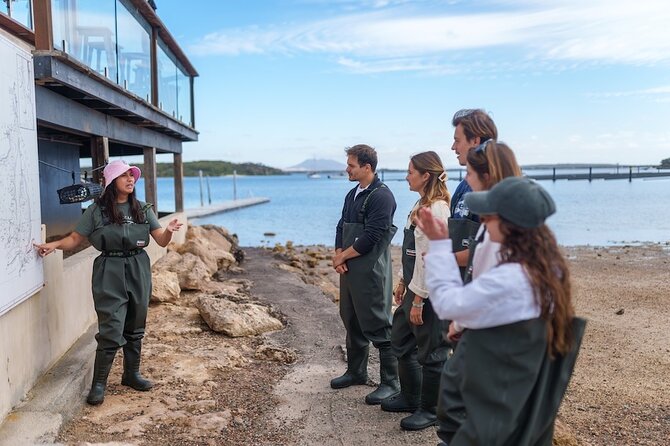
Once you’re at the pontoon, the tour shifts into practical oyster education. You’ll learn how oysters are raised, and you’ll cover the path from young stock to mature oysters ready for market and distribution.
A big advantage of this tour format is that you’re not just hearing theory. You’re learning in context:
- You’re standing where the oysters are actually managed.
- You can ask questions while things are visible and relevant.
- The farmer can explain what matters day to day in the water environment.
You’ll also taste oysters during this farm segment—so learning and eating happen together. That makes it easier to connect the “how” with the “what it tastes like.”
Shucking Class: From First Attempt to Oyster Officiando Mode
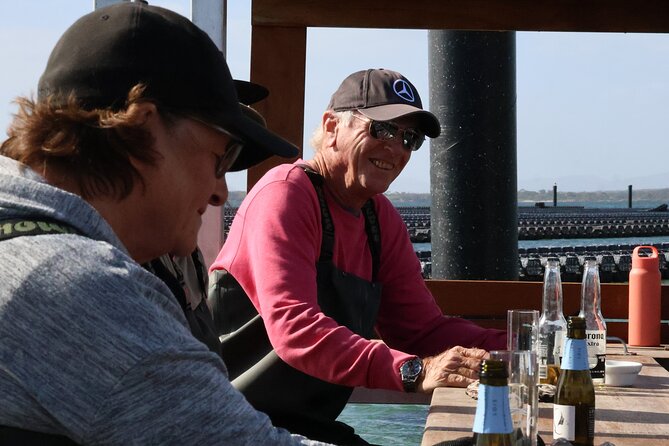
The shucking lesson is a standout part of the tour experience. You get hands-on instruction so you can shuck your own oyster—then taste it fresh as part of the overall tasting.
A few practical tips for shucking before you go in:
- Expect it to feel awkward at first. That’s normal. Your first few oysters are for learning.
- Pay attention to the guide’s hand positioning and how they explain the knife use.
- Slow down just enough to keep control. Rushing is how you end up with shell bits in the wrong place.
The tour’s structure helps. You don’t just get a lecture and a knife. You get teaching, then tasting right after—so you can immediately tell what “right” looks and tastes like. By the time the lesson wraps, you’ll have a much better sense of what to look for and how to handle the oyster safely and effectively.
Also: you’ll have time for questions. This is one of those experiences where people walk away with answers, not just seafood.
Pacific vs Angasi: The Tasting That Makes It Worth the Trip
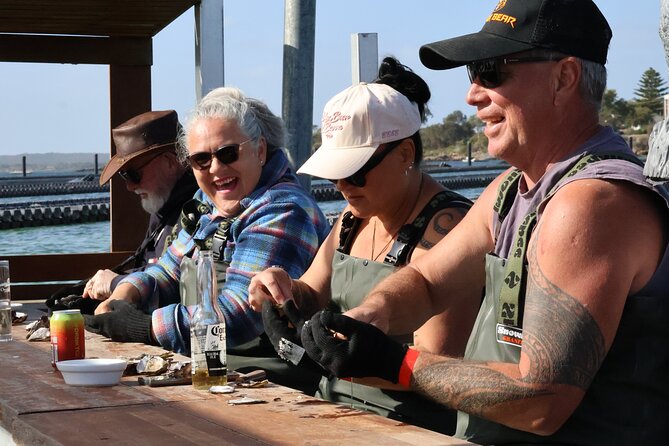
Coffin Bay oysters have a reputation, and this tour leans into it with a pair of tastings: Pacific oysters and the native Coffin Bay Angasi oyster.
Here’s why that comparison is valuable. Oysters aren’t all the same. Different varieties, growing conditions, and handling can change the taste and texture. Getting both options in one guided session helps you understand what you like rather than guessing after one plate.
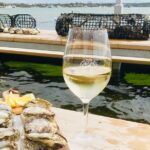
If you choose an option that includes drinks or more food, the tasting can pair with:
- a glass of wine
- sparkling wine
- or a seafood platter
That matters if you’re planning a longer day in the region. It’s not only about the oysters—it’s about turning them into a complete meal experience that fits into your holiday schedule.
One small note from on-the-ground experience: if you don’t want to eat everything there and then, staff have been able to pack oysters for take-away. If that’s your style, it’s worth asking during the tasting portion.
Wildlife and the Coffin Bay Setting: More Than a Food Tour
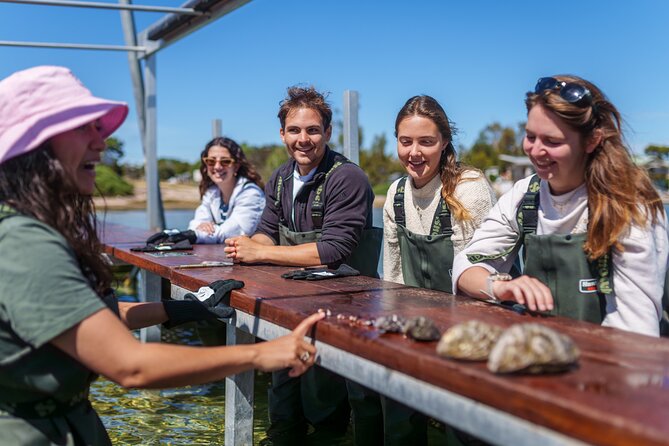
Coffin Bay isn’t just an oyster farm backdrop. It’s a seaside town in a rural setting with wildlife that shows up at surprising times. During the tour, it’s common to spot seals and dolphins, and around town you may see kangaroos and emus wandering the main street.
That matters because it changes the vibe. You’re not stuck in a food-only bubble. You’re out on the coast, in the open air, with the sea doing what the sea does. Even if you’re focused on oysters, you’ll feel like you’re in the real Coffin Bay, not a themed version of it.
If you still need a place to base yourself: I recommend staying in Coffin Bay rather than Port Lincoln when you can. It keeps your day simple and lets you enjoy the town atmosphere before or after your tour.
Timing, Weather, and What to Pack (Socks, Sun, and Layers)
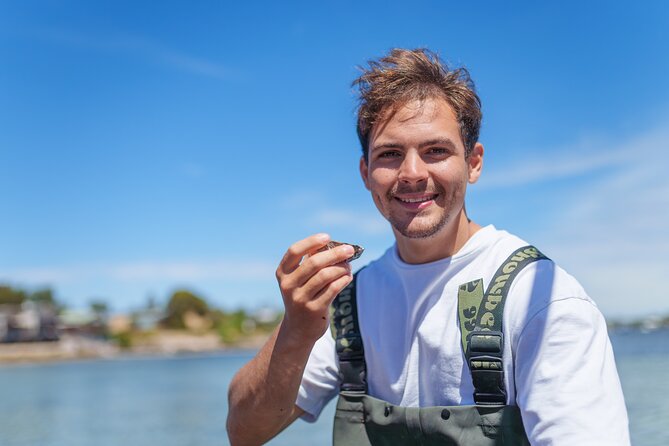
This experience is weather-dependent and requires good conditions. If it’s canceled due to poor weather, you’ll be offered another date or a full refund. That’s a good safety net, but it also means you should keep your schedule flexible on the days you want to do it.
Because you’ll be in the water, dress like you’re going to be outside for a while:
- Bring a camera.
- Bring socks for the waders (or buy them at the office).
- Wear comfortable clothing you don’t mind getting a little damp.
- Dress for the day’s weather—hat in heat, jacket in cooler conditions, and extra warmth in winter.
One more practical thought: since you’ll be moving from meeting point to waders to the pontoon, wear something you can walk in comfortably. Loose clothing that catches on gear is not your friend.
Who This Tour Fits Best (And Who Might Want to Skip It)
This tour works well for a lot of people, and it’s easy to see why it’s so popular:
- If you love food with a story, you’ll appreciate the farmer-led explanations and the history segment connected to Matthew Flinders.
- If you’re an oyster beginner, the shucking lesson is built for learning.
- If you’re a die-hard oyster fan, the chance to taste Pacific and Angasi back-to-back is the kind of comparison you can actually taste.
It can also work for families and people with different needs. Support staff attention has come up in recent experiences, including helping when a child on the tour required extra care. That’s a positive sign that the team isn’t just focused on the script.
Should you skip it? If you absolutely hate the idea of waders, standing in water, and shucking, then this won’t turn into your dream outing. Also, declare any seafood allergies ahead of time—this is a seafood experience, so you need to be upfront.
Should You Book Oyster Farm Tours in Coffin Bay?
Book this tour if you want more than oysters—you want the process. The combination of wading out, farmer-led education, a hands-on shucking lesson, and tastings of Pacific plus Angasi oysters is a strong deal for $68.14 when you compare what you’d otherwise piece together on your own.
Don’t book if your schedule can’t flex for weather, or if the idea of waders feels like a hard no. And if you’re cost-sensitive, be smart about upgrades—wine, sparkling, and seafood platters can add up.
If you’re planning a South Australia trip and you’ll be in the Coffin Bay area anyway, this is the kind of experience that turns a meal into a memory.
FAQ
How long is the Coffin Bay Oyster Farm Wading Tour & Tasting Experience?
It lasts about 1 hour 30 minutes.
Where do I meet for the tour?
You meet at Oyster HQ, 100 Esplanade, Coffin Bay SA 5607, Australia.
Is there a mobile ticket?
Yes, the tour uses a mobile ticket.
Are waterproof waders provided?
Yes, you’ll be supplied with waterproof waders, and you put them on over your own clothes.
Do I need to bring socks for the waders?
Socks are required for waders. Bring your own, or you can purchase a pair from the tour office.
What oysters will I taste during the tour?
You can taste Pacific oysters and the native Coffin Bay Angasi oyster.
Are drinks or a seafood platter included?
Depending on the tour option you choose, your tasting can be accompanied by a glass of wine, sparkling wine, or a seafood platter.
Is the tour suitable for most travelers?
The tour notes that most travelers can participate.
What is the maximum group size?
There is a maximum of 25 travelers.
What happens if the weather is poor?
The experience requires good weather. If it’s canceled due to poor weather, you’ll be offered another date or a full refund.