REVIEW · LIMURU
Kaimbethu tea farm tour and lunch package
Book on GetYourGuide →Operated by sahara tours and safaris · Bookable on GetYourGuide
Tea outside Nairobi sounds simple. Then it turns into a full day of Kenya tea history, farm views, and wildlife stops at Kiambethu Tea Farm, with a small-group pace. I especially like the expert-led tea story and the chance to spot Colobus monkeys and lots of birds during the walk. One thing to plan for: there’s an additional $50 entrance fee on top of the tour price.
The setup is also practical. You get hotel pickup and drop-off across many Nairobi areas, and the group is capped at 7 people, so the guide can actually answer questions. Add lunch (and coffee and/or tea during the day), and the day feels like an easy escape rather than a complicated logistics puzzle.
Finally, you’ll get the kind of views you come to Kenya for. On clear days, the Ngong Hills area can even come with Mt. Kilimanjaro in the distance, and the timing works well for a 6-hour day trip from the city.
In This Review
- Key points to know before you go
- A short Nairobi drive to a working tea estate
- Kiambethu tea history and the process you can actually see
- Plantation walk plus indigenous forest: monkeys, birds, and real nature time
- Lunch on the estate: what’s included and what to expect
- Tea tasting and ceremony: how to make it meaningful
- Price and the real cost math ($50 tour plus $50 entrance)
- Pickup locations, timing, and how to avoid day-trip stress
- Who should book this tea farm tour?
- Should you book Kiambethu?
- FAQ
- How long is the Kaimbethu Tea Farm tour?
- What’s included in the package price?
- Is there an additional entrance fee?
- Where are pickup and drop-off available?
- What languages is the tour guide available in?
- Can I cancel for a full refund or pay later?
Key points to know before you go
- Kenya tea history explained by an on-site guide focused on how Kiambethu tea came to be and how tea is made today
- Small-group experience (max 7), so your questions don’t get lost in a crowd
- Wildlife spotting built into the walk, including Colobus monkeys and diverse bird species
- Ngong Hills panoramic views with a shot at Mt. Kilimanjaro on clear days
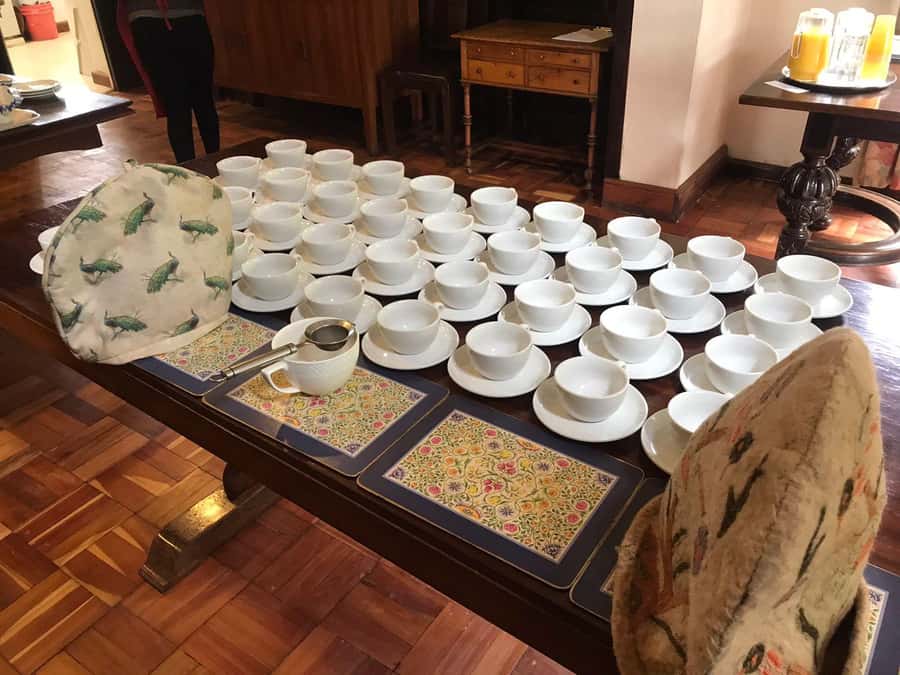
- Lunch on the estate plus tea tasting, including a tea ceremony style moment
- Extra $50 entrance fee payable separately by credit card or cash
A short Nairobi drive to a working tea estate
This is a straightforward day trip from central Kenya. The farm sits just outside Nairobi, so you spend less time in traffic and more time outside with the tea plants and the forest edges that surround the estate.
The “small group” format matters more than it sounds. With a maximum of 7 participants, you’re more likely to notice what your guide points out: how leaves are picked, how rows are arranged, and why shade and spacing affect the crop. It’s also easier to keep a relaxed pace, especially if you’re pairing this with other Nairobi sights.
Pickup is part of the appeal. You can choose from a long list of hotel and neighborhood pickup options around Nairobi, including areas like Karen, Langata, Kilimani, Westlands, and even locations near the airport. If you prefer to meet directly, pickup is optional and you wait in the hotel lobby while the driver comes to collect you at least 10 minutes before departure.
The day runs about 6 hours, and the schedule is built around a farm tour, lunch time, and tea-related moments (including tea ceremony and tea tasting). The total experience feels like a guided walk in and around production, not just a photo stop with a souvenir shop at the end.
You can also read our reviews of more tours and experiences in Limuru.

Kiambethu tea history and the process you can actually see
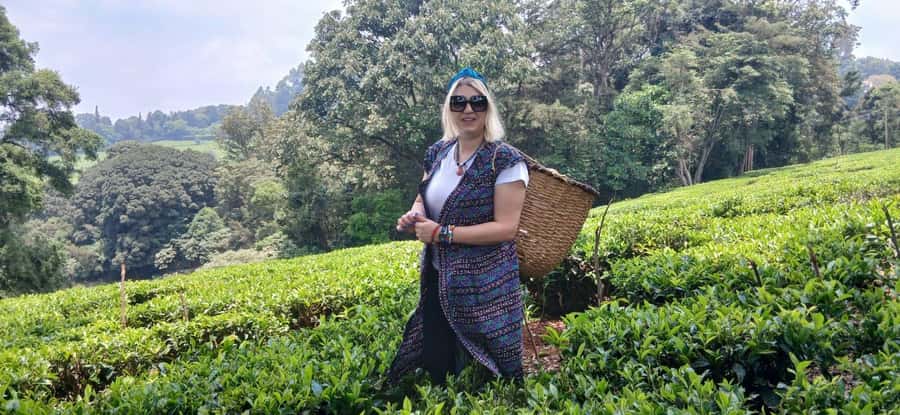
The heart of the tour is the tea lesson. You start with storytelling about the history of the farm and Kenya tea growing, including how tea came to Kenya from India more than 100 years ago. That historical context helps the rest of the walk click, because you understand this isn’t just a pretty plantation. It’s a business with a long timeline.
Then you move into the working side of tea production. Your guide walks you through the steps from picking small tea leaves to how those leaves are refined into the tea people drink worldwide. You’ll hear both traditional and contemporary approaches, so you can compare what’s old practice versus what modern processing adds.
I like that the tour doesn’t treat tea as one generic product. Kenya tea has different character depending on how it’s handled, and the tasting at the end gives you a chance to connect “how it’s processed” with “how it tastes.” If you’re the kind of traveler who usually reads labels more than you should, this is your kind of day.
Guides matter here, and names from the experience stand out. Nancy is highlighted for being thorough and friendly, and Fiona (connected with the tea story on the estate) is also praised for clear, helpful explanations. If you’re studying tea or just curious why your morning cup tastes the way it does, this kind of hands-on explanation is a big part of the value.
Plantation walk plus indigenous forest: monkeys, birds, and real nature time
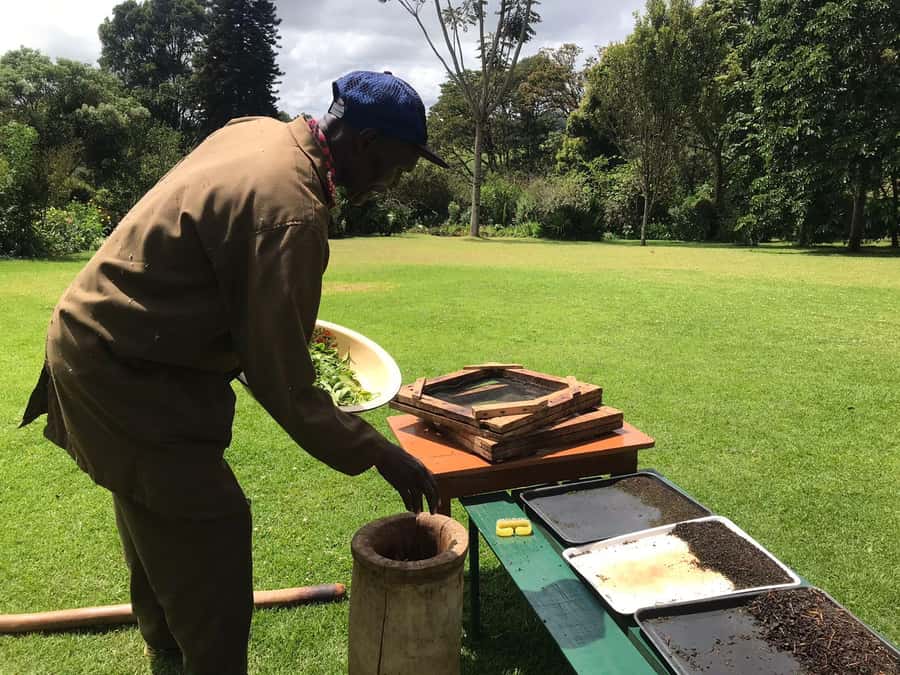
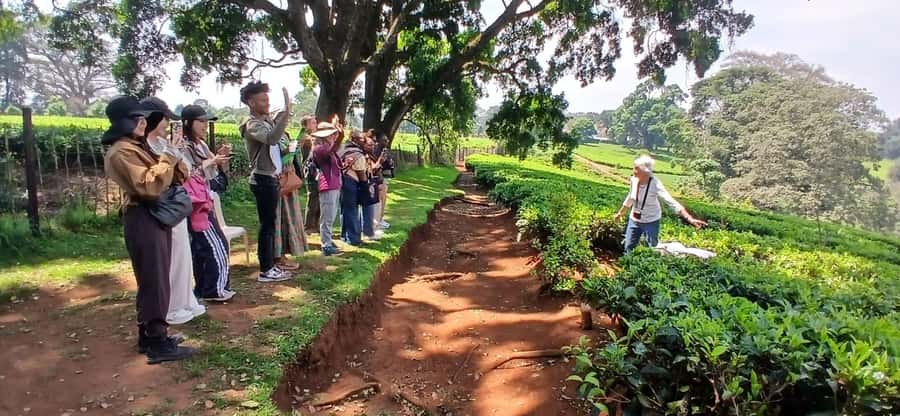
This tour gives you a balanced mix of farm and nature. You walk through scenic tea plantations and also into the indigenous forest areas near the estate. That combination is useful: tea rows show cultivation, while the forest helps you understand the broader ecosystem tea farms depend on.
Wildlife is part of the plan. You can spot Colobus monkeys and a range of bird species along the way. It’s not a safari, but it scratches the same itch—quiet attention, short stops, and looking up when your guide says to do so.
The forest segment is also where the day feels less like a classroom and more like an outdoor reset. Even if you only have one day outside Nairobi, you get that change of pace: softer sounds, a cooler feel under trees (depending on weather), and the kind of environment that makes tea feel like it belongs here.
And then there are the views. The route includes panoramic looks toward Ngong Hills, and on clear days you may even see Mt. Kilimanjaro in the distance. Even when weather doesn’t cooperate, the highland feel makes sense of Nairobi’s edges and why people move here for scenery.
Small groups help again. When there are only a few of you, it’s easier to pause, reposition for a view, and actually see the wildlife your guide is tracking.
Lunch on the estate: what’s included and what to expect
Food is handled well on this package, and you don’t have to think too hard about it. Lunch is included, and the estate meal is a key part of making this feel like a real day on the property, not a rushed visit.
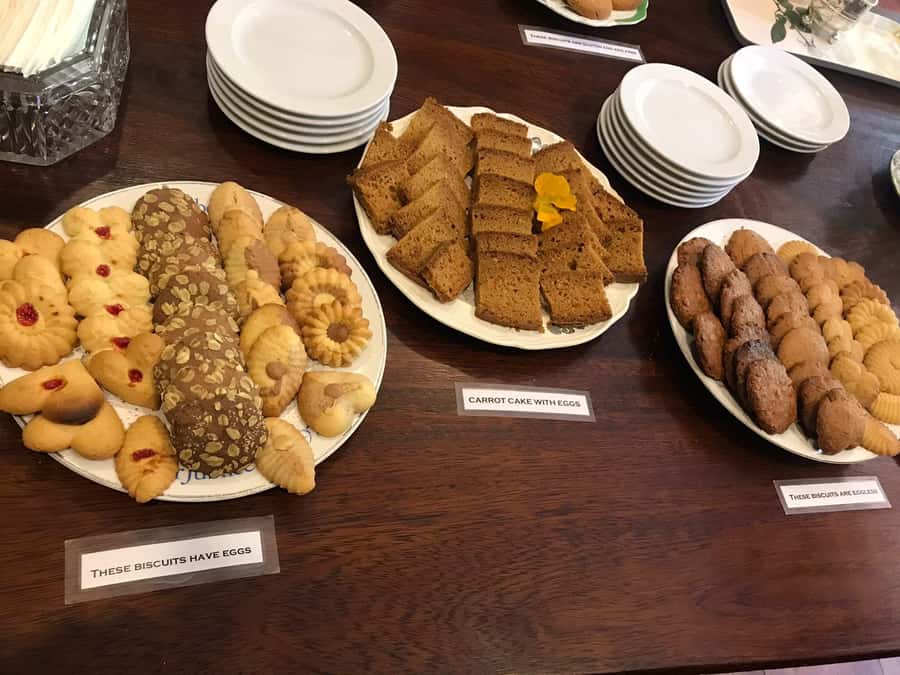
From the details shared in the experience notes, the lunch can come as an open-buffet-style meal with multiple choices, including vegetarian options and meat dishes like chicken and beef. Some accounts also mention gluten-free dishes, which is a strong sign if you have dietary restrictions (or just prefer fewer surprises).
Dessert shows up, too. There are mentions of in-house or homemade items such as ice cream, and extra treats like fruit are part of the end-of-meal feel. One detailed meal start includes house-made biscuits that are gluten free, egg free, and nut free—so there’s real effort going into options, not just plain cookies from a package.
You’ll also have access to coffee and/or tea during the day. That matters because the experience is about tea, and waiting until the tasting to try a drink can feel late. Here, the tea vibe stays active while you’re walking and learning.
One practical note: the meal is part of the flow, so if you’re easily distracted by phone videos, try to keep your hunger schedule reasonable. A calm appetite makes the tea tasting at the end more fun, since you’re not rushing to feel “ready” for the next cup.
Tea tasting and ceremony: how to make it meaningful
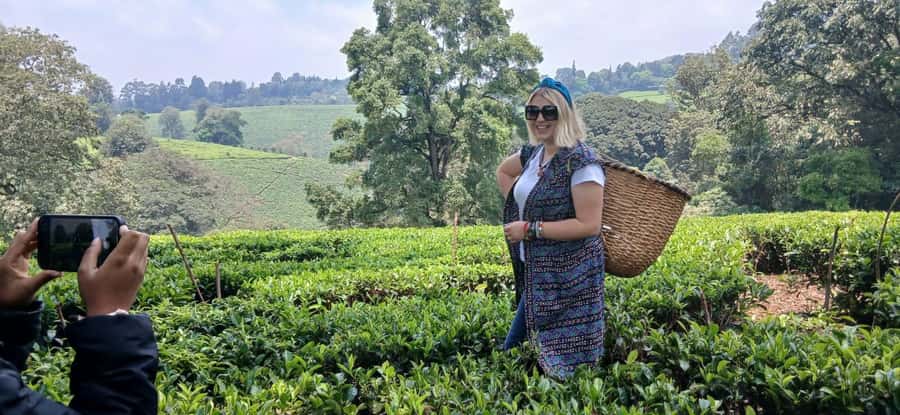
The day ends with tea tasting, and that’s where you connect all the walking with the real-world payoff. You sample freshly brewed teas, and you get a chance to notice differences that you might not catch if you only ever buy tea in packets.
The tour also includes a tea ceremony element. While you shouldn’t expect every group to experience it identically, the intent is clear: you slow down and learn how tea is presented and enjoyed, not just how it’s produced.
Here’s how I’d approach it if you want this to stick. Take a moment before the first sip and decide what you care about most: aroma, sweetness, or aftertaste. Then compare your cups. The guide can usually explain what you’re tasting in plain terms, and if you ask a question—like why one tea feels lighter or darker—that can turn the tasting into an actual conversation rather than a quick “try this” moment.
Even the tea ceremony portion helps you understand that tea isn’t only a product. It’s a ritual and a routine in many cultures, and tasting on-site makes that feel less abstract.
Also, since Mt. Kilimanjaro visibility depends on weather, treat your tea tasting as the non-weather guarantee. Rain can blur views, but it rarely ruins the lesson.
Price and the real cost math ($50 tour plus $50 entrance)
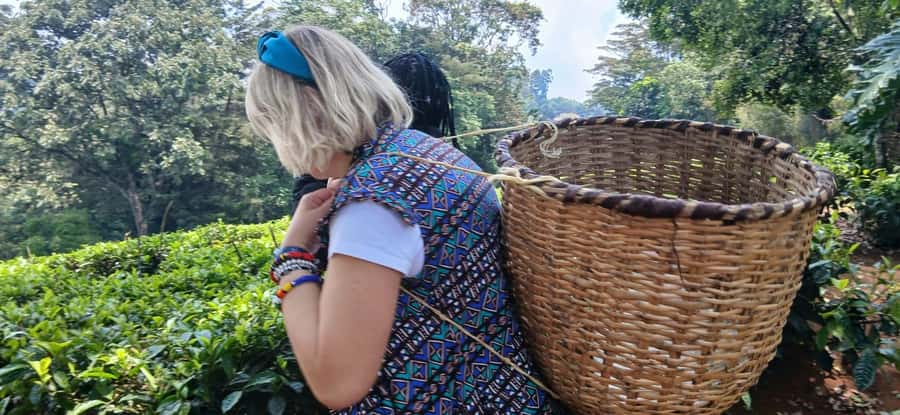
The published price is $50 per person, and the experience includes a lot: hotel pickup and drop-off, a professional guide, lunch, breakfast, and coffee and/or tea. It also includes all fees and taxes related to the tour package itself.
But there’s an extra line item you should budget for: a $50 entrance fee, payable separately by credit card or cash. So in total, many people should plan around $100 per person once you include that entrance cost.
Is it worth it at that number? For me, the answer leans yes because you’re paying for more than a short walk. You’re paying for a guided history lesson, farm production walkthrough, nature walk with wildlife chances, lunch, and tea tasting in one package that saves you transport hassles.
That value gets even better because the group stays small. If you’ve ever done tours where you pay for a guide but get stuck behind a wall of people, you’ll appreciate the max-7 setup.
One more detail: some visitors get additional help when it comes to local payments. In one account, the guide helped with m-pesa, the local mobile payment platform. So if you’re not fully comfortable with Kenyan payment methods, it’s worth knowing the staff may help you get it sorted.
Pickup locations, timing, and how to avoid day-trip stress
This is a day trip designed to start smoothly. You can be picked up from many Nairobi locations, and transport uses modern vehicles. That reduces the usual day-trip friction—less “where exactly is the driver?” and more “you’re on your way.”
The experience runs around 6 hours, but the day still includes multiple segments: pickup, the main farm visit and walk, lunch, and tea tasting/ceremony. That’s why you should aim for a punctual pickup. It’s also why I’d avoid stacking this right after another activity that depends on strict timing.
There’s one note of caution from the experience record: in one case, a delay happened at the start. It was only about an hour, and the trip still worked out, but it’s a reminder to confirm your booking earlier rather than assuming everything is automatic.
If you want the easiest day, do this before you go: double-check your pickup point and time. Keep your phone charged for updates and be ready to depart as the driver arrives.
On the route to and from the farm, the scenery and views are part of the day. There are also scenic stops included, so the drive isn’t just dead time.
Finally, the tour is wheelchair accessible. If you use a wheelchair or mobility aid, it’s a good idea to mention this ahead of time so the team can set expectations for the walking portion.
Who should book this tea farm tour?
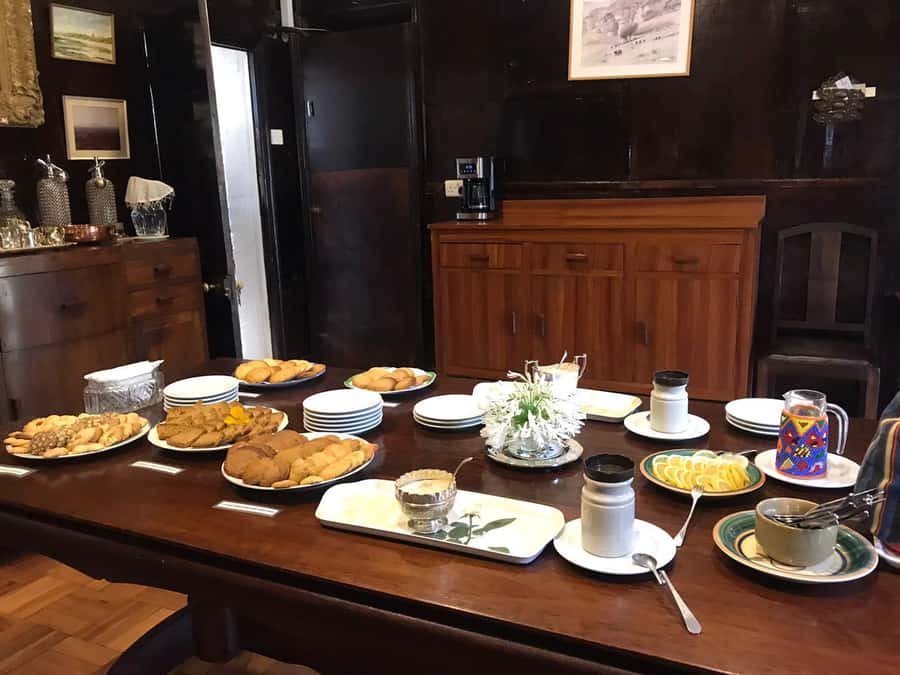
Book it if you want a Kenya experience that’s hands-on but not exhausting. It’s a great fit for couples, solo travelers, and small groups who want something different from the usual Nairobi schedule: tea history, wildlife spotting, and a real working estate.
It also works well if you’re a food-and-drink traveler. You’ll get lunch on-site and a tasting that connects process to flavor.
It may not be ideal if you’re chasing a “maximum adrenaline” day or if you hate guided walking. This is a calm, educational pace. You’ll walk through plantation sections and forest paths, and while it’s not described as a strenuous trek, it does involve being on your feet for part of the day.
If your goal is seeing Nairobi’s outskirts without losing hours in transit, this is one of the better-value ways to do it.
Should you book Kiambethu?
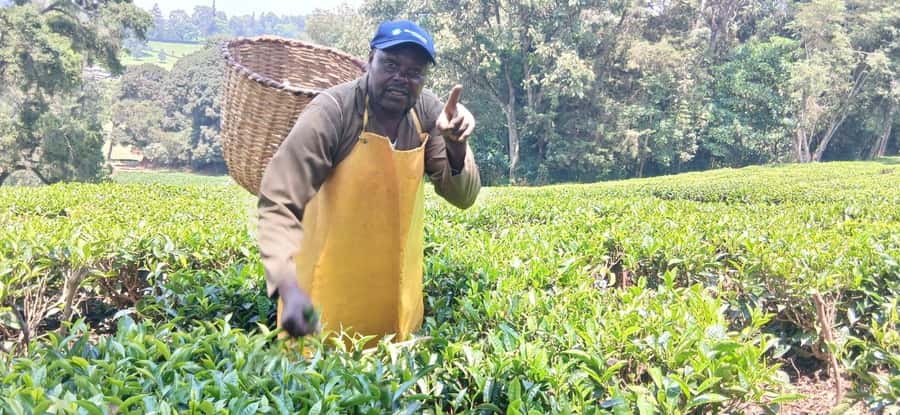
If your ideal day trip includes learning something real, eating well, and getting a chance at Colobus monkeys and serious views, then yes—I’d book it. The small group size, included meals, and tea tasting make it feel complete, not like a rushed “quick look” stop.
Just budget for the extra $50 entrance fee, plan to be ready at pickup time, and bring some curiosity about how tea grows and gets processed. Do that, and you’ll leave with more than souvenirs—you’ll understand what’s in your cup.
FAQ
How long is the Kaimbethu Tea Farm tour?
The duration is 6 hours.
What’s included in the package price?
The package includes lunch, breakfast, coffee and/or tea, a professional guide, a driver/guide, and hotel pickup and drop-off, plus all fees and taxes for the tour package.
Is there an additional entrance fee?
Yes. There is a $50 entrance fee payable separately by credit card or cash, and it’s not included in the base price.
Where are pickup and drop-off available?
Pickup and drop-off are offered from multiple Nairobi locations, with options such as Langata, Karen, Westlands, Kilimani, and areas near the airport. Pickup is optional if you prefer to meet at your hotel lobby.
What languages is the tour guide available in?
The live tour guide is available in English, Esperanto, and French.
Can I cancel for a full refund or pay later?
You can cancel up to 24 hours in advance for a full refund. You can also reserve now and pay later to keep your travel plans flexible.