REVIEW · ZANZIBAR CITY
Zanzibar: Spice Farm Tour and Cooking Class with Lunch
Book on GetYourGuide →Operated by Zanturtle Explore Tours and Safaris · Bookable on GetYourGuide
Spices grow within walking distance in Zanzibar. I like the hands-on spice tasting, where you smell and touch cloves, cinnamon, ginger, and lemongrass right on the plants. I also like the Swahili cooking session that turns ingredients you harvested into a 3-course meal and dessert.
The only drawback is that the day can feel a bit tour-pressure when tip requests pop up, and pickup timing is something to watch for if the driver gets off track.
In This Review
- Key things I’d focus on before you go
- Why this Zanzibar spice farm tour can feel more real than a market stop
- The 5-hour flow: pickup, van ride, farm walk, and a full lunch day
- Walking through plantations: what you learn about cloves, cinnamon, ginger, and more
- Harvesting ingredients: why picking your own food changes the class
- Cooking over traditional tools: what a 3-course Swahili meal looks like
- Fruit tasting and the little cultural moments you shouldn’t skip
- Price and value: is $63 for 5 hours worth it?
- Logistics that matter: pickup timing, group size, and what to bring
- Who should book this, and who might not love it
- Final decision: should you book this spice farm and cooking class?
- FAQ
- How long is the spice farm tour and cooking class?
- What’s included in the price?
- Is hotel pickup and drop-off included?
- What should I bring with me?
- Are pets or alcohol allowed?
- What languages does the guide speak?
- Can I cancel for a refund?
Key things I’d focus on before you go
- Plant-to-plate spice education: spices are taught where they grow, not just in a shop window.
- Village walk + farm walk: you get a guided route through plantations and nearby village life.
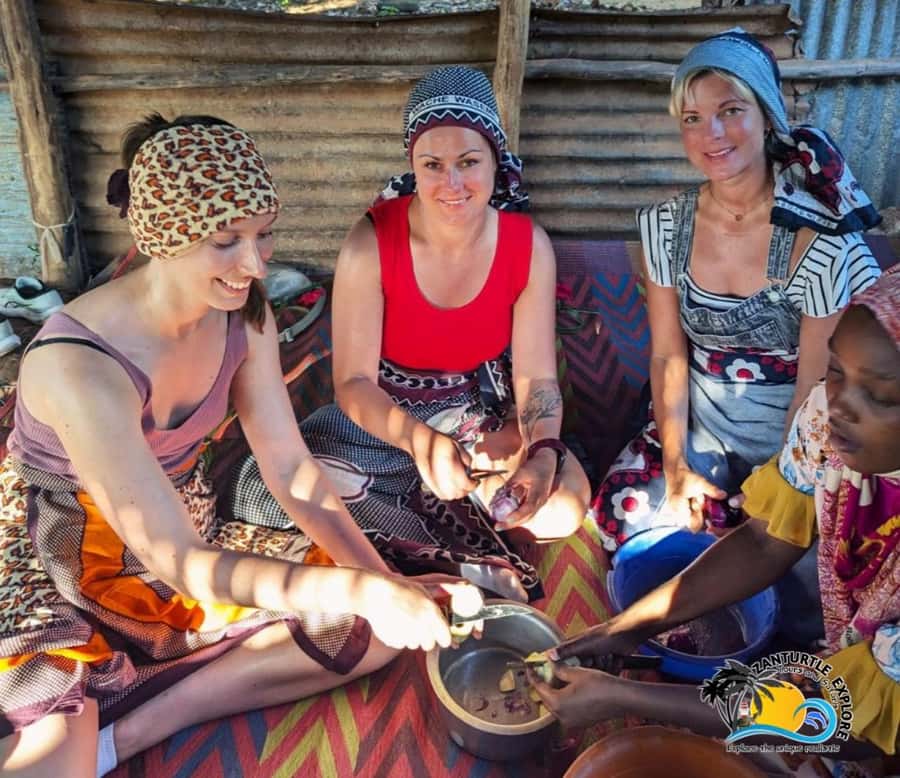
- Harvesting is hands-on: you’re meant to pick ingredients for what you’ll cook.
- Cooking is real work over real tools: open-fire cooking tools and techniques are part of the class.
- Tropical fruit sampling: pineapple, bananas, oranges, watermelon, and more show up during the day.
- Souvenirs are part of the flow: there’s time to shop spices and snacks after cooking.
Why this Zanzibar spice farm tour can feel more real than a market stop
Zanzibar spice farms aren’t new to tourism, but this kind of outing works when it does two things: it connects you to where spices grow, and it gives you a reason to care—like cooking with what you picked.
Here, you’re not just tasting powders. You get to see the plants, understand how locals use them, and learn why they’re central to Zanzibari flavor. That matters because cloves, cinnamon, ginger, and lemongrass don’t just taste good. They shape the profile of Swahili dishes you’ll recognize later in markets and restaurants.
Then the experience pays off in a practical way. Your time on the farm leads into a hands-on cooking class with a local chef, plus lunch made from what you worked on. If you enjoy food as a story—rather than food as a snack—this format usually hits.
You can also read our reviews of more tours and experiences in Zanzibar City.



The 5-hour flow: pickup, van ride, farm walk, and a full lunch day
You’ll start with hotel pickup from multiple zones around Zanzibar (Stone Town and other areas in Unguja). Expect about an hour in the van to reach the farm area, plus about another hour back. That travel time is part of the deal, so plan your day around it.
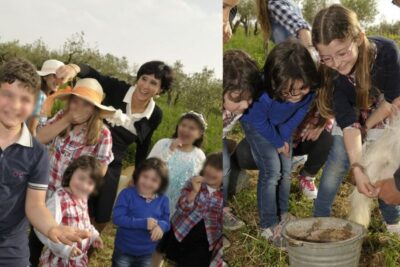
Once you arrive, you’ll get a break and then begin a guided farm experience at Jambo Spice Farm Dole. The core of the morning is a walking tour through villages and spice plantations. This is where the “spice farm” stops being a label and becomes a guided route: you’ll move through trees and garden plots while your guide explains what’s growing and how it’s used.
From there, the day shifts into the cooking portion. You’ll head back to cook together with the chef, prepare a 3-course meal and dessert, and spend time with traditional cooking tools and methods. After lunch, there’s also time for free time and shopping, so you can buy spices or local snacks if you want something to take home.
One small practical consideration: a private group can mean a more tailored pace, but it can also mean you feel any delay more sharply if pickup runs late. A couple of schedules did not go smoothly for some guests, including cases where waiting time stretched long enough to shorten the day.
Walking through plantations: what you learn about cloves, cinnamon, ginger, and more
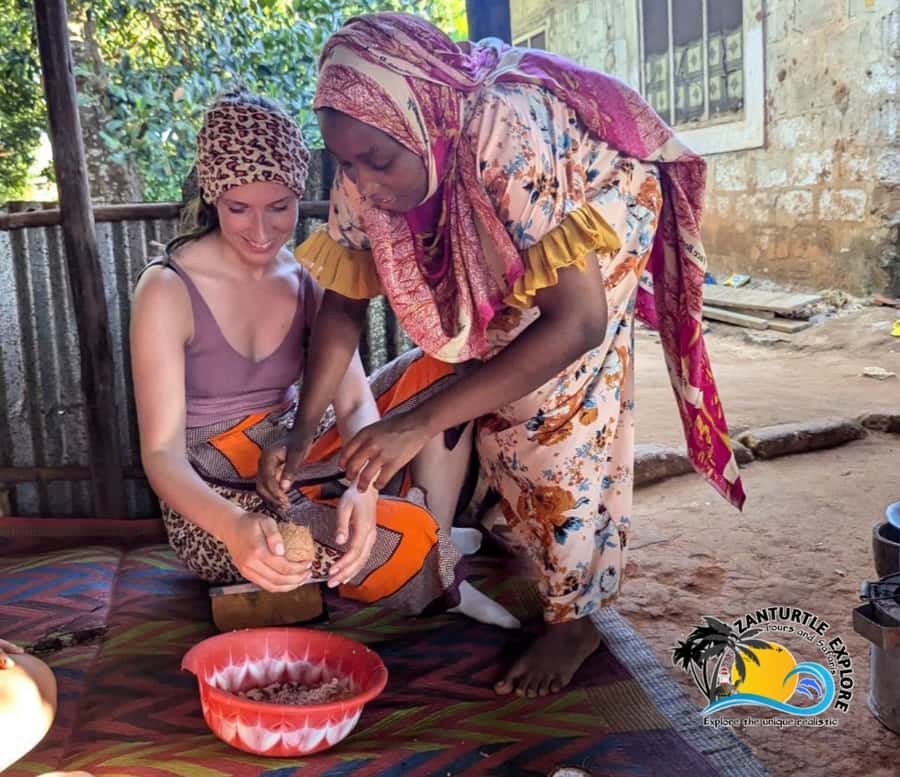
The main value here is that the spice education happens outdoors. You’re taught the origins and uses of Zanzibar spices while you’re surrounded by the actual plants. Instead of memorizing names, you connect each one to a sensory cue: smell, texture, and how it’s handled.
What you can look forward to includes classic Zanzibar staples like cloves, cinnamon, ginger, and lemongrass, plus other spices that show up during the walking tour and later when you taste them. The experience is designed for your senses: you’ll be encouraged to smell and touch spices directly, so you can recognize them by feel as well as by scent.
It’s also more than just plants. During the farm time, laborers climb trees to work with spice plants and also coconut trees. That’s not a show put on for you—it’s the kind of real farm work that lets you see how harvesting fits into daily labor.
If you’re a “teach me where it comes from” type of traveler, this section is the heartbeat of the day. Even if you’re not a spice nerd, it helps you understand why Zanzibar flavors taste the way they do.
Harvesting ingredients: why picking your own food changes the class
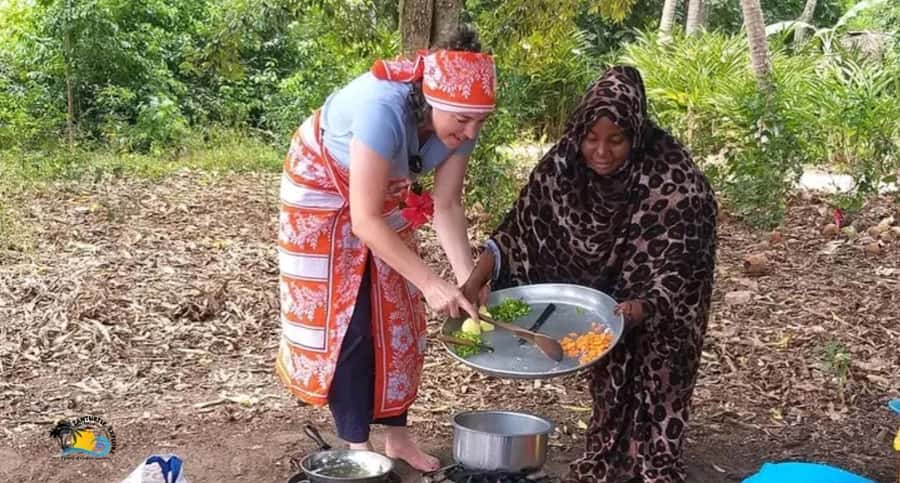
The tour isn’t only observational. You’ll harvest ingredients from the farm with a culinary expert, and that step matters for two reasons.
First, it gives you a reference point. When you later chop, grind, fry, or simmer, you’re not guessing where the flavor started. You remember what the plant looked like and what it smelled like.
Second, it adds momentum to the cooking class. Instead of watching someone cook, you’re working with the chef and preparing what goes into the meal. That’s the difference between a demonstration and an actual cooking experience.
The class format is practical: you prepare ingredients, cook together, and then eat the dishes. One guest described the cooking as more like cooking with locals than a formal cooking class, with lots of ingredient prep and stirring. Either way, you’re still getting the key benefit: you leave with taste + technique linked to the farm.
Cooking over traditional tools: what a 3-course Swahili meal looks like
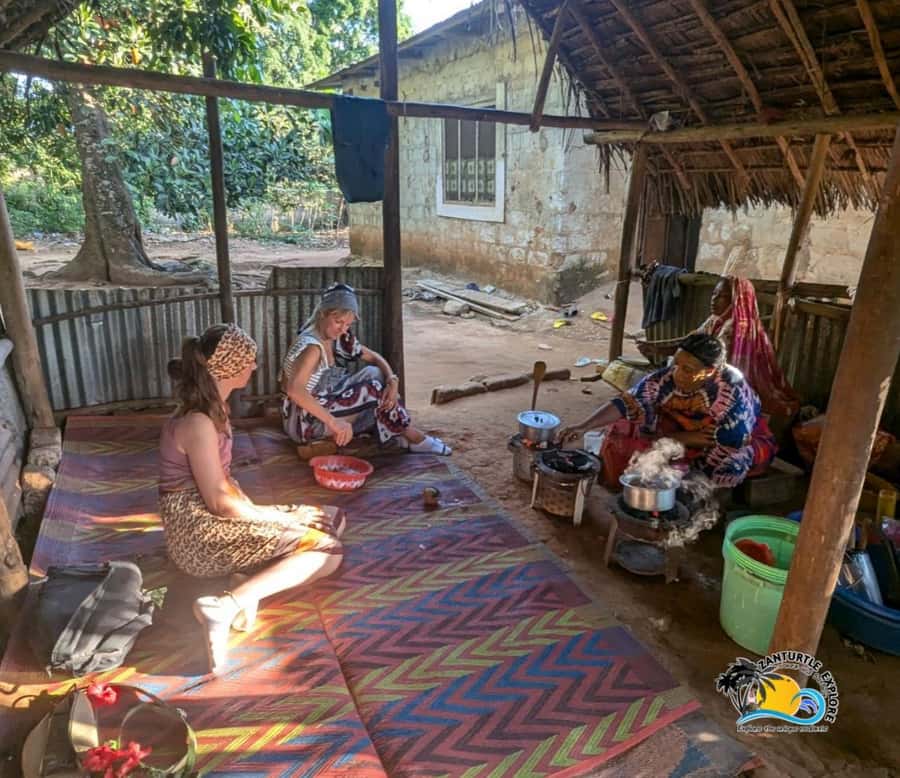
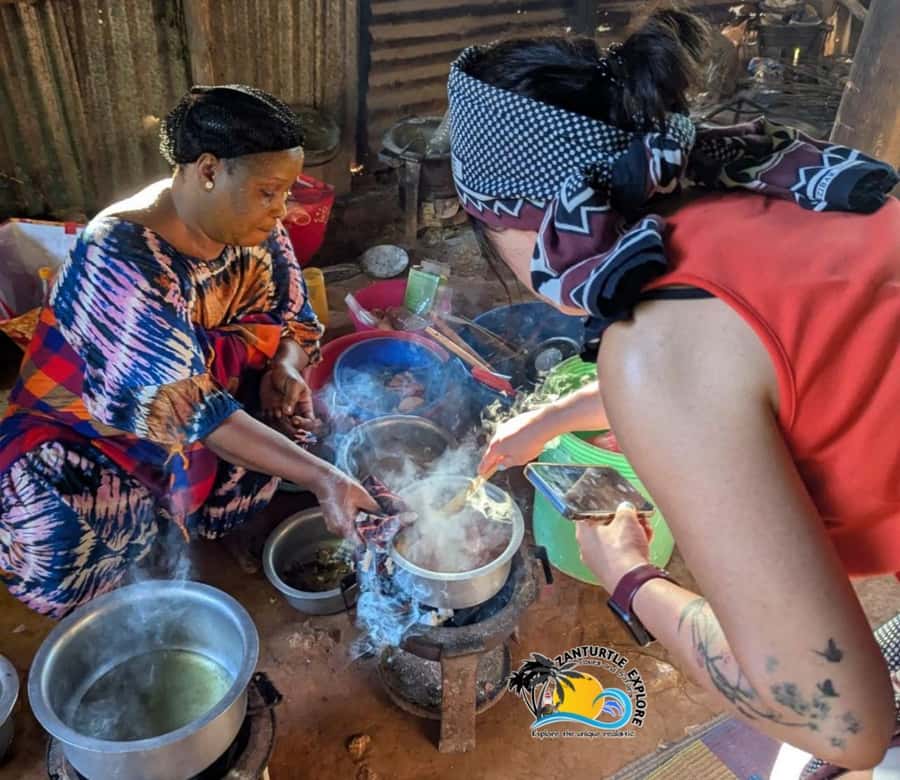
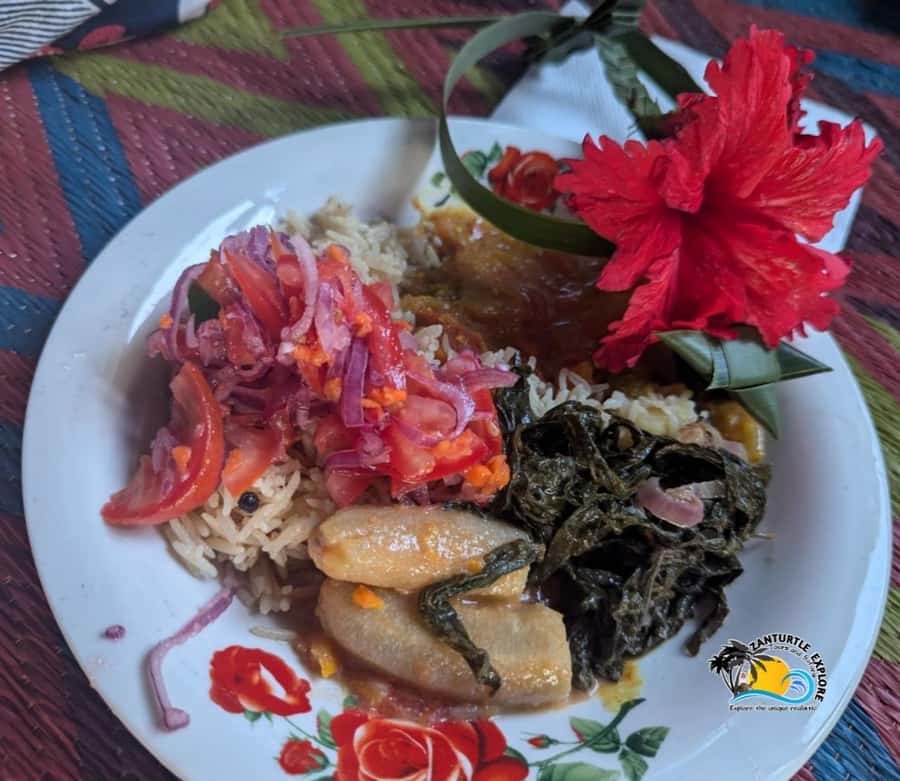
This is where the day becomes food-first. You’ll cook a 3-course meal and dessert using traditional methods and tools passed down through generations. You’ll also spend time admiring those tools and techniques, which helps you understand why certain Swahili dishes taste the way they do.
You can expect an outdoor feel at least part of the cooking process. One guest specifically noted cooking on an open fire and eating outdoors, with the meal described as very delicious.
As for what you might cook, the details given include Tanzanian dishes like pilau rice and a curry, plus side dishes. The exact menu can vary by day and chef, but the theme is consistent: Swahili cooking built from spices you’ve just learned about.
A useful way to think about this: this class isn’t trying to turn you into a professional cook. It’s trying to give you a grounded understanding of how everyday Zanzibari flavors are created—spice by spice, step by step.




Fruit tasting and the little cultural moments you shouldn’t skip
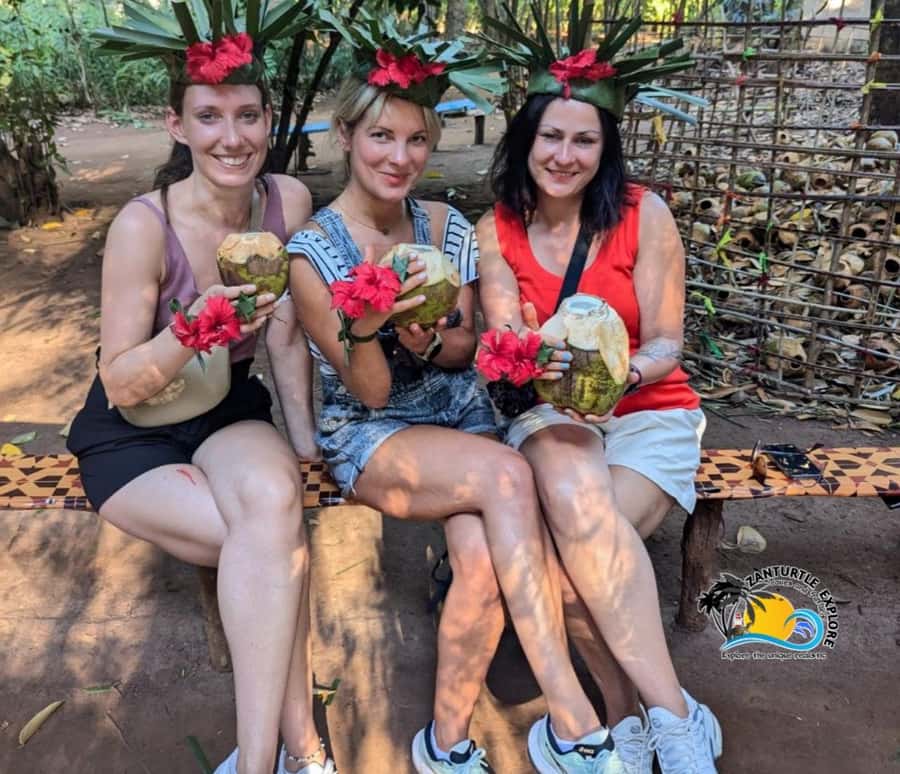
Zanzibar is famous for spices, but the fruit part is a big part of why the farm day feels fun instead of overly educational.
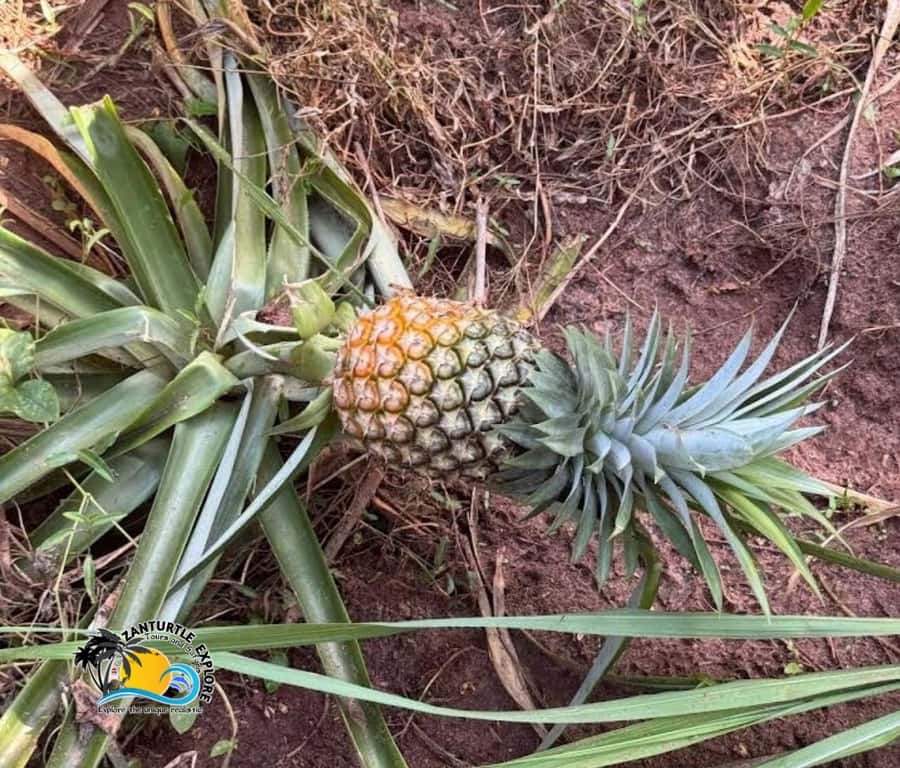
You’ll taste tropical fruit such as pineapple, bananas, oranges, and watermelon. Some guests also mentioned red bananas and small mangoes during the day, plus an emphasis on unique exotic fruits from the island.
This tasting time also works as a reset between walking and cooking. Your senses get a break from spice intensity, and you leave with flavors you can associate with Zanzibar beyond just cloves and cinnamon.
You may also see small cultural or performance-style touches. One guest talked about seeing “butterfly men” in action and getting palm-leaf accessories like crowns (and also palm-leaf ties and armbands). That kind of moment isn’t guaranteed in the data as a fixed schedule, but it’s the sort of thing farm guides may include to make the day memorable.
If you care about authenticity, keep your expectations balanced: the main authentic part is the plant work and cooking. The accessories are nice extra color.
Price and value: is $63 for 5 hours worth it?
At $63 per person for about 5 hours, you’re paying for a bundled experience: hotel pickup and drop-off, a guided farm walk, ingredient harvesting, cooking instruction, lunch, and tasting supplies.
Here’s why the value can be good:
- You’re getting both spice education and a meal made from those spices.
- The day includes transportation (van time), plus snacks/soft drinks and fruit.
- The cooking portion is included, and you eat what you make.
Here’s what to consider when judging value:
- If pickup runs late, your effective time on the farm shrinks. A delayed arrival was a real issue for at least one guest.
- Tip requests can come up throughout the day. That can make a paid experience feel less straightforward, especially if you assumed tips were built in.
Net: for food-focused travelers who want a hands-on day, $63 can feel fair. For travelers who want a strict, classroom-style cooking class with no extra social pressure, it can feel less clean.
Logistics that matter: pickup timing, group size, and what to bring
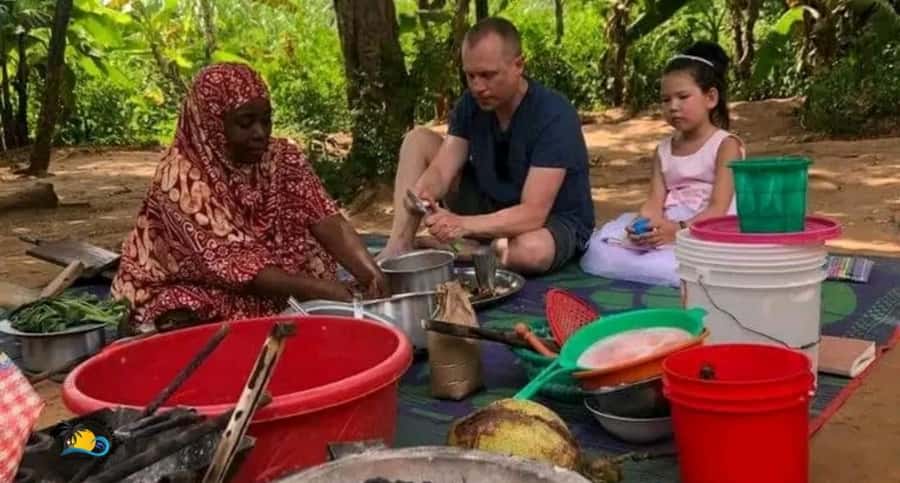
This tour is listed as a private group, which is usually a plus for pacing and comfort. You’ll also have a live guide who speaks multiple languages, including English, Italian, French, German, Portuguese, Spanish, Polish, Arabic, Swahili, Czech, Russian, and Romanian.
What to bring (and it’s not just “nice to have”):
- Comfortable shoes for walking in farm paths
- A hat and sunscreen for sun exposure
- A camera since the plant work and fruit tasting provide lots of photo moments
- Cash (important if you want to be ready for tipping or small purchases)
A couple of rules are clear:
- Pets aren’t allowed.
- Alcohol and drugs aren’t allowed.
If you want the smoothest day, the best move is to arrive at your pickup point on time and keep your schedule flexible. When things go wrong, it’s usually pickup timing and communication—not the quality of the spice farm itself.
Who should book this, and who might not love it
This tour is a strong match for:
- You if you like food learning with your hands, not just watching
- You if you want Zanzibar flavors explained in context, spice by spice
- You if you enjoy walking tours and want to see village-and-farm life rather than only a showroom
- You if you’re a couple or small group that benefits from private guiding
You might want to skip or rethink if:
- You want a highly structured cooking class where you only learn technique and follow recipes, with minimal “work” and minimal social side quests
- You strongly dislike any “tip culture” moments. Some guests said tip requests happened repeatedly, which left a bitter aftertaste for them.
Final decision: should you book this spice farm and cooking class?
I’d book it if you want a day that connects spices, fruit, and Swahili cooking in a way that feels practical. The best part is that you taste and learn on the farm, then you eat a full meal that uses those flavors.
I would think twice if you’re trying to avoid extra social pressure or you’re very time-sensitive, because delays can happen and the day can feel shortened when pickup slips. If you pack smart (shoes, hat, sunscreen, cash) and keep your schedule forgiving, this can be a great Zanzibar experience with real payoff.
FAQ
How long is the spice farm tour and cooking class?
It runs for about 5 hours total.
What’s included in the price?
You get hotel pickup and drop-off, a guided walking tour through spice plantations, a cooking class with a local chef, all ingredients and equipment, soft drinks and fruits, and lunch made from the dishes you prepare. You’ll also taste, smell, and touch spices (including fruits).
Is hotel pickup and drop-off included?
Yes. Pickup and drop-off are included, with options across multiple areas around Zanzibar including Stone Town and regions in Unguja.
What should I bring with me?
Bring comfortable shoes, a hat, a camera, sunscreen, and cash.
Are pets or alcohol allowed?
Pets are not allowed, and alcohol and drugs are not allowed.
What languages does the guide speak?
The guide can speak English, Italian, French, German, Portuguese, Spanish, Polish, Arabic, Swahili, Czech, Russian, and Romanian.
Can I cancel for a refund?
Yes. You can cancel up to 24 hours in advance for a full refund.